
If you’re dealing with a rat problem in your garden, you’ve probably considered using poison blocks. But once you put those blocks out, you might worry about other animals getting into them.
Birds are common garden visitors, and many of them forage on the ground where rat poison is usually placed. So will birds eat rat poison blocks in the garden?
Yes, many birds will eat rat poison blocks in the garden. Ground-feeding birds like pigeons, doves, sparrows, and blackbirds often mistake poison blocks for food, especially when the blocks are grain-based or seed-shaped. Once eaten, the poison affects birds the same way it affects rats, causing internal bleeding and death.
This is a serious problem because rat poison doesn’t just kill the birds that eat it directly.
It also poisons hawks, owls, and other predators that eat the poisoned birds, creating a deadly chain reaction through your local ecosystem.
Why Birds Are Attracted to Rat Poison Blocks
Most rat poison blocks are designed to be attractive to rodents, but this also makes them attractive to birds. Manufacturers add grains, seeds, and sweet flavors to encourage rats to eat them.
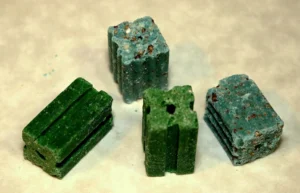
Birds that eat seeds and grains can’t tell the difference between poison blocks and regular food. The blocks look like compressed grain pellets, which is exactly what many birds naturally eat.
Some poison blocks are even dyed bright colors (green, blue, or red) that can attract curious birds. While the color is meant to warn people, birds don’t understand what it means.
Which Birds Are Most at Risk?
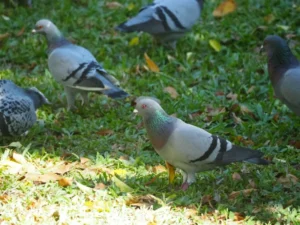
Ground-feeding birds are in the most danger because rat poison is usually placed on or near the ground. These include pigeons, doves, sparrows, finches, blackbirds, and quail.
Pigeons and doves are especially vulnerable because they’re larger birds that eat a lot. A pigeon can easily consume enough poison to kill itself in just one feeding session.
Smaller songbirds like sparrows and finches might not eat enough to die immediately, but they can still be harmed. And if they feed the poison to their babies, the chicks will die.
How Rat Poison Affects Birds
Most modern rat poisons use anticoagulants like brodifacoum or bromadiolone. These stop blood from clotting normally.
When a bird eats a poison block, the chemical builds up in its system over several days. It doesn’t die right away, which is why the bird might keep coming back and eating more.
After a few days, the bird starts bleeding internally. You might see blood coming from the beak, nose, or vent. The bird becomes weak and lethargic.
Death usually happens within 3 to 7 days after eating a lethal dose. It’s a slow, painful way to die.
The Secondary Poisoning Problem
Even if you don’t care about the birds eating the poison directly, you should care about what happens next. This is where secondary poisoning comes in.
When a bird eats rat poison and then gets eaten by a hawk, owl, or other predator, that predator is also poisoned. The anticoagulant stays active in the bird’s body even after it dies.
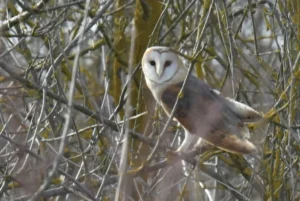
Hawks and owls are incredible at controlling rodent populations naturally. But rat poison is killing these beneficial predators at an alarming rate. Studies show that over 70% of hawks and owls tested have rat poison in their systems.
Real Examples from Gardens
Wildlife rehabilitators across the country see this problem constantly. They’ll get calls about hawks or owls that can’t fly, are bleeding from the mouth, or are acting lethargic.
When they test these birds, they almost always find anticoagulant poisoning. The birds didn’t eat the poison directly but got it from eating poisoned rats, mice, or smaller birds.
In urban and suburban gardens where rat poison use is heavy, entire populations of predatory birds are declining. The poison moves through the food chain and affects animals far beyond the intended target.
Are Some Poison Blocks Safer Than Others?
Some manufacturers claim their poison blocks are less attractive to birds, but there’s no such thing as a completely bird-proof rat poison block.
Even blocks that don’t contain grains can still be eaten by curious birds. Some birds will peck at anything colorful or unfamiliar to see if it’s food.
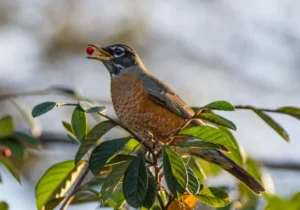
The only way to truly protect birds is to make the poison physically inaccessible to them, not rely on the formulation to keep them away.
Using Bait Stations to Protect Birds
If you absolutely must use rat poison blocks in your garden, tamper-resistant bait stations are essential. These are secured boxes with openings too small for most birds to enter.
The openings should be no larger than 1.5 inches. This allows mice and rats to enter but keeps out larger birds like pigeons and doves.
However, even with bait stations, smaller birds like sparrows and finches might still get inside. And you still have the secondary poisoning problem when rats die and get eaten by predators.
What to Do If You See Sick Birds in Your Garden
If you notice birds in your garden that are acting strangely, lethargic, or bleeding, rat poison might be the cause (either from your property or a neighbor’s).
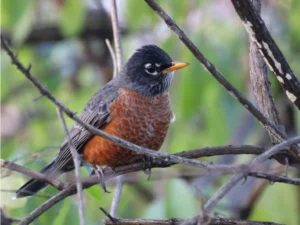
Don’t try to catch or handle the bird yourself. Contact a local wildlife rehabilitator immediately. They have the training and medication (vitamin K) needed to treat anticoagulant poisoning.
If you find dead birds in your garden and you use or have used rat poison, there’s a good chance the poison is the cause. Remove it immediately.
Legal Issues with Bird Deaths from Rat Poison
In the United States, most birds are protected under the Migratory Bird Treaty Act. This means killing them, even accidentally, can technically be illegal.
If you put out rat poison without proper precautions and it kills protected birds, you could face fines. While enforcement is rare for homeowners, it’s still a risk.
More importantly, some areas have started banning certain types of rat poison specifically because of the harm to birds and other wildlife.
Better Alternatives for Rat Control
The best solution is to avoid rat poison altogether and use methods that don’t harm birds.
Snap traps are highly effective and kill rats instantly without poison. Place them along walls in areas where you see rat activity.
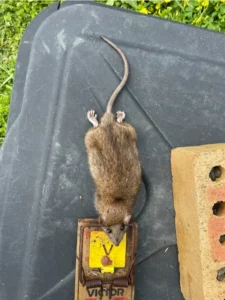
Electronic traps are another great option. They’re more expensive but very effective and completely poison-free.
The most important step is prevention. Seal up holes in your home’s foundation, remove brush piles, secure trash cans, and eliminate standing water. If rats can’t find food and shelter, they won’t stick around.
How to Remove Rat Poison Safely
If you’ve been using rat poison blocks in your garden and want to stop, remove all the blocks immediately.
Wear gloves when handling the blocks because the poison can be absorbed through cuts in your skin. Put the blocks in a sealed plastic bag.
Don’t just throw them in the trash. Take them to a hazardous waste facility for proper disposal.
Check your garden carefully for any blocks that might have been moved by rats or scattered by weather. Even small fragments can poison birds.
Protecting the Birds You Want Around
Many gardeners love having birds around because they eat insects, pollinate plants, and make gardens feel alive. But using rat poison can wipe out the bird population in your garden.
If you want to keep enjoying birds in your garden while also controlling rats, you need to choose rat control methods that don’t involve poison.
Birds are part of a healthy garden ecosystem. Hawks and owls eat rats, songbirds eat insects, and all of them help keep your garden balanced.
Conclusion
Birds absolutely will eat rat poison blocks in the garden. Ground-feeding birds like pigeons, doves, and sparrows can’t tell the difference between poison and food.
Once they eat it, the poison kills them slowly through internal bleeding. Even worse, predatory birds that eat the poisoned birds also die, creating a deadly chain reaction.
If you must use rat poison, put it in proper bait stations that birds can’t access. But the best solution is to switch to snap traps, electronic traps, or prevention methods that don’t put birds at risk.

Hi, my name is Ezra Mushala, i have been interested animals all my life. I am the main author and editor here at snakeinformer.com.