
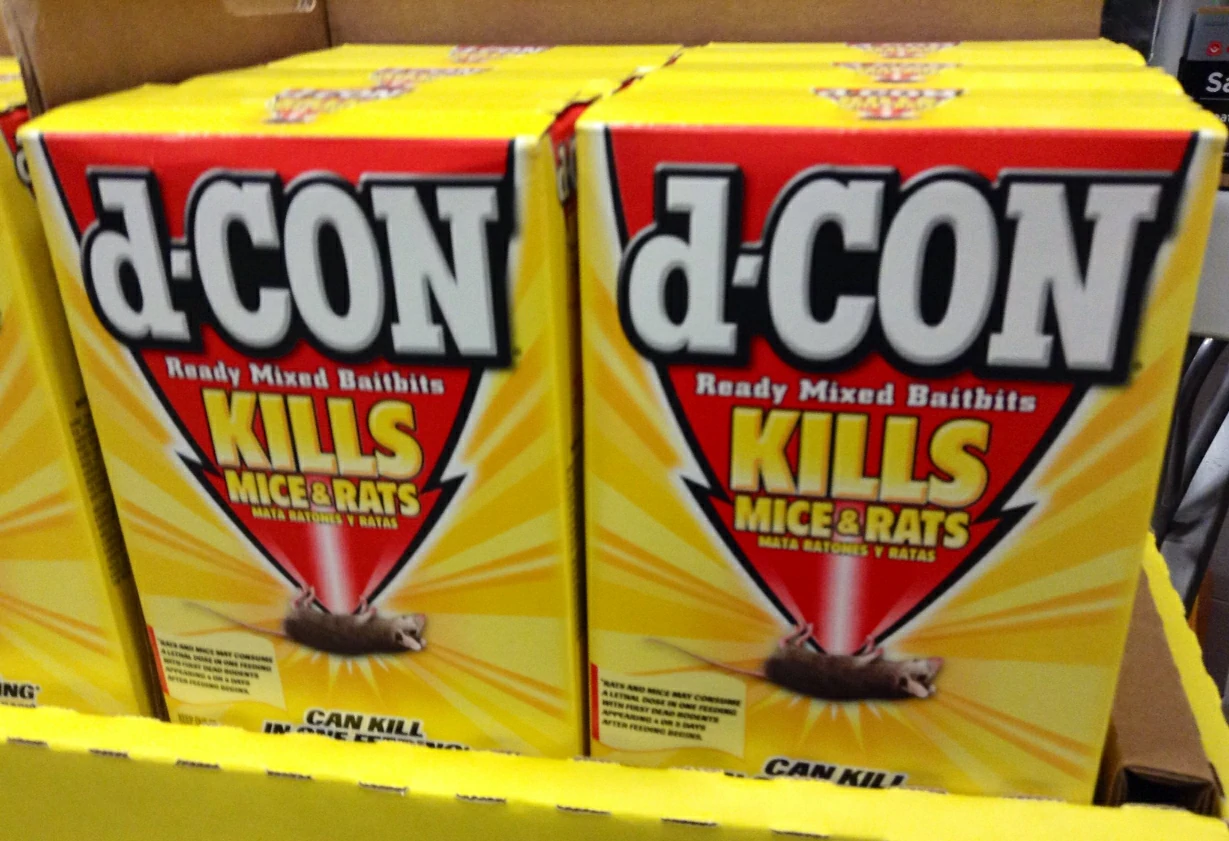
When you’re dealing with a rat problem, understanding what’s actually in the poison you’re using helps you make safer choices and know what to do in case of accidental exposure.
Rat poisons have changed a lot over the years, and modern formulas are designed to be highly effective while using specific active ingredients that target rodents. So what’s rat poison made of?
Rat poison is made from active ingredients that disrupt vital body functions in rodents (like anticoagulants, neurotoxins, or calcium regulators) combined with bait materials like grains, seeds, fats, and attractants that make rats want to eat it. The specific ingredients depend on the type and brand of poison.
The active ingredient is what actually kills the rat, while the bait matrix is what makes the poison attractive and easy for rats to consume.
Understanding both parts helps you choose the right product and use it safely.
The Two Main Components of Rat Poison
Every rat poison contains two main parts that work together to make the bait effective at killing rodents.
The first is the active ingredient. This is the chemical compound responsible for causing death.
It is usually found in very small amounts, making up roughly 0.005% to 0.075% of the total weight of the bait.
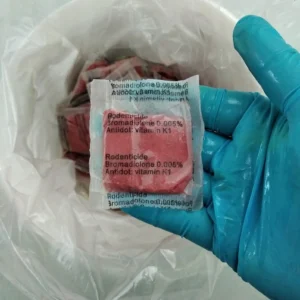
The second part is the bait matrix. This makes up most of the poison block or pellet and contains food-based ingredients that attract rats.
It also gives the poison a solid form that’s easy to handle and distribute.
Both parts have an important job. Without the bait matrix, rats would have little reason to eat the poison.
Without the active ingredient, you’d simply be giving the rats food.
For rat poison to work effectively, both the active ingredient and bait matrix are essential.
Active Ingredients in Modern Rat Poisons
The active ingredient determines how the poison works and how dangerous it can be to animals that aren’t the intended target.
Here’s a breakdown of the most common types:
| Active Ingredient | Type | How It Works | Concentration in Bait | Toxicity Level |
|---|---|---|---|---|
| Brodifacoum | Second-gen anticoagulant | Stops blood clotting | 0.005% | Very high |
| Bromadiolone | Second-gen anticoagulant | Stops blood clotting | 0.005% | Very high |
| Difethialone | Second-gen anticoagulant | Stops blood clotting | 0.0025% | Very high |
| Difenacoum | Second-gen anticoagulant | Stops blood clotting | 0.005% | High |
| Warfarin | First-gen anticoagulant | Stops blood clotting | 0.025% | Moderate |
| Diphacinone | First-gen anticoagulant | Stops blood clotting | 0.005% | Moderate |
| Chlorophacinone | First-gen anticoagulant | Stops blood clotting | 0.005% | Moderate |
| Bromethalin | Neurotoxin | Causes brain swelling | 0.01% | Very high |
| Cholecalciferol | Vitamin D3 | Causes kidney failure | 0.075% | High |
| Zinc phosphide | Acute poison | Releases toxic gas | 2% | High |
This table shows you exactly what’s in different rat poisons and how they work.
Anticoagulant Active Ingredients Explained
Anticoagulants are by far the most common active ingredients in rat poison, and they’ve been used for rodent control since the 1950s.
These chemicals interfere with vitamin K, which the body needs to produce clotting factors in the blood. Without enough vitamin K, blood can’t clot properly.
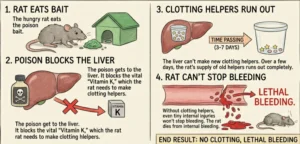
When a rat eats anticoagulant poison, it can keep bleeding internally from the normal wear and tear that happens to blood vessels. Even tiny injuries that would normally heal can start bleeding uncontrollably.
Death happens from internal hemorrhaging, usually in the chest cavity, abdomen, or brain. The rat essentially bleeds to death internally over several days.
There are two main generations of anticoagulants. First-generation anticoagulants, such as warfarin, are weaker and require multiple feedings.
Rats need to eat the poison over several days for to get a lethal dose.
Second-generation anticoagulants, such as brodifacoum and bromadiolone, are much stronger. A single feeding is usually enough to deliver a lethal dose.
What Makes Up the Bait Matrix?
The bait matrix is what gives rat poison its shape and makes it appealing to rats. It’s also where most of the bait’s weight and volume comes from.
Grains are the most common base ingredients. Wheat, corn, oats, and barley add bulk while giving the bait a texture that rats like to gnaw on.
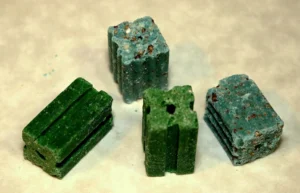
Fats and oils make the bait more appealing and help hold the ingredients together. Common examples include vegetable oil, fish oil, and rendered animal fat.
Sugars and sweeteners such as molasses and corn syrup make the bait more attractive to rats. They can also help cover up any chemical taste from the active ingredient.
Preservatives keep the bait from spoiling or developing mold. This is especially important when bait is left in damp areas for weeks at a time.
Wax or paraffin is added to poison blocks to make them water-resistant. This helps keep the blocks from falling apart in humid conditions or after getting wet.
Dyes give rat poison its distinctive color, which is usually blue, green, or red. This helps people recognize that the product is poison so it isn’t mistaken for food.
Grain-Based Rat Poison Ingredients
Most rat poisons use grains as their main bait ingredient because rats are naturally attracted to seeds and grains.
Whole grains like wheat berries and corn kernels are common in pellet-style baits. Rats recognize them as food, so they’ll readily eat them.
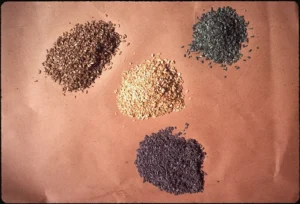
Ground grains are often used in block baits where the ingredients need to be pressed together. Wheat flour and cornmeal work well for this purpose.
Grains also provide carbohydrates that rats need for energy. That’s another reason grain-based baits can be so attractive to them. The grains make the bait resemble some of the foods rats naturally eat.
Some baits combine several types of grains to appeal to different rat preferences. For example, a single bait might contain wheat, oats, and corn all together.
Protein and Fat Sources in Rat Poison
Rats need protein and fat in their diet, so many poisons include these to make the bait more appealing.
Fish meal is a common protein source, especially in baits designed for roof rats or Norway rats near water. The fishy smell is very attractive to rodents.
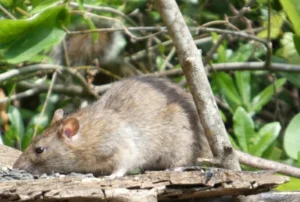
Peanut butter or peanut meal adds both protein and fat. Rats love the taste and smell of peanuts, making these baits highly effective.
Meat meal or bone meal provides animal protein. This appeals to rats’ natural scavenging behavior and makes the bait smell like something worth investigating.
Vegetable oils like soybean oil or sunflower oil add fat content. These oils also help the bait hold together and prevent it from drying out.
The combination of protein, fat, and carbohydrates makes rat poison baits nutritionally complete from the rat’s perspective. They think they’re getting a quality meal.
Sweeteners and Flavor Enhancers
Making poison taste good to rats is critical for effectiveness, which is why manufacturers add sweeteners and flavor enhancers.
Molasses is one of the most common sweeteners. It’s cheap, effective, and rats really like the taste. It also helps bind the bait ingredients together.

Corn syrup provides sweetness without being too expensive. It makes the bait palatable even if the active ingredient has a slightly bitter taste.
Salt is sometimes added in small amounts as a flavor enhancer. Rats need sodium in their diet, so a slightly salty bait can be more attractive.
Artificial flavors might be added to create specific profiles like “peanut butter flavor” or “bacon flavor” without using the actual expensive ingredients.
These additives mask any unpleasant chemical taste from the active ingredient, which is important because rats are cautious eaters and will avoid food that tastes wrong.
Binders and Preservatives
Keeping rat poison from falling apart and spoiling requires binders and preservatives.
Paraffin wax is the most common binder in block baits. It holds everything together and makes the blocks water-resistant and durable.
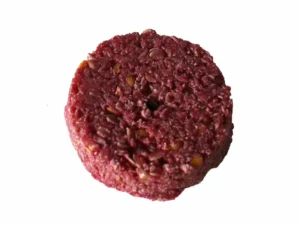
Vegetable gums like guar gum or xanthan gum help bind pellets and keep them from crumbling. These are the same ingredients used in human food.
Antioxidants like BHT (butylated hydroxytoluene) or BHA (butylated hydroxyanisole) prevent the fats in the bait from going rancid. Rancid bait smells bad and rats won’t eat it.
Antimicrobial preservatives stop mold and bacterial growth. This is especially important in humid environments where bait might get damp.
Without these ingredients, rat poison would fall apart, smell bad, or grow mold within days or weeks, making it completely ineffective.
Dyes and Coloring Agents
The bright colors you see in rat poison aren’t just for looks. They serve important safety purposes.
Blue dye is the most common color. It makes the poison easily identifiable as a chemical product, not food for humans or pets.
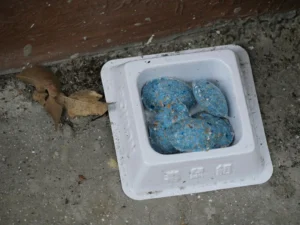
Green dye is also popular, especially in agricultural settings. It stands out against natural materials like hay or grain.
Red or pink dyes are used in some products. The bright color catches your eye and signals danger.
These dyes are typically food-grade colorants like FD&C Blue No. 1 or FD&C Green No. 3. They’re safe in the tiny amounts used and won’t harm rats or break down the active ingredient.
The color also helps with monitoring. When you check bait stations, you can immediately see if the bait has been gnawed on based on the colored crumbs or pieces left behind.
Bittering Agents in Some Rat Poisons
Some rat poisons include bittering agents to make them less appealing to children and pets, though this is controversial.
Denatonium benzoate is the most common bittering agent. It’s one of the most bitter substances known and is used in many household chemicals to prevent accidental ingestion.
The idea is that if a child or pet gets a taste of the poison, the horrible bitter flavor will make them spit it out immediately before swallowing much.
However, this doesn’t work well with rats because many formulations are so sweet or flavorful that rats eat them anyway. The bitterness is overpowered by other taste components.
Not all rat poisons contain bittering agents. Professional-grade products often skip this ingredient because it can reduce effectiveness.
How Do Different Forms Affect Ingredients?
Rat poison comes in different physical forms, and this affects what ingredients are used and in what proportions.
Blocks use more wax and binding agents to create a solid, durable form. They’re compressed under heat and pressure to hold their shape.
Pellets use less wax and more grain or meal. They’re formed by extrusion (like pasta) and then cut to size and dried.
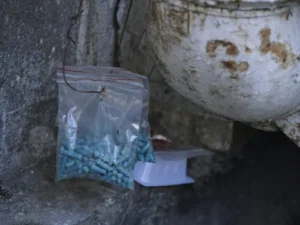
Place packs are pouches filled with loose bait material. The ingredients are similar to pellets but don’t need to be formed into specific shapes.
Tracking powder is mostly the active ingredient mixed with an inert powder like talc. There’s no food attractant because rats get it on their fur and ingest it while grooming.
Liquid baits use water or oil as the base instead of solid ingredients. These are less common but useful in some situations.
Natural vs. Synthetic Ingredients
Most rat poison ingredients are synthetic chemicals manufactured specifically for rodent control, but some components come from natural sources.
The active ingredients are almost always synthetic. Even warfarin, which was originally derived from sweet clover, is now manufactured synthetically for consistency.
Grain components are natural, harvested from farms just like food-grade grains. However, they’re usually feed-grade quality, not human food quality.
Fats and oils might be natural (like fish oil or vegetable oil) or synthetic petroleum-based products, depending on the formulation.
Preservatives and dyes are typically synthetic chemicals because they’re more stable and effective than natural alternatives.
Some “natural” rat poisons use ingredients like corn gluten meal or salt, but these aren’t really poisons in the traditional sense. They work through dehydration or other mechanisms.
Inactive Ingredients and Fillers
Not everything in rat poison is there to kill rats or attract them. Some ingredients are just fillers that add bulk.
Inert materials like ground corn cobs, sawdust, or cellulose powder might be used to dilute the active ingredient and give the bait more volume.

These fillers make the poison safer to handle and distribute. A tiny amount of pure brodifacoum would be incredibly dangerous, but when it’s diluted in a large block, it’s easier to work with.
Fillers also help control the concentration of the active ingredient. Getting exactly 0.005% brodifacoum in every block requires mixing it with a lot of other stuff.
Moisture-control ingredients like silica gel or desiccants might be added to keep the bait dry during storage and use.
How Do Manufacturers Make Rat Poison Consistent?
Creating rat poison that works the same every time requires careful quality control and consistent ingredient sourcing.
Manufacturers buy ingredients from approved suppliers who meet specific purity and quality standards. The wheat used in one batch needs to be the same as the wheat in the next batch.
Mixing is done in precise ratios using calibrated equipment. Getting the active ingredient evenly distributed throughout the bait is critical for effectiveness and safety.
Testing is performed on every batch to verify the concentration of the active ingredient. If a batch tests too high or too low, it gets rejected.
Shelf life testing ensures the product will remain effective for its labeled expiration date. Ingredients can’t break down or separate over time.
Regional Differences in Rat Poison Formulas
The exact ingredients in rat poison can vary depending on where it’s sold and what regulations apply.
In the United States, the EPA regulates rat poison ingredients and requires specific labeling. Only approved active ingredients can be used.
European Union countries have different regulations. Some active ingredients that are legal in the US are banned in Europe, and vice versa.
Australia has its own set of approved rodenticides. The formulations there might use different bait ingredients based on what local rats prefer.
Some countries restrict certain active ingredients to professional use only. Homeowners might only have access to first-generation anticoagulants.
Climate also affects formulations. Baits sold in hot, humid areas need more preservatives and water-resistant ingredients than those sold in dry climates.
What Ingredients Are No Longer Used in Rat Poison?
Rat poison has evolved over the decades, and some ingredients that were once common are now banned or no longer used.
Strychnine was used in rat poisons for years but is now highly restricted or banned in most countries. It caused violent seizures and was dangerous to non-target animals.
Thallium sulfate was another old rat poison that’s now banned. It was extremely toxic to humans and caused too many accidental poisonings.
ANTU (alpha-naphthylthiourea) was used in the 1940s and 50s but isn’t manufactured anymore. It was effective but also very toxic to dogs.
Arsenic-based poisons are mostly gone from the market. They were never very effective for rats and posed too many environmental risks.
Lead-based compounds are completely banned now due to environmental contamination and the health risks they pose.
How to Read Rat Poison Labels for Ingredients
Understanding what’s in the rat poison you’re using requires knowing how to read the product label.
The active ingredient is always listed first with its chemical name and percentage. For example, “Brodifacoum 0.005%.”
Inert ingredients are usually listed as a percentage but without naming each one specifically. The label might just say “Inert ingredients 99.995%.”
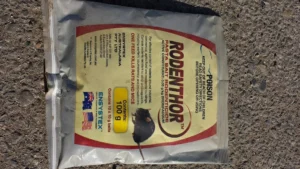
The EPA registration number tells you the product has been reviewed and approved. This number is required on all rat poisons sold in the US.
Signal words like “Caution,” “Warning,” or “Danger” indicate the toxicity level. “Danger” means it’s highly toxic even in small amounts.
The label also includes safety information, storage instructions, and what to do in case of accidental exposure. Always read this before using the product.
Are Rat Poison Ingredients Regulated?
Rat poison is heavily regulated because of the risks it poses to humans, pets, and wildlife.
In the United States, the EPA (Environmental Protection Agency) regulates all rodenticides under FIFRA (Federal Insecticide, Fungicide, and Rodenticide Act).
Any active ingredient used in rat poison must be registered with the EPA after extensive testing for safety and effectiveness.
Manufacturers have to submit detailed data on the active ingredient’s toxicity, environmental impact, and how it breaks down in the environment.
Labels must follow strict EPA guidelines and include specific warnings, first aid instructions, and usage directions.
States can impose additional restrictions beyond federal regulations. California, for example, has banned some second-generation anticoagulants for consumer use.
Are There Natural or Organic Rat Poisons?
Some people look for “natural” alternatives to synthetic rat poisons, but these products work very differently.
Corn gluten meal is used in some natural rodent products. It supposedly causes dehydration, but effectiveness is questionable.
Essential oils like peppermint or eucalyptus are marketed as rat deterrents, not poisons. They might repel rats temporarily but don’t kill them.
Plaster of Paris mixed with food is sometimes suggested as a homemade rat poison. The idea is that it hardens in the rat’s stomach, but this is cruel and unreliable.
Salt-based products claim to kill rats through dehydration, but rats are smart enough to avoid eating lethal amounts of salt if they have water available.
True “natural” rat poisons don’t really exist. The effective products all use synthetic active ingredients developed specifically to kill rodents.
Conclusion
Rat poison is made from a small amount of highly toxic active ingredient (usually an anticoagulant like brodifacoum or bromadiolone) combined with a much larger amount of bait matrix made from grains, fats, sweeteners, and preservatives that make rats want to eat it.
The active ingredient disrupts vital body functions, while the bait ingredients ensure rats consume enough poison to die.
Different types of rat poison use different active ingredients that work in different ways.
Anticoagulants cause internal bleeding, neurotoxins cause brain swelling, and vitamin D3 poisons cause kidney failure.
The bait matrix stays fairly consistent across products, using grains, oils, and sweeteners to attract rats.
Always read the label to know exactly what active ingredient and concentration you’re working with.

Hi, my name is Ezra Mushala, i have been interested animals all my life. I am the main author and editor here at snakeinformer.com.