
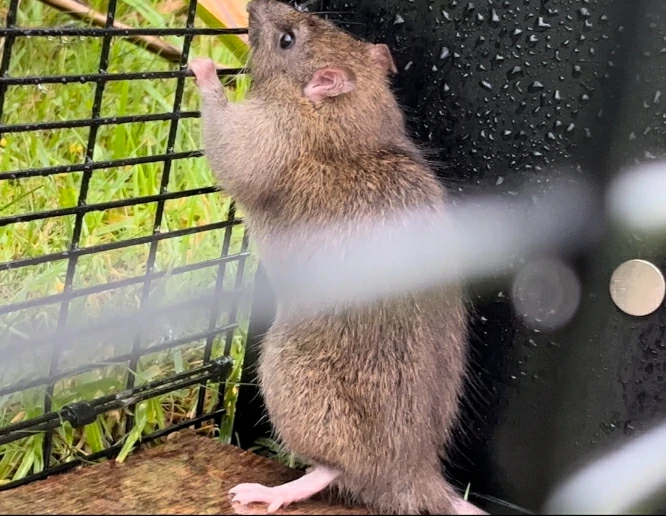
If you’ve ever opened a box of rat poison and caught a whiff of something sweet and spicy, you might’ve been surprised.
The smell is unmistakable, like cinnamon or some kind of baked goods. It’s not what you’d expect from something designed to kill rodents. So why does rat poison smell like cinnamon?
Rat poison smells like cinnamon because manufacturers add artificial cinnamon or vanilla scents to mask the chemical odor and make the poison more appealing to rats. The sweet, familiar smell tricks rats into eating the bait, while also making it less obvious to humans that toxic chemicals are inside.
Rats are naturally suspicious of new foods and smells in their environment. If rat poison smelled like harsh chemicals, rats would avoid it completely.
By adding a cinnamon scent, manufacturers create a bait that smells inviting and non-threatening to rodents, which increases the chances they’ll actually eat it.
How Scent Makes Rat Poison More Effective
Rats rely heavily on their sense of smell to find food and avoid danger. When they come across something that smells sweet or like grains and nuts, they’re more likely to investigate and taste it.
The cinnamon smell serves a practical purpose. It covers up the bitter or metallic smell of the active poison ingredients.
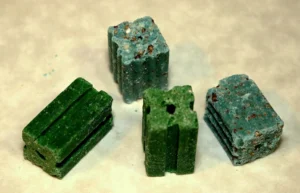
Without that masking scent, rats would detect something’s wrong and stay away from the bait completely.
Most rat poisons use anticoagulants (chemicals that stop blood from clotting) as the main killing ingredient. These chemicals don’t smell good on their own.
They have a sharp, unpleasant odor that would immediately alert rats to danger.
What Scents Are Added to Rat Poison?
Cinnamon isn’t the only scent manufacturers use. You’ll also find rat poisons with vanilla, peanut butter, chocolate, and even fruit scents added to them.
Here is a table that shows the different type of scents added to rat poison:
| Scent | What It Smells Like | Why It’s Added to Rat Poison |
|---|---|---|
| Cinnamon | Sweet, warm, and spicy | Masks the chemical smell and makes the bait smell familiar and appealing |
| Vanilla | Sweet and creamy | Makes the poison smell more like familiar foods and desserts |
| Peanut Butter | Nutty, rich, and slightly sweet | Gives the bait a strong food smell that rats are more likely to investigate |
| Chocolate | Sweet, rich, and cocoa-like | Helps make the bait smell like something rats might recognize as food |
| Fruit | Sweet and fruity | Gives the poison a familiar smell and helps cover up chemical odors |
| Grain | Mild, earthy, and cereal-like | Makes the bait smell more like seeds, grains, and other foods rats commonly encounter |
| Nut | Rich, earthy, and oily | Mimics the smell of high-fat foods that rats may be attracted to |
| Cinnamon and Vanilla | Sweet, warm, and creamy | Combines two familiar food scents to create a stronger and more appealing smell |
| Peanut Butter and Chocolate | Nutty, sweet, and rich | Creates a strong food-like smell that can cover up the natural odor of the poison |
| Fruit and Vanilla | Sweet, fruity, and creamy | Gives the bait a familiar food smell while helping mask unpleasant odors |
As you can see from the table, rat poison can contain many different scents, not just cinnamon.
Vanilla, peanut butter, chocolate, fruit, grain, and nut scents can all be used to make the bait smell more like something a rat would naturally investigate.
The goal is always the same. Make the poison smell like something rats want to eat.
Rats are attracted to foods high in fats and proteins, so scents that mimic nuts, seeds, grains, and sweets work really well.
Some brands use a combination of scents. You might get a poison that smells like cinnamon and vanilla together, or peanut butter and chocolate.
This creates a more complex and appealing smell that’s harder for rats to resist.
Why Manufacturers Choose Cinnamon Specifically
Cinnamon is cheap and easy to add to rat poison formulas. It’s also a scent that stays stable over time, meaning it won’t break down or fade quickly when the poison sits on a shelf or in your garage.
The smell is strong enough to cover chemical odors but not so overpowering that it seems suspicious to rats. It hits that sweet spot where it’s noticeable and attractive without being overwhelming.
Cinnamon also has a slight warmth to it that rats seem to like. In studies, rodents have shown preference for warm, spicy scents over cold or sharp ones.
This makes cinnamon a smart choice for bait manufacturers.
The Safety Concern with Scented Rat Poison
Here’s where things get tricky. The same sweet cinnamon smell that attracts rats can also attract pets and even young children. Dogs, in particular, are drawn to anything that smells like food or treats.
This is one of the biggest dangers of scented rat poison. A dog might find a block of poison that smells like cinnamon and think it’s a snack.

Kids might be curious about the sweet smell and touch or taste the poison if it’s left within reach.
That’s why you need to be extremely careful about where you place rat poison. It should always go in areas where pets and children can’t access it.
Use bait stations (enclosed boxes designed to hold poison) whenever possible.
How Rats React to Cinnamon-Scented Bait
When a rat comes across poison that smells like cinnamon, it doesn’t immediately recognize danger. The scent signals “food” to the rat’s brain, so it approaches with interest rather than caution.
Rats will often nibble a small amount first to test if the food is safe. If they don’t get sick right away, they’ll come back and eat more.
This is called “bait shyness,” and it’s why most modern rat poisons are designed to work slowly.
The cinnamon scent keeps working even after the rat has taken that first bite. It encourages the rat to return multiple times until it’s consumed a lethal dose of poison.
Other Additives in Rat Poison Besides Scent
Rat poison doesn’t just have scents added to it. Manufacturers also include flavoring agents that make the poison taste better to rats. These might be sweet sugars, oils, or grain-based ingredients.
The texture matters too. Most rat poisons come in blocks, pellets, or soft baits that feel familiar to rats when they bite into them. They’re designed to mimic the texture of seeds, grains, or compressed food bars.
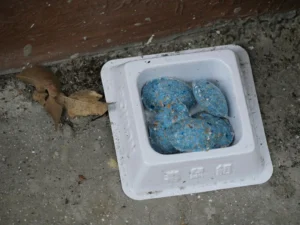
Some poisons also have colors added. You’ll see bright blue, green, or red baits. These colors aren’t for the rats (they don’t see color well). They’re there to warn humans that this isn’t regular food.
Does the Cinnamon Smell Fade Over Time?
Yes, the cinnamon smell in rat poison does fade, but it takes a while. Most rat poisons are designed to keep their scent for several weeks or even months when stored properly.
If you leave rat poison out in the rain or in extreme heat, the scent will break down faster. This makes the bait less effective because rats won’t be as attracted to it.
When you notice the poison doesn’t smell as strong anymore, it’s a good idea to replace it with fresh bait. Old, dried-out poison that’s lost its scent won’t attract rats as well.
Can You Buy Unscented Rat Poison?
Most rat poisons sold to consumers come with some kind of added scent. It’s hard to find completely unscented options because manufacturers know that scented baits work better.
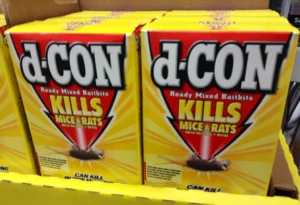
However, some professional-grade poisons used by pest control companies might have less obvious scents. These are usually not available to regular consumers and require special licensing to purchase.
If you’re concerned about the smell attracting pets, your best option isn’t to find unscented poison. Instead, use bait stations that keep the poison contained and out of reach.
What to Do If the Smell Concerns You
If the cinnamon smell of rat poison worries you because of pets or kids in your home, there are steps you can take to stay safe while still dealing with your rat problem.
First, always use tamper-resistant bait stations. These are boxes with small entrances that only rats can fit through. The poison stays inside, and the smell is contained.
Second, place the stations in areas where only rats travel. Think along walls, behind appliances, in attics, or in crawl spaces. Keep them away from anywhere your pets or children go.
Third, consider alternative methods if the risk feels too high. Snap traps, electronic traps, and exclusion methods (sealing up entry points) can work without any poison at all.
Why Some People Mistake Rat Poison for Food
Because rat poison smells like cinnamon and often looks like food pellets or blocks, accidental poisonings do happen. Someone might see what looks like a cookie or granola bar and not realize it’s poison.
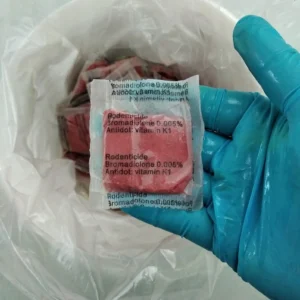
This is especially dangerous in homes with elderly family members who might have vision problems or memory issues. The sweet smell and familiar appearance can be confusing.
Always store rat poison in its original packaging with clear labels. Never transfer it to unmarked containers. And always tell everyone in your household where you’ve placed poison and what it looks like.
What This Means For You If You’re Buying Rat Poison
If you’re shopping for rat poison and comparing products, don’t let a pleasant smell influence how carefully you handle it.
A cinnamon scented product isn’t gentler or safer just because it smells nicer than a competing brand.
Always check the active ingredient list rather than judging a product by its scent.
If you have pets or kids at home, look for products that come with tamper resistant bait stations included.
These add a real layer of protection that scent alone can’t provide.
It also helps to read the label for any warnings about pet or child safety, since some brands include extra precautions or usage instructions specific to households with animals.
Before you bring any rat poison into your home, plan exactly where you’ll place it.
Think through how you’ll keep it away from anyone who shouldn’t have access to it.
Has Rat Poison Always Smelled Like This?
Rat poison hasn’t always been scented the way it is today.
Older rodenticide formulas from decades ago were often much more basic, with little thought given to smell or taste.
As pest control became more competitive, manufacturers started paying closer attention to how their products performed against others on the shelf.
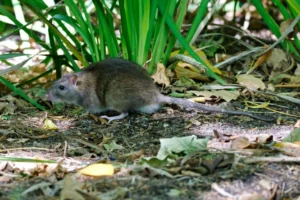
A bait that rats actually wanted to eat clearly worked better than one they avoided.
This shift led to more research into what scents and flavors actually attract rats most effectively.
Cinnamon became one of several scents that consistently tested well, which is part of why it stuck around.
Regulatory agencies in the US and Canada also play a role here.
Products need to meet certain safety and labeling standards, but the specific scent stays up to each manufacturer.
This means scent choices are really more about marketing and effectiveness than any kind of rule all companies follow.
So if you’re comparing brands, don’t assume a nicer smell means anything about how it was regulated.
Conclusion
Rat poison smells like cinnamon because that sweet, spicy scent masks the chemical odor and makes the bait more appealing to rats.
It’s a deliberate choice by manufacturers to increase the chances that rats will eat the poison.
But that same appealing smell can be dangerous if you have pets or young children at home. Always use bait stations, place poison in areas that are off-limits to anyone but rats, and stay aware of where every piece of bait is located.
The cinnamon smell is there to solve your rat problem, but only if you use it safely and carefully.

Hi, my name is Ezra Mushala, i have been interested animals all my life. I am the main author and editor here at snakeinformer.com.