
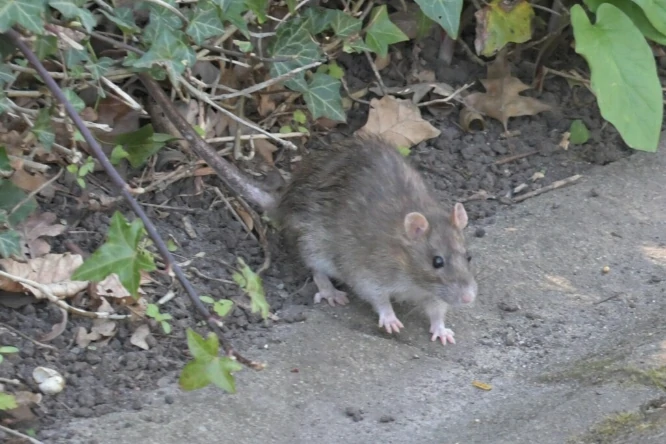
You’ve set out rat poison in all the right places. You put it near the areas where you see droppings and hear scratching at night. But when you check the bait stations, the poison is sitting there completely untouched.
The rats are ignoring it. So why don’t rats eat rat poison when it’s supposed to be designed to attract them?
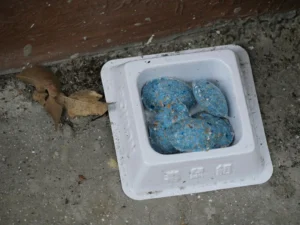
Rats don’t eat rat poison for several reasons: they’re naturally suspicious of new objects and foods (neophobia), they have access to other more appealing food sources, the bait’s scent has faded or doesn’t smell good to them, they’ve learned the bait is dangerous from other rats’ deaths, or they’re just not hungry enough to take the risk.
Getting rats to eat poison isn’t as simple as just putting it out and hoping for the best.
You have to understand rat behavior and what makes them willing to try new food.
Neophobia Makes Rats Suspicious of New Things
Rats are extremely cautious animals. When something new appears in their environment, they don’t immediately investigate or eat it. They avoid it. This survival instinct is called neophobia, which means “fear of the new.”
When you first place rat poison in an area, the rats that live there will notice it. But instead of eating it right away, they’ll avoid it for days or even weeks.
They’ll stick to the food sources they already know are safe.
This is why pest control professionals often use a technique called pre-baiting. They put out regular, non-poisoned food first.
Once the rats get comfortable eating from that spot, they swap in the poison. By then, the rats have lost their fear of the feeding station.
Rats Don’t Automatically Recognize Poison as Food
Rats don’t know what rat poison is when they find it. They don’t see a bait block and understand that it’s dangerous.
They simply decide whether it looks, smells, and feels like something worth eating.

The problem is that rats don’t have to eat something just because it smells good. If the bait looks unfamiliar or is sitting somewhere they normally don’t feed, they may walk straight past it.
This is especially common when rats already have established feeding routes. They’ll often stick with food sources they know instead of taking a chance on something new.
Other Food Sources Are More Appealing
If rats have access to other food, they’ll eat that instead of your poison. Rats aren’t desperate scavengers that’ll eat anything. They’re actually pretty selective when they have options.
Think about what’s available in and around your home. Is there pet food left out overnight? Are your garbage cans not sealed properly?
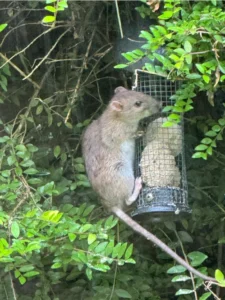
Do you have fruit trees dropping food on the ground? Is there bird seed scattered under feeders?
Any of these food sources will be more appealing to rats than poison bait. They’ll fill up on the food they know is safe and ignore the bait completely.
You have to remove or secure all competing food sources before poison will work.
The Bait Doesn’t Smell Good Anymore
Rat poison relies heavily on scent to attract rats. Most baits have added scents like peanut butter, vanilla, or cinnamon to make them smell like food.
But these scents fade over time, especially if the poison is exposed to heat, moisture, or sunlight.
If your poison has been sitting out for weeks or months, the smell might be gone. To a rat, it just looks and smells like a strange object, not food. They’ll ignore it.
Old poison can also develop off-putting smells as the oils in the bait go rancid or mold starts to grow on it. Rats have excellent noses, and they won’t eat anything that smells wrong.
Rats Have Learned the Bait Is Dangerous
Rats are smart and learn from experience. If rats in an area have eaten poison before and got sick (but didn’t die), they’ll associate that bait with feeling bad. They’ll avoid it in the future.
This learned avoidance is called bait shyness, and it’s a huge problem for pest control. Once a rat learns that a certain food makes them sick, they won’t touch it again. Even worse, they might avoid all similar-looking foods.

Rats also learn from watching other rats. If a rat sees another rat eat something and then get sick or die, it’ll avoid that food.
This social learning helps the whole group survive.
The Poison Tastes Bad to Rats
Most rat poisons are designed to taste good, but not all of them succeed. Some baits have a bitter or chemical taste that rats can detect.
Even if the bait smells okay, rats will spit it out after the first bite if it tastes wrong.
Manufacturers add palatants (ingredients that improve taste) to rat poison, but these don’t always work. Some rats are more sensitive to bitter flavors than others, and some populations have developed preferences for certain tastes.
If the poison you’re using tastes bad to the rats in your area, they’ll take one bite and never come back.
You’re Using the Wrong Type of Bait for Your Rats
Different rat species have different food preferences. Norway rats tend to prefer grains, meats, and high-protein foods. Roof rats lean more toward fruits, nuts, and seeds.
If you’re using a grain-based poison for roof rats, they might not be interested. If you’re using a fruit-flavored bait for Norway rats, same problem. You need to match the bait type to the species you’re dealing with.
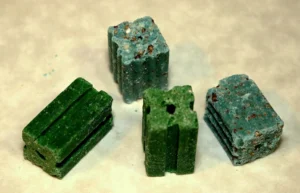
Some baits come in blocks, pellets, or soft packs. Rats might prefer one texture over another. Experimenting with different bait forms can sometimes make a difference.
Rats May Avoid Bait Because Something Changed Around It
Rats notice changes in their surroundings. Moving objects, adding unfamiliar equipment, or suddenly placing something in an area they use regularly can make them more cautious.
A bait station can therefore be ignored simply because it appeared in a place where there wasn’t one before.
The rat may eventually investigate it, but that can take time. Until then, it may continue using the same route while avoiding the new object.
The Bait Stations Are in the Wrong Locations
Rats don’t travel randomly. They follow specific paths along walls, under objects, and through hidden spaces. If your bait stations aren’t placed along these travel routes, rats might never find them.
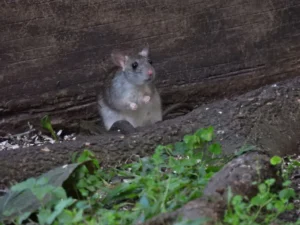
Look for signs of rat activity before placing bait. Check for droppings, gnaw marks, grease marks along walls, and worn paths in dust or dirt. Place bait stations directly in these areas.
Rats also prefer to eat in places where they feel safe and hidden. A bait station sitting in the middle of an open floor won’t be as attractive as one tucked next to a wall or behind a piece of furniture.
There Aren’t Enough Bait Stations
If you only have one or two bait stations for a large infestation, some rats might never encounter them. Rats are territorial, and dominant rats might guard food sources, keeping other rats away.
You need multiple bait stations spread throughout the infested area. Experts recommend placing them every 15 to 30 feet along walls and in high-activity zones.
More bait stations mean more chances for every rat in the population to find and eat poison. It also reduces competition for the bait.
Rats Aren’t Hungry Enough
Rats that have constant access to high-quality food won’t take risks on unfamiliar bait. They’ll only eat the poison if they’re hungry enough that the risk seems worth it.
This is another reason why removing other food sources is so important. Once rats can’t find their usual meals, they’ll become more willing to try new options, including your poison bait.
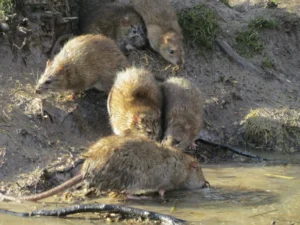
If you live in an area with abundant natural food sources (like near farms, orchards, or dumpsters), getting rats to eat bait can be especially challenging.
The Poison Is Past Its Expiration Date
Most rat poisons have a shelf life of 2 to 3 years when stored properly. After that, the active ingredients start to break down, and the bait becomes less effective.
But even before it stops working, expired poison can develop strange smells or textures that make rats avoid it.
Check the expiration date on your poison packaging. If it’s old, throw it out and buy fresh bait. Fresh poison smells stronger, tastes better, and works faster.
The Bait May Be Contaminated
Rat poison can also become less appealing if it gets contaminated with dirt, dust, cleaning products, or other strong smells.
Rats have extremely sensitive noses, so something that seems like a minor change to you can make the bait smell completely different to them.
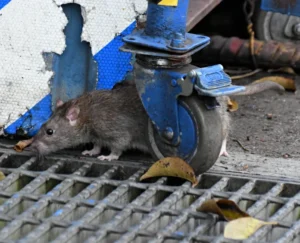
This is another reason bait that looks perfectly normal can sometimes remain untouched.
Rats Are More Active at Night and You’re Not Checking at the Right Time
Rats are nocturnal, which means they’re most active at night. If you’re checking your bait stations during the day and seeing no activity, that doesn’t mean rats aren’t around. They might be eating the bait at night when you’re not looking.
Check your bait stations early in the morning or late at night. Look for gnaw marks, pieces broken off the blocks, or bait that’s been moved. These are signs that rats are eating, even if you’re not seeing it happen.
Also, be patient. It can take several days for rats to overcome their neophobia and start eating bait regularly.
What to Do If Rats Still Won’t Eat the Poison
If you’ve tried everything and rats still won’t touch your poison, it’s time to switch strategies. Here are some options:
Pre-bait with non-poisoned food. Put out regular food (like peanut butter, seeds, or pet food) in the same stations where you’ll eventually place poison. Once rats are eating regularly, swap in the poison.
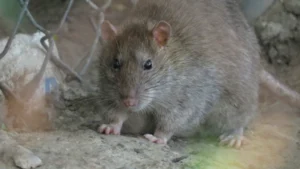
Try a different brand or type of poison. Different baits have different scents, flavors, and textures. What one rat ignores, another might love.
Use fresh bait. Replace old poison with brand new product. Make sure it smells strong and looks fresh.
Switch to traps. If poison isn’t working, snap traps, electronic traps, or live traps might be more effective. They don’t require rats to eat anything, just trigger the trap.
Call a professional. Pest control companies have access to stronger baits and more experience figuring out why rats are avoiding poison.
How to Tell If Rats Are Actually Ignoring the Bait
The easiest way to tell whether rats are avoiding the bait is to look at the other signs of activity around the same area.
Fresh droppings, new gnaw marks, scratching sounds, and other recent signs mean the rats are still active. If those signs continue while the bait remains untouched, the rats may be using another food source or avoiding the bait.
If the signs disappear at the same time the bait remains untouched, the rats may simply have moved elsewhere or the activity may have stopped for another reason.
The bait itself doesn’t tell the whole story. You have to look at what’s happening around it.
Conclusion
Rats don’t eat rat poison for all kinds of reasons. They might be scared of the new object in their environment, have better food available, find the poison’s smell or taste unappealing, or have learned from past experience that the bait is dangerous.
Sometimes the poison is just too old, placed in the wrong spot, or there aren’t enough stations to reach all the rats in your home.
To get rats to eat poison, you need fresh bait, the right placement, removal of competing food sources, and sometimes patience while rats overcome their natural caution. If nothing works, switching to traps or calling a professional might be your best bet.

Hi, my name is Ezra Mushala, i have been interested animals all my life. I am the main author and editor here at snakeinformer.com.