

When you’ve got rats in your house, you need to get rid of them fast. The two most popular options are electric traps and traditional snap traps, but which one actually works better?
Both types kill rats quickly, but they work in completely different ways and each has its own pros and cons. So which trap should you choose: electric or snap?
Electric rat traps use batteries to deliver a high-voltage shock that kills rats in seconds, while snap traps use a spring-loaded metal bar to kill instantly. Electric traps are cleaner and easier to use but cost $30 to $60 each, while snap traps cost just $3 to $8 but require you to handle dead rats directly.
The right choice depends on your budget, how many rats you’re dealing with, and whether you’re okay with seeing and touching dead rodents. Let’s break down how each type works and what makes them different.
How Electric Rat Traps Actually Work
Electric traps look like small boxes with an entrance tunnel. Inside, there’s a metal plate that delivers a shock when a rat steps on it.
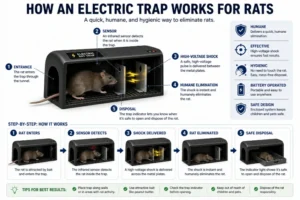
The rat walks in, attracted by bait you’ve placed at the back of the trap. When it steps on the metal plate, sensors detect the rat and send a high-voltage electric shock through its body.
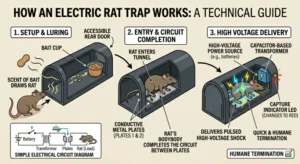
The shock is strong enough to kill a rat in just a few seconds. Most electric traps deliver around 8,000 volts, which sounds like a lot, but it’s designed to be lethal to small animals, not dangerous to humans.
After the rat dies, a light on the trap blinks to let you know you caught something. You don’t have to look inside to know if it worked.
The whole process is contained inside a closed box, so you never have to see the rat until you’re ready to empty the trap.
How Traditional Snap Traps Work
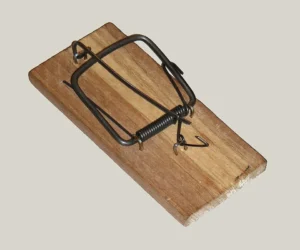
Snap traps are the classic rat-killing device you’ve probably seen in cartoons. They’re simple: a wooden or plastic base with a spring-loaded metal bar.
You put bait on a small platform, pull back the metal kill bar, and hook it under a catch plate. When a rat touches the bait or steps on the trigger, the bar snaps down hard and fast.
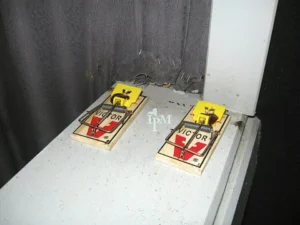
The metal bar is designed to come down on the rat’s neck or head, killing it almost instantly. If the trap is set right and the rat is in the right position, death is immediate.
Unlike electric traps, snap traps are completely open. You can see exactly what you caught, which is good for knowing when to reset it, but bad if you’re squeamish about dead animals.
Snap traps have been around for over a hundred years because they work. The design hasn’t changed much because it doesn’t need to.
Price Comparison: What You’ll Actually Pay
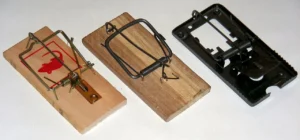
This is where snap traps have a huge advantage. A good snap trap costs between $3 and $8, depending on whether you get wood or plastic.
You can buy a pack of six Victor snap traps for around $15 to $20. That’s enough to cover a whole house if you’ve got a serious rat problem.
Electric traps, on the other hand, cost way more. A decent electric rat trap runs between $30 and $60 for just one trap.
If you need multiple traps (and you probably do), that adds up fast. Three electric traps could cost you $150 or more.
The batteries in electric traps also need replacing. Most use four AA batteries, and heavy use can drain them in a few weeks.
Snap traps don’t need batteries or any other ongoing costs. You buy them once, and they work until the spring wears out, which can take years.
How Easy Each Trap Is to Set Up
Electric traps are easier to set, no question. You just put batteries in, add bait, turn it on, and place it where you’ve seen rats.
There’s no spring to worry about, no risk of snapping your fingers, and no complicated mechanism to figure out. Even if you’ve never used a trap before, you can set up an electric trap in about a minute.
Snap traps require more care. You need to pull back a strong spring and hook a small catch plate in place, all while keeping your fingers away from the kill bar.
If you’re not careful, the trap can snap on your fingers. It won’t break bones, but it hurts and can leave a bruise or cut.
That said, once you’ve set a snap trap a few times, it gets easier. The whole process takes less than a minute once you know what you’re doing.
Some newer snap traps have safety features like yellow plastic tabs that let you set the trap without touching the spring directly.
Which Trap Is More Humane?
Both traps are designed to kill quickly, which is more humane than poison or glue traps. Poison makes rats suffer for days, and glue traps can leave them stuck and struggling for hours.
Electric traps kill in about 3 to 5 seconds. The shock basically stops the rat’s heart and brain function almost immediately.
Snap traps kill instantly when they work correctly. If the bar comes down on the rat’s head or neck, death is immediate.
The problem with snap traps is that they don’t always work perfectly. Sometimes a rat gets caught by a leg or tail instead of the neck, and then it’s still alive when you find it.
This doesn’t happen often if you set the trap right, but it’s possible. With electric traps, the shock kills the rat no matter where it is in the trap.
From a purely humane standpoint, electric traps have a slight edge because they’re more consistent.
Cleanup: Dealing with Dead Rats
This is where electric traps really shine. When you catch a rat, you just open a door on the back of the trap, tip it over a trash bag, and the rat slides out.
You never have to touch the rat. You barely even have to look at it if you don’t want to.
With snap traps, you’re dealing with the rat up close. You have to pick up the whole trap with the dead rat stuck to it and pry the bar off to remove the body.
Most people use a plastic bag over their hand or wear gloves. Some people use a stick to push the rat off the trap.
It’s not the end of the world, but it’s definitely messier and more hands-on than an electric trap.
If you’re really squeamish about dead animals, the extra money for an electric trap might be worth it just for the easier cleanup.
Which Trap Actually Catches More Rats?
In terms of pure effectiveness, both traps work about equally well if you use them correctly. The trap itself isn’t usually the problem – it’s where you put it and what bait you use.
Snap traps have been catching rats for over a century. When placed along walls where rats travel and baited with peanut butter, they’re extremely effective.
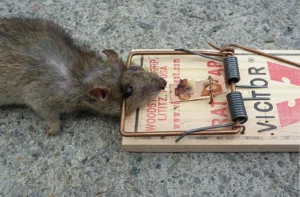
Electric traps work just as well. Rats walk in looking for food and get zapped before they know what happened.
The advantage with snap traps is that you can set more of them because they’re so cheap. If you buy six snap traps for $20, you can cover way more area than one $50 electric trap.
More traps in more locations means you’ll catch rats faster. So even though electric traps work great, snap traps might actually get rid of your rat problem quicker just because you can afford to use more of them.
Some people use both types together: electric traps in main areas where cleanup is important, and snap traps in basements, garages, or other spots where they don’t mind the mess.
Reusability: How Many Times Can You Use Each Trap?
Both types of traps are reusable, but they differ in how easy they are to clean and reset.
Electric traps are simple to reuse. Dump out the dead rat, wipe down the inside with a disinfectant wipe, add fresh bait, and turn it back on.
The trap keeps working until the electronics fail or you break it somehow. Most good electric traps can catch dozens of rats before they stop working.
Snap traps can also be used over and over. After you catch a rat, clean the trap with soap and water, let it dry, and set it again with fresh bait.
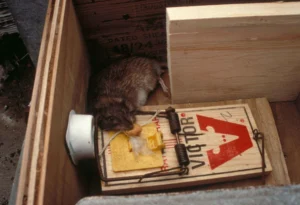
The problem is that blood and other fluids from dead rats can soak into wooden traps. Even after cleaning, wooden snap traps can start to smell after catching several rats.
Plastic snap traps clean up better than wooden ones. They don’t absorb fluids, so they last longer and stay cleaner.
Either way, snap traps are so cheap that some people just throw them away after each use. If you’re really grossed out by cleanup, this is an option.
Safety Around Kids and Pets
If you have kids or pets, safety becomes a bigger concern. Both traps can hurt curious fingers or paws.
Snap traps can snap on a child’s finger or a dog’s nose if they mess with it. The spring is strong enough to cause pain and possibly a minor injury.
Electric traps won’t shock humans through the entrance because you’re too big to complete the circuit. But a small child’s finger could potentially get shocked if they stick it inside.
The best solution for both types is to place them where kids and pets can’t reach them. Behind appliances, inside cabinets, or in crawl spaces work well.
You can also buy trap covers or bait stations that let rats in but keep larger animals out. These work with both electric and snap traps.
Never place any kind of rat trap in an area where kids play or where pets spend a lot of time. No matter how careful you are, accidents can happen.
How Long Each Trap Lasts
A good snap trap can last for years if you take care of it. The spring might weaken eventually, but that takes a long time.
Plastic snap traps tend to last longer than wooden ones because they don’t rot or absorb moisture. You can use them outside without worrying about rain damage.
Electric traps have electronics that can fail. Moisture, dust, and general wear and tear can cause them to stop working.
Most electric traps come with a one-year warranty, which gives you an idea of how long the manufacturer expects them to last. With normal use, you might get two to three years out of a good electric trap.

The battery compartment can corrode if you leave batteries in for too long without using the trap. Some cheaper models have circuit boards that fail after catching a certain number of rats.
From a longevity standpoint, snap traps win. They’re purely mechanical with no electronics to break.
Portability and Storage
Snap traps are easy to store and move around. They’re flat, lightweight, and you can stack them in a drawer or cabinet when you’re not using them.
If you need to move them to different locations around your house, you can carry several at once. They don’t need batteries or power, so you can set them anywhere.
Electric traps are bulkier. They’re about the size of a shoebox, which makes them harder to store when you’re not using them.
They also need batteries to work, so you can’t just grab one and go. You need to make sure it has power first.
If you’re dealing with rats in multiple locations (like a house and a garage), snap traps are easier to move back and forth.
For people who travel to different properties (like landlords or property managers), carrying a few snap traps in a truck is way easier than hauling heavy electric traps around.
Environmental Impact
Snap traps are about as environmentally friendly as a rat trap can be. They’re made from wood or recyclable plastic, they don’t need batteries, and they don’t use any chemicals.
When a snap trap finally wears out, you can throw it in the trash without worrying about toxic materials. Wooden ones will eventually decompose.
Electric traps use batteries, which contain heavy metals and need to be disposed of properly. If you’re constantly replacing batteries, that creates waste.
The plastic housing on electric traps isn’t recyclable in most areas. When the electronics fail, the whole thing usually goes in the trash.
From an environmental standpoint, snap traps are the better choice. They have a smaller footprint and don’t create electronic waste.
Noise Level When the Trap Goes Off
Snap traps make a loud SNAP when they trigger. If you’re in the same room, you’ll definitely hear it.
This can be startling if it goes off in the middle of the night. Some people find the noise disturbing.
On the plus side, you know right away when you’ve caught something. You don’t have to check the trap to see if it worked.
Electric traps are almost silent. You might hear a very faint buzzing sound when the shock is delivered, but it’s quiet enough that you probably won’t notice unless you’re standing right next to it.
The only way you know it worked is by checking the indicator light. Most electric traps have a blinking LED that tells you there’s a dead rat inside.
If noise is a concern (like in an apartment with thin walls), electric traps are the quieter option.
Which Trap Works Better Outdoors?
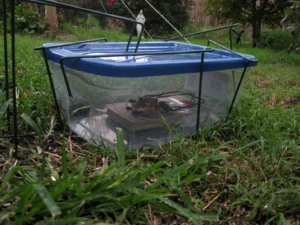
Snap traps work fine outside, especially plastic ones that won’t rot from rain or moisture. You just need to protect them from weather a bit.
Put them under cover where they won’t get soaked by rain. A snap trap that gets wet can rust or warp, making it less effective.
Electric traps aren’t meant for outdoor use. Most aren’t waterproof, and rain or moisture can damage the electronics.
Some electric traps are labeled as “weather-resistant,” but that usually just means they can handle a little humidity, not a rainstorm.
If you need to trap rats outside (like in a garden shed or along a fence line), snap traps are the better choice. Just make sure they stay relatively dry.
When to Choose an Electric Trap
Electric traps make sense in certain situations. If you have the budget and you want the easiest, cleanest rat-catching experience, they’re worth the money.
They’re great for indoor locations where you see people a lot, like kitchens or living areas. The closed design looks less disturbing than a snap trap with a dead rat on it.
If you’re really squeamish about handling dead animals, the no-touch cleanup of an electric trap is a huge advantage.
They’re also good if you’re only dealing with one or two rats. Buying one electric trap makes sense if you don’t have a major infestation.
People who want a more modern, high-tech solution often prefer electric traps. They feel cleaner and more humane, even if they don’t work any better than snap traps.
When to Choose a Snap Trap
Snap traps are the smart choice when you’re on a budget or dealing with multiple rats. For the price of one electric trap, you can buy six or more snap traps.
If you need to cover a large area or you’ve got a serious rat problem, snap traps let you set more traps in more locations.

They’re also better for outdoor use or in areas where moisture might be an issue. You don’t have to worry about rain or humidity damaging them.
If you don’t mind handling dead rats and you want a simple, reliable trap that doesn’t need batteries or maintenance, snap traps are perfect.
They’re also great if you want a trap that lasts for years. Snap traps are purely mechanical, so there’s less that can go wrong.
Can You Use Both Types Together?
Absolutely. Some people use electric traps in main living areas where they want clean, easy disposal, and snap traps in basements, attics, or garages where they don’t mind the mess.
This gives you the best of both worlds: the convenience of electric traps where it matters most, and the affordability of snap traps for broader coverage.
You can also use electric traps for the first few rats (the bold ones that aren’t trap-shy yet) and then switch to snap traps for any remaining rats that are more cautious.
There’s no rule that says you have to stick with just one type. Use whatever works for your situation and your budget.
Conclusion
Electric rat traps and snap traps both kill rats quickly and effectively, but they’re designed for different priorities. Electric traps cost more but offer cleaner, easier operation with no-touch disposal. Snap traps are cheap, simple, and let you set multiple traps to catch rats faster.
If you want the easiest experience and you don’t mind spending $30 to $60 per trap, go electric. If you’re on a budget or dealing with multiple rats, snap traps give you more coverage for less money.
You can’t really go wrong with either choice. Both will get rid of your rats. Just pick the one that fits your budget and how comfortable you are with handling dead rodents.
And remember, the most important factors aren’t the trap itself but where you place it and what bait you use. A cheap snap trap in the right location will outperform an expensive electric trap in the wrong spot every time.

Hi, my name is Ezra Mushala, i have been interested animals all my life. I am the main author and editor here at snakeinformer.com.