
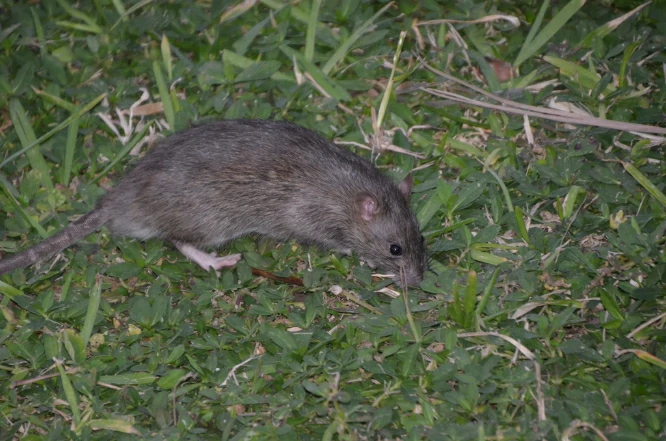
You’ve probably seen those electronic rat zappers advertised online or at hardware stores. They look modern and high-tech compared to old-fashioned snap traps, and the companies selling them make big promises about how effective they are. But do rat zappers really work?
Yes, rat zappers do work when used correctly. They kill rats instantly with a high-voltage electric shock and are more reliable than snap traps because there are no moving parts to fail. However, they only work if rats actually enter them, which depends on proper placement and bait.
These electronic traps have become popular because they’re cleaner and easier to use than traditional traps. But like any rat control method, they’re not magic. Understanding how they work and when to use them helps you decide if they’re right for your situation.
How Rat Zappers Actually Work
Rat zappers are plastic boxes with a metal floor connected to a high-voltage circuit. When a rat enters the box to get the bait and steps on the metal floor, it completes an electrical circuit. The rat gets hit with a shock strong enough to kill it instantly.
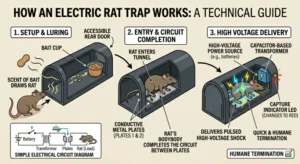
Most zappers use batteries (usually 4 C or D batteries) to generate the electrical charge. Some plug into wall outlets. The voltage is typically around 7,000 to 8,000 volts, which sounds scary but is actually safe for humans to touch accidentally because the amperage is very low.
After a rat is killed, an indicator light turns on to let you know there’s a dead rat inside. You don’t have to open the box to check.
When you’re ready, you dump the dead rat into a garbage bag without touching it. This no-touch disposal is a big selling point for people who are squeamish.
Are They More Effective Than Snap Traps?
In terms of kill rate, yes. When a rat enters a zapper and triggers it, the kill is instant and the success rate is nearly 100%. There’s no chance of the rat escaping like with a snap trap that doesn’t close properly or only catches a paw.
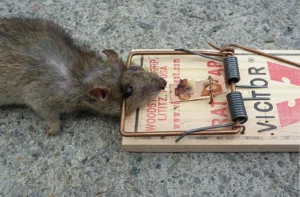
Zappers also don’t lose effectiveness over time. Snap traps can weaken with use. The spring loses tension, the trigger mechanism wears out, and eventually they stop working reliably. Electronic zappers work the same on the 50th rat as they did on the first one (as long as the batteries are good).
However, getting rats to enter the zapper in the first place is where many people struggle. Rats are naturally cautious about entering enclosed spaces. If they don’t go in, the zapper can’t kill them. This is where proper placement and bait really matter.
What Makes Rat Zappers Fail?
The most common reason zappers fail is poor placement. Just like any trap, you need to put them where rats actually travel. Placing a zapper in the middle of a room won’t work. Rats travel along walls and through specific routes, so your zapper needs to be on those routes.
Dead batteries are another major issue. The indicator light that tells you a rat is inside also drains the battery. If you don’t check the zapper regularly and replace batteries, you might have a trap that’s not working at all. Most zappers can kill 10 to 30 rats per set of batteries.
Wrong or stale bait is the third big problem. Rats won’t enter the zapper if the bait isn’t appealing. Some zappers come with special bait chambers, but you need to keep the bait fresh and attractive. Old, dried-out bait won’t draw rats in no matter how good the zapper is.
How Many Rats Can One Zapper Catch?
Most electronic zappers can kill 10 to 30 rats before you need to replace the batteries, depending on the model and battery type. Some high-end models can handle 50 or more rats per battery set. This makes them more cost-effective than you might think.

Unlike snap traps that need to be reset manually after each catch, some zappers can kill multiple rats before needing attention. Once a rat is killed, the next rat can enter and get zapped too (though most rats avoid zappers with dead rats inside, so you should empty them regularly).
The trap itself can last for years with proper care. Unlike snap traps that break or wear out, a good quality zapper is a one-time investment that keeps working as long as you maintain it and replace batteries.
Are They Safe Around Pets and Kids?
Most zappers are designed with safety in mind. The entrance tunnel is small enough that cats, small dogs, and children’s fingers can’t fit inside to reach the electrified plate. The typical entrance is about 2 to 2.5 inches in diameter.
However, you still need to be careful. Small kittens or very curious pets might get their nose or paw into the entrance. While the shock won’t kill a pet (the amperage is too low), it will hurt and scare them. Place zappers in areas where pets can’t access them.
Children are naturally curious and might try to stick things into the zapper. Keep zappers in basements, attics, garages, or other areas where young kids don’t play. Some models have safety switches that turn off the current when the lid is removed for cleaning.
Do Rats Learn to Avoid Zappers?
Yes, but not as easily as they learn to avoid snap traps. Since the zapper is an enclosed box, rats can’t see what happens inside. They don’t witness other rats getting killed, which means they’re less likely to make the connection between the zapper and danger.
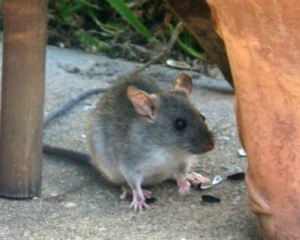
However, if rats smell death inside the zapper (from a rat that’s been dead for a while), they’ll avoid it. This is why you need to check and empty zappers regularly. A dead rat that’s been sitting for days will warn other rats away.
Some rats are just naturally more cautious about entering enclosed spaces. These rats might avoid zappers no matter what you do. In those cases, combining zappers with other trap types gives you better results.
How Much Do Rat Zappers Cost?
Basic electronic rat zappers cost between $30 and $60. These work fine for most home infestations and will last for years. They’re more expensive upfront than snap traps (which cost $2 to $5 each), but they last longer and work more reliably.
High-end zappers with features like automatic reset, larger capacity, or outdoor weatherproofing can cost $80 to $150. These are better for serious infestations or commercial use, but they’re probably overkill for the average homeowner.
You also need to factor in battery costs. A set of 4 D batteries costs around $8 to $12, and you’ll go through several sets during a rat infestation. Some zappers use rechargeable batteries or plug into outlets, which can save money long-term.
Zappers vs. Poison: Which Is Better?
Zappers are safer than poison in most situations. Poison can kill pets, kids, and wildlife if they accidentally eat it. Zappers only kill what enters them, making them more selective.
You also know exactly where the rat died (inside the zapper), unlike with poison where rats can die in walls.

Poison can also create secondary poisoning problems. If a rat eats poison and then a cat or owl eats that rat, the predator can get poisoned too. Zappers eliminate this risk completely. The dead rat hasn’t eaten anything toxic.
However, poison might work on rats that are too cautious to enter a zapper. Some trap-shy rats will still eat bait stations with poison but won’t enter enclosed traps. If zappers aren’t working, poison (used carefully in secure bait stations) might be your next option.
Best Baits for Rat Zappers
Peanut butter is the classic choice and works well. Smear a small amount on the back wall of the zapper. Rats have to walk all the way in to get it, ensuring they step on the electrified plate. Don’t use too much though, or rats can eat it from the entrance.
Bacon grease and meat scraps also work great. Many rats prefer these over sweet baits like peanut butter. Small pieces of hot dog or bacon tied to the bait area with thread force rats to spend time in the zapper trying to get the food.
For rats that aren’t food-motivated, try nesting material like cotton balls or dental floss. Place these in the back of the zapper. Rats looking for nesting material will enter to grab it, triggering the shock.
Where Should You Place Zappers?
Along walls is always best. Rats travel with their whiskers touching walls, so placing a zapper with its entrance against a wall puts it directly in their path. The entrance should face along the wall, not pointing away from it.
Near food and water sources works well too. Place zappers near pet food bowls (after you’ve started putting food away at night), under sinks where pipes provide water, or near where you’ve seen rats getting into food.
In corners where rats turn is another prime spot. Rats often pause at corners to check for danger. A zapper placed in a corner catches rats as they slow down and investigate, increasing the chance they’ll enter.
Do Electronic Zappers Work Outdoors?
Some models are designed for outdoor use with weatherproof housing. These work well in sheds, garages, and covered areas. However, outdoor zappers are more expensive and you need to protect them from rain and extreme temperatures.

Indoor zappers used outdoors will fail quickly. Moisture and temperature changes damage the electronics. If you need outdoor rat control, buy a zapper specifically rated for outdoor use, or keep indoor models in protected areas.
Battery life can be shorter outdoors in cold weather. Batteries don’t perform as well in freezing temperatures, so you might need to replace them more often. Some people bring zappers indoors during winter and use them in basements and garages instead.
How to Clean and Maintain Your Zapper
After dumping out a dead rat, wipe down the inside of the zapper with disinfectant wipes or a damp paper towel. Don’t soak it or spray water directly into the electronic parts. Just clean the metal plates and walls where the rat touched.
Check the batteries regularly, even if the indicator light says they’re good. Weak batteries won’t deliver a lethal shock, and rats might get stunned instead of killed. This creates trap-shy rats that will avoid the zapper from then on.
Inspect the entrance tunnel for damage. Rats sometimes chew on the plastic, which can create gaps that let them see inside or smell better. If the entrance is damaged, replace the zapper. A broken entrance makes rats suspicious and less likely to enter.
Real User Success Rates
Most people who use zappers correctly report catching their first rat within 2 to 5 days. This is about the same as snap traps. The advantage is that zappers keep working reliably, while snap traps often need to be replaced or adjusted.

Failure stories usually involve poor placement, not checking batteries, or trying to use one zapper for a huge infestation. One zapper won’t solve a house with 20 rats. You need multiple traps of any type to handle serious infestations.
Professional pest controllers often use zappers as part of their strategy. They’re not a magic solution, but they’re a reliable tool that works when used correctly. This professional endorsement suggests they’re genuinely effective.
Are Zappers Worth the Investment?
If you’re dealing with an ongoing rat problem or live in an area where rats are common, a zapper is probably worth it. The upfront cost is higher than snap traps, but the long-term convenience and reliability often make it worthwhile.
For a one-time rat sighting, maybe not. If you just saw one rat and aren’t sure if you have a real problem, start with cheaper snap traps. If those don’t work or if the problem is bigger than you thought, then invest in a zapper.
For people who are squeamish about handling dead rats, zappers are definitely worth the extra cost. The no-touch disposal and contained kill make the whole process less gross and scary compared to snap traps.
Conclusion
Rat zappers do work, and they work well when used properly. They’re more reliable than snap traps, easier to use, and safer than poison in most situations. The instant kill is humane, and the no-touch disposal is convenient.
However, they’re not automatic rat-killing machines. You still need to place them correctly along rat travel routes, use attractive fresh bait, and maintain them by replacing batteries and cleaning after catches. Get these basics right, and zappers are highly effective.
Whether zappers are worth it depends on your situation and budget. For serious or ongoing rat problems, they’re a smart investment. For occasional single-rat issues, cheaper traps might make more sense. Either way, understanding how they work and what makes them succeed or fail helps you make the best choice for your needs.

Hi, my name is Ezra Mushala, i have been interested animals all my life. I am the main author and editor here at snakeinformer.com.