
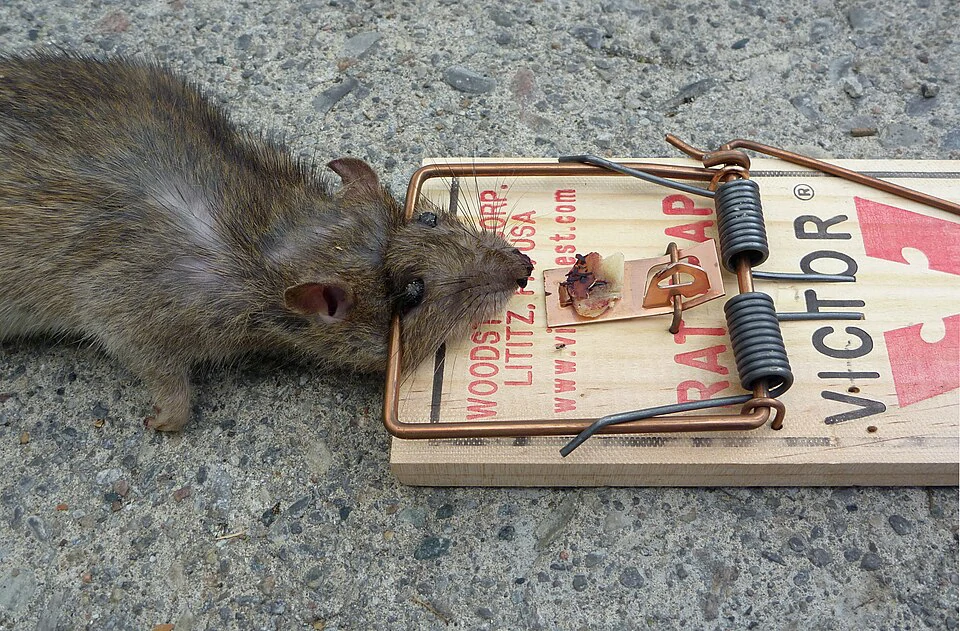
If you’re setting rat traps in areas where lizards live (like garages, sheds, or anywhere in warmer climates), you might worry about catching these helpful reptiles by accident. Lizards eat insects and other pests, so you definitely don’t want to harm them. But do rat traps kill lizards?
Yes, rat traps can kill lizards, especially smaller species. Snap traps, glue traps, and electronic traps are all dangerous to lizards. They’re attracted to the same dark, hidden spaces where people place rat traps, making accidental catches common.
While lizards aren’t usually the target, they can become collateral damage when you’re trying to control rodents. The good news is there are ways to protect lizards while still dealing with your rat problem.
Why Lizards Get Caught in Rat Traps
Lizards love dark, protected spaces like the corners, crevices, and along walls where people typically place rat traps. These are the same areas where lizards hunt for insects and hide from predators, so they naturally end up near your traps.
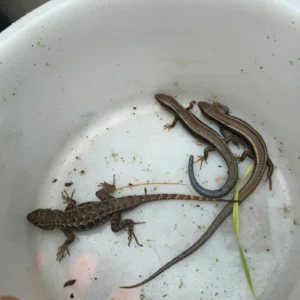
Many lizards are small enough that a rat-sized snap trap can easily catch and kill them. A trap strong enough to kill a 200-gram rat will definitely kill a 20-gram lizard. The force is way more than needed for such a small animal.
Lizards are also attracted to the insects that gather around bait. If you’re using food-based bait like peanut butter, it can attract flies and ants. Lizards come to eat these insects and accidentally trigger the trap or get stuck on glue boards.
What Happens to Lizards in Different Trap Types
Snap traps are extremely dangerous for lizards. When a lizard walks across the trigger plate (often while hunting insects), the metal bar slams down and kills them instantly. Sometimes it just injures them severely, leaving them to suffer until you find them.
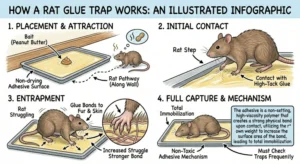
Glue traps are particularly cruel for lizards. Their skin sticks to the adhesive, and they panic trying to escape. This often causes them to shed their skin or even their tail (if they’re a species that can drop their tail). Many lizards die slowly from stress and exhaustion on glue traps.
Electronic traps that use high voltage to kill rats can also kill lizards. If a lizard enters the trap box (maybe chasing an insect), they can get electrocuted just like a rat would. The current meant for a much larger animal is fatal to small reptiles.
Which Lizard Species Are Most at Risk?
Small house lizards like geckos and anoles are at the highest risk. These lizards commonly live inside homes, garages, and sheds where people set rat traps. They’re small, quick, and always hunting for insects in exactly the spots where traps are placed.
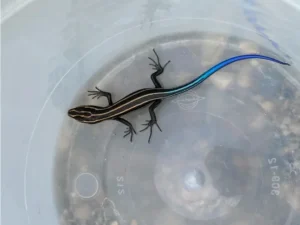
Larger lizards like skinks and fence lizards are also at risk, especially from glue traps. While they might be too big for some snap traps to close completely, they can still get injured or stuck.
Baby lizards of any species are extremely vulnerable. They’re small enough to fit completely under a snap trap’s bar or get entirely covered by glue traps. During breeding season when there are lots of young lizards around, accidental catches increase.
How to Protect Lizards While Trapping Rats
The best way to protect lizards is to use bait stations or trap boxes with entrance holes that are rat-sized but too small for most lizards. You can buy commercial stations or make your own. The entrance should be about 2 to 3 inches in diameter.
Place traps in areas where you’ve seen rat activity but not lizard activity. Avoid putting traps near windows, in corners with lots of cobwebs (where lizards hunt spiders), or along sunny walls where lizards bask.
Check your traps multiple times a day. The sooner you find a caught lizard, the better chance they have of surviving if they’re only injured. Quick discovery can also prevent them from suffering on glue traps.
Should You Use Different Trap Types Around Lizards?
If you have lots of lizards in your area, consider using live catch traps instead of kill traps. A lizard caught in a cage trap can be released unharmed, unlike one caught in a snap trap. You’ll need to check these traps frequently though.
Electronic traps with weight sensors can help. Some models are designed to only activate when something rat-sized enters. A lightweight lizard won’t trigger the shock, keeping them safe. However, these traps are more expensive.
Avoid glue traps entirely if you have lizards around. There’s no safe way to use them without risking lizard catches. The suffering they cause to non-target animals just isn’t worth it.
What to Do If You Catch a Lizard
If you find a lizard caught in a snap trap and it’s still alive, carefully release it while wearing gloves. Lizards can bite when scared (though most bites aren’t serious). Put the lizard in a ventilated box and contact a wildlife rehabilitator if it seems injured.
For lizards on glue traps, don’t try to pull them off. This will tear their skin and cause more damage. Instead, use vegetable oil or baby oil to gently dissolve the adhesive. Work slowly and carefully, applying oil around the stuck areas until the lizard can move free.
After releasing a lizard from a glue trap, it will be covered in oil. Put it in a safe, contained area with water and places to hide. The oil will come off naturally over time as the lizard grooms itself. Don’t try to wash it off with soap.
The Benefits of Having Lizards Around
Before you worry too much about protecting lizards, remember they’re actually helping you control pests. Lizards eat insects like flies, mosquitoes, ants, cockroaches, and spiders. A few lizards in your home or yard can seriously reduce insect populations.
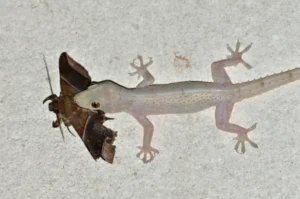
They’re also harmless to humans. Most house lizards are too small to bite effectively, and even if they do bite, it doesn’t hurt much and they’re not venomous (in most areas). They don’t carry diseases that affect humans the way rats do.
Having lizards around can actually make your rat problem less attractive to solve with traps. If lizards are controlling your insect population, there’s less food for rats. Combined with proper sanitation and exclusion, this might reduce the rat problem naturally.
Where Rats and Lizards Overlap
Both rats and lizards like similar environments. They both need hiding places, access to food and water, and protection from predators. This means anywhere you have rats, you probably have lizards too, especially in warm climates.
Garages and sheds are prime examples. These spaces provide shelter for both rats and lizards. When you set traps in these areas, you’re placing them exactly where lizards are likely to be hunting.
Outdoor areas like wood piles, rock walls, and compost heaps attract both animals. Rats nest in these spots, while lizards use them for hunting and basking. Traps placed near these features are likely to catch both.
Time of Day Matters
Lizards are most active during the day, especially in the morning and late afternoon when they’re warming up or hunting. Setting and checking traps during daylight hours increases the chance you’ll catch lizards instead of rats.
Rats are most active at dawn, dusk, and night. If you set your traps late in the evening (after lizards have settled for the night) and check them early in the morning, you reduce lizard risk while maximizing rat catches.
In winter or cooler weather, lizards are less active or even dormant in some areas. This is actually the safest time to use rat traps without worrying too much about catching lizards accidentally.
Alternative Rat Control Methods That Don’t Risk Lizards
Exclusion is the safest method. Seal holes in your walls, fix gaps under doors, and cover vents with hardware cloth. Rats can’t get in, and you don’t need traps at all. This protects lizards completely.

Electronic deterrents that emit ultrasonic sounds might bother rats without affecting lizards. However, these devices have mixed reviews and don’t work in all situations. They’re worth trying if you’re desperate to avoid traps though.
Professional pest control services can use methods that specifically target rats while protecting other wildlife. They have training in species-selective control and can assess your specific situation to find the safest approach.
Legal Considerations in Some Areas
In some places, certain lizard species are protected by law. It’s illegal to harm or kill them, even accidentally. This is especially true for rare or endangered species. If you’re catching protected lizards in traps, you could face fines.
Before setting traps, check if your area has protected lizard species. Your local wildlife agency or conservation department can tell you what lives in your area and what’s protected. This information helps you make informed decisions about trap placement.
If you repeatedly catch protected lizards, you might be required to change your control methods. Ignorance of the law isn’t an excuse, so it’s better to check beforehand than deal with legal problems later.
Making Your Property Less Attractive to Rats While Keeping Lizards
You can control rats through environmental changes that don’t affect lizards. Remove rat food sources like accessible garbage, pet food left out, and birdseed spillage. Lizards don’t eat these things, so they’re not impacted.
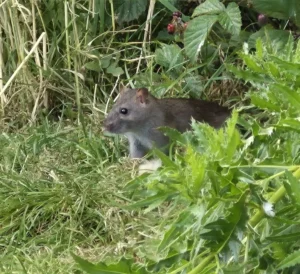
Trim vegetation away from your house foundation. Rats use overgrown plants to access your home, but lizards will still find plenty of places to live in your yard. This reduces rat problems without removing lizard habitat.
Fix water leaks and eliminate standing water sources that rats need. Most lizards get moisture from their prey and morning dew, so removing water sources affects rats more than lizards. This changes the environment in your favor.
When to Prioritize Rat Control Over Lizard Protection
If you have a severe rat infestation that’s threatening your health or safety, rat control has to take priority. Rats carry diseases, damage property, and reproduce quickly. A few accidentally caught lizards, while unfortunate, might be unavoidable in serious situations.
The key is minimizing lizard casualties while still dealing with the rat problem effectively. Use protective measures where you can, check traps frequently, and be as selective as possible with trap placement. Every precaution helps.
Once the rat problem is under control, you can focus on making your property more lizard-friendly again. Create safe spaces for them, avoid using traps unless necessary, and appreciate the pest control services they provide naturally.
Conclusion
Rat traps can definitely kill lizards, and it happens more often than most people realize. Lizards are attracted to the same spaces where traps are placed, and they’re vulnerable to all common trap types, especially snap traps and glue traps.
Protecting lizards while controlling rats requires thoughtful trap placement, regular checking, and ideally using selective methods like bait stations that exclude smaller animals. These simple steps can dramatically reduce accidental lizard catches.
Remember that lizards are beneficial animals that control insect pests naturally. Taking steps to protect them while dealing with rats isn’t just ethical but also helps your overall pest control efforts in the long run.
A few simple precautions can let you solve your rat problem without harming the helpful reptiles sharing your space.

Hi, my name is Ezra Mushala, i have been interested animals all my life. I am the main author and editor here at snakeinformer.com.