
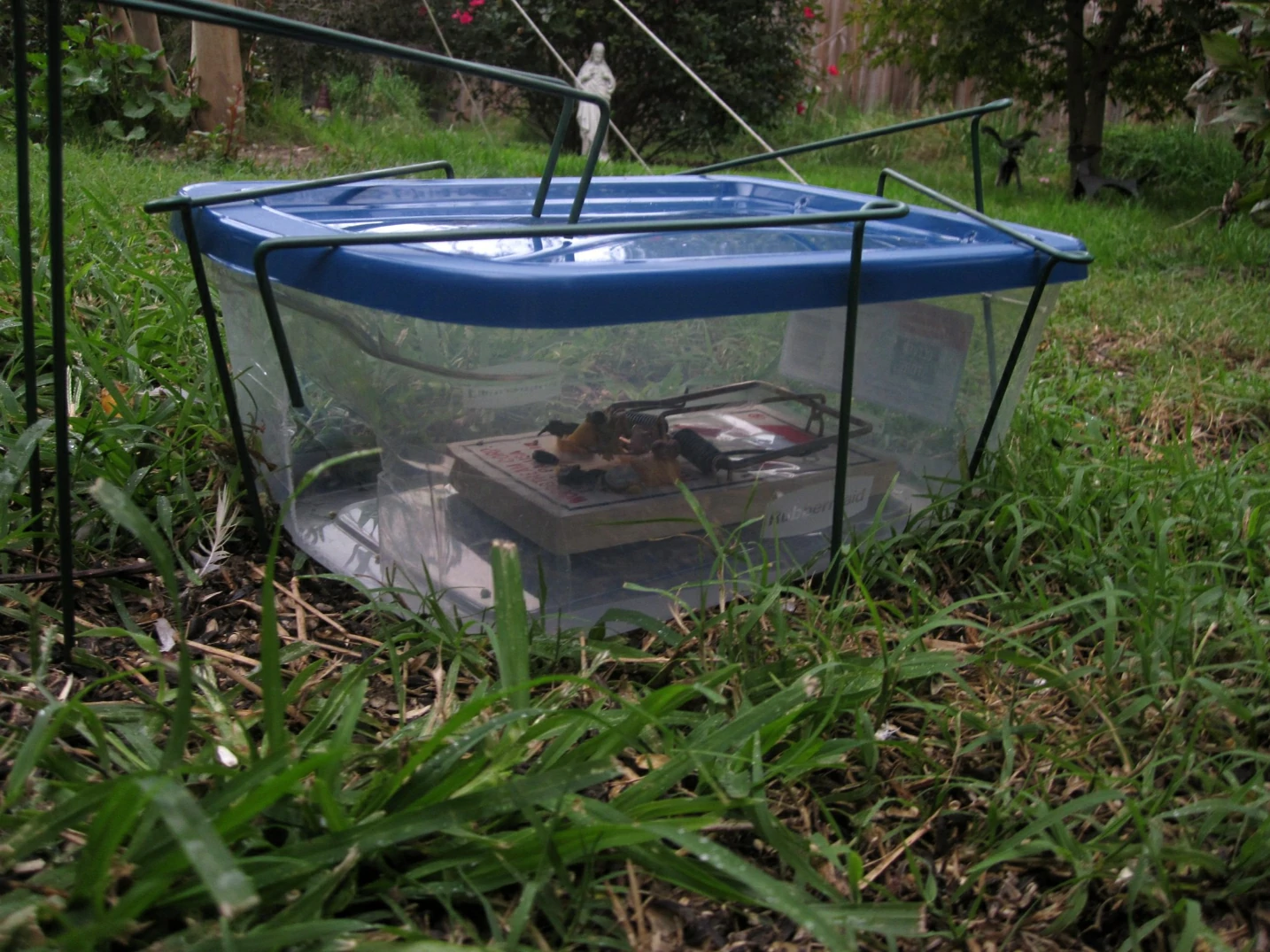
Setting a snap trap is one of the most common ways people deal with rats, and these traps are designed to work fast.
However, things don’t always go to plan, and that raises an uncomfortable question. How long can a rat survive in a snap trap?
If a snap trap catches a rat properly, death is instant or happens within seconds. However, if the trap catches a rat incorrectly (across the body or a limb), the rat can survive anywhere from several minutes to several hours, depending on the injuries and where it’s caught.
The short answer is that it depends on how the trap catches the rat. When it goes right, the rat doesn’t suffer, and when it doesn’t, you need to know what to do.
There’s no exact number of minutes, because it depends on where the trap hits and how hard. That’s why the way you choose and set your traps matters so much.
In this post, you’ll see why some catches go wrong, how to set traps so they work the first time, and what to do if you find a rat still alive.
How Snap Traps Are Supposed to Work
A snap trap has a spring-loaded bar that swings down fast when a rat steps on the trigger. It’s built to hit across the back of the head or neck.

When it does, the rat loses consciousness (becomes unaware and unable to feel pain) almost right away.
Scientists who review pest control methods say a well-made snap trap usually works swiftly, and in most cases within about five minutes at the very most.
That’s why experts count well-made snap traps among the more humane ways to deal with rats.
However, “well-made” and “used right” are the key words. The trap only does its job when it hits the right spot.
What Happens When a Trap Doesn’t Catch a Rat the Right Way?
Rats don’t always walk up to a trap in the perfect position. They might reach for the bait from the side, or set the trap off with their body instead of their head.
When that happens, the trap may catch the rat across the body or a limb. That won’t be a quick end.
There’s no exact number for how long a rat can last in that case, since it depends on where it was caught. Some are gone fairly soon, while others are still alive when you check.
In one UK field trial of a popular rat snap trap, more than a third of the rats caught were hit on a part of the body that likely wouldn’t give a quick end.
A few were still alive when the traps were checked.
That’s more than most people expect. It’s also why trap size, bait, and placement make such a big difference.
Why Do Some Traps Catch Rats the Wrong Way?
Most of the time, it comes down to a few simple mistakes. The good news is that you can fix every one of them.
The wrong size trap is a big one. A mouse trap is built for a much smaller animal, so it’s the wrong tool for a rat.
Too much bait is another. If a rat can nibble from the side without stepping fully onto the trigger, it can set the trap off the wrong way, or just eat and leave.
Skipping the prebait step matters too. Rats are cautious about anything new, and without prebaiting, you may only catch young rats while the older ones stay away.
Poor placement is the last one. A trap sitting out in the open gets approached from every direction, which makes a bad angle more likely.
Pick the Right Size Trap for the Job
Rat traps and mouse traps come in different sizes for a reason, so know which pest you have before you buy.
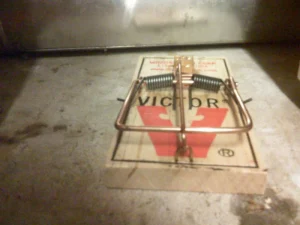
A rat trap is larger and stronger, with a bigger trigger plate and a heavier spring. It’s the only kind that should be used on a rat.
If you’re not sure what you have, look at the droppings. Rat droppings are bigger than mouse droppings, and a pest control company can tell you for sure.
Older trap designs can be hard to set, so if you struggle, buy a newer one. Newer designs are easier to set, which also keeps your fingers safe.
How Much Bait Should You Use on a Snap Trap?
Less than you’d think. A pea-sized amount of food pressed firmly onto the trigger works best.
If there’s too much, a rat can eat from the edge without ever stepping on the trigger the right way. A small amount makes it work for the bait right where the trap can do its job.
Peanut butter is a popular choice. However, be careful where you use it, since many people have peanut allergies and kids or guests might come across it.
Before you set the trap, prebait for a few days. Put a little bait on the trigger with the trap left unset, so the rats get used to it and feed with confidence.
Once the bait is being eaten, set the trap and add a fresh pea-sized amount.
Tying the bait to the trigger with a bit of dental floss also helps, because a rat can’t just grab it and leave.
Where Should You Place Snap Traps for the Best Results?
Along walls. Rats like to run along edges, so the wall guides them straight to the trap.
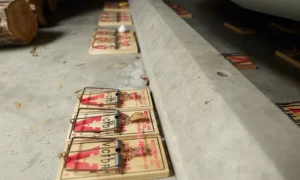
Place each trap at a right angle to the wall, with the trigger end next to the wall. That way, the rat runs into the trap head first instead of walking around it.
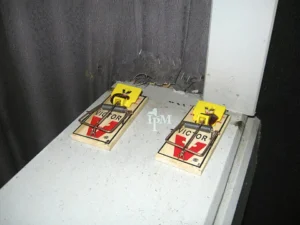
You can also set two traps side by side or back to back, so a rat coming from either direction meets a trigger.
Put them where you’ve seen droppings, chewed spots, or greasy rub marks along the wall. A trap in the middle of an open floor rarely works well.
Use several traps at once, spaced out along the rat’s path. One trap alone usually isn’t enough.
How Can You Tell Whether the Trap Worked?
Check from a short distance first, and put on thick gloves before you touch anything. If the rat is completely still and the trap is closed over it, it’s most likely done.
However, don’t assume. If you see any movement or breathing, treat the rat as alive and follow the steps in the next section.
If the trap has moved from where you set it, or it’s sprung with nothing in it, the rat may have gotten away. That’s one more reason to place traps well and check them often.
What to Do if You Find a Rat Still Alive in a Snap Trap
Nobody wants to deal with this, but it’s best to be ready. The most important thing is to act right away and not leave it.
Put on thick gloves, cover the trap with a towel, and slide it into a sturdy box or carrier with air holes. Keep it somewhere quiet and out of the sun.
Then call a vet or a pest control company and say it’s urgent. A vet can end the rat’s suffering quickly and painlessly, though not all vets take pest animals, so call ahead.
Don’t try to end it yourself at home. Methods that look simple are hard to do right, and a mistake only makes things worse for the rat.
If you can’t reach anyone, keep calling, and keep the box covered and quiet in the meantime.
Which Methods Should You Never Use on a Trapped Rat?
Don’t drown it. Pest control experts and scientists agree that drowning isn’t humane, and in some places it’s illegal.
Don’t freeze it, either. The cold is slow and stressful, and it isn’t the gentle end some people think it is.
Don’t leave it to die on its own, and don’t throw the trap away with the rat still alive. Either way, the rat suffers slowly where nobody can help.
Don’t hit it or try any other home method. They’re hard to get right, and a miss leaves the rat in more pain.
Don’t handle it with bare hands, and don’t ask kids to help or watch.
Can a Rat Escape From a Snap Trap?
Sometimes, yes. If the trap only catches the tip of a tail or a small part of the body, a rat can sometimes pull free.
A rat that gets loose may be hurt, and it will likely hide somewhere hard to reach. It may also be more wary of traps afterward.
If you find a sprung trap with fur on it but no rat, that’s probably what happened.
To lower the odds, use the right size trap, bait it lightly, and place it along the wall. A solid catch is much more likely when the trap is set up right.
Check Your Traps at Least Twice a Day
Check every trap at least twice a day, once in the morning and once in the evening. Animal welfare groups say to check any trap at least every 12 hours.
The sooner you find a rat that wasn’t a clean catch, the sooner you can get it help. Waiting only makes it worse for the animal.
Some places also have laws about how often you must check traps, so look up the rules where you live.
If you can’t check them that often, don’t set them. If you’re heading away for the weekend, wait until you’re back.
Set a reminder on your phone so you don’t forget, and pick times that fit your day, like when you wake up and right before bed.
Also keep the numbers for a local vet and a pest control company handy before you ever set a trap.
How Do Snap Traps Compare to Electronic and Live Traps?
Electronic traps are built to kill a rat swiftly with a quick shock. Researchers rate them, along with well-made snap traps, among the more humane choices.
They cost more and many need batteries, but they’re enclosed, so you have less contact with the rat, and it’s easier to keep kids and pets away from the trap.
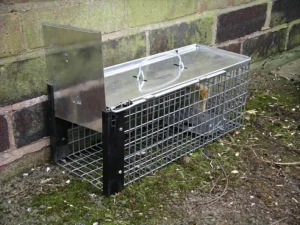
Live traps don’t kill, which means you have to deal with a live rat every time you catch one. Releasing it isn’t recommended, since relocated rats often don’t survive, so you’d need a vet or professional ready to help.
Glue traps are the worst of the bunch. Welfare groups strongly advise against them, and some places have banned them.
If you want the simplest, kindest route, a well-made snap trap or an electronic trap set up carefully is the way to go.
Keeping Kids, Pets, and Wildlife Safe Around Snap Traps
Snap traps can hurt curious fingers and paws, so keep them out of reach. Put them behind furniture, in a covered box with a small opening, or inside a tunnel made from sturdy material.
A covered box or tunnel also guides the rat toward the trigger. That helps with a good catch and keeps pets and wildlife out.
Set traps in the evening and check them in the morning, which keeps songbirds from getting caught. Stake or tie traps down so a rat can’t drag one away.
How Do You Stay Safe When You Handle Traps and Rats?
Rats can spread germs through bites, scratches, and contact with their urine, droppings, and saliva.
Salmonella is one of them (a stomach bug that causes cramps, diarrhea, and fever). Leptospirosis is another (a bacterial infection spread through the urine of infected animals).

Rat-bite fever is a third (an illness that can follow a bite or scratch). However, most people who follow basic safety steps stay healthy.
Wear thick gloves, keep your face away from the trap, and don’t touch your eyes, nose, or mouth until you’ve washed up with soap and warm water for at least 20 seconds.
If you get bitten or scratched, wash the spot with soap and warm water right away. Then call your doctor, since rat bites can get infected.
Also keep your fingers clear of the bar when you set a trap. A newer design with an easy-set feature makes this safer.
How to Clean Up and Throw Away the Rat and Trap Safely
Put on rubber, latex, or vinyl gloves, then spray the rat, the trap, and the area around it with a bleach mix made from 1.5 cups of bleach in a gallon of water. Mix it fresh each time.
Let it soak for about five minutes. Then wipe everything up with paper towels, and don’t sweep or vacuum, since that can kick germs into the air.
Put the rat and the used towels in a plastic bag and tie it shut, then put that inside a second bag before it goes in your outdoor trash.
Check your local rules, since some areas have special rules for pest animals.
Wash the trap with hot, soapy water and disinfect it before you use it again. Throw it away if it’s damaged or the spring seems weak.
Finish by washing your hands well, even if you wore gloves the whole time.
How to Keep Rats From Coming Back
Traps only deal with the rats you already have. To stop new ones, you need to close up their way in.
Seal any crack or gap bigger than a quarter inch around your home. Steel wool, metal mesh (called hardware cloth), and caulk all work well.

Check where pipes and wires enter the house, and look around vents, doors, and the foundation.
Then take away what attracts them. Store pet food and bird seed in sealed containers, use trash cans with tight lids, and clear up fallen fruit.
Also move wood piles away from the house and fix leaking pipes or taps, because rats need water as much as food.
When Is It Time to Call a Pest Control Company?
Call a professional if you keep seeing rats after a week or two of trapping. It’s also time if you hear scratching in the walls or attic.
The same goes for droppings in several rooms, or if you can’t find how they’re getting in, since a pro can track down entry points you’d likely miss.
You can also call one if you just don’t want to deal with traps, and there’s no shame in that.
Many companies do an inspection first, then give you a plan and a price. Ask what methods they use, and ask about humane options.
Conclusion
A rat caught the right way in a good snap trap usually dies within seconds. When the trap catches it the wrong way, it can take much longer, and there’s no exact number of minutes.
The best thing you can do is set traps so they work the first time. Use a rat-size trap, a pea-sized bit of bait, and place it along a wall with the trigger end next to it.
Check your traps at least twice a day, and keep the numbers for a vet and a pest control company handy. If you find a rat still alive, cover the trap and call for help right away.
Finally, seal the entry points and remove food and water, so you won’t need traps as often.

Hi, my name is Ezra Mushala, i have been interested animals all my life. I am the main author and editor here at snakeinformer.com.