
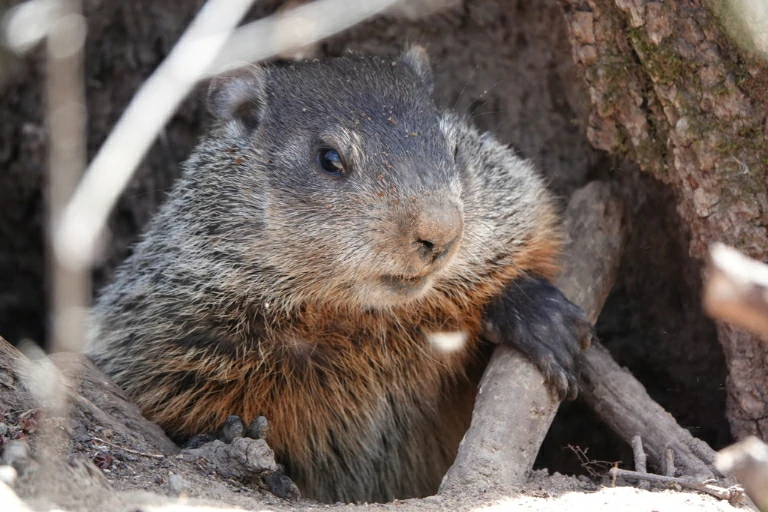
Groundhogs digging up your yard can be just as frustrating as having rats in your home, and you might be wondering if you can use the same traps for both problems.
Rat traps are cheap, easy to find, and you might already have some sitting around. But groundhogs are much bigger than rats, which raises an important question. Will a rat trap kill a groundhog?
No, a standard rat trap won’t kill a groundhog. Groundhogs weigh 5 to 14 pounds while rats weigh less than a pound, so rat traps don’t have enough power to kill a groundhog. At most, a rat trap might injure a groundhog’s paw, causing pain and suffering without actually solving your problem.
Rat traps are designed for animals that weigh a few ounces, not several pounds.
Using the wrong size trap is inhumane and ineffective, and can lead to injured animals that are now scared of traps in general.
The Size Difference Between Rats and Groundhogs
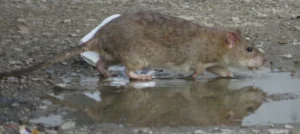
A typical brown rat weighs between 7 and 18 ounces when fully grown. That’s less than a pound and a half, even for the biggest rats you’ll come across in most areas.
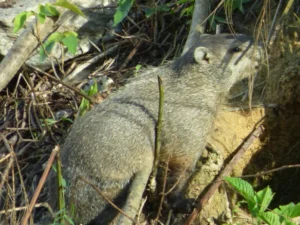
Groundhogs are way bigger. An adult groundhog usually weighs between 5 and 14 pounds, with some getting even larger. That’s roughly 10 to 20 times heavier than a rat.
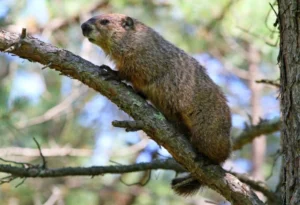
This massive size difference means the force needed to kill a groundhog is much, much greater than what’s needed for a rat.
A rat trap’s spring just isn’t strong enough to do the job.
How Rat Traps Are Designed to Work
Rat traps (the snap kind) work by using a spring-loaded metal bar that snaps down when the trigger is touched.
The bar is meant to come down on a rat’s neck or head with enough force to break the neck or crush the skull instantly.
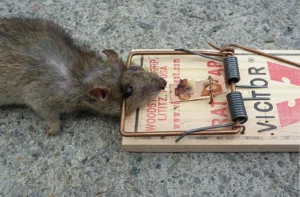
For a rat, this happens in a fraction of a second. The animal doesn’t have time to feel pain because death is basically instant when the trap works correctly.
The spring tension in a rat trap is calibrated specifically for animals in that weight range. It’s strong enough to kill a rat but not so strong that it’s dangerous to use around your home.
What Happens When a Groundhog Steps on a Rat Trap?
If a groundhog steps on or investigates a rat trap, the trap will go off just like it would for any animal. But instead of killing the groundhog, it’ll most likely just smack its paw or nose.
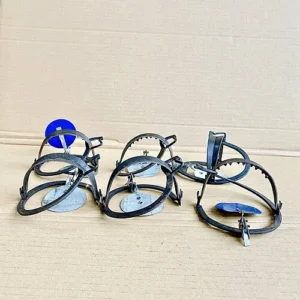
This will definitely hurt and might cause some bleeding or bruising. The groundhog will probably run away, scared and in pain. But it’ll survive the encounter.
Now you’ve got an injured groundhog that’s learned to avoid traps. This makes it much harder to catch later with the proper equipment because it’s now trap-shy.
The Right Size Trap for Groundhogs
If you want to trap a groundhog, you need a trap that’s specifically made for animals their size. Body-gripping traps (sometimes called Conibear traps) in the 220 or 330 size are designed for groundhogs and similar animals.
These traps have much stronger springs and a larger kill zone. When they work correctly, they kill quickly by crushing the chest or neck area.
Live cage traps are another option. These are large wire cages (usually 32 inches long or bigger) that capture the groundhog alive so you can relocate it or call animal control.
Why Using the Wrong Trap Is a Bad Idea
Using a trap that’s too small for your target animal is considered inhumane. You’re not solving your problem, and you’re causing unnecessary pain to an animal that’s just trying to survive.
In many states, causing unnecessary suffering to wildlife is actually illegal. You can get fined or face other penalties if you’re caught using inappropriate trapping methods.
It’s also just a waste of your time and money. The groundhog won’t be caught or killed, but your trap might be damaged or set off repeatedly, and you’ll still have a groundhog problem.
Can Multiple Rat Traps Work Together?
Some people wonder if they could set up several rat traps around a groundhog burrow entrance and catch it that way. This won’t work either.
Even if multiple rat traps all went off at once, they still wouldn’t have enough combined force to kill a groundhog. The animal might get smacked by several bars, but it would just be more painful without being lethal.
Plus, groundhogs are smart enough to learn from close calls. After getting hit once or twice, the groundhog will avoid that area or approach it much more carefully.
What About Glue Traps for Groundhogs
Glue traps designed for rats are way too small for groundhogs. A groundhog would either avoid them completely or just walk right over them without getting stuck.
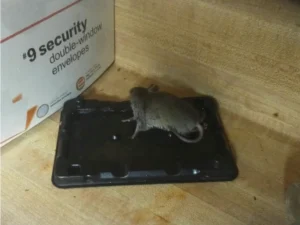
There are larger glue boards made for bigger animals, but these are extremely inhumane for creatures the size of groundhogs.
The animal would suffer for hours or days before dying from stress, dehydration, or injury.
Most wildlife experts and animal welfare groups strongly recommend against using glue traps for any animal, but especially for larger ones like groundhogs.
Live Trapping vs. Lethal Trapping for Groundhogs
Live cage traps are often the better choice for homeowners dealing with groundhogs. You set the trap with bait (groundhogs love fresh vegetables like lettuce, apples, or carrots), and when the groundhog enters, a door closes behind it.
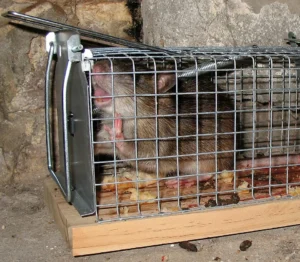
Then you can relocate the groundhog to a rural area far from homes, or you can call your local animal control to pick it up.
This method doesn’t require killing the animal and doesn’t risk injuring it with an undersized trap.
Lethal traps like body-gripping traps work faster but require more knowledge to set safely and legally.
Many areas have regulations about what size traps you can use and where you can place them.
Legal Concerns About Trapping Groundhogs
Before you set any trap for a groundhog, check your local and state laws. Some places require you to have a permit or license to trap certain wildlife, even on your own property.
There are also often rules about what you can do with a trapped groundhog.
In some areas, it’s illegal to relocate them because they might spread diseases to new areas or mess up local ecosystems.
Violating wildlife trapping laws can result in pretty hefty fines. It’s worth spending a few minutes researching your local regulations before you buy or set any traps.
The Risks of Catching the Wrong Animal
When you set traps outside for groundhogs, you might catch other animals by accident. Cats, raccoons, opossums, and even small dogs can trigger traps if they’re not careful.
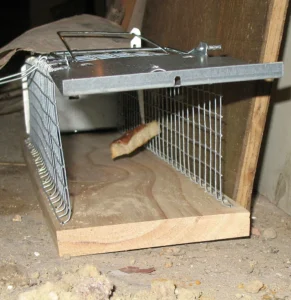
With a rat trap, this probably won’t kill these other animals either, but it could injure them. A neighborhood cat that steps on a rat trap will get hurt and might need veterinary care.
This is another reason to use the right size and type of trap for your target animal. Proper traps can be set in ways that minimize the chances of catching non-target animals.
How to Tell If You Need Professional Help
If you’re not comfortable or experienced with trapping, it’s often better to call a professional wildlife removal service.
They know exactly what traps to use, how to set them legally and safely, and what to do with caught animals.
Professional trappers also carry insurance in case something goes wrong. If you accidentally injure someone’s pet or damage property while trying to trap a groundhog yourself, you could be held responsible.
The cost of hiring a pro is usually worth it when you consider the time, effort, and potential legal issues involved in doing it yourself.
Prevention Methods Instead of Trapping
Sometimes the best solution isn’t trapping at all. You can make your property less attractive to groundhogs by removing their food sources and blocking access to shelter.
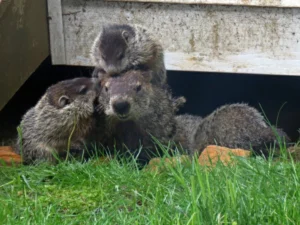
Groundhogs love vegetable gardens, so fencing these areas with wire mesh buried at least a foot underground can keep them out. They’re good diggers, so the fence needs to go deep.
You can also fill in their burrows after making sure they’re empty (check during the day when groundhogs are usually out). T
hen cover the area with heavy rocks or other materials they can’t dig through easily.
Understanding Groundhog Behavior
Groundhogs are most active during early morning and late afternoon. They spend the middle of the day in their burrows, which can be pretty extensive with multiple entrances.
They’re herbivores and mainly eat grasses, clover, and garden vegetables. They don’t come inside homes like rats do, so your problem is probably limited to your yard and garden areas.
Knowing their habits helps you figure out the best approach to deal with them. If they’re just passing through, they might move on their own. If they’ve set up a burrow, you’ll need to take more direct action.
Why Groundhogs Aren’t Like Rats
Even though both can be pests, groundhogs and rats are very different animals that need different solutions. Rats are inside pests that contaminate food and spread disease. Groundhogs are outside pests that damage gardens and dig holes.
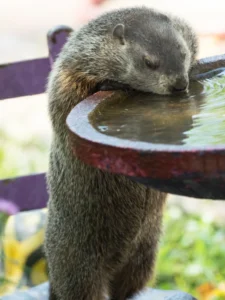
Rats breed quickly and can have several litters a year, creating populations that grow fast. Groundhogs usually only have one litter per year and move around more, so the problem is usually just one or two animals.
This means your approach should be totally different. What works for rats won’t work for groundhogs, and trying to use rat control methods will just frustrate you and possibly hurt animals unnecessarily.
Conclusion
A standard rat trap won’t kill a groundhog because the size and power difference is just too great. Rat traps are designed for animals under a pound, while groundhogs can weigh up to 14 pounds or more.
At most, you’ll injure the groundhog and make it afraid of traps, which actually makes your problem harder to solve.
If you need to trap a groundhog, use equipment that’s actually designed for animals their size. Body-gripping traps in the 220 or 330 size, or large live cage traps are your best options.
Better yet, consider prevention methods or calling a professional wildlife removal service that knows exactly how to handle these situations safely and legally.
Using the right tool for the job isn’t just more effective, it’s also more humane and keeps you from running into legal problems with wildlife regulations in your area.

Hi, my name is Ezra Mushala, i have been interested animals all my life. I am the main author and editor here at snakeinformer.com.