
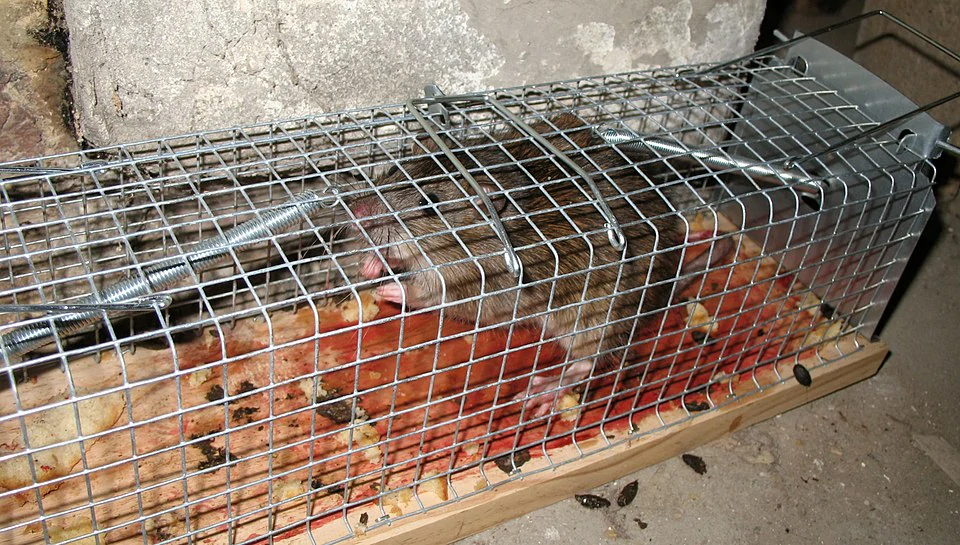
When you set a cage trap to catch rats, you expect it to hold them securely until you can deal with them. But rats are smart, strong, and surprisingly capable escape artists.
If you’ve ever worried about whether your trapped rat might get out, you’re not alone. Can a rat escape a cage trap?
Yes, rats can escape cage traps if the trap is damaged, poorly designed, or not set correctly. Rats can chew through weak materials, squeeze through gaps in the wire mesh, or push open doors that don’t latch properly. However, a good quality cage trap with solid construction and a secure locking mechanism will hold rats reliably.
The key is using the right trap and making sure it’s in good condition. Let’s look at all the ways rats can escape and how to prevent it.
How Rats Use Their Teeth to Escape
Rats have incredibly strong teeth that grow continuously throughout their lives. They need to chew constantly to keep their teeth worn down to a manageable length.
Their front incisors can bite through wood, plastic, aluminum, and even some types of soft metal. The pressure they can generate with their jaws is impressive for such a small animal.
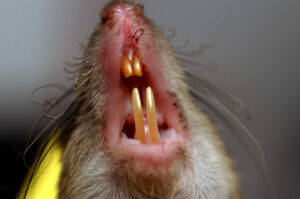
If your cage trap is made from thin plastic or soft wood, a determined rat can chew its way out given enough time. They’ll work at weak points like corners or seams where the material is thinner.
Wire mesh cages are harder to chew through, but rats can still work at the welds or joints where wires meet. If these connections are weak, they can separate the wires and create an opening.
This is why checking your trap regularly is so important. A rat left in a trap for many hours will have time to test every part of the structure and find any weakness.
Squeezing Through Small Gaps
Rats can compress their bodies and squeeze through openings that look impossibly small. If they can fit their head through, they can usually get their whole body through.
Adult rats can squeeze through holes as small as a quarter (about 1 inch in diameter). Young rats can fit through even smaller spaces.

The wire spacing on your cage trap matters a lot. If the gaps between wires are more than about half an inch, small rats or young rats might be able to squeeze through.
Check your trap for any bent or damaged wires that create larger gaps. Even if the trap was fine when you bought it, repeated use can bend wires out of shape.
Pay special attention to corners and door edges. These are common spots where gaps open up over time as the trap gets used and stressed.
Problems with Door Latches
The door latch is the most common failure point on cage traps. If the door doesn’t latch securely after closing, a rat can push it open from inside.
Simple gravity latches rely on the weight of the door to keep it closed. These work fine if the trap is sitting perfectly level, but if it gets bumped or tilted, the door can pop open.
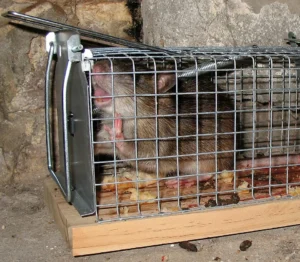
Rats will push and test the door repeatedly. They’re smart enough to realize that the door is their way out, and they’ll work at it until they find a weakness.
Some cheaper traps have flimsy latches made from thin wire or plastic. These can bend or break under pressure from a rat pushing against them.
The best traps have positive locking mechanisms that require you to manually release them. These can’t be pushed open from inside no matter how hard the rat tries.
Wear and Tear That Creates Escape Routes
Even good quality traps degrade over time. Metal can rust, especially if you’re using the trap outdoors or in damp areas like basements.
Rust weakens the metal and makes it easier for rats to chew through or break. It also causes moving parts like hinges and latches to seize up or work improperly.
Wire mesh can fatigue from repeated stress. Wires that get bent back and forth multiple times eventually weaken and can break.
Welds and solder joints can fail, especially on cheaper traps. These are the points where wires are joined together, and they’re often the weakest spots.
Springs lose tension after many uses. When the door spring weakens, the door might not close completely or might bounce back open after closing.
The Importance of Trap Quality
Not all cage traps are created equal. Cheap traps from discount stores often have thinner wire, weaker springs, and poorly designed latches.
These budget options might work fine for catching one or two rats, but they’re more likely to fail if you’re dealing with larger, stronger rats or if you need to use the trap repeatedly.
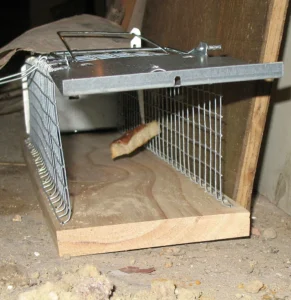
Professional-grade traps cost more upfront but are built to last. They use heavier gauge wire, stronger springs, and more secure locking mechanisms.
The wire mesh should be made from galvanized or stainless steel to resist rust. The wire spacing should be tight enough that even young rats can’t squeeze through.
Look for traps with welded wire construction rather than woven mesh. Welds create a more rigid structure that’s harder to deform.
What Happens If You Don’t Check the Trap Often
Time is a rat’s best friend when it’s trapped. The longer it sits in the cage, the more opportunity it has to find a weakness and exploit it.
In the first hour or two after being caught, most rats will panic and try to escape frantically. After that, they might calm down and start working more methodically.
They’ll test every part of the cage, chewing here, pushing there, looking for any give in the structure. Given 12 or 24 hours, even a well-made trap can be compromised.
Dehydration and hunger also make rats more desperate. A desperate rat will work harder and take more risks to escape, including chewing until its teeth are damaged.
This is why checking traps at least once or twice a day is critical. The sooner you deal with a caught rat, the less chance it has to escape.
Design Flaws That Rats Can Exploit
Some cage traps have design problems that make escape easier. Two-way traps (with doors at both ends) are more prone to failure because there are two mechanisms that can malfunction.
Traps with doors that slide up and down rather than swinging on hinges can sometimes be pushed up from below if the latch isn’t strong enough.
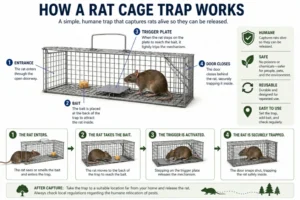
Trigger plates that don’t span the full width of the cage allow rats to squeeze along the sides without stepping on the trigger. This means they might not be positioned correctly when the door closes, giving them a chance to escape before it latches.
Some traps have doors that are too large or too heavy for the spring to close completely. The door swings partway shut but doesn’t latch, leaving a gap the rat can exploit.
Bait hooks or attachment points inside the cage can create protrusions that rats use as leverage to push against the door or walls. Smooth interiors are harder to work against.
How Smart Rats Learn to Avoid Triggers
Experienced rats that have escaped a trap before (or watched another rat escape) can become trap-shy. They learn to recognize the trap and either avoid it entirely or approach it with extreme caution.
Some rats figure out that stepping on the trigger plate is what closes the door. They learn to distribute their weight carefully or reach for the bait without fully entering.
These smart rats might paw at the bait from outside the trap, trying to pull it through the wire mesh. If the bait isn’t secured properly, they can succeed without ever going inside.
In some cases, rats learn to dash in and out quickly, grabbing bait and exiting before the door has time to close completely. This works if the spring is slow or weak.
Environmental Factors That Aid Escapes
If you place a cage trap on an uneven surface, it might not sit level. This can prevent the door from latching properly even if it closes.
Dirt, leaves, or debris can block the door’s path or interfere with the latch mechanism. Always place traps on clean, flat surfaces.

Temperature extremes can affect how traps work. Cold weather can make metal contract, which might create gaps in the mesh or cause latches to stick.
Moisture and humidity promote rust, which weakens metal over time. Traps used outdoors need to be checked more frequently for damage.
Wind can blow debris into the trap or cause vibrations that work a loose latch open. Sheltered locations are better for cage traps if you’re using them outside.
Preventing Escapes with Proper Setup
Inspect your trap before each use. Check for rust, bent wires, damaged latches, and worn springs. Replace or repair any damaged parts.
Test the mechanism before setting the trap. Make sure the door closes completely and latches securely. Give it a shake to see if the latch holds.
Place the trap on a flat, stable surface. This ensures the door can close and latch properly without being thrown off by an uneven base.
Use strong bait attachment methods. Secure food to the bait hook with wire if necessary, or use bait that’s naturally sticky like peanut butter.
Position the trap so rats enter from the side you expect. If they can approach from an unexpected angle, they might not trigger the plate properly.
What to Do If a Rat Does Escape
If you find your trap sprung but empty with clear signs a rat was inside (droppings, urine, chewed wire), examine the trap carefully.
Look for the escape route. There will be evidence like fresh chew marks, bent wires, or a loose latch that shows you how the rat got out.

Repair the damage before using the trap again. You might need to replace the entire trap if the damage is extensive.
That rat is now trap-educated and will be much harder to catch again. You’ll need to use different methods or wait several weeks before trying the same approach.
Consider upgrading to a better quality trap if your current one failed. The cost of a good trap is less than the ongoing cost of dealing with rats that keep escaping.
Signs a Rat Is Testing the Cage
If you check your trap and find it moved from where you placed it, a rat has been pushing against it from inside.
Fresh scratch marks on the inside of the cage, especially around the door, show where the rat has been testing for weakness.
Bent or deformed wire mesh indicates a rat has been putting significant pressure on that spot, either pushing or chewing.
Missing or moved bait with the trap still set means a rat figured out how to steal the food without triggering the door. This is a sign you need to relocate the bait farther back or secure it better.
If the door is partially open or the latch is disengaged but not fully open, the rat came very close to escaping and might succeed next time.
Using Backup Security Measures
Some people place cage traps inside larger containers or boxes to provide a second layer of security. If the rat escapes the cage, it’s still contained.
You can secure the trap door with a zip tie or wire after a rat is caught. This prevents the rat from pushing the door open even if the latch fails.

Placing the trap inside a trap box (a protective housing) makes it harder for rats to access weak points from the outside. It also prevents them from getting leverage to tip the trap over.
Some trappers use two traps in tandem, positioned so a rat that escapes one immediately enters the other. This is overkill for most situations but works for very smart rats.
When to Upgrade Your Trap
If rats are escaping regularly, your trap isn’t adequate for the job. Don’t keep using equipment that doesn’t work.
Signs you need a better trap include: frequent escapes, visible damage after each use, doors that don’t latch reliably, or wire spacing that’s too wide.
Look for traps specifically rated for the size of rat you’re dealing with. Norway rats (the most common type) are large and need heavy-duty traps.
Professional pest control supply stores sell higher quality traps than what’s typically available at hardware stores. These cost more but work much better.
Consider switching trap types entirely if cage traps aren’t working for you. Electronic traps or well-made snap traps might be more effective in your situation.
How Trap Placement Affects Security
Placing a trap against a wall provides stability. The wall supports one side and prevents the rat from tipping the trap over.
Avoid placing traps where they can be knocked over easily. If a trap tips on its side, the door might not latch properly or might swing open.
Indoor placement is generally more secure than outdoor use. Outdoors, traps face weather, temperature swings, and more potential for disturbance.
Keep traps away from areas where pets or children might interfere with them. Disturbance increases the chances of accidental openings or damage.
Conclusion
Rats can escape cage traps if the trap is low quality, damaged, or not properly set. They’ll chew through weak materials, squeeze through gaps in the wire mesh, or push open poorly latched doors given enough time.
However, a well-made cage trap with tight wire spacing, a strong spring, and a secure locking mechanism will hold rats successfully.
The key to preventing escapes is using quality equipment, inspecting it regularly for damage, and checking caught rats quickly so they don’t have time to find weaknesses.
Place traps on stable, level surfaces and make sure doors latch completely when they close.
If you’re experiencing frequent escapes, upgrade to a better trap rather than continuing to fight with inadequate equipment.
The right cage trap, properly maintained and correctly used, will catch and hold rats reliably without giving them opportunities to escape.

Hi, my name is Ezra Mushala, i have been interested animals all my life. I am the main author and editor here at snakeinformer.com.