

Extractor fans (also called exhaust fans or vent fans) are installed in kitchens and bathrooms to remove moisture, odors, and steam from your home. They vent directly to the outside through ductwork, which makes them really useful for preventing mold and keeping your home comfortable.
But this direct connection to the outdoors can create a problem. If you’ve noticed signs of mice in rooms with extractor fans, you might be wondering if these ventilation systems are giving rodents a way inside. Can mice come through extractor fans?
Yes, mice can definitely come through extractor fans. If the exterior vent cover is damaged, missing, or doesn’t have a working damper, mice can climb into the ductwork from outside and travel through to your kitchen or bathroom. They can also access the ductwork from inside your attic or wall cavities if those areas aren’t sealed properly.
Extractor fans are actually a pretty common entry point for mice, especially in older homes where vent covers have deteriorated or in new construction where the vents weren’t installed with pest prevention in mind.
How Extractor Fans Create Entry Points
Extractor fans have ductwork that runs from the fan unit in your ceiling or wall to a vent cap on your home’s exterior. This creates a direct pathway from outside to inside.
Many exterior vent covers have louvers or flaps that are supposed to close when the fan isn’t running. Over time, these can break, get stuck open, or deteriorate from weather exposure.
The ductwork itself often has joints where sections connect. If these joints aren’t sealed properly, mice can access the duct from your attic or wall cavity.
Some vent installations don’t actually go all the way outside. They terminate in attics or crawl spaces, which gives mice easy access if they’re already in those areas.
The mounting of the fan unit itself can create gaps. Where the fan housing meets the ceiling or wall, there might be openings that connect to the wall cavity or attic space.
Why Are Mice Drawn to Extractor Fan Routes?
From the outside, vent covers often have openings that mice can easily climb into. The covers are typically mounted on exterior walls at various heights, but mice are good climbers.
The ductwork provides a protected pathway. Once inside the duct, mice are sheltered from weather and predators while they explore toward your home’s interior.

Kitchen extractor fans are especially attractive because they vent cooking odors. Mice have a really strong sense of smell, and food odors act like a beacon drawing them toward your kitchen.
The warmth and moisture from bathroom fans also attract mice. The warm, humid air flowing through the duct tells mice there’s a comfortable environment at the other end.
During cold weather, any warmth radiating from the ductwork makes it even more attractive. Mice are actively looking for warm places to shelter when temperatures drop.
How Mice Actually Get Through Extractor Fans
From outside, mice will investigate vent covers looking for ways in. If the damper flap is broken or stuck open, they can easily crawl through.
Once in the ductwork, mice will travel toward the interior. Ductwork is usually smooth metal or plastic, so mice can move through it pretty easily.
When they reach the fan unit, they can often squeeze around it or through gaps where it’s mounted. Many fan units don’t create a perfect seal with the ceiling or wall.
If the mice can’t get past the fan itself, they might chew through flexible ductwork or escape through gaps in the duct joints into your attic or wall cavities.
From the attic or wall cavity, they can find other ways into your living space through gaps around pipes, wires, or cracks in the walls.
Signs That Mice Are Using Your Extractor Fans
Hearing scratching or scurrying sounds from the fan area, especially when it’s not running, is a strong indicator. These sounds might be in the ceiling where the ductwork runs.
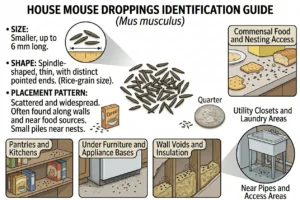
Finding droppings on the fan cover, in the fan housing (if you remove the cover to check), or on counters or surfaces near the fan means mice are definitely in that area.
A stronger than usual musty or urine smell when you run the fan suggests mice have been in the ductwork. The fan blows these odors into your room.
If your fan isn’t working as well as it used to, mice might have nested in the ductwork or fan housing. Nesting material blocks airflow and reduces the fan’s effectiveness.
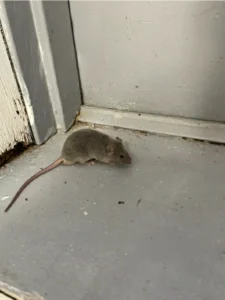
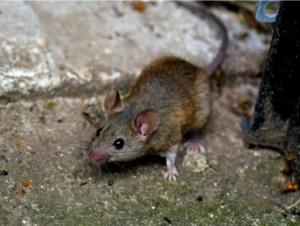
Seeing an actual mouse near the fan or noticing that mice seem to appear in rooms with extractor fans (but not other rooms) is pretty clear evidence.
Grease marks or rub marks on the wall around the fan opening show where mice are regularly traveling in and out.
How to Check Your Exterior Vent Covers
Start by going outside and locating all your extractor fan vent covers. You might have more than you think (kitchen, bathrooms, laundry room).
Use a ladder to get close enough to inspect each vent cover carefully. Look for damage, rust, or any openings that mice could fit through.
Check if the damper flap (the part that’s supposed to close when the fan isn’t running) actually works. Gently push on it from outside to see if it opens and closes freely.
Look for gaps between the vent cover and the wall or siding. Even if the cover itself is intact, gaps around it can let mice access the ductwork.
Check for signs of mouse activity around the vents. Look for droppings, grease marks, or scratches in the paint or siding near the opening.
If the vent cover is damaged or the damper doesn’t work, it needs to be replaced. Don’t put this off because every day that vent is compromised, mice can get in.
How to Seal and Secure Exterior Vent Covers
Replace any damaged vent covers with new ones that have working damper flaps. Choose covers specifically designed to keep pests out while allowing proper ventilation.
Make sure the new cover is the right size for your ductwork. It should fit snugly with no gaps around the edges where it mounts to the wall.
Use exterior-grade caulk to seal around the perimeter of the vent cover. This prevents mice from squeezing through gaps between the cover and your home’s exterior.
Consider installing vent covers with built-in screens or mesh behind the damper flap. This adds an extra layer of protection against mice.
For vent covers that are frequently damaged or in areas where you keep finding problems, you might want to install protective cages or guards over them. These are metal frames that keep larger animals away while allowing the vent to function.
Test the damper flap after installation. Turn on the fan and make sure the flap opens fully, then turn it off and verify the flap closes completely.
How to Inspect and Seal Interior Ductwork
Turn off power to the fan at the breaker box before doing any interior work. You don’t want the fan turning on while you’re inspecting or sealing around it.
Remove the fan cover in your kitchen or bathroom. This usually involves removing screws or clips that hold the decorative grille in place.
Look inside the fan housing for any signs of mice, droppings, nesting material, or damage. Use a flashlight to see clearly.
Check where the ductwork connects to the fan housing. Look for gaps or loose connections that mice could squeeze through.
If you can access your attic, follow the ductwork from the fan to the exterior vent. Look for gaps at joints, holes in the duct itself, or areas where the duct isn’t properly connected.
Seal any gaps you find in the ductwork using metal foil tape (not regular duct tape, which doesn’t last). For larger holes, you might need to patch with metal or replace damaged sections.
Where the fan housing meets the ceiling or wall, seal any gaps with fire-rated caulk. Make sure you’re not blocking the fan’s airflow, just sealing the gaps around the perimeter.
What to Do If Mice Are Already in Your Ductwork
If you hear mice in your extractor fan or ductwork, don’t turn on the fan. This can stress the mice and cause them to panic, potentially chewing through ductwork or dying in the system.
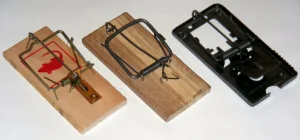
Set snap traps in your attic or wherever you can access the ductwork. Place them along the duct route where you’ve heard sounds or seen signs.
If you can’t access the area where mice are, you might need to hire pest control professionals. They have tools and methods for dealing with mice in hard-to-reach places.
Don’t use poison for mice that are in your ductwork. If they die in there, the smell will be horrible and will be blown into your room every time you use the fan.
After you’ve caught any mice, clean the ductwork if possible. You might need to have it professionally cleaned, especially if there’s a lot of contamination.
Replace insulation around the ductwork if it’s been damaged or contaminated by mice. Mice often pull insulation apart for nesting material.
Which Vent Covers Offer Better Protection Against Mice?
Consider replacing standard vent covers with models specifically designed to prevent pest entry. These are often called “pest-proof” or “rodent-proof” vent covers.
Look for covers with multiple layers of protection: a damper flap plus a mesh screen behind it. This redundancy makes it much harder for mice to get through.
Spring-loaded damper covers close more reliably than simple gravity-operated ones. They seal tighter and are less likely to get stuck open.
Some higher-end vent covers have sealed bearings and better materials that resist corrosion and damage. These last longer and maintain their effectiveness better.
Wall-mounted vents are generally easier to protect than roof-mounted ones. If you’re doing a major renovation, consider relocating roof vents to walls where they’re more accessible for maintenance.
When Does Damaged Ductwork Need Professional Attention?
If your ductwork is really old, flexible plastic, or has multiple sections of damage, it might need to be replaced entirely. This is a job for an HVAC professional.
When you find mice have chewed through metal ductwork, this indicates a serious infestation. Mice prefer to chew softer materials, so if they’re going through metal, they’re desperate or there are a lot of them.

If ductwork runs through areas you can’t access (sealed walls, concrete ceilings), professional help is needed to inspect and seal it properly.
When your extractor fan isn’t vented to the exterior at all (it just blows into your attic), you need an HVAC contractor to properly extend the ductwork outside. This is also important for moisture control, not just mice.
If you keep finding mice coming through the fan despite your sealing efforts, a professional pest control inspection can identify issues you might have missed.
How to Maintain Extractor Fans to Keep Mice Out
Check your exterior vent covers seasonally. Spring and fall inspections will catch problems before they become serious.
Clean the vent covers and damper flaps at least once a year. Built-up lint, grease, or debris can prevent dampers from closing properly.
Test your extractor fans regularly to make sure they’re working. If a fan isn’t working, you might not realize the damper is stuck open or that there’s a problem with the ductwork.
Keep trees and vegetation trimmed away from vent covers. Overhanging branches make it easier for mice to access wall-mounted vents.
Replace vent covers before they fail completely. If you notice rust, cracks, or a damper that’s getting sticky, replace the cover now rather than waiting for it to break.
What Other Vents Should You Check for Mice?
While you’re inspecting extractor fans, check other vents too. Dryer vents are another common entry point for mice and have similar vulnerabilities.
Foundation vents (if your home has a crawl space) should have screens in good condition. These are often forgotten but are at ground level where mice easily access them.
Attic vents, including ridge vents, soffit vents, and gable vents, should all have proper screening. Mice can climb to reach these, and they provide direct access to your attic.
Range hood vents (if different from your kitchen extractor fan) need the same attention. They vent cooking odors, which are really attractive to mice.
Conclusion
Extractor fans can definitely allow mice to enter your home if the exterior vents aren’t properly maintained or if the ductwork has gaps and holes. The direct connection from outside to inside makes them vulnerable entry points.
Regular inspection and maintenance of both the exterior vent covers and the interior ductwork are essential. Check them at least twice a year and address any problems immediately.
Upgrading to better quality, pest-proof vent covers is a worthwhile investment. Spending a bit more on good vent covers now can save you from dealing with a mouse infestation later.
Remember that mice in your ventilation system aren’t just unpleasant; they can also pose health risks and potentially damage your ductwork. Taking the time to properly seal and maintain your extractor fans is an important part of keeping your home mouse-free.

Hi, my name is Ezra Mushala, i have been interested animals all my life. I am the main author and editor here at snakeinformer.com.