
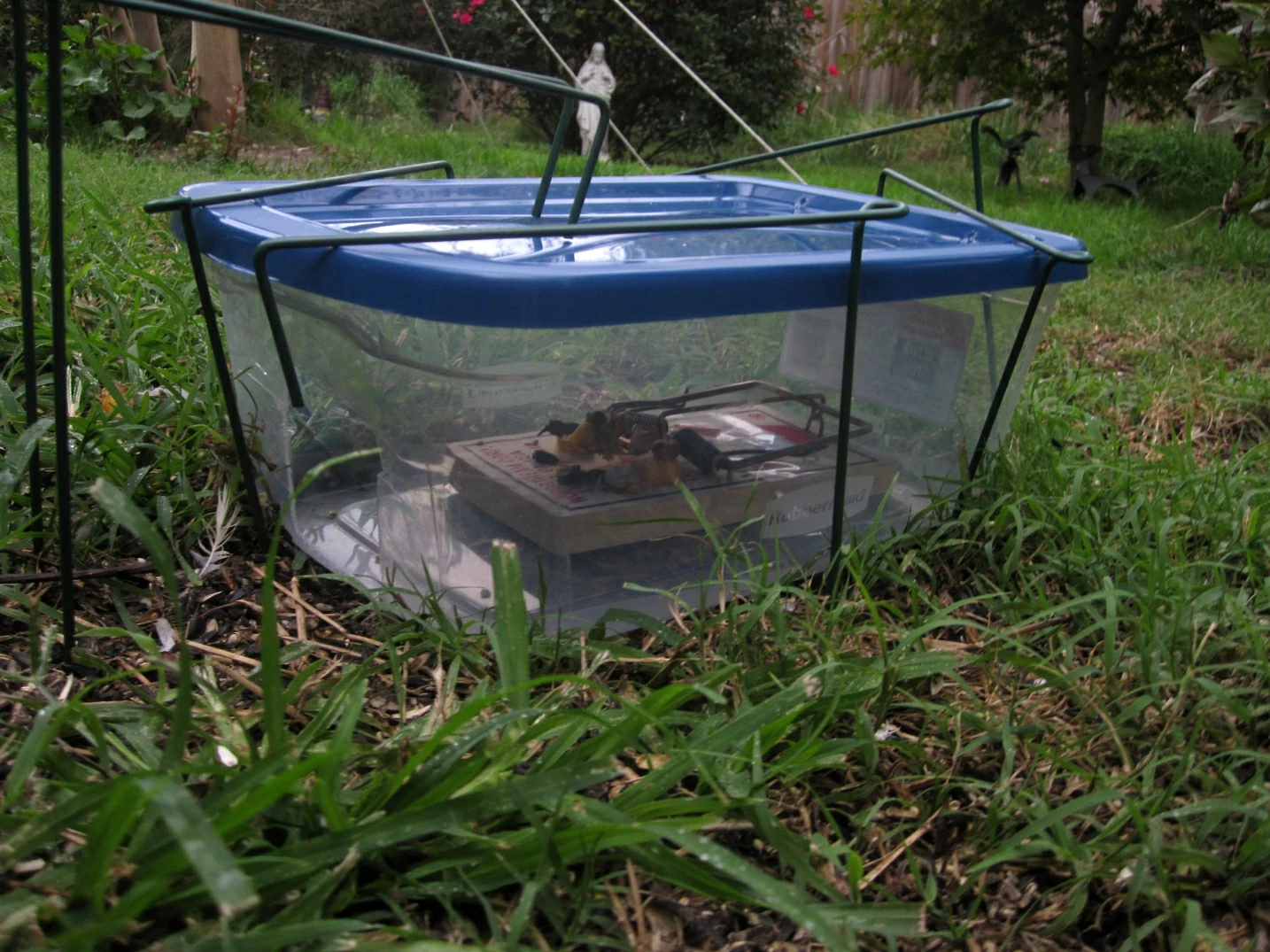
You set a rat trap yesterday, and this morning you found it sprung with a dead rat caught in it. You’ve removed the rat and cleaned the trap, and now you’re looking at it wondering if you can set it again.
Or maybe the trap went off without catching anything, and you want to give it another try. Either way, you need to know if the trap can be reset.
Snap traps are designed with spring mechanisms that release with a lot of force. After they’ve been triggered, can they be set up to work again? Can you reset a rat trap?
Yes, you can reset a rat trap. Snap traps are designed to be reset and reused multiple times. After the trap springs, you simply pull the bar back, secure it with the catch mechanism, add fresh bait, and the trap is ready to use again. As long as the spring and trigger mechanism aren’t damaged, you can reset the trap as many times as needed.
Resetting a trap is part of normal use. Most people dealing with rat problems will reset the same traps over and over until all the rats are caught.
The process is simple once you understand how the mechanism works, though you need to be careful to avoid getting your fingers caught.
How the Reset Mechanism Works
Rat snap traps have a spring-loaded bar that snaps down when triggered. This bar is held back by a small catch mechanism that releases when pressure is applied to the trigger plate.
To reset the trap, you need to pull the bar back against the tension of the spring and hook it into the catch. The catch holds the bar in place until the trap is triggered again.
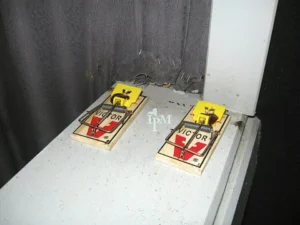
Different trap designs have slightly different mechanisms, but they all work on the same basic principle. There’s a bar, a spring, a trigger, and a catch. Once you understand how these parts work together, resetting becomes straightforward.
The catch is usually a small piece of metal that the bar hooks onto. When the trigger plate is pressed, it moves the catch just enough to release the bar. Resetting means getting the bar back into position and hooking it onto the catch again.
Step-by-Step Guide to Resetting a Snap Trap
The first step is to make sure the trap is clean and the dead rat has been removed. You can’t reset a trap with an animal still in it, and you don’t want to touch a dirty trap with your bare hands.
Hold the trap firmly with one hand on the wooden or plastic base. Make sure your fingers aren’t anywhere near where the bar will swing.
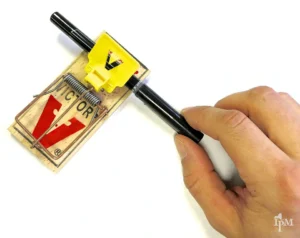
With your other hand, grab the bar and pull it back toward the base of the trap. You’re working against the spring tension, so you’ll need to use some force. Pull slowly and steadily rather than yanking it.
As you pull the bar back, you’ll see the small metal catch. Position the bar so it hooks onto this catch. There’s usually a small notch or groove where the bar fits. When the bar is properly hooked, you’ll feel it lock into place.
Set the trigger mechanism. This usually involves positioning a small metal rod or plate so it holds the catch in place. When this trigger is disturbed, it releases the catch, which releases the bar.
The trigger is the most delicate part. It needs to be balanced just right so the trap doesn’t go off accidentally, but also so it triggers when a rat steps on it. Most traps have a small wire or rod that holds everything in place. Position it carefully.
Safety Precautions When Resetting
Resetting a rat trap can be dangerous if you’re not careful. The spring has enough force to break a finger or cause serious bruising. Taking safety precautions is important.
Never put your fingers in the path of the bar. When the trap springs, that bar moves fast and hits hard. Keep your fingers on the base and sides of the trap, never in the middle where the bar will come down.
Work slowly and deliberately. Rushing increases the chance of the trap slipping and snapping on your hand. Take your time, especially when you’re first learning how to reset traps.
Some people wear gloves when resetting traps. This protects your fingers from sharp edges and also keeps you from transferring oils and scents from your hands onto the trap mechanism.
If the trap feels unstable or like it’s about to snap while you’re setting it, let go immediately. Better to start over than to get your finger caught.
Consider using a tool to help set the trap if you’re nervous. Some people use a pencil or stick to hold the trigger in place while they adjust the bar. This keeps your fingers further away from the danger zone.
Why Traps Sometimes Won’t Reset
Sometimes you’ll try to reset a trap and it won’t work properly. The bar won’t stay in place, or the trigger won’t hold. This usually means something is damaged or worn out.
A bent trigger mechanism is a common problem. If the metal rod or wire that holds the catch gets bent, it won’t balance correctly. The trap might go off as soon as you let go of the bar, or it might not trigger when a rat steps on it.
Weak springs are another issue. Over time, the spring can lose tension. If the spring is weak, it might not have enough force to hold the bar back properly. You can still technically reset the trap, but it won’t work well.
Rust or corrosion can make parts stick. If the pivot points where the bar and trigger move are rusty, the mechanism won’t move smoothly. This can prevent the trap from resetting or cause it to trigger too easily.
If you’ve cleaned the trap recently, make sure it’s completely dry. Water or moisture can make metal parts stick together temporarily. Let the trap dry thoroughly and try again.
Adjusting Trigger Sensitivity When Resetting
When you reset a trap, you can adjust how sensitive the trigger is. A more sensitive trap will go off with less pressure, while a less sensitive trap requires more weight or force to trigger.
To make the trap more sensitive, position the trigger catch so it’s barely holding the bar. The slightest movement will release it. This is useful if you’re trying to catch small rats or if previous attempts showed that rats were stealing bait without triggering the trap.
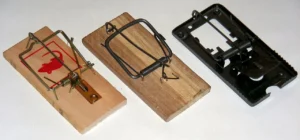
To make the trap less sensitive, set the trigger so the catch has a firmer hold on the bar. This requires more pressure to release. Less sensitive traps are better if your trap keeps going off without catching anything, possibly from vibrations or air currents.
Most traps have a sweet spot where they’re sensitive enough to catch rats reliably but not so sensitive that they go off from nothing. Finding this balance takes practice.
Some newer trap designs have adjustable sensitivity built in. These traps have settings you can change to make the trigger easier or harder to release. Check your trap’s instructions if it has this feature.
When to Add Fresh Bait
Every time you reset a trap, think about whether you need to add fresh bait. If the trap caught a rat, the bait is probably gone or contaminated. You’ll definitely need fresh bait.
If the trap went off without catching anything, check the bait. Sometimes rats can steal bait without getting caught. If the bait is gone or looks disturbed, replace it.
Even if the bait is still there, it might be dried out or stale. Rats are attracted to fresh smells. Old peanut butter that’s been sitting on a trap for days doesn’t smell as strong as fresh peanut butter.
Apply new bait to the trigger plate or bait cup. Make sure it’s positioned so the rat has to fully engage the trigger to get it. Sticky baits like peanut butter work well because rats can’t grab them and run.
Resetting After a Miss
Sometimes a trap will spring without catching the rat. You’ll find the trap sprung and the bait gone, but no rat. This is frustrating, but it happens.
The rat might’ve approached the trap cautiously and managed to snatch the bait from the side or edge without putting enough weight on the trigger. Some rats are clever enough to figure this out.
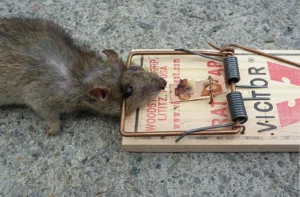
Reset the trap and try positioning it differently. If it was parallel to the wall, try putting it perpendicular. If the trigger was facing one direction, flip it around. Changing the position can force the rat to approach differently.
Use stickier bait that’s harder to steal. Peanut butter smeared right on the trigger mechanism works better than a chunk of cheese the rat can grab.
Consider making the trigger more sensitive if the rat keeps stealing bait. A lighter touch will make it harder for the rat to take the bait without setting off the trap.
How Many Times Can You Reset One Trap?
A well-made snap trap can be reset hundreds or even thousands of times before it wears out. The limiting factor is usually the spring losing tension or the mechanism getting damaged, not the number of times it’s been reset.
If you take care of the trap and don’t bend or break any parts while resetting it, it should last through many uses. Some people use the same traps for years, catching dozens of rats with each one.
The wooden base might wear out before the metal mechanism does. Wood can crack, split, or absorb fluids that make it weak. Plastic bases are more durable in this regard.
Keep an eye on the spring. If you notice it’s getting weaker, the trap is probably nearing the end of its useful life. A weak spring won’t kill rats effectively.
Tools That Make Resetting Easier
Some companies sell special tools designed to help you set rat traps safely. These are basically plastic holders that let you compress the spring without putting your fingers near the trap.
You can also make your own setting tool from household items. A wooden clothespin works well to hold the trigger in place while you adjust the bar. A pencil can be used to push parts into position from a safe distance.
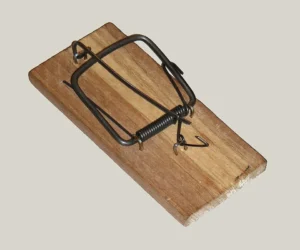
For people who set a lot of traps regularly, these tools are worth having. They speed up the process and reduce the risk of injury.
Some modern trap designs have built-in setting mechanisms that don’t require you to pull the bar back manually. You just press a button or lever and the trap sets itself. These are safer but usually more expensive.
Resetting Different Types of Rat Traps
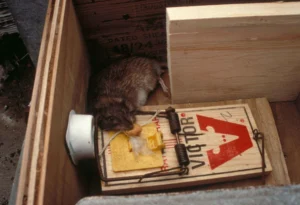
Classic wooden Victor-style traps are what most people think of when they hear “rat trap.” These have a wooden base with metal components. Resetting them involves pulling the bar back and hooking it onto a small metal catch.
Plastic snap traps work similarly but the components are all plastic. They’re often easier to reset because the parts are molded to fit together precisely. The trigger mechanism might be slightly different, but the principle is the same.
Electronic rat traps don’t get reset the same way. Instead, you remove the dead rat, clean the trap, and turn it back on. There’s no spring mechanism to manually reset.
Live-catch traps reset automatically in most cases. Once you release the caught rat, the door resets itself. Some designs require you to manually reset the door mechanism.
Common Mistakes When Resetting
One common mistake is not securing the catch properly. If the bar isn’t fully hooked onto the catch, the trap will go off as soon as you let go or as soon as you try to move it.
Another mistake is putting too much bait on the trap. Excessive bait can interfere with the trigger mechanism. It can get stuck in moving parts or weigh down the trigger plate so it doesn’t move freely.
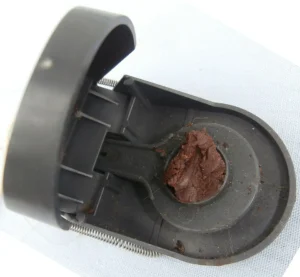
Some people reset traps without cleaning them first. Old blood, tissue, or dried bait can gum up the mechanism and prevent it from working smoothly.
Not checking for damage before resetting is another error. If the spring is weak or parts are bent, the trap won’t work even if you set it correctly. Always inspect the trap before resetting it.
Storing Set Traps Safely
If you reset a trap but aren’t ready to place it yet, you need to store it safely. A set trap is dangerous if someone or something triggers it accidentally.
Keep set traps in a box or container where they won’t be disturbed. Don’t just leave them lying around where people or pets might step on them.
If you’re transporting set traps to different locations, secure them so they don’t move around and trigger each other. Some people use cardboard dividers to separate traps in a box.
Never carry a set trap by the trigger or bar. Hold it by the base and keep the trap level. Tilting it can cause it to spring.
When Resetting Becomes Too Difficult
If you find that resetting a particular trap has become difficult or dangerous, it might be time to retire that trap. Struggling with a stubborn mechanism increases the chance of injury.
Stiff mechanisms can sometimes be loosened with a little lubricant. A drop of oil on the pivot points can make the parts move more smoothly. But if the trap is badly corroded or damaged, lubricant won’t help much.
Some people have physical limitations that make resetting standard snap traps difficult. Arthritis, weak grip strength, or hand injuries can all make it hard to pull back the spring. If this describes you, consider switching to traps with easier setting mechanisms.
There are rat traps designed specifically to be easy to set. Some use a lever system instead of requiring you to pull the bar back directly. Others have a setting tool built into the trap design.
Testing a Reset Trap Before Placing It
Before you put a reset trap in position, test it to make sure it’s working properly. Use a pencil or stick to press the trigger. The bar should snap down quickly and forcefully.
If the trap triggers correctly, you know it’s set right. If it doesn’t trigger, or if it triggers too easily, you need to adjust the mechanism.
Testing also lets you check that the spring has good tension. A trap with a weak spring might technically be set correctly, but it won’t have enough force to kill a rat reliably.
After testing, reset the trap again if necessary. Once you’re confident it’s working right, you can place it where you want it.
Conclusion
Resetting a rat trap is not only possible, it’s expected. Snap traps are designed to be reset and reused many times. The process involves pulling the bar back, hooking it onto the catch, and positioning the trigger mechanism.
Work carefully to avoid getting your fingers caught in the trap. Take your time and make sure everything is positioned correctly before you let go of the bar.
As long as the trap’s spring and mechanism are in good condition, you can reset it as many times as you need. Most traps will last through dozens or even hundreds of resets before they need to be replaced. Resetting traps is a normal part of dealing with a rat problem, and once you get the hang of it, the process becomes quick and routine.

Hi, my name is Ezra Mushala, i have been interested animals all my life. I am the main author and editor here at snakeinformer.com.