
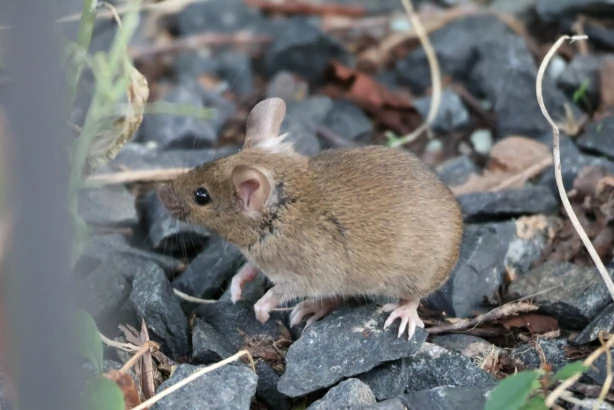
If you’re using portable storage pods to store your belongings, whether for a move, renovation, or long-term storage, you might be worried about mice getting inside and damaging your stuff.
Storage pods sit outside or in warehouses where mice are common, and the last thing you want is to open your pod months later and find mouse droppings all over your furniture and chewed-up boxes. So can mice get into pods?
Yes, mice can get into storage pods through small gaps, vents, or openings in the container. Pods aren’t completely sealed and often have tiny spaces where the door meets the frame or around ventilation areas. If mice can find these openings, they’ll get inside, especially if they smell food or nesting materials.
Storage pods are better sealed than many storage options, but they’re not mouseproof. If mice are around your pod and motivated to get in, they’ll find a way through any weak points in the container.
Why Mice Want to Get Into Storage Pods
Mice don’t randomly decide to climb into storage containers. They’re looking for specific things that storage pods often provide.
Storage pods offer shelter from weather and predators. Mice need safe places to nest, especially when it’s cold or rainy. A storage pod full of your belongings gives them lots of protected spaces to hide and build nests.

Your stored items provide perfect nesting material. Mice love to shred paper, cardboard, fabric, and insulation to build their nests. If you’ve stored boxes, clothes, blankets, or furniture with fabric upholstery, you’re basically giving mice everything they need to make a cozy home.
Food is a huge attraction. If you’ve stored any food items (even things you don’t think of as food like birdseed, pet food, or holiday decorations with food themes), mice will smell it and work hard to get inside.
Storage pods are usually quiet and undisturbed. Unlike your house where you’re constantly moving around, pods sit still for weeks or months. This makes them ideal for mice because there’s no activity to scare them away.
If your pod is sitting outside, mice nearby will investigate it. They’re always looking for new places to live, and a storage pod is like a ready-made apartment to them.
Common Entry Points in Storage Pods
Storage pods have several spots where mice can potentially squeeze in, and knowing these helps you protect your stuff.
The door seal is the most common entry point. Where the door meets the container frame, there are rubber seals that should create a tight closure. But these seals can wear out, get damaged, or not sit flush. Even a small gap is enough for a mouse.
Ventilation holes or vents are sometimes present in storage pods. These are designed to let air circulate and prevent moisture buildup, but they also give mice a way in if they’re not properly screened or if the screening gets damaged.
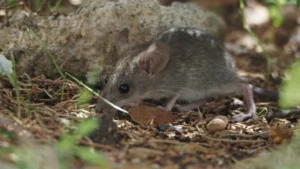
Corners and seams where different sections of the pod connect can have small gaps. Over time, the container can settle or warp slightly, creating openings that weren’t there originally.
The floor where it meets the walls is another potential weak spot. If the pod sits directly on the ground, mice can work at this seam from underneath.
Any damage to the container itself creates entry points. If the pod gets dented, cracked, or has rust holes, mice will find and use these openings.
Utility access points (if the pod has any) for things like electricity can have gaps around them that mice can exploit.
How Small of a Gap Do Mice Need?
You might look at your pod and think it’s sealed up tight, but mice need surprisingly little space to get inside.
A mouse can squeeze through any opening that’s about the size of a dime. That’s roughly 6-7 millimeters or about a quarter of an inch. If you can fit a pencil through a gap, a mouse can probably fit through it too.
Their skull is the only rigid part of their body. Everything else is flexible, so they can flatten and contort themselves to fit through incredibly tight spaces.
This means even what looks like a minor imperfection in your pod’s seal could be a highway for mice. A small gap where the door doesn’t quite close all the way, a tiny crack in a corner, or a worn spot in the rubber seal is all they need.
Mice are also persistent. If there’s almost a big enough gap, they’ll chew and work at it until they make it larger. They can gnaw through rubber, plastic, and thin metal to expand small openings.
Signs That Mice Have Gotten Into Your Pod
If you’re checking on your pod or opening it after storage, here’s how to tell if mice have been inside.
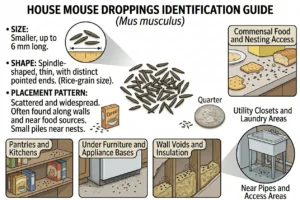
Droppings are the most obvious sign. Mouse droppings look like small, dark pellets about the size of a rice grain. You’ll find them scattered around, especially near corners, along walls, and on top of boxes.
Gnaw marks on boxes, plastic containers, or anything made of cardboard show where mice have been chewing. Look for small tooth marks and holes chewed into packaging.
Shredded material means mice have been building nests. Check for piles of torn paper, fabric, insulation, or other soft materials. These nests are often tucked into corners, inside boxes, or behind furniture.
A strong ammonia-like smell indicates mouse urine. If your pod smells musty or has a sharp, unpleasant odor, mice have probably been using it as a bathroom.
Grease marks or dark smudges along walls and edges show where mice travel. Their oily fur leaves marks on surfaces they repeatedly run against.
Damaged items tell the story too. If you find chewed clothing, holes in upholstery, damaged papers, or opened food packages, mice have definitely been inside.
You might even see a mouse when you open the pod. If mice have been living there undisturbed, they might be startled and run out when you open the door.
How to Mouseproof Your Storage Pod Before Packing
The best time to prevent mice is before you even load your belongings into the pod.
Inspect the pod thoroughly before you rent or accept it. Look at door seals, check corners and seams, examine any vents, and look for any damage or gaps. If you find problems, ask for a different pod or have the issues fixed before you use it.
Clean the inside of the pod completely. Sweep out any debris, dust, or food crumbs. Mice can smell even tiny amounts of food, so you want it as clean as possible.
Add extra sealing if needed. If you notice any small gaps around the door or other areas, you can add weatherstripping or seal gaps with steel wool and caulk (with permission from the pod company).
Consider placing commercial mouse repellent around the inside perimeter of the pod before loading. There are pouches and packets designed to deter mice with strong scents they don’t like.
Some people put mouse traps inside the pod before loading, especially snap traps or electronic traps. Check with your storage company first, but having a few traps inside can catch any mice that do get in.
How to Pack Your Belongings to Prevent Mouse Damage
The way you pack makes a huge difference in whether mice can damage your stuff.
Never store food in a pod, even packaged or canned goods. This is the number one attraction for mice. If you absolutely must store food, put it in heavy-duty metal containers with tight-fitting lids.
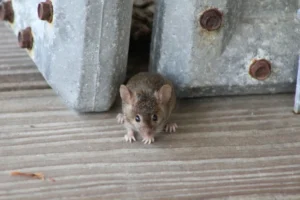
Use plastic bins with locking lids instead of cardboard boxes whenever possible. Mice can chew through cardboard easily, but heavy plastic bins are much harder for them to get into. Make sure the lids snap or lock securely.
Wrap furniture and mattresses in plastic covers designed for storage. This protects them from mouse damage and also from moisture and dust.
Keep items off the floor when possible. Stack boxes on pallets or shelves if you can. Mice are less likely to climb up to investigate items than to explore things sitting directly on the ground.
Don’t use fabric or paper as padding or filler in boxes. Use plastic bubble wrap, foam, or packing peanuts instead. This gives mice less nesting material if they do get in.
Seal clothing in vacuum-sealed bags or plastic bins. Don’t just put clothes in cardboard boxes where mice can easily get to them and use them for nests.
Natural Mouse Repellents for Storage Pods
Some natural substances might help deter mice from wanting to enter your pod in the first place.
Peppermint oil is one of the most popular natural mouse repellents. Mice hate the strong smell. Soak cotton balls in peppermint oil and place them around the inside of your pod (in corners, near the door, on top of boxes). Replace them every few weeks if you’re storing items long-term.
Dryer sheets are thought to repel mice because of their strong scent. Put dryer sheets in between boxes and tuck them around your belongings. This might help, though it’s less proven than peppermint oil.
Bay leaves have a scent that mice don’t like. Scatter bay leaves around your pod, especially near entry points. They’re cheap and can’t hurt.
Cayenne pepper or black pepper sprinkled around the perimeter might deter mice. The strong smell irritates their sensitive noses. Just be careful with this around items that could be damaged by the powder.
Cedar blocks or cedar chips give off a scent that repels many pests including mice. Place cedar items throughout your pod for a natural deterrent that also smells nice.
Keep in mind that natural repellents aren’t foolproof. They work best when combined with proper packing and sealing methods.
Commercial Mouse Prevention Products
If you want stronger protection, there are commercial products designed specifically to keep mice out of storage areas.
Mouse repellent pouches or packets are available at most hardware stores. These contain concentrated natural ingredients that mice hate. You place them around your storage space, and they work for several months.
Electronic ultrasonic repellents plug in and emit high-frequency sounds that mice supposedly don’t like. These need electricity, so they only work if your pod has power. Also, their effectiveness is debated, and many people find they don’t work that well.
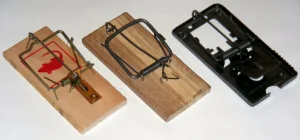
Mouse traps are a direct approach. Snap traps are cheap and effective. Electronic traps kill mice quickly and cleanly. Live traps catch mice without killing them. If you use traps, check them regularly (at least every few weeks).
Bait stations with poison can work but have downsides. Mice might eat the poison and die inside your pod, creating a terrible smell. Also, poison is dangerous if you have pets or kids who might access the pod.
Rodent smoke bombs or foggers are available, but these usually aren’t practical for storage pods. They require you to seal the space completely and air it out afterward.
What to Do If You Find Mice in Your Pod
If you open your pod and discover mice have been living there, here’s what to do.
Don’t panic, but do act quickly. The longer mice stay in your pod, the more damage they’ll do.
Identify how they’re getting in. Look for gaps, holes, or damaged seals. You need to fix these before you do anything else, or more mice will just keep coming in.
Remove any mice that are present. Set traps to catch any remaining mice. Don’t seal up the entry points until you’re sure all mice are out, or you’ll trap them inside to die.
Clean everything thoroughly. Wear gloves and a mask because mouse droppings and urine can carry diseases. Sweep up droppings, wipe down surfaces with disinfectant, and clean any areas where mice were active.
Inspect all your belongings for damage. Check boxes, look inside bins, examine furniture and clothing. Throw away anything that’s seriously damaged or contaminated.
Air out the pod completely. Open it up and let it air out for several hours or even a full day to get rid of the smell.
Repack properly using the mouse-prevention methods mentioned earlier. This is your chance to do it right and prevent future problems.
Where You Store Your Pod Matters
The location of your storage pod affects how likely it is to get mice.
Pods stored outdoors are at higher risk than those in indoor facilities. Outdoor pods are accessible to mice living in the area, while indoor facilities often have better pest control.
If your pod sits on grass or dirt, mice have easier access than if it’s on concrete or gravel. Mice can dig and travel through soil to reach your pod from underneath.

Pods near fields, woods, or areas with lots of vegetation attract more mice. These areas have large mouse populations that are constantly looking for places to nest.
Urban storage facilities sometimes have fewer mice than rural ones, but not always. Cities have plenty of mice too, they just come from different sources (buildings, sewers, etc.).
Ask the storage company about their pest control measures. Good facilities do regular inspections and treatments to keep mice and other pests under control.
If you have a choice, pick a facility that stores pods indoors or has concrete pads for outdoor pods. This gives you better protection from mice and other pests.
Long-Term Storage Considerations
If you’re storing items for months or years, you need extra precautions against mice.
Check on your pod regularly if possible. Open it every few months to look for signs of mice, refresh repellents, and make sure everything is still in good condition.
Take photos of everything before you store it. This creates a record in case you need to file an insurance claim for mouse damage.
Consider storage insurance that covers pest damage. Not all policies do, so read the fine print and ask specifically about rodent damage.
Use oxygen absorbers or desiccant packets to control moisture. While these don’t repel mice directly, they prevent the musty smells and mildew that can attract pests.
Label everything clearly so you know what’s where. If you do find mouse damage, you’ll want to know exactly which boxes might be affected.
Don’t store irreplaceable items in a pod if you can help it. Important documents, family heirlooms, and valuable items are better kept somewhere you can monitor more closely.
Conclusion
Mice can definitely get into storage pods through small gaps, worn seals, or other openings in the container. While pods are more secure than many storage options, they’re not completely mouseproof.
The key to protecting your belongings is prevention. Inspect your pod before using it, pack items in plastic bins instead of cardboard boxes, never store food, and use mouse repellents or traps inside the pod.
If you’re storing items long-term, check on your pod regularly and refresh your mouse prevention measures every few months. The small effort of adding protection now can save you from discovering mouse-damaged belongings later.
Remember that one gap you don’t seal or one attractive item (like food or soft fabric) you don’t protect properly is all it takes for mice to move in and make your storage pod their home.

Hi, my name is Ezra Mushala, i have been interested animals all my life. I am the main author and editor here at snakeinformer.com.