

Most people think mice are ground-level pests. If you live on the second or third floor, or if you’re only worried about ground-level entry points, you might feel pretty safe.
But mice are much better climbers than most people realize. If you’ve spotted a mouse in your upstairs bedroom or found droppings near second-story windows, you’re probably wondering: can mice actually climb up to high windows and get inside?
Yes, mice can get in through upstairs windows. Mice are excellent climbers and can scale walls, climb trees, and navigate pipes or wires to reach second-story or even third-story windows. If the window screen is damaged, the window is left open, or there are gaps around the window frame, mice can get inside.
Height doesn’t protect you from mice nearly as much as you might think. If there’s a way up, mice will find it.
How Mice Reach Upstairs Windows
The first question most people have is how a mouse gets up to a second or third-story window in the first place. Mice have several methods.
Climbing exterior walls is easier for mice than you’d expect. Their small, sharp claws let them grip onto tiny irregularities in brick, stucco, or wood siding. Rough textures especially give them plenty of grip.

Vines and plants growing on your house create perfect climbing routes. Ivy, climbing roses, or any vegetation touching your home basically builds a ladder for mice to reach upper windows.
Trees with branches near your house let mice jump or walk onto your roof or directly onto window ledges. A branch that’s within 6 feet of your house is close enough for mice to access.
Utility lines (electrical wires, cable lines, phone lines) that connect to your house provide highways for mice. They can walk along these lines like tightropes and use them to reach upper levels.
Drain pipes and downspouts attached to your exterior walls are like vertical climbing poles for mice. They can climb up the outside of these pipes to reach any level of your home.
Corner areas where two walls meet provide extra grip for climbing. Mice often prefer these spots because they can brace against both surfaces.
Window Screens Don’t Always Keep Mice Out
Many people think that having screens on their windows is enough protection. Unfortunately, screens have several weaknesses.
Standard window screens are made from thin metal or fiberglass mesh. Mice can chew through fiberglass screens easily in seconds. Metal screens are more resistant but can still be damaged.
Tears or holes in screens are obvious entry points. Even a small hole (the size of a dime or larger) is enough for a mouse to squeeze through.

Loose screens that don’t fit tightly in their frames leave gaps along the edges. Mice can squeeze through these gaps without needing to chew anything.
Old screens with worn or corroded mesh become brittle and weak. These are much easier for mice to chew through than new, sturdy screens.
The corners and edges of screens are weak points. Even if the mesh is intact, mice can sometimes push through where the screen meets the frame.
Sliding windows with removable screens make it easy for screens to get knocked loose or improperly installed, leaving gaps.
How Gaps Around Window Frames Let Mice Inside
Even with the window closed, gaps around the frame can let mice in. These gaps are easy to overlook but very important.
The space between the window frame and the house structure often has gaps. When windows are installed, there’s usually a small space that’s supposed to be sealed with caulk or foam, but this sealing can crack or fall out over time.
Weatherstripping around windows deteriorates. This rubber or foam seal is meant to keep air and water out, but when it gets old and compressed, gaps form that mice can exploit.

Corner joints in window frames can separate slightly over time. These tiny gaps at the corners of the frame are just enough for a mouse.
Older windows often have larger gaps than newer ones. If your home has original windows that are decades old, the seals have probably failed in multiple places.
Settling of your home can create new gaps. As houses age and shift slightly, window frames can move, creating openings that weren’t there originally.
Behind the exterior trim around windows, there might be gaps you can’t see. Mice can get into these spaces and then work their way through to the inside.
How High Can Mice Climb?
If you’re wondering whether living on a high floor protects you, the answer might surprise you.
Mice can climb multiple stories high without difficulty. There’s no specific height limit. As long as they have something to grip onto, they can keep climbing.
Documented cases show mice getting into apartments on the 5th, 6th, and even higher floors. Height alone doesn’t stop them.
The limiting factor isn’t height but rather the availability of climbing routes. If there are no trees, pipes, or textured walls to climb, mice will have a harder time reaching high windows.
Ground-level entry points are still more common simply because they’re easier to access. But “easier” doesn’t mean “only.” Mice take the path of least resistance, but they’ll take harder paths if easier ones are blocked.
Multi-story buildings with many residents on lower floors might have mice that climb up from lower apartments through wall voids and then exit through upper-level windows.
How Trees and Vegetation Help Mice Reach Upper Windows
Trees near your home are one of the most common ways mice reach upstairs windows.
Branches within 6 feet of your house should be trimmed back. Mice can jump short distances from a branch to your roof or window ledge.

Trees that touch your house directly are basically bridges for mice. Even small branches brushing against your siding give them access.
Overhanging branches above your roof let mice drop down onto the roof, and from there they can access windows, vents, and other entry points.
Vines growing on your house need to be removed if mice are a concern. Ivy, Virginia creeper, and climbing roses all create textured surfaces that make climbing easy.
Bushes and shrubs planted close to your house give mice cover to approach the building, and taller shrubs can provide access to first-floor windows.
Trees don’t have to be right next to your house to be a problem. Mice living in trees can travel along power lines or roof lines from nearby trees to your home.
Which Window Types Are Most Vulnerable to Mice?
Different types of windows have different weak spots when it comes to mice.
Double-hung windows (that slide up and down) can have gaps where the two sashes meet in the middle. If the window is old or the fit is loose, mice can squeeze through.
Sliding windows have similar issues where the sliding panel meets the fixed panel. The track that the window slides in can also have gaps at the ends.
Casement windows (that crank open) usually seal better when closed, but the hinged side can develop gaps if the weatherstripping fails.
Awning windows (that tilt out from the bottom) are similar to casements but might have gaps along the top edge when closed.
Basement hopper windows (that tilt in from the top) are often forgotten and might have damaged screens or poor seals.
Bay and bow windows have multiple joints and connections, creating more opportunities for gaps. The corners where angled sections meet are vulnerable.
Attic Windows and Dormers Can Be Vulnerable
Attic windows and dormers are especially vulnerable to mice because people check them less frequently.
Attic spaces often have gaps around windows that go unnoticed because people rarely spend time in attics. These gaps can exist for years before being discovered.

Gable vents (triangle-shaped vents in attic walls) often have screens that are damaged or missing. These are technically not windows, but they’re similar entry points at high levels.
Dormer windows create ledges and complex roof lines that mice can use to access different parts of your roof and multiple entry points.
Temperature extremes in attics can cause more expansion and contraction of window frames, leading to larger gaps developing over time.
Stored items in attics often block access to windows, so you might not notice signs of mice around attic windows until the infestation is serious.
Signs That Mice Are Using Your Windows
If mice are getting in through upstairs windows, certain clues will tell you.
Droppings on window sills or near windows are obvious signs. Mouse droppings are small, dark, and about the size of a rice grain.
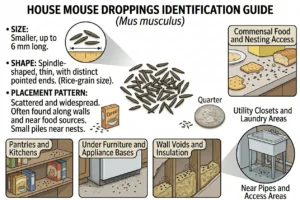
Grease marks or rub marks on window frames show where mice have been squeezing through repeatedly. Their oily fur leaves dark smudges.
Gnaw marks on window frames, screens, or weatherstripping indicate mice have been chewing to enlarge gaps or get through screens.
Damaged screens with holes or tears point to mouse entry. Check both the mesh and where the screen fits into the frame.
Nesting material near windows might include shredded insulation, paper, fabric, or other soft materials. Mice sometimes build nests in wall voids near windows.
A musty smell near certain windows can indicate mouse activity. Mouse urine has an ammonia-like odor.
Seeing mice on exterior walls, roof lines, or in trees near your house during dusk or nighttime shows they’re active in those areas.
How to Mouse-Proof Upstairs Windows
Protecting your upstairs windows from mice takes a combination of approaches.
Inspect all window screens carefully. Replace any that have holes or tears. Make sure screens fit tightly in their frames with no gaps around the edges.
Upgrade to heavy-duty metal screens if you have ongoing problems. These are much more resistant to chewing than standard fiberglass screens.
Seal gaps around window frames with caulk or expandable foam. Check both inside and outside for gaps between the frame and the wall.
Replace old or compressed weatherstripping. New weatherstripping creates a tight seal that blocks both drafts and mice.
Trim tree branches back at least 6 feet from your house. This eliminates easy access routes to your roof and upper windows.
Remove vines and climbing plants from your exterior walls. These provide too much assistance for climbing mice.
Install guards on drain pipes and downspouts to prevent mice from climbing them. Metal cone-shaped guards work well.
Keep windows closed or ensure screens are in place when windows are open. Mice are most active at night, so nighttime is when open, unscreened windows are most risky.
Check windows regularly, especially in fall when mice are looking for winter shelter. Monthly inspections can catch problems before they become infestations.
How the Roof Helps Mice Reach Upper Windows
Your roof often acts as a staging area for mice trying to access upstairs windows.
Mice that reach your roof can easily access second-story windows, attic vents, and other upper entry points. The roof gives them a platform to work from.
Roof edges near windows are particularly vulnerable spots. Mice can drop down from the roof edge to window ledges or squeeze into gaps where the roof meets the wall.
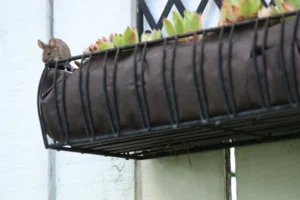
Complex roof lines with valleys, dormers, and multiple levels create more opportunities for mice to navigate around your upper story.
Overhanging eaves provide shelter where mice can rest and explore without being visible from the ground.
If your gutters are clogged with leaves and debris, they provide nesting material and hiding spots for mice on your roof.
Roof vents and chimney gaps might be how mice get onto your roof in the first place. From there, they can explore to find window entry points.
Fall and Winter Increase the Risk of Mouse Entry
Mice are more likely to try entering through upstairs windows during certain times of year.
Fall (September through November) is peak mouse season. As temperatures drop, mice actively search for warm places to nest. Upper-story windows are often overlooked by homeowners and provide good access.
Cold weather drives mice to be more persistent. They’ll try harder and chew through barriers they might avoid during warmer months when outdoor food is available.
Winter (December through February) finds mice already inside, but new ones might still try to enter. Any window that’s not properly sealed becomes more attractive.
Spring and summer have less pressure from mice trying to get inside, but the ones that overwintered in your home might be active near windows trying to get out or back in.
Fall is when you should especially check all windows, including upstairs ones, and repair any damage before mice start their winter search for shelter.
Can Mice Reach Upper-Floor Windows in Apartments and Condos?
If you live in a multi-unit building, upper-floor windows can still be vulnerable.
Mice in the building’s walls or common areas can travel vertically through wall voids, pipes, and utility chases. They might enter the building at ground level and emerge on upper floors.
Shared walls between units create pathways. A mouse problem in one apartment can spread to neighboring units through walls, and then mice might exit through windows.

Older apartment buildings especially have more gaps and pathways within walls. These buildings weren’t constructed with rodent prevention in mind.
Even high-rise buildings can have mice on upper floors. As long as there’s a way up (and there usually is through the building’s infrastructure), mice can reach any floor.
Your individual unit’s window protection is important even if the building has pest control. Building-wide treatments might not be perfect, and your windows are your last line of defense.
How Ground-Level Entry Can Lead to Upstairs Mouse Problems
Many upstairs mouse problems actually start at ground level.
Mice often enter homes at ground level through basement windows, foundation cracks, or ground-floor gaps. Once inside the walls, they can climb to upper floors.
From inside wall voids, mice can access any floor of your home. They might emerge through gaps around upstairs windows even though they entered at the ground level.
This is why comprehensive mouse-proofing needs to address all levels of your home, not just the ground floor.
However, some mice do directly access upper windows from outside, especially in homes with trees, vines, or climbing routes that lead straight to upper levels.
What to Do If You Find Mice Near Upstairs Windows
If you discover that mice are using your upstairs windows, take immediate action.
Set traps near the windows where you’ve found signs of mice. Use snap traps along walls and in corners, baited with peanut butter.

Inspect the windows carefully to find exactly how mice are getting in. Look for damaged screens, gaps in frames, and any openings.
Seal any gaps you find right away using caulk, foam, or weatherstripping as appropriate.
Check all other upstairs windows even if you’ve only found mice at one. If they’ve found one entry point, they might be using others too.
Look outside at climbing routes. If trees, vines, or pipes lead to your upstairs windows, address these access routes.
Clean the area thoroughly to remove droppings, urine, and scent markers that might attract more mice.
Consider calling a pest control professional if you’re finding mice on upper floors regularly. They can identify entry points you might miss and treat the problem comprehensively.
How to Prevent Mice From Getting Into Upstairs Windows
Keeping mice from using upstairs windows is much easier than dealing with them after they’re inside.
Make window inspection part of your regular home maintenance. Check screens, seals, and frames seasonally.
Address tree trimming and vegetation control before mice become a problem. Don’t wait until you see mice to cut back branches.
Replace damaged screens immediately rather than putting it off. The cost of a new screen is much less than dealing with a mouse infestation.
Keep windows closed at night if screens are damaged or missing. Most mouse activity happens after dark.
Maintain weatherstripping and caulking around windows as part of your energy efficiency efforts. What keeps air out also keeps mice out.
If you’re replacing windows, choose quality products with good seals. The energy efficiency will pay off, and you’ll have better pest protection as a bonus.
Conclusion
Mice can definitely get in through upstairs windows, and they do so more often than most people realize. Their excellent climbing abilities, combined with access routes like trees, vines, pipes, and textured walls, let them reach second-story and even higher windows easily.
Height provides much less protection than you might hope. If your upstairs windows have damaged screens, gaps around the frames, or poor weatherstripping, mice can exploit these weaknesses just as easily as they would ground-level entry points.
The key to keeping mice out of upstairs windows is a combination of eliminating climbing routes, maintaining good screens and seals, and regularly inspecting upper-level entry points that many homeowners neglect.
Don’t make the mistake of thinking “I’m on the third floor, so I don’t need to worry about mice.” Check your upstairs windows just as carefully as ground-level openings, because mice don’t care about height. If there’s a way in, they’ll find it.

Hi, my name is Ezra Mushala, i have been interested animals all my life. I am the main author and editor here at snakeinformer.com.