
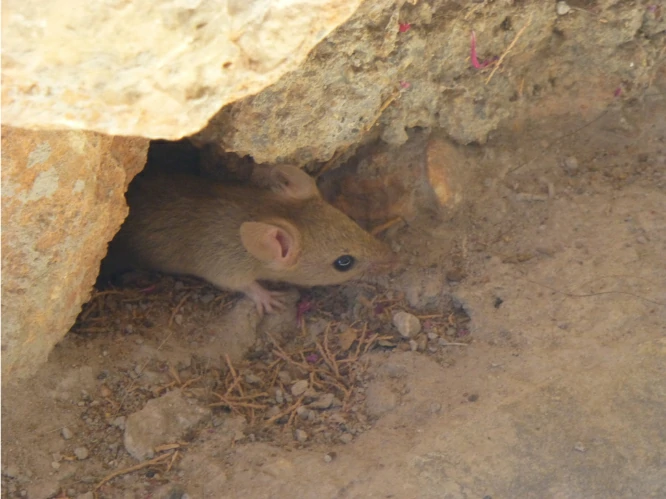
You might think you’d notice right away if mice moved into your home. After all, they’re active creatures that leave droppings and make noise, right?
But mice are surprisingly stealthy. They’re small, nocturnal, and really good at hiding. By the time you spot the first mouse or find droppings, there’s a good chance they’ve been living in your home for a while. So exactly how long can mice go undetected in a house?
Mice can go undetected in your home for weeks or even months. A small number of mice (one or two) can hide for 4 to 8 weeks before you notice signs. Larger infestations might be discovered sooner because of increased activity and droppings, but even significant populations can remain hidden for a month or more if they’re in areas you don’t regularly check.
The length of time depends on where the mice are living, how many there are, and how observant you are about checking hidden areas of your home.
Why Are Mice So Good at Hiding?
Mice have evolved to be experts at avoiding detection. In the wild, being seen means being eaten, so they’re naturally secretive.
Their small size is a huge advantage. An adult mouse is only about 2 to 4 inches long (not counting the tail), which means they can fit into spaces you’d never think to check. They can squeeze through openings as small as a dime.

Mice are nocturnal and most active between dusk and dawn. If you’re asleep during their most active hours, you won’t hear or see them moving around. They rest during the day in hidden nests where you’re unlikely to find them.
They stick to hidden pathways along walls, behind appliances, and inside walls. Mice feel safer when they can touch a vertical surface (a behavior called thigmotaxis), so they rarely run across open spaces where you’d see them.
Their nests are built in places you don’t regularly access. Mice nest inside walls, under floors, in attics, in crawl spaces, and behind large appliances. These locations can harbor mice for weeks without you knowing.
They’re also naturally cautious. Mice avoid new objects or changes in their environment at first. This caution keeps them away from areas where they might be spotted by you.
The Timeline of a Mouse Infestation
Understanding how a mouse problem develops helps explain why detection takes so long.
Week 1-2: Initial Entry and Exploration When mice first enter your home, there are usually just one or two. They spend time exploring cautiously, mapping out safe routes to food and water. During this phase, they’re extremely careful and leave minimal signs.
Week 3-4: Establishing Territory The mice start to feel safe and establish regular paths. They create a nest and begin leaving more droppings along their routes. But these droppings are often in hidden areas like behind appliances or in cabinets you rarely open.

Week 5-8: Reproduction Begins If a female mouse is pregnant when she enters (or if male and female mice entered together), the first litter of babies arrives around 3 weeks after mating. Each litter has 5 to 10 babies, dramatically increasing the population.
Week 9-12: Growing Infestation Those babies are mature enough to reproduce by 6 weeks old. The population grows exponentially. More mice mean more activity, more droppings, and a higher chance you’ll notice something.
Month 4+: Obvious Infestation At this point, the population is large enough that signs become obvious. You might see mice during the day (a sign of overcrowding), find droppings in multiple locations, smell a strong musky odor, or hear constant scratching in walls.
Many people don’t discover mice until the infestation is in week 8 or later, meaning the mice have been there for two months or more.
Where Can Mice Hide Without Being Noticed?
The location of a mouse nest determines how long they can stay hidden.
Attics are ideal hiding spots. Most people don’t go into their attics regularly. Mice can live in the insulation, behind stored boxes, or in the rafters for months before you happen to go up there and notice droppings or nests.
Wall voids keep mice completely hidden. If mice are living inside your walls, you might hear occasional scratching but never actually see them. They can access walls through small gaps and live there indefinitely.

Crawl spaces under homes are rarely visited. If your home has a crawl space, mice can nest in the insulation or against the foundation without you knowing unless you specifically go down there to look.
Behind major appliances like refrigerators, stoves, ovens, and washing machines provides warmth and protection. You probably only move these appliances when replacing them or during deep cleaning, which might be years between checks.
Inside furniture like couches and recliners can house mice. They chew through the fabric underneath and nest in the stuffing. You might sit on furniture daily without knowing mice are living inside it.
Basements, especially unfinished ones with lots of storage, give mice plenty of hiding spots. Boxes, old furniture, and clutter create a maze where mice can live without being disturbed.
Garages and sheds are often cluttered with tools, boxes, and equipment. These items provide endless hiding spots, and since you’re in and out quickly, you might not notice the signs.
What Early Warning Signs Do People Often Miss?
Mice leave clues early in an infestation, but these signs are easy to overlook or misinterpret.
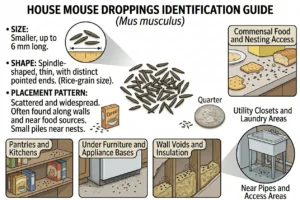
Tiny droppings in hidden places are often the first sign. But if these droppings are at the back of a cabinet you rarely open or behind the stove, you won’t see them until you specifically look.
Gnaw marks on food packaging can be mistaken for damage from handling. If you see a small hole in a cereal box or cracker package, you might not immediately think “mice.”
Strange smells that are slightly musty or musky might be dismissed as mold, old food, or just the house smell. Mouse urine has a distinctive ammonia-like smell, but it needs to build up before it’s really noticeable.
Faint scratching sounds at night might be dismissed as the house settling, pipes expanding, or branches on the roof. If the sounds are occasional and brief, you might not investigate.
Pets acting strangely can be an early warning. If your cat or dog suddenly becomes interested in a particular area of your home (staring at a wall, sniffing along baseboards, or pawing at cabinets), they might have detected mice before you did.
Small holes in walls or baseboards are easy to overlook. A hole the size of a quarter might just look like old house damage if you don’t examine it closely.
What Makes Some Mouse Infestations Easier to Detect?
Some situations make it more likely you’ll notice mice sooner rather than later.
A large initial population gets detected faster. If several mice enter your home at once (rare, but possible), the signs accumulate more quickly.
Mice nesting in high-traffic areas are spotted sooner. If mice happen to nest in a location you access daily, you’ll find them faster than if they’re in an attic you visit once a year.
Very active mice that explore boldly during the day increase the chances of a visual sighting. Some mice are bolder than others, and these risk-takers get seen sooner.
Smaller homes with less space to hide in make detection quicker. In a small apartment, there are fewer places for mice to go unnoticed compared to a large house with multiple stories and storage areas.
Clean, organized homes make mouse signs more visible. If you keep your home tidy and know where everything belongs, you’ll notice droppings, gnaw marks, or disturbances faster.
People who are vigilant about pest control and regularly check vulnerable areas will catch infestations early. If you routinely look under sinks, behind appliances, and in storage areas, you won’t go months without noticing mice.
How Mice Reproduce Affects Detection Time
The speed at which mice reproduce is why small problems become big ones so quickly, and why early detection is difficult.
A single pregnant female can start an infestation. If one pregnant mouse enters your home, she’ll have 5 to 10 babies within about 3 weeks of arriving.

Those babies reach sexual maturity in just 6 weeks. This means by week 9 of the infestation, you could have a second generation being born.
Female mice can have a new litter every 3 weeks. They can produce 5 to 10 litters per year, with each litter containing multiple babies.
This exponential growth means that what started as one or two mice can become 30 to 60 mice in just a few months. By the time the population is that large, detection is inevitable. But the damage is already done.
How Do the Seasons Affect When You Notice Mice?
The time of year affects both when mice enter your home and when you notice them.
Fall is peak mouse season. As temperatures drop in September through November, mice look for warm places to nest. Many infestations start in fall but aren’t detected until winter.
Winter is when detection often happens. The mice that entered in fall have reproduced, the population is growing, and you’re inside more often where you might notice signs.
Spring can bring discoveries when you do seasonal cleaning or start using spaces (like garages or sheds) that you avoided during winter.
Summer has fewer new infestations because mice can survive comfortably outdoors. But any mice that overwintered in your home continue breeding, so summer discoveries usually mean a long-established problem.
When Does Mouse Odor Become Noticeable?
Mouse smell is often what finally alerts homeowners to an infestation, but it takes time for the odor to become noticeable.
Mouse urine has an ammonia-like smell. But one or two mice don’t produce enough urine to create a noticeable odor quickly. It takes several weeks of buildup.

The musky smell of mice themselves comes from pheromones they secrete. Again, a small number of mice don’t create enough scent for you to smell, but a larger population does.
Dead mice create an unmistakable smell. If a mouse dies in your walls or under your floors, the decomposition smell is strong and unpleasant. This often leads to the discovery of an infestation.
The smell threshold varies by person. Some people have more sensitive noses and will detect mouse smell earlier. Others might not notice until the odor is quite strong.
Areas with poor ventilation smell worse faster. Basements, closets, and enclosed spaces trap odors, making them easier to detect.
Why Some Infestations Stay Hidden Longer
Certain situations allow mice to remain undetected for extended periods, sometimes many months.
Vacation homes that sit empty for weeks or months at a time can harbor serious infestations. Mice move in during your absence and have free run of the place.
Rental properties with absentee landlords might have mice that tenants don’t report. Or tenants might not realize they have mice if they’re not familiar with the signs.
Large homes with many rooms, multiple levels, and lots of storage space provide so many hiding spots that mice can thrive in one area while you live in another without interaction.
Homes with clutter make detection much harder. If you have boxes stacked in basements, garages full of equipment, or packed storage areas, mice have endless places to hide.
Elderly homeowners or people with mobility issues might not access all areas of their homes regularly. Basements, attics, and crawl spaces might go unchecked for years.
People who work long hours and are rarely home spend little time in their house. If you’re only home to sleep, you might not notice signs of mice for a long time.
What Are the Health Risks of Undetected Mice?
The longer mice go undetected, the greater the health and safety risks become.
Accumulated droppings and urine create serious health hazards. Mouse droppings can carry Hantavirus, which can be fatal. The longer droppings accumulate, the more dangerous your home becomes.

Contamination spreads to food and surfaces. Mice exploring your kitchen at night walk across counters, dishes, and food storage areas with contaminated feet.
Allergens from mouse urine and dander build up over time. People with asthma or allergies can experience worsening symptoms without knowing mice are the cause.
Structural damage worsens the longer mice are present. They chew on wood, insulation, and even structural supports. Months of chewing can cause significant damage.
Fire risks increase with time. Mice chew on electrical wiring, and damaged wires can spark fires. The longer they have access to wiring, the more damage they can do.
Larger populations mean more disease risk. As the mouse population grows, so does the concentration of bacteria, viruses, and parasites in your home.
How to Check for Mice You Haven’t Noticed Yet
If you suspect you might have mice but haven’t seen obvious signs, here’s how to check thoroughly.
Get a flashlight and inspect all the hidden areas. Check under sinks, behind appliances, in the backs of cabinets, and along baseboards in every room.
Look specifically for droppings. Mouse droppings are about the size of a rice grain, dark brown or black, and pointed at the ends. Check corners, along walls, and in enclosed spaces.
Check for gnaw marks on food packages, cardboard boxes, wood, and even plastic. Fresh gnaw marks are lighter in color; older ones match the surrounding surface.
Look for grease marks along walls and baseboards. Mice have oily fur that leaves dark smudges along their regular paths.
Inspect insulation in attics and crawl spaces. Mice shred insulation for nesting material, leaving disturbed or missing sections.
Check for small holes in walls, especially near the floor. Mice might have chewed through drywall or enlarged existing gaps.
Sprinkle flour or baby powder in areas where you suspect activity. Check the next day for tiny footprints, which confirm mice are present.
Set out a few traps as a test. Even if you haven’t seen mice, putting traps in strategic locations (behind appliances, in basements, along walls) can reveal their presence.
What to Do When You Discover You’ve Had Mice for a While
Finding out you’ve had a mouse problem for weeks or months requires immediate action.
Don’t panic, but don’t delay. The longer you wait to address the problem, the worse it gets. Mice reproduce quickly, and a manageable problem can become a serious infestation.

Set traps immediately in multiple locations. Use snap traps along walls, behind appliances, and anywhere you’ve seen signs. Bait them with peanut butter, which mice love.
Clean thoroughly but carefully. Mouse droppings can contain harmful pathogens. Spray droppings with disinfectant first (don’t sweep or vacuum dry droppings), then wipe them up with paper towels. Dispose of everything in sealed plastic bags.
Find and seal entry points. Mice can squeeze through tiny gaps. Check your entire home for openings and seal them with steel wool and caulk or expanding foam.
Remove food sources. Store all food in airtight glass or metal containers. Don’t leave pet food out overnight. Clean up crumbs and spills immediately.
Consider calling a professional if the infestation is large or if DIY methods aren’t working after a week or two. Exterminators have experience and tools you don’t have access to.
Inspect for damage. Check your insulation, wiring, and stored items for mouse damage. Some damage might need repair to prevent fires or other hazards.
How to Catch Future Mouse Infestations Early
Once you’ve dealt with mice, preventing future problems means being vigilant about early detection.
Do monthly checks of vulnerable areas. Make it a habit to look under sinks, behind appliances, and in storage areas with a flashlight. Five minutes of checking each month can catch problems early.
Keep your home clean and organized. Clutter provides hiding spots. A tidy home makes signs of mice much more visible.
Maintain proper food storage. Keep food in sealed containers and clean up immediately after meals. This reduces attractiveness to mice.
Seal entry points proactively. Don’t wait for mice to find gaps. Walk around your home’s exterior seasonally and seal any cracks or openings you find.
Be aware of seasonal risks. Remember that fall is when mice are most likely to try entering homes. Increase your vigilance in September through November.
Listen to your pets. If your cat or dog suddenly shows interest in a particular area, investigate. Pets often detect mice before humans do.
Know the early signs. Now that you know what to look for (tiny droppings, gnaw marks, faint scratching), you’ll catch future problems faster.
Conclusion
Mice can go undetected in your home for surprisingly long periods, typically anywhere from 4 weeks to several months. Small numbers of mice are especially good at staying hidden because they produce fewer signs and stick to areas you don’t regularly check.
The stealthy nature of mice, combined with their nocturnal habits and small size, allows them to establish nests, reproduce, and build up a population before you even realize they’re there. By the time you spot the first mouse or find obvious signs, there’s a good chance the infestation has been growing for at least a month.
The key to avoiding long-term undetected infestations is regular checking of hidden areas, staying alert for early warning signs, and acting immediately when you spot even minor evidence of mice. Prevention is easier than dealing with a well-established infestation.
Don’t assume your home is mouse-free just because you haven’t seen one. Regular inspections of vulnerable areas can catch mice early, before they have time to reproduce and create a serious problem that’s much harder and more expensive to solve.

Hi, my name is Ezra Mushala, i have been interested animals all my life. I am the main author and editor here at snakeinformer.com.