
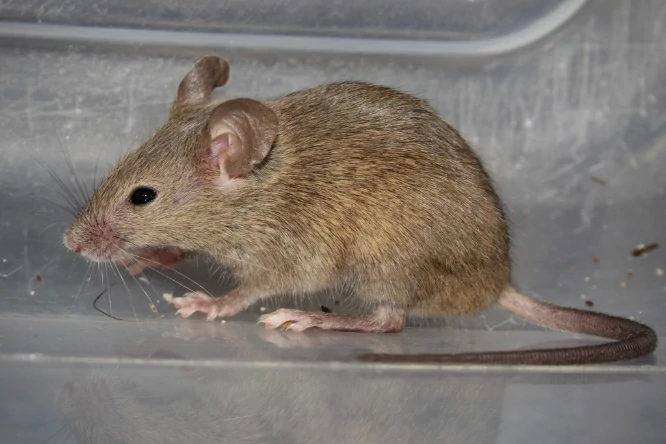
You’ve probably bought plastic containers to keep your food safe from pests. They seem sturdy enough, and the lids snap on tight, so your food should be protected, right?
But mice are persistent little creatures with surprisingly strong teeth. If you’re storing food, pet supplies, or other items in plastic containers, you might be wondering: can mice actually chew through plastic and get into these containers?
Yes, mice can get into most plastic containers. They can chew through thin or soft plastic easily, and even thicker plastic isn’t completely mouse-proof. Only very thick, hard plastic (like some heavy-duty storage bins) provides real protection, and even then, mice can sometimes gnaw through the lid or find weak spots.
The truth is that standard plastic containers aren’t as secure as you might think. Mice have incredibly strong jaw muscles and teeth that never stop growing, which means they’re always looking for things to gnaw on.
Why Mice Can Chew Through Plastic
Mice have a biological need to chew constantly. Their front teeth (incisors) never stop growing throughout their lives. If they don’t wear them down by gnawing, their teeth will grow too long and make eating impossible.
This constant gnawing means mice will chew on almost anything, including plastic. Their teeth are incredibly strong for such small animals. They can generate bite forces that seem impossible for their size.

Mouse teeth are specially designed for gnawing. The front surface of their incisors has hard enamel, while the back surface is softer dentine. This creates a chisel-like edge that stays sharp as they chew.
Mice are also determined and patient. If they smell food inside a container, they’ll keep working at it until they break through. They might gnaw at one spot for hours if they need to.
The motivation is key. If a mouse smells something attractive inside your plastic container, it has a powerful reason to keep trying. Hunger is a strong motivator, and mice have excellent noses that can detect food through plastic.
Which Types of Plastic Can Mice Chew Through?
Not all plastic is created equal when it comes to mouse resistance. The thickness and type of plastic make a big difference.
Thin plastic (like sandwich bags, bread bags, and cheap food containers) offers almost no protection. Mice can chew through these in seconds. Even thick garbage bags don’t stop them.

Standard food storage containers (like Tupperware or Rubbermaid) are thicker but still vulnerable. Mice can chew through these if they’re motivated enough. It might take them longer, but they’ll get through.
Heavy-duty storage bins with thick walls provide better protection. The really thick plastic (like 5-gallon buckets or commercial storage totes) is harder for mice to chew through, but it’s not impossible.
Hard, brittle plastics are tougher for mice than soft, flexible plastics. Soft plastic is easier to grip with their teeth and chew. Hard plastic is more difficult, but determined mice can still manage it.
The lid is often the weak point. Even if the container body is thick, the lid might be thinner or have a flexible rim. Mice will attack the weakest spot, which is usually where the lid meets the container body.
Plastic containers with food residue on the outside are especially vulnerable. If mice can taste or smell food on the container itself, they’re more likely to start chewing to get to what’s inside.
How Long Does It Take Mice to Chew Through Plastic?
The time it takes a mouse to get into a plastic container depends on several factors, but it’s usually faster than you’d think.
For thin plastic like sandwich bags or bread bags, mice can chew through in under a minute. These barely slow them down at all.

Standard food storage containers might take 15 minutes to an hour. This depends on how hungry the mouse is, how much food smell is coming through, and the exact thickness of the plastic.
Thicker storage bins can take several hours to a full night. But mice are active mostly at night when you’re sleeping, so they have plenty of time to work.
Mice don’t always chew straight through. Sometimes they gnaw at the lid edges or find seams and weak spots. These approaches can be faster than chewing through the main body of the container.
If you’re hearing scratching or gnawing sounds at night, a mouse might be working on your containers right then. By morning, they could already be inside.
Signs That Mice Have Been Chewing Your Containers
You’ll know mice have been at your plastic containers by several telltale signs.
Visible gnaw marks are the most obvious. These look like small scratches or gouges in the plastic, often concentrated in one area. The edges of these marks are usually rough and show tiny parallel lines from the mouse’s teeth.
Holes chewed completely through the plastic are the next stage. These holes are usually about the size of a quarter or smaller. Mice make holes just big enough to squeeze through.
Plastic shavings or crumbs near the container show that a mouse has been gnawing there. These small pieces of chewed plastic might be on the floor or shelf around the container.
Food inside the container might be disturbed or partially eaten. If you open a container and find droppings inside or food that’s been nibbled, mice have definitely gotten in.
The container might be moved or tipped over. Mice climbing on containers can knock them around, especially lighter ones.
Droppings on or around containers are a clear sign. Mouse droppings are small (about the size of a rice grain), dark, and pointed at the ends.
What Are Mice Trying to Reach Inside Containers?
Understanding what mice want helps you protect the right things. They’re not randomly chewing plastic. They have specific goals.
Food is the main target. Mice will chew into containers holding grains, cereals, pasta, rice, pet food, bird seed, nuts, chocolate, or basically any food item. The stronger the smell, the more motivated they are.

Pet food is especially attractive to mice. Dog food, cat food, and treats often have strong odors that mice can smell from far away.
Seeds and grains are natural mouse food. If you store bird seed, grass seed, or any type of grain in plastic containers, these are prime targets.
Non-food items aren’t usually targeted unless mice are desperate. They generally won’t chew through plastic to get to clothes, papers, or other non-edibles. But if they’re nesting nearby, they might chew containers just to use the plastic for nest material.
Sometimes mice chew containers just to keep their teeth worn down. If a mouse is living near your storage area, it might gnaw on containers even without food inside.
Which Containers Keep Mice Out Better Than Plastic?
If plastic isn’t safe from mice, what should you use instead? Several materials work better.
Glass containers with tight-fitting lids are excellent. Mice can’t chew through glass at all. Mason jars, glass food storage containers, and glass canisters work great for dry goods.
Metal containers are also mouse-proof. Tin canisters, metal bins, and steel containers keep mice out effectively. Make sure the lids fit tightly.
Ceramic or stoneware containers with good seals work too. These are heavier and can’t be chewed through by mice.
Heavy-duty plastic bins combined with other protections can work. If you must use plastic, choose the thickest bins available and store them in areas where mice can’t easily reach them.
The lid seal matters as much as the material. Even the best container won’t protect your food if the lid doesn’t fit tightly. Mice can squeeze through tiny gaps.
Original packaging inside a mouse-proof container adds another layer. For example, keeping flour in its paper bag inside a glass jar gives double protection.
Where Should You Store Containers to Keep Mice Away?
Even if mice can chew your containers, you can make it harder for them to reach your storage.
Store food containers off the floor. Mice can climb, but they usually travel along the ground first. Putting containers on high shelves makes them less accessible.

Keep containers away from walls when possible. Mice travel along walls where they feel safer. Items in the middle of shelves are less likely to be investigated.
Use closed cabinets rather than open shelving. While mice can get into cabinets, the extra barrier makes it less likely they’ll find your containers quickly.
Avoid storing food in basements, garages, or sheds if possible. These areas are harder to keep mouse-free. Keep food storage in your main living areas where you’re more likely to notice mouse activity.
Don’t store food containers near entry points. If you have containers near doors, vents, or anywhere mice might enter, move them to more secure locations.
Reduce clutter around food storage. Mice like hiding in clutter, so keeping storage areas clean and organized makes them less appealing to rodents.
How to Protect Pet Food From Mice
Pet food is one of the most common things mice get into, and it’s often stored in plastic bags or containers.
Original pet food bags offer almost no protection. Mice can chew through these paper or thin plastic bags easily. Don’t leave pet food in the original bag alone.
Transfer pet food to metal containers. Large metal trash cans with tight lids work great for dog food. Smaller metal bins work for cat food.
If you use plastic containers for pet food, choose the heaviest ones available. Five-gallon buckets with screw-on lids are better than flip-top containers.
Don’t leave pet food bowls out overnight. Mice are most active at night, and a bowl of food is an open invitation. Feed your pets during the day and pick up bowls before bed.
Store treats in glass jars or metal tins. These smaller items are easy to protect in mouse-proof containers.
Keep the pet food storage area very clean. Spilled kibble on the floor attracts mice and gives them food even if they can’t get into the container.
The Problem with Ziploc and Similar Bags
Ziploc bags and other plastic storage bags are especially vulnerable to mice, despite being popular for food storage.
These bags are made of very thin plastic that mice can chew through in seconds. The seal might keep food fresh from air, but it doesn’t stop teeth.

Even freezer bags, which are thicker, don’t offer real protection. Mice can and will chew through them if they smell food inside.
Vacuum-sealed bags are slightly better because the hard, flat surface is trickier to grab with teeth. But determined mice can still get through them.
Storing bags inside other containers helps. If you put Ziploc bags inside a glass or metal container, you get the convenience of bags with the protection of a mouse-proof material.
Don’t rely on bags alone for any food storage if you have mice. Bags are fine for temporary storage or when used inside another container, but they’re not a standalone solution.
Can Mice Smell Food Through Plastic?
One reason plastic containers don’t protect food well is that mice can smell through them. Their sense of smell is incredibly powerful.
Plastic isn’t airtight at the molecular level. Tiny amounts of scent molecules pass through plastic, and mice can detect these. That’s why they know food is inside even though they can’t see it.
Stronger-smelling foods attract mice more. Things like peanut butter, chocolate, bacon, cheese, and pet food have strong odors that penetrate plastic easily.
Double-containment reduces smell. If you put food in a glass jar inside a plastic bin, for example, you reduce how much smell escapes.
Sealed bags inside containers work similarly. The multiple barriers reduce the scent that reaches mice, making them less likely to investigate.
Cleaning containers on the outside helps too. If you spill something on a container or handle it with food on your hands, the outside carries smells that attract mice.
What to Do If Mice Have Already Gotten Into Containers
If you discover that mice have chewed into your stored food, you need to act quickly.
Throw away any contaminated food immediately. Once mice have been in food, it’s not safe to eat. Their urine and droppings can carry diseases, and you can’t always see the contamination.

Clean the containers thoroughly. Wash them in hot, soapy water, then disinfect with a bleach solution (1 part bleach to 10 parts water). Rinse well and let them dry completely.
Check surrounding containers. If mice got into one container, check everything nearby. They might have damaged other containers even if they didn’t get all the way inside.
Look for mouse droppings in the storage area. Clean these up using the proper method (spray with disinfectant first, then wipe up with paper towels).
Find and seal the entry points. If mice are getting to your storage, figure out how they’re getting into that area and seal those gaps.
Set traps in the storage area. You need to catch the mice that have been in your food. Place traps along walls and near the damaged containers.
Move your food storage to better containers or locations. Don’t just refill the same plastic containers that failed. Upgrade to glass or metal, or at least very thick plastic.
Heavy-Duty Plastic: How Thick Is Thick Enough?
If you want to use plastic despite the risks, the thickness matters a lot.
Look for plastic that’s at least 3-4 mm thick. This is much thicker than standard food containers. Heavy-duty storage totes and some 5-gallon buckets fall into this category.
Commercial-grade containers are better than consumer-grade. Containers made for commercial or industrial use are typically thicker and tougher.
Check the lid thickness too. The lid needs to be as thick as the body, or it becomes the weak point.
Hard plastics resist chewing better than soft. HDPE (high-density polyethylene) is harder and more brittle than LDPE (low-density polyethylene). Check the recycling symbol on the bottom of containers. HDPE is marked with a “2.”
Even very thick plastic isn’t guaranteed. Extremely motivated mice with enough time can chew through surprisingly thick materials. Thick plastic slows them down and might discourage them, but it’s not absolutely mouse-proof.
For true peace of mind, metal or glass is still better. But if you need the lighter weight and durability of plastic, go for the heaviest, hardest plastic you can find.
How to Combine Containers for Better Protection
Sometimes the best approach is using multiple types of containers together.
Put plastic bags or containers inside metal or glass containers. This gives you the convenience of plastic with the protection of mouse-proof materials.
Use plastic bins for items that mice don’t care about, and metal or glass for food. You don’t need expensive mouse-proof containers for everything, just for the things that attract mice.
Store containers inside other containers. For example, keep several glass jars inside a large metal bin. This creates multiple barriers.
Keep less-protected items on high shelves and better-protected items lower. Mice can climb, but they’re more likely to investigate things at ground level first.
Create a “secure zone” for food storage. Pick one area with the best containers and keep all food there, making it easier to monitor and protect.
How to Mouse-Proof Your Storage Areas Long-Term
Beyond just changing containers, you can make your storage areas less accessible to mice overall.
Seal all entry points in the room. Check for gaps around pipes, vents, doors, and windows. Use steel wool and caulk to close these openings.
Keep the area very clean. Mice are less likely to explore clean, open spaces. Clutter and mess give them places to hide and feel safe.
Use peppermint oil or other natural deterrents. While not foolproof, strong scents can make areas less appealing to mice. Refresh cotton balls soaked in peppermint oil monthly.
Set preventive traps. Even if you don’t see mice, keeping traps in storage areas can catch scouts before they become an infestation.
Check regularly for signs of mice. Don’t wait until you find chewed containers. Look for droppings, gnaw marks, and grease smears weekly.
Control humidity. Mice need water to survive. Keeping storage areas dry (especially basements) makes them less attractive.
Conclusion
Mice can definitely get into plastic containers, and they will if they’re motivated by the smell of food inside. Most standard plastic containers provide only minimal protection because mice can chew through thin and even moderately thick plastic.
The only plastic that really slows them down is very thick, hard plastic, and even that isn’t completely mouse-proof. If you’re serious about protecting your food from mice, glass and metal containers are much better choices.
If you choose to use plastic, pick the thickest, hardest containers you can find, and combine them with smart storage practices. Keep containers off the floor, away from walls, and in clean, well-maintained areas.
Remember that container choice is just one part of mouse prevention. Sealing entry points, keeping your home clean, and dealing with any mice quickly are equally important. The best container in the world won’t help if mice can easily access your storage areas.

Hi, my name is Ezra Mushala, i have been interested animals all my life. I am the main author and editor here at snakeinformer.com.