

Mice are incredible at finding ways into your home. They can squeeze through the tiniest openings, climb vertical surfaces, and even swim when they need to.
If you’ve been sealing cracks around your doors and windows but still finding mice inside, you might be missing one of their favorite entry points. Can mice actually come in through your pipes?
Yes, mice can come in through pipes. They can squeeze through gaps around water pipes, drain pipes, and sewer pipes where they enter your home. Mice can also climb up the inside of drain pipes and come up through sink drains, bathtub drains, and even toilets, though this is less common.
Pipes create perfect pathways for mice because they run throughout your entire home and often have openings to the outside. Even a small gap around a pipe is enough for a mouse to squeeze through.
How Mice Use Pipes to Enter Your Home
Mice don’t usually travel through the actual water flowing in pipes. Instead, they use the spaces around pipes where they pass through walls, floors, and foundations.
When plumbers install pipes, they have to drill holes through walls and foundations. These holes are usually bigger than the pipes themselves to make installation easier. The gaps around the pipes often don’t get sealed completely, leaving openings that mice can use.
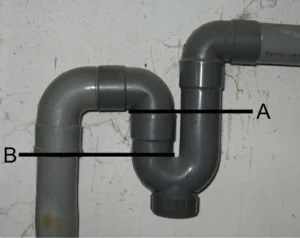
Kitchen sink pipes are common entry points. Look under your sink where the pipes go through the wall or floor. You’ll probably see gaps around them. These gaps might be small, but remember that mice only need an opening about the size of a dime to get through.
Bathroom pipes provide similar access. Pipes for sinks, bathtubs, showers, and toilets all create potential entry points. The gaps around these pipes can be behind walls where you can’t easily see them.
Washing machine and dishwasher connections are other weak spots. These appliances need water supply lines and drain pipes, and the openings for these connections are rarely sealed properly.
Outside your home, pipes that come through the foundation are major entry points. Your main water line, sewer line, and any outdoor faucet connections all create gaps that mice can exploit.
Can Mice Climb Up Drain Pipes?
Yes, mice can actually climb up the inside of drain pipes, though it’s not their preferred method of entry. This ability surprises a lot of people, but mice are really good climbers.
Drain pipes have rough interiors that give mice something to grip. They can brace themselves against the sides of the pipe and work their way up. It’s not easy for them, but they can do it if they need to.

Vertical pipes are harder for mice to climb than angled ones. If your drain pipe goes straight up with no bends, it’s less likely (but still possible) for a mouse to make the climb.
Dry pipes are easier to climb than wet ones. If a drain hasn’t been used in a while, mice have an easier time getting up it. The water and slippery residue in frequently used drains make climbing much harder.
Floor drains in basements, garages, or laundry rooms are particularly vulnerable. These drains often don’t get used regularly, so they stay dry. A mouse can easily come up through a dry floor drain.
Toilets are the least likely entry point for mice coming up through pipes. The water in the bowl and the S-bend trap make it almost impossible for mice to swim through. However, they can still come in through gaps around the base of the toilet where it meets the floor.
Signs That Mice Are Using Your Pipes
If mice are getting in through your pipes, you’ll notice certain signs that point to this entry method.
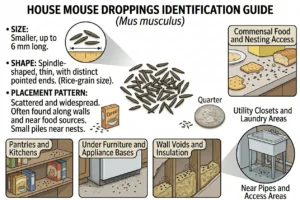
Droppings around pipes are the most obvious sign. Check under sinks, behind toilets, and near any visible pipes. If you see droppings concentrated in these areas, pipes are probably the entry point.
Grease marks along pipes show where mice have been traveling. Mice have oily fur, and as they squeeze past pipes, they leave dark smudges. These marks are especially visible on white or light-colored pipes.
Scratching sounds from walls or floors near pipes might be mice moving through the gaps around them. You’ll probably hear these sounds more at night when mice are most active.
Water stains or moisture around pipes can create conditions that attract mice. If you have slow leaks, mice are drawn to the water source, and the gaps around leaking pipes are often larger due to water damage.
An unusual smell near drains or pipes might mean mice are living or have died in that area. Dead mice in pipes or walls create a strong, unpleasant odor that gets worse over time.
The Connection Between Sewer Pipes and Mice
Sewer pipes are a direct highway from the outside world into your home. Mice living in sewers can use these pipes to access your house.
City sewer systems provide shelter for large populations of mice and rats. These rodents live in the sewer tunnels where they find food scraps, water, and protection from weather and predators.
Your home’s sewer pipe connects to the main sewer line. Any gaps, cracks, or openings in this connection let mice travel from the public sewer into your private pipes.
Old or damaged sewer pipes are especially problematic. If your sewer pipe has cracks or breaks, mice can get in through these damaged spots. Clay pipes, which are common in older homes, are particularly prone to cracking.
The pipe that vents your sewer system goes up through your roof. If the vent cap is missing or damaged, mice can enter from the roof and travel down through the vent pipe into your plumbing system.
Mice coming from sewers often carry more diseases than mice from other sources. Sewer mice have been exposed to all sorts of bacteria and parasites, making them particularly dangerous to have in your home.
Gaps Around Pipes: The Real Problem
Most of the time, mice aren’t traveling through the actual pipes. They’re using the gaps around pipes as entry points.
Foundation penetrations are major weak spots. Wherever a pipe passes through your foundation, there’s likely a gap. These gaps might be filled with old, crumbling material or not sealed at all.
Wall penetrations work the same way. Pipes traveling through walls create openings that mice can use to move between rooms or floors of your home.
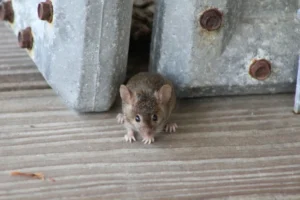
The space between floors is another issue. In multi-story homes, pipes running vertically create gaps between floors. Mice can use these spaces like elevators to travel up and down.
Insulation around pipes can actually help mice. When pipes are wrapped in foam insulation, mice can nest in this material while using the gaps around the pipes as travel routes.
Expansion and settling of your home can create new gaps over time. Even if pipes were sealed when they were installed, your house shifts slightly over the years. This movement can open up cracks and gaps that weren’t there before.
How to Check If Mice Are Using Your Pipes
Finding out if mice are using your pipes takes some detective work, but it’s not too hard to do.
Start in your basement or crawl space. Look at where pipes enter your home from outside. Use a flashlight to check for gaps, droppings, or grease marks around these pipes.
Check under every sink in your house. Open the cabinet doors and look at where pipes go through the back wall or floor. Feel around the pipes for gaps (you might not be able to see them in dark cabinets).
Inspect around your water heater. Water heaters have multiple pipe connections, and the areas around these connections are often poorly sealed.
Look behind your washing machine and dishwasher. You’ll need to pull these appliances out slightly to see the pipe connections. Check for gaps and signs of mice.
Examine the areas around bathtubs and showers. This is harder because many pipe connections are behind walls or under floors, but check any access panels you have.
Go outside and walk around your home’s foundation. Look for pipes coming through the foundation and check if the gaps around them are sealed. Common pipes to check include outdoor faucets, AC lines, and the main water supply.
Use a smoke pencil or incense stick to find gaps you can’t see. Hold the smoke near pipes and watch where it gets sucked in. If smoke disappears into a gap, air (and mice) can get through there.
How to Seal Gaps Around Pipes
Once you’ve found gaps around your pipes, sealing them is the next step. The right materials and methods depend on where the gaps are.
For small gaps (less than 1/2 inch), use caulk. Choose a waterproof caulk that’s appropriate for your location. For outdoor gaps, use exterior caulk. For indoor gaps near water (like under sinks), use mold-resistant bathroom caulk.
For medium gaps (1/2 inch to 2 inches), stuff steel wool into the gap first, then cover it with caulk or expanding foam. Mice can’t chew through steel wool, so this creates a barrier they can’t penetrate.
For large gaps (over 2 inches), use metal mesh or hardware cloth cut to size. Stuff this into the gap, secure it if necessary, then seal over it with expanding foam or mortar.
Expanding foam works well for many pipe gaps. Use the kind that’s designed for pest control (it often contains ingredients that discourage rodents). Regular expanding foam can be chewed through by determined mice.
For foundation penetrations, use hydraulic cement or mortar. These materials create a strong, permanent seal that can withstand outdoor conditions and rodent teeth.
Don’t forget to seal gaps on both sides of walls. If a pipe goes through an exterior wall, seal the gap on both the inside and outside.
Check your work after it dries. Sometimes expanding foam shrinks or caulk cracks as it cures, creating small gaps that need a second application.
Special Situations: Floor Drains and Cleanouts
Floor drains and sewer cleanouts need special attention because they’re designed to stay open but can let mice in.
Floor drains should have traps that hold water. This water barrier prevents sewer gases (and mice) from coming up through the drain. If a floor drain hasn’t been used in a while, the water in the trap evaporates.
Pour water down unused floor drains regularly. Adding a cup of water every few weeks keeps the trap filled and prevents mice from climbing through.
For drains that never get used, install a drain cover or plug. You can buy covers specifically designed to let water through but keep pests out.
Sewer cleanout caps should be tight and in good condition. These are the access points for cleaning out your sewer line, usually located in basements or outside your home. If the cap is loose or missing, mice can get in.
Check cleanout caps periodically. Make sure they’re screwed on tight and the rubber gaskets aren’t cracked or missing. Replace damaged caps right away.
Backwater valves can prevent mice from coming in through your sewer line. These valves allow water to flow out but prevent anything from coming back in. They’re especially useful in older homes with damaged sewer pipes.
Can Mice Come Up Through Toilets?
The idea of a mouse coming up through your toilet is pretty terrifying, but fortunately, it’s very rare. The toilet’s design makes this extremely difficult.
The S-bend trap in your toilet holds water. This water barrier blocks sewer gases and also blocks mice. A mouse would have to swim underwater through the S-bend, which they really don’t want to do.
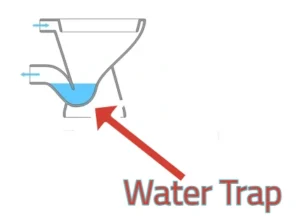
However, mice can squeeze through the gap between the toilet base and the floor. If this seal is broken or was never properly done, mice can come up around the outside of the toilet pipe.
Check the caulk or wax ring around your toilet base. If you see gaps or cracks, this seal needs to be replaced. Toilets should be sealed completely where they meet the floor.
The rare cases of mice in toilets usually happen when the toilet hasn’t been used in a long time. If a vacation home or abandoned building has a toilet that’s been dry for months, the water barrier evaporates, making it possible (but still unlikely) for a mouse to climb through.
If you find a mouse in your toilet, it probably didn’t swim up through the pipes. It more likely fell in while exploring your bathroom and got trapped.
Other Rodents That Use Pipes
Mice aren’t the only rodents that can come in through pipes. Rats have similar abilities, though their size limits what they can do.
Norway rats are excellent swimmers and are known for coming up through toilets. They’re much bigger than mice, so they need larger gaps and pipes to travel through.
Roof rats are great climbers and often use pipes on the outside of buildings to reach upper floors. They can then enter through gaps where pipes penetrate walls.
The methods to keep rats out are similar to keeping mice out, but you need to be more thorough. Rats can chew through some materials that stop mice, so use metal mesh and stronger sealants.
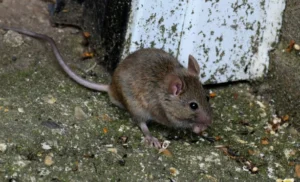
If you’re dealing with rats instead of mice, the gaps around your pipes might be larger. Rats need openings about the size of a quarter, while mice only need dime-sized openings.
Water Pipe vs. Drain Pipe Entry
Mice use water supply pipes and drain pipes differently, and understanding this helps you seal the right areas.
Water supply pipes are usually smaller and have water under pressure. Mice don’t travel through the actual pipes, but they use gaps around these pipes. Common entry points are where supply pipes come through your foundation or where they go under sinks.
Drain pipes are larger and don’t always have water in them. These pipes are more likely to allow mice to climb through them, especially floor drains and basement drains that don’t get used often.
Vent pipes are part of your drain system and go up through your roof. These pipes are meant to be open to the air, but they should have vent caps with screens. If the screen is damaged or missing, mice can enter from the roof.
Supply pipes coming from outside are particularly important to seal. Your main water line comes in from the municipal water supply, and the gap where it enters is often large and poorly sealed.
Preventive Maintenance for Pipes
Regular maintenance can stop mice from using your pipes as entry points. Make these checks part of your home care routine.
Inspect pipe penetrations twice a year. Check in spring and fall, looking for any new gaps or damage to existing seals. Mice are most likely to try getting inside in fall when weather gets cold.
Fix leaks promptly. Besides wasting water, leaks attract mice and can damage the seals around pipes, creating larger gaps.
Keep areas around pipes clean and accessible. Don’t stack storage boxes around exposed pipes in basements or under sinks. You need to be able to see and check these areas regularly.
Trim vegetation away from where pipes enter your home. Bushes and plants give mice cover to approach pipes unnoticed.
Have your sewer line inspected if your home is more than 30 years old. Old sewer pipes can have cracks and breaks that you can’t see, and these damage spots allow mice to enter your plumbing system.
Update old plumbing when possible. If you’re renovating or having plumbing work done, make sure the contractor properly seals all pipe penetrations with appropriate materials.
Professional Help for Pipe-Related Mouse Problems
Sometimes you need professional help to deal with mice coming in through pipes. Here’s when to call for help.
If you’ve sealed visible gaps but mice keep appearing, they might be using pipes inside walls that you can’t access. A pest control professional or plumber can use inspection cameras to find these hidden entry points.

When you have mice coming from your sewer line, this often means damage to your main sewer pipe. A plumber with sewer inspection equipment can find and fix these problems.
If you’re not comfortable sealing gaps yourself (especially around gas lines or in hard-to-reach areas), hire a professional. Improper sealing around some pipes can create safety hazards.
Large infestations that don’t respond to DIY efforts need professional pest control. They have stronger methods and can find entry points you might miss.
If you’re buying an older home, consider having the plumbing and pipe penetrations inspected. Finding and fixing problems before you move in saves a lot of trouble later.
Conclusion
Mice can definitely come in through pipes, though they usually use the gaps around pipes rather than climbing through the actual pipes themselves. Any place where a pipe passes through a wall, floor, or foundation is a potential entry point.
The most vulnerable spots are under sinks, around washing machines, where pipes enter through your foundation, and floor drains that don’t get used regularly. Even well-maintained homes can have small gaps that mice exploit.
Sealing these gaps takes some work, but it’s one of the most effective ways to keep mice out. Use the right materials for each situation (steel wool and caulk for small gaps, metal mesh and foam for larger ones), and check your seals regularly.
Don’t forget about drain traps and sewer connections. Keep water in floor drain traps, make sure toilet seals are good, and check that sewer cleanout caps are tight.
If you’ve sealed all the obvious entry points but still have mice, they might be using pipe routes you can’t easily access. In these cases, professional help can find and fix the problem. The investment in proper sealing and pest control is worth it for the peace of mind and health safety it provides.

Hi, my name is Ezra Mushala, i have been interested animals all my life. I am the main author and editor here at snakeinformer.com.