
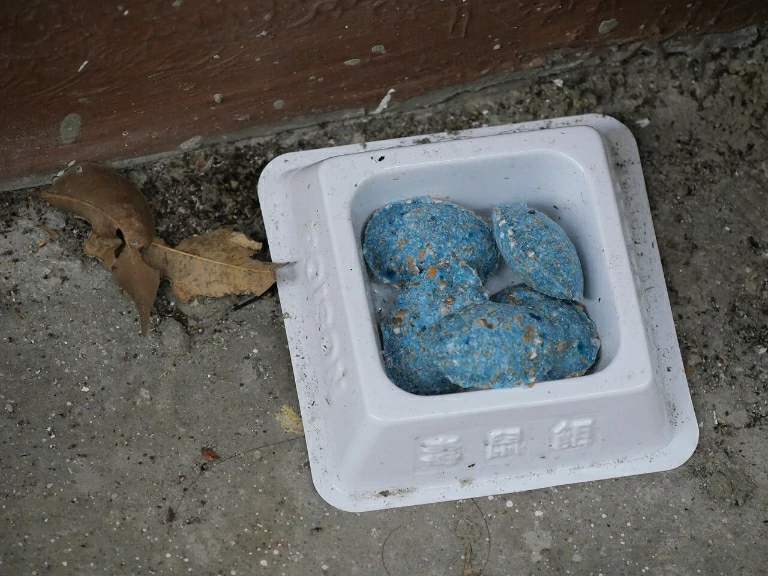
Zinc phosphide is one of the oldest and most widely used rat poisons in the world. It’s been around since the early 1900s and is still popular today because it works fast and costs less than many newer options. But what rat poison has zinc phosphide?
Many commercial rat poisons contain zinc phosphide, including ZP Tracking Powder, ZP Rodent Bait AG, Prozap Zinc Phosphide Pellets, and several agricultural-grade products. The most reliable way to identify zinc phosphide bait is to check the product label for “zinc phosphide” in the active ingredient section.
Zinc phosphide products are particularly common in agricultural settings where farmers need to control large rat populations in barns, grain storage facilities, and open fields.
These products come in different forms like pellets, powder, and grain-coated baits, making them versatile for different situations.
How Zinc Phosphide Rat Poison Works
When a rat eats zinc phosphide bait, something interesting happens inside its stomach.
The zinc phosphide reacts with the stomach acid and moisture to create a toxic gas called phosphine.
This gas is what actually kills the rat, not the zinc phosphide itself.
The phosphine gas damages the rat’s internal organs, particularly the heart, lungs, liver, and kidneys.
It also affects the central nervous system, causing the rat to become weak and disoriented.
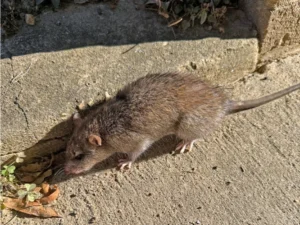
Death usually happens within a few hours to a couple of days after the rat eats enough bait.
One thing that makes zinc phosphide different from many other rat poisons is how quickly it works.
Rats don’t need to eat it multiple times over several days like they do with anticoagulant poisons.
Just one good meal of zinc phosphide bait can be enough to kill a rat.
Why Farmers and Pest Control Companies Use Zinc Phosphide
Zinc phosphide has some benefits that make it appealing, especially for people dealing with large rat problems.
First, it’s relatively cheap compared to newer rat poisons on the market. When you’re treating a big area like a farm or warehouse, cost really matters.
Second, it works fast. Farmers don’t want rats eating their stored grain for weeks while waiting for a slow-acting poison to work.
With zinc phosphide, rats start dying within hours, and the problem gets solved quickly.
Third, there’s less risk of secondary poisoning compared to some other rat poisons. Once the phosphine gas forms and does its job, it breaks down fairly quickly.
This means if a cat or owl eats a dead rat that was poisoned with zinc phosphide, they’re less likely to get poisoned themselves (though it can still happen if the rat just ate the bait recently).
Common Zinc Phosphide Products You’ll Find
If you walk into a farm supply store or look online for professional-grade rat control products, you’ll see several zinc phosphide options.
ZP Tracking Powder is popular for places where rats run along walls and beams. The rats walk through the powder, then lick it off their feet and fur while grooming, and that’s how they ingest it.
ZP Rodent Bait AG comes in pellet form and is designed for outdoor agricultural use. It’s made to withstand some moisture without breaking down immediately, though it won’t last through heavy rain.
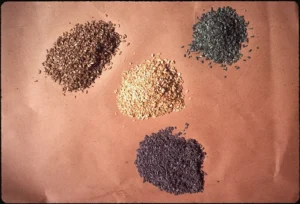
Farmers often put it in bait stations or scatter it in areas where livestock and pets can’t reach it.
Prozap Zinc Phosphide Pellets are another common option. These look like small black or dark gray pellets, about the size of a grain of rice.
They have that characteristic garlic smell that zinc phosphide is known for. Some rats are actually attracted to this smell, while others avoid it.
There are also grain-based zinc phosphide baits where whole grains like oats or wheat are coated with the poison. Rats love grains, so these baits are often very effective.
The problem is that birds and other wildlife also love grains, which is why these products need to be used carefully.
| Zinc Phosphide Product | Form | Typical Use | Key Characteristics |
|---|---|---|---|
| ZP Tracking Powder | Powder | Areas where rats run along walls and beams | Rats walk through the powder, then ingest it while grooming |
| ZP Rodent Bait AG | Pellets | Outdoor agricultural rodent control | Designed to withstand some moisture, though heavy rain can break it down |
| Prozap Zinc Phosphide Pellets | Pellets | Outdoor/agricultural rodent control | Small pellets containing zinc phosphide |
| Grain-Based Zinc Phosphide Baits | Whole grains | Agricultural and outdoor rodent control | Grains such as oats, wheat, or corn can be treated with zinc phosphide |
| Zinc Phosphide Granular Baits | Granules | Agricultural and outdoor rodent control | Zinc phosphide is formulated into granular bait |
| Zinc Phosphide Meal Baits | Meal | Rodent control | Zinc phosphide can be incorporated into meal-based bait formulations |
| Zinc Phosphide Treated Grain | Treated grain | Agricultural rodent control | Whole grains can be treated with zinc phosphide for use as rodent bait |
| Zinc Phosphide Dust Formulations | Dust | Bait preparation and specific regulated uses | Zinc phosphide is available in dust formulations intended for specified pesticide uses |
How to Identify Zinc Phosphide Rat Poison
If you find rat poison somewhere and need to know if it contains zinc phosphide, there are a few ways to tell.
First, check the label if there is one. The active ingredient list will say “zinc phosphide” and give a percentage, usually between 2% and 10%.
If there’s no label, look at the color. Zinc phosphide products are almost always dark gray or black. This is very different from the bright colors you see with many anticoagulant rat poisons, which are often blue, green, or red.
Next, smell it carefully (but don’t get too close or inhale deeply). Zinc phosphide has a very distinctive smell that people describe as garlicky or like rotten fish.
If the bait smells strongly of garlic or sulfur, there’s a good chance it contains zinc phosphide.
The form also gives you clues. If it’s a tracking powder, pellets, or grain-based bait that’s dark colored and smells like garlic, zinc phosphide is likely.
Most anticoagulant poisons come in wax blocks or pellets that are brightly colored and don’t have a strong smell.
Checking the active-ingredient section of the label is the single most reliable way of knowing if a rat poison contains Zinc Phosphide. Every way listed here is not as accurate as checking the label.
Safety Concerns with Zinc Phosphide
Zinc phosphide is dangerous to more than just rats. It can poison any mammal that eats it, including dogs, cats, livestock, and humans. Even small amounts can make a pet very sick, and larger amounts can be fatal.
The phosphine gas that forms in the stomach is highly toxic. In humans, zinc phosphide poisoning can cause nausea, vomiting, stomach pain, difficulty breathing, and in severe cases, death.
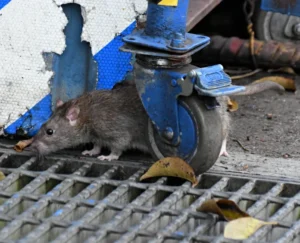
There’s no specific antidote for zinc phosphide poisoning, so treatment focuses on supportive care and trying to prevent the stomach from producing more phosphine gas.
Pet poisoning is a real concern. Dogs are particularly at risk because they’re curious and will eat things they find. If a dog eats zinc phosphide bait directly, it can be deadly.
Even eating a rat that just consumed the bait can poison a dog, though this is less common than direct ingestion.
Children are also at risk, especially on farms or in rural areas where zinc phosphide might be used more casually. The pellets can look like food to a small child, and the garlic smell might not be enough to deter them.
This is why zinc phosphide products should always be stored in locked cabinets and used in tamper-resistant bait stations.
Why Some People Avoid Zinc Phosphide
Despite its effectiveness, many homeowners and even some pest control professionals avoid zinc phosphide for several reasons. The biggest concern is safety. It’s just too dangerous to use around homes where pets and children live.
Another issue is that rats can develop bait shyness with zinc phosphide. If a rat eats a small amount of the bait (not enough to kill it but enough to make it feel sick), it’ll avoid that bait in the future.
It might even avoid anything that smells or looks similar. This means the poison becomes less effective over time in areas where it’s used repeatedly.
Some people also don’t like how zinc phosphide smells. That strong garlic odor can linger in enclosed spaces like basements or crawl spaces. If you use it indoors, you might smell it for days or even weeks.
There’s also the issue of dying rats. Because zinc phosphide works fairly quickly, rats often die in hidden places where they’ve gone to hide. This can lead to odor problems as the bodies decompose.
With slower-acting poisons, rats sometimes die outside while foraging, but zinc phosphide tends to kill them before they get that far from their nests.
Proper Storage and Handling
If you do use zinc phosphide rat poison, proper storage is critical. Keep it in its original container with the label intact.
Store it in a locked cabinet or storage area where children and pets absolutely can’t reach it.
Don’t transfer it to other containers, especially not food containers or unmarked bottles.
When handling zinc phosphide products, wear gloves. Don’t eat, drink, or smoke while handling it, and wash your hands thoroughly when you’re done.
Don’t apply it with your bare hands, even if you’re just scattering pellets.
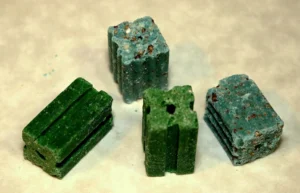
Use bait stations whenever possible instead of just scattering the poison around. Bait stations are locked boxes that rats can enter but pets and children can’t.
This dramatically reduces the risk of accidental poisoning. Many areas actually require bait stations by law when using certain rat poisons.
Keep records of where you put the bait. This might seem like overkill, but if a pet or child gets poisoned, you need to be able to tell the vet or doctor exactly what product was used and how much was put out. This information can save a life.
Alternatives to Zinc Phosphide
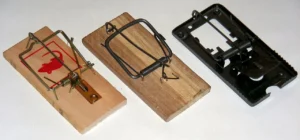
If you’re concerned about the safety issues with zinc phosphide, there are other options. Snap traps and electronic traps kill rats without poison.
They’re safe around pets and children when used correctly, and you don’t have to worry about secondary poisoning or rats dying in your walls.
First-generation anticoagulant poisons like warfarin are safer than zinc phosphide in terms of secondary poisoning risk. They’re also slower acting, which means rats are less likely to develop bait shyness.
However, many rat populations have developed resistance to these older anticoagulants.
Second-generation anticoagulants like bromadiolone and brodifacoum are very effective but come with their own risks. They’re more likely to cause secondary poisoning because they persist in a rat’s body longer.
If an owl or cat eats a poisoned rat, there’s a higher chance the predator will also be poisoned.
Natural deterrents and exclusion methods are the safest options. Sealing up entry points so rats can’t get into your home or barn, removing food sources, and using peppermint oil or ultrasonic devices might help.
These methods take more work and aren’t always 100% effective, but they don’t pose poisoning risks.
What to Do If Someone or a Pet Eats Zinc Phosphide
If a person eats zinc phosphide rat poison, call 911 or the Poison Control Center immediately at 1-800-222-1222. Don’t wait to see if symptoms develop. Time is critical with zinc phosphide poisoning.
Don’t try to make the person vomit unless a medical professional tells you to. Sometimes vomiting can make things worse by releasing phosphine gas into the lungs. Just get medical help as fast as you can.
For pets, call your veterinarian or an emergency animal hospital right away. Tell them you suspect zinc phosphide poisoning and when the exposure might have happened.
If you still have the product container, bring it with you so the vet can see the exact formulation and concentration.
The vet might induce vomiting if the pet just ate the poison and it’s safe to do so. They might also give activated charcoal to absorb any remaining poison in the stomach.
Treatment often includes IV fluids, medications to protect the stomach lining, and oxygen therapy if breathing is affected.
The sooner treatment starts, the better the chances of survival. Don’t wait to see if your pet shows symptoms. By the time symptoms appear, significant damage might already be done.
Conclusion
Zinc phosphide rat poisons like ZP Tracking Powder, ZP Rodent Bait AG, Ridall Zinc Phosphide Pellets, and Prozap products are widely used, especially in agricultural settings. You can identify them by their dark gray or black color and distinctive garlic smell.
While zinc phosphide is effective and relatively inexpensive, it comes with serious safety concerns. It’s highly toxic to pets, children, and wildlife.
If you choose to use it, always follow label directions carefully, use bait stations, and store it securely.
For many homeowners, safer alternatives like snap traps or professional pest control services make more sense.
The risk of accidental poisoning just isn’t worth it when you have pets or children around. If you do use zinc phosphide, treat it with the respect it deserves and never get casual about safety precautions.

Hi, my name is Ezra Mushala, i have been interested animals all my life. I am the main author and editor here at snakeinformer.com.