
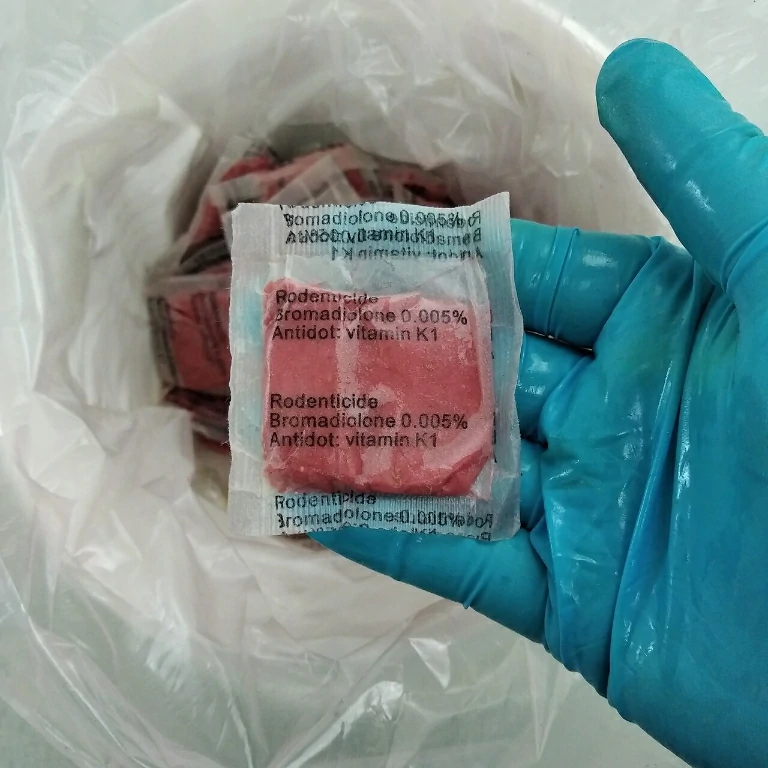
If you’re dealing with both rats and cockroaches in your home, you might wonder if you can use one product to handle both problems.
Rat poison is designed to kill rodents, but cockroaches are insects with completely different biology. This raises an interesting question about whether rat poison would work on roaches. Does rat poison kill cockroaches?
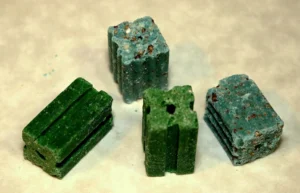
No, rat poison doesn’t kill cockroaches. Rat poison is specifically designed to work on mammals and targets their blood clotting system or nervous system. Cockroaches have completely different biology, so rat poison won’t harm them even if they eat it.
The chemicals that kill rats don’t affect insects in the same way. Cockroaches can actually walk through rat poison, eat it, or live near it without any problems.
If you want to get rid of cockroaches, you need products specifically designed for insects.
Why Rat Poison Doesn’t Work on Cockroaches
Understanding why rat poison fails against cockroaches requires looking at how the poison actually works and how different cockroach biology is from rat biology.
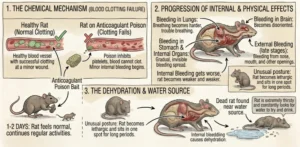
Most rat poisons use anticoagulants. These chemicals stop blood from clotting properly. In rats and other mammals, blood needs to clot to prevent excessive bleeding from injuries. The anticoagulant causes internal bleeding that eventually kills the rat.
Cockroaches don’t have blood the way mammals do. They have something called hemolymph, which is different from blood.
Hemolymph doesn’t clot like mammal blood does. It works more like a hydraulic fluid that helps cockroaches move and carries nutrients around their bodies.
Because cockroaches don’t rely on blood clotting, anticoagulant rat poison has no effect on them. The poison might pass through their digestive system, but it won’t cause the internal bleeding that kills rats.
Some rat poisons use bromethalin, which attacks the nervous system. You might think this would work on cockroaches since they have nervous systems too.
But bromethalin is designed specifically for mammalian nervous systems. The way it interacts with nerve cells in mammals doesn’t translate to insects.
Zinc phosphide rat poisons release toxic gas in the stomach. Cockroaches have different digestive chemistry than rats. The gas that forms in a rat’s acidic stomach doesn’t form the same way in a cockroach’s digestive tract.
What Happens If Cockroaches Eat Rat Poison
Even though rat poison won’t kill cockroaches, they might still eat it. Cockroaches will eat almost anything, including rat poison. So what happens when they do?
The cockroach will ingest the poison just like it would any other food. The poison passes through the cockroach’s digestive system.
The cockroach breaks down the bait material (grains, peanut butter, etc.) for nutrition.
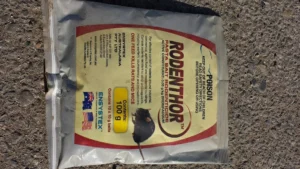
The active poison ingredients don’t get absorbed in a way that harms the cockroach. The chemicals might pass through completely unchanged, or they might get broken down by the cockroach’s digestive enzymes. Either way, they don’t accumulate to toxic levels.
The cockroach continues living normally. You won’t see any signs of poisoning like you would in a rat. The cockroach doesn’t get weak, sick, or die. It just moves on to find its next meal.
In fact, cockroaches might be attracted to rat poison because of the bait material. If the poison uses grain-based bait, cockroaches will happily eat it. They’re getting a meal without any harmful effects to them.
This can actually become a problem. If you put out rat poison and cockroaches eat it all before the rats find it, you’ve wasted your poison.
The rats never get the dose they need, and the cockroaches are just getting free food.
The Different Biology of Insects vs. Mammals
The reason rat poison doesn’t work on cockroaches highlights some really important differences between insects and mammals. These differences are why you need completely different products for different pests.
Mammals like rats have closed circulatory systems with blood vessels. Blood moves through arteries and veins in a specific path. This system relies on the heart pumping and blood clotting to prevent leaks.
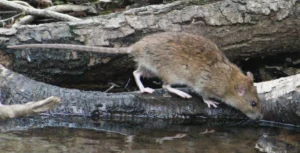
Insects have open circulatory systems. Their hemolymph just sloshes around inside their body cavity. There are no blood vessels. The heart pumps hemolymph, but it doesn’t flow through vessels. It just fills the body cavity and bathes the organs directly.
Mammal nervous systems use specific neurotransmitters and have nerve cells with myelin sheaths. Poisons designed for mammals target these specific features. Insect nervous systems work differently and use different neurotransmitters.
Mammals breathe through lungs. Insects breathe through tiny tubes called spiracles that run throughout their bodies. This different respiratory system means respiratory poisons that work on mammals don’t work on insects.
The digestive systems are different too. Mammals have complex digestive tracts with specific pH levels and enzymes. Insects have simpler digestive systems that work differently. Poisons that activate in a mammal’s stomach might not activate in an insect’s gut.
These fundamental biological differences mean that a chemical that’s deadly to one group can be harmless to another. This is why pest control is so specific. You need the right tool for the right pest.
What Actually Kills Cockroaches
If rat poison won’t work, what should you use for cockroaches? There are several types of products specifically designed to kill these insects.
Cockroach baits use different active ingredients than rat poison. Common ones include fipronil, hydramethylnon, and indoxacarb.
These chemicals are specifically designed to work on insect nervous systems and metabolism.
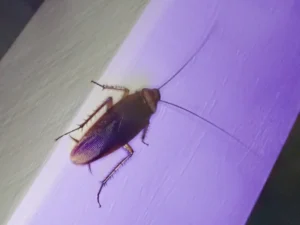
These insecticides disrupt nerve signals in insects. They cause the cockroach’s nervous system to malfunction, leading to paralysis and death.
Because they target insect-specific nerve chemistry, they’re much more effective on cockroaches than anything designed for rats.
Boric acid is another common cockroach killer. It works by damaging the cockroach’s digestive system and exoskeleton. When cockroaches groom themselves, they ingest the boric acid and it kills them from the inside.
Contact sprays use insecticides that work on touch. You spray the cockroach directly or spray surfaces where cockroaches walk. When they come in contact with the chemical, it penetrates their exoskeleton and kills them.
Growth regulators are chemicals that mess up the cockroach’s development. They prevent young cockroaches from maturing into adults.
This doesn’t give instant results like poison does, but it reduces the population over time.
Insecticidal dusts like diatomaceous earth work mechanically, not chemically. The tiny sharp particles damage the cockroach’s exoskeleton, causing them to dehydrate and die. This works on insects but would do nothing to a rat.
Can Using Both Products Together Cause Problems?
If you have both rats and cockroaches, you might want to use rat poison and cockroach killer at the same time. This can work, but there are some things to watch out for.
Using both products in the same location can lead to competition for bait. If you put rat poison in one spot and cockroach bait nearby, you need to make sure rats don’t eat the cockroach bait and cockroaches don’t fill up on rat poison.
Both scenarios waste your products.
Some insecticides can be harmful to mammals too. If you’re using spray insecticides for cockroaches, make sure they’re safe to use around areas where you’ve put out rat poison.
You don’t want to accidentally poison yourself or your pets with a combination of chemicals.
Bait stations help solve this problem. Rat bait stations are designed to let rats in but keep insects out.
Cockroach bait stations are designed for cockroaches. Using proper stations keeps each pest eating the right poison.
The timing of treatments matters too. If you spray insecticide everywhere, you might drive rats away from areas where you’ve put out poison. Strong chemical smells from insecticides can make rats avoid those areas.
It’s usually best to focus on one problem at a time. Deal with the rats first, then tackle the cockroaches, or vice versa.
This lets you concentrate your efforts and money on solving each problem effectively.
Why Some People Think Rat Poison Works on Cockroaches
There are some misconceptions about rat poison working on cockroaches. Understanding where these ideas come from helps you see why they’re wrong.
Some people see fewer cockroaches after putting out rat poison and assume the poison killed them. In reality, the cockroaches might have left for other reasons.
Maybe you cleaned more while dealing with the rat problem. Maybe you sealed up holes that both rats and cockroaches were using.
Cockroach populations can drop naturally due to other factors. If you put out rat poison at the same time, you might incorrectly connect the two events. This is correlation without causation.
Some rat poisons come in packages that mention “rodents and other pests.” This vague language makes people think the poison works on everything. But “other pests” usually means other rodents like mice, not insects like cockroaches.
Dead cockroaches found near rat poison might have died from other causes. Cockroaches die from all sorts of reasons including predators, disease, old age, and other pest control methods you might be using.
Finding a dead cockroach near rat poison doesn’t mean the poison killed it.
Some people confuse rat poison with products that actually do work on multiple pest types. There are some pesticides designed to kill various pests, but these are different products with different active ingredients than rat poison.
The Right Approach to Multiple Pest Problems
When you’re dealing with both rats and cockroaches, you need a comprehensive approach that addresses each pest appropriately. Using the wrong products wastes time and money.
Start by identifying all the pests you have. Make sure you know you’re dealing with rats and cockroaches specifically. Different rodents and different insects might need different treatments.
Address the conditions that attract pests. Both rats and cockroaches are drawn to food, water, and shelter. Clean up food spills, fix leaky pipes, seal garbage, and reduce clutter.

These steps help with both problems at once.
Use the right products for each pest. Get rat poison or traps for the rats. Get cockroach bait or insecticide for the cockroaches. Don’t expect one product to handle both.
Focus on one problem if it’s worse than the other. If you have a serious rat infestation and just a few cockroaches, deal with the rats first. If cockroaches are everywhere but you’ve only seen one rat, prioritize the cockroaches.
Consider calling professionals if you’re overwhelmed. Pest control companies can treat for multiple pests at once. They have access to better products and know how to use them together safely.
Keep up with prevention after treatment. Once you’ve killed the rats and cockroaches, take steps to keep them from coming back.
Seal entry points, maintain cleanliness, and monitor for new activity.
Alternative Uses for Rat Poison
Since rat poison doesn’t work on cockroaches, you might wonder what else it can and can’t be used for. Understanding its limitations helps you use it properly.
Rat poison works on rats and mice. These are both rodents with similar biology. If the package says “rodent poison” or “mouse and rat poison,” it’ll work on both because they’re closely related.
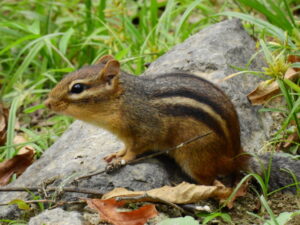
It might work on other small mammals like voles, shrews, or chipmunks. These aren’t rodents, but they’re mammals with similar biology to rats. However, using rat poison for these animals might not be legal depending on your location.
Rat poison won’t work on insects of any kind. Not cockroaches, not ants, not flies, not beetles. The biological differences are too great.
It won’t work on arachnids like spiders or scorpions either. These creatures have completely different body structures and chemistry from mammals.
It’s not effective on birds. While birds are more closely related to mammals than insects are, bird biology is still different enough that rat poison might not work well.
Some rat poisons can harm birds (especially birds of prey that eat poisoned rats), but it’s not an effective or legal way to control birds.
Never use rat poison on anything other than rats and mice unless the label specifically says it’s approved for that use. Using pesticides in ways not specified on the label is illegal and dangerous.
Safety Considerations
Understanding that rat poison doesn’t work on cockroaches has some safety implications you should be aware of.
If you’re using both rat poison and cockroach killer, be extra careful about pets and children. You now have two different toxic products in your home. Both need to be stored and placed safely.
Don’t assume that because rat poison won’t kill cockroaches, it’s safe around insects. The poison is still toxic to mammals. If your pet eats a cockroach that’s been walking through rat poison, the pet might still be exposed to the poison.
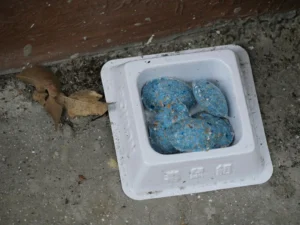
Label everything clearly. If you have multiple types of bait stations or poison out, mark what each one is for. This helps you keep track and also helps emergency responders if someone gets poisoned.
Keep all pest control products in their original packaging. This ensures you have the instructions and safety information available. It also prevents confusion about what product is what.
If someone ingests rat poison thinking it might help with cockroaches or any other pest, it’s still an emergency. Call poison control immediately. The fact that it doesn’t kill cockroaches doesn’t make it safe for humans.
Store rat poison and insecticides separately. Don’t keep them in the same cabinet or area. This reduces the risk of grabbing the wrong product or cross-contamination.
Conclusion
Does rat poison kill cockroaches? No, it doesn’t. Rat poison is designed specifically for mammals and works on their blood clotting or nervous systems. Cockroaches have completely different biology, so rat poison has no effect on them.
Cockroaches can eat rat poison without being harmed by it. The poison might pass through their digestive system, but it won’t kill them.
In fact, cockroaches might be attracted to rat poison because of the food-based bait material.
If you need to kill cockroaches, use products specifically designed for insects. Cockroach baits, insecticides, and other pest control products for insects contain different active ingredients that actually work on insect biology.
When dealing with both rats and cockroaches, use the appropriate products for each pest. Rat poison for rats, insecticide for cockroaches.
There’s no single product that effectively handles both because the biological differences are too great.

Hi, my name is Ezra Mushala, i have been interested animals all my life. I am the main author and editor here at snakeinformer.com.