
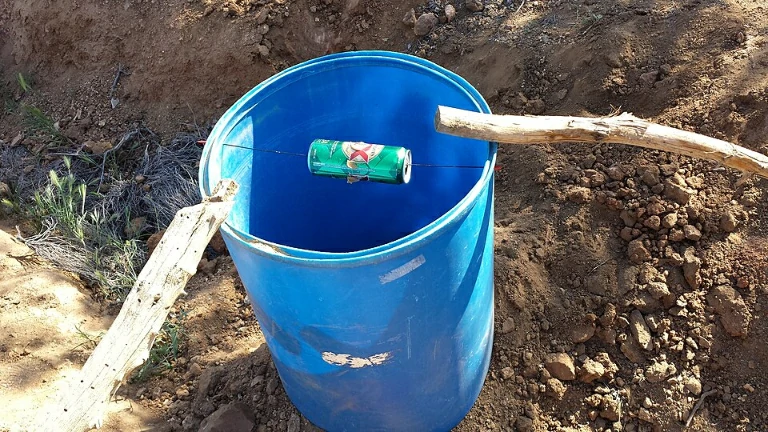
Setting a bucket trap and actually catching a rat is only part of the process. Once you check your trap and find one inside, a lot of people aren’t quite sure what the next step should be. So what should you actually do with rats in a bucket trap once you’ve caught one?
If the rat has drowned in a water trap, dispose of it in a sealed bag in an outdoor trash bin while wearing gloves. If the rat is still alive in a dry trap, you can either release it far from your home or humanely dispatch it, depending on local laws and your comfort level.
What you do next really depends on the type of trap you used and whether the rat is alive or not
. Either way, there are some important safety steps worth following before you do anything else.
First, Check Whether the Rat Is Alive or Not
Before deciding what to do, take a moment to check the situation in the bucket. If you used a water based trap filled to the right depth, the rat has most likely already drowned by the time you check it.
If you used a dry bucket trap without water, there’s a good chance the rat is still alive when you find it.
This changes your next steps quite a bit, since you’re now dealing with a live animal rather than disposal.

Either way, avoid reaching into the bucket with your bare hands. Rats can carry bacteria like salmonella.
A live rat may also bite or scratch if it feels threatened. It’s worth taking a moment to plan your next move safely.
Take a look at the rat’s position and behavior before doing anything else. A drowned rat will typically be floating or fully submerged, without any movement at all.
A live rat, on the other hand, might be pacing at the bottom of the bucket or trying to climb the walls.
If you’re not sure whether the rat is alive, it’s better to assume it is and approach carefully.
Giving the bucket a gentle nudge from a distance, using a stick or a similar tool, can help you confirm which situation you’re dealing with.
What to Do if the Rat Has Drowned
If the rat didn’t survive the trap, your main task is disposal. Put on a pair of disposable gloves before handling anything related to the bucket.
Direct contact with the rat or the water can expose you to bacteria.
Using a small shovel, tongs, or another tool, lift the rat out of the water and place it directly into a sealable plastic bag. Double bagging is a good idea, since it adds an extra layer of protection against leaks or tears.
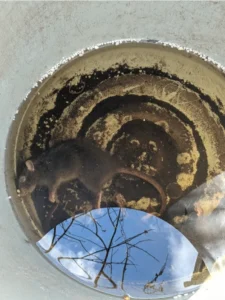
Once the rat is sealed inside the bag, tie it off tightly and place it in an outdoor trash bin. Avoid placing it in an indoor trash can. The smell can become unpleasant fairly quickly, especially in warm weather.
If you have access to a trash bin with a tight fitting lid, that’s the best option. It keeps other animals from being drawn to the smell.
Raccoons, stray cats, and other wildlife can sometimes be attracted to a trash bin if they catch the scent of something inside.
Check your local rules about disposing of dead animals too, since some areas have specific guidelines about this. In most places, a properly sealed bag in a regular outdoor trash bin is perfectly fine. But it doesn’t hurt to double check if you’re unsure.
Cleaning the Bucket After a Catch
After removing the rat, you’ll need to clean the bucket before using it again. Dump out the remaining water somewhere away from your home.
A drain works, or an area of your yard away from a garden or anywhere kids or pets play.
Wash the bucket thoroughly with soap and hot water, scrubbing both the inside and the rim where the rat may have made contact. A diluted bleach solution can also help disinfect the bucket if you want an extra layer of cleanliness.
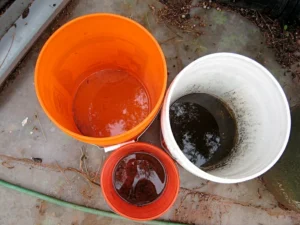
Let the bucket dry completely before setting it up again. This helps make sure any lingering smell or residue doesn’t interfere with your next attempt at catching another rat.
While you’re cleaning, take a moment to check the bucket and ramp for any damage too. Repeated use can wear down a wooden ramp or loosen a spinning rod setup. It’s worth making small repairs now rather than waiting until your next catch reveals a problem.
If you’re planning to reuse the same water for cleaning purposes, like rinsing off tools, make sure it’s disposed of somewhere away from your home’s water supply, garden, or any areas where kids or pets spend time.
What to Do if the Rat Is Still Alive
If you’re dealing with a live rat in a dry bucket trap, you have a couple of options. It depends on your comfort level and what’s allowed where you live.
Some areas have specific rules about releasing trapped rats, so check local regulations first.
If release is allowed and you’d prefer that option, transport the rat in the sealed bucket to a location well away from your home, ideally several miles if possible.

Releasing a rat too close to where you caught it often means it will simply find its way back.
If release isn’t an option or isn’t allowed in your area, humane dispatch is the other common choice. This is a personal decision.
If you’re not comfortable handling it yourself, many local pest control services or animal control offices can assist.
It’s worth mentioning that wildlife experts generally point out that releasing rats elsewhere doesn’t always solve the bigger picture. It just moves the problem to a new location rather than addressing it.
Because of this, a lot of people end up choosing humane dispatch instead, especially after dealing with repeated rat activity.
Whichever option you choose, try to make the decision ahead of time rather than figuring it out on the spot. Knowing your plan before you actually find a live rat in the trap makes the whole process go much more smoothly.
How to Safely Transport a Live Rat for Release
If you decide to release a live rat, safely getting it from your property to the release location takes a bit of planning. Keep the bucket covered with a lid, a board, or a heavy piece of cardboard during transport so the rat can’t escape early.
Avoid opening the bucket until you’ve reached your release location. Make sure that location is far enough from any homes or other buildings to reduce the chance of the rat becoming an issue for someone else.
Once you’re at the release site, tip the bucket on its side from a safe distance and allow the rat to leave on its own. Rats can move quickly once given the chance, so stand back and give it space to run off.
Try to choose a release site that has some natural cover nearby, like bushes, tall grass, or a wooded area, rather than an open field. This gives the rat a better chance of finding shelter quickly. It’s also less likely to head straight back toward populated areas.
Avoid releasing a rat near a school, park, or someone else’s home. This just shifts your problem onto someone else without actually solving anything. Look for an isolated area, ideally on public land or somewhere you know won’t cause issues for other people.
Should You Wear Gloves the Entire Time?
Wearing gloves is a smart choice throughout this entire process, whether you’re dealing with a live or drowned rat. Rats can carry bacteria on their fur, feet, and in their waste. Gloves add a simple layer of protection.
Disposable gloves work well for this kind of task, since you can just throw them away afterward. If you don’t have disposable gloves on hand, thick rubber gloves that you can wash and disinfect afterward work as a backup option.
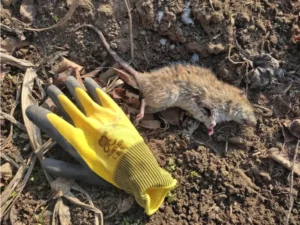
After you’re finished, whether you were wearing gloves or not, thoroughly washing your hands with soap and water is an important final step. This helps make sure any bacteria that transferred during the process doesn’t end up somewhere it shouldn’t.
Try to avoid touching your face, eyes, or mouth at any point during the process, even while wearing gloves. It’s an easy thing to forget in the moment, but sticking to this habit reduces your risk.
If you’re dealing with this process regularly because of an ongoing infestation, it might be worth keeping a small kit nearby with gloves, sealable bags, and hand sanitizer. That way you’re always ready to handle a catch safely.
What if You Find Multiple Rats in the Trap
In some cases, especially with a larger bucket, you might find more than one rat inside when you check your trap. This isn’t extremely common, but it can happen if multiple rats were active in the same area at once.
The same basic steps apply whether you’re dealing with one rat or several. If they’ve drowned, dispose of them together in a sealed bag. If they’re alive, release them together at the same location, or handle them individually depending on your comfort level.
Finding multiple rats in one trap can also be a helpful sign. It might mean you’re dealing with a bigger infestation than you initially thought, which is worth knowing if you’re deciding whether to set up more traps.
Signs You Might Need Additional Traps or Professional Help
If you’re consistently catching rats in your bucket trap, it’s a sign the method is working. But it might also mean you’re dealing with a larger population than a single trap can fully handle.
Setting up two or three traps in different spots around your property, following the same setup and bait guidelines, can help you catch more rats faster.
If you’re catching rats regularly over several weeks without the numbers slowing down, or if you’re noticing signs of rats getting into your home’s walls or attic, it might be worth reaching out to a professional pest control service.
Keeping Track of What You Catch
Keeping a simple log of when you catch a rat, where the trap was placed, and whether it was alive or not can actually be pretty useful information over time. This helps you notice patterns.
This kind of tracking can also help you figure out whether your efforts are actually reducing the rat population over time.
If the same level of activity keeps showing up no matter how many rats you catch, that might point to a bigger source of the problem, like an easy food source nearby.
You don’t need anything complicated for this. A simple notebook or even a note on your phone works fine. Just jot down the date, the trap location, and whether you caught anything. Over a few weeks, patterns usually start to become pretty clear.
If you notice one particular spot catching rats far more often than others, that’s a strong sign there’s something nearby drawing them in.
It could be a food source, a nesting spot, or an entry point into a building. Investigating that area further can sometimes solve the root of the problem.
This small habit of logging catches doesn’t take much effort, but it pays off over time. It turns guesswork into something closer to a clear picture of what’s actually happening around your property.
Handling the Emotional Side of Trapping
For a lot of people, dealing with a caught rat, whether alive or not, brings up some mixed feelings.
This is a completely normal reaction, especially if you’re not used to handling wildlife or pest situations on a regular basis.
It can help to remind yourself that trapping is a practical way to protect your home and health from the risks that come with a rat infestation, like property damage, contaminated food, and the spread of bacteria.
Approaching the process calmly makes it easier to handle, even if it’s not something you enjoy doing.
If you find the process particularly difficult, there’s no harm in reaching out to a local pest control service. They can handle the disposal or release portion for you, especially after the trap has already done its job.
There’s nothing wrong with asking for help on this part. Trapping the rat is often the hardest step, and once that’s done, handing off the rest to someone else is a perfectly reasonable choice.
Conclusion
What you do with a rat caught in a bucket trap really depends on whether it’s alive or not, and what method you originally used. If the rat has drowned, safely disposing of it in a sealed bag while wearing gloves, then cleaning the bucket thoroughly, is the way to go.
If the rat is still alive, you’ll need to decide between releasing it a safe distance away or handling it through humane dispatch.
Either way, taking basic safety precautions like wearing gloves and washing your hands afterward helps protect you from any bacteria the rat might be carrying.
Staying consistent with checking your traps, cleaning them properly after each catch, and adjusting your approach if you’re dealing with a bigger infestation all play a role in successfully managing a rat problem.
Handling the aftermath of a catch might not be the most pleasant part of using a bucket trap. But knowing exactly what to do ahead of time makes the whole process quick, safe, and a lot less stressful when the moment actually comes.
Once you’ve been through it a time or two, it stops feeling like a big deal. It just becomes one more routine step in getting your rat problem under control.
Stay consistent, stay safe, and the rest of the process falls into place naturally. A calm, prepared approach makes all the difference.

Hi, my name is Ezra Mushala, i have been interested animals all my life. I am the main author and editor here at snakeinformer.com.