
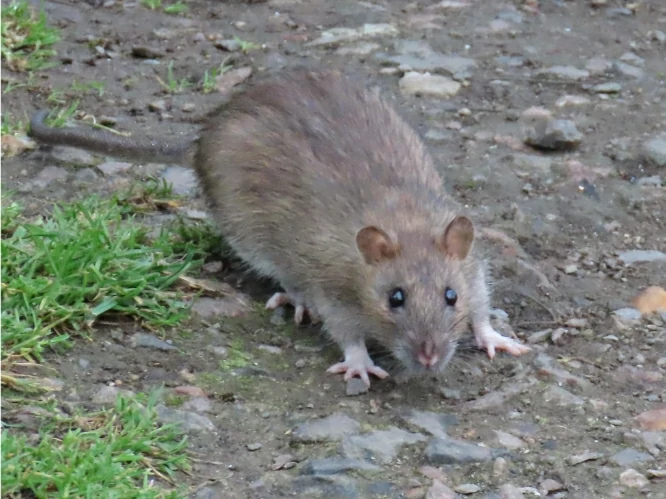
Bucket traps are one of the most popular do it yourself ways to deal with a rat problem. A lot of people choose to use water as part of the setup.
But getting the water level wrong can mean the difference between a trap that works and one that doesn’t. So how much water do you actually put in a rat trap bucket?
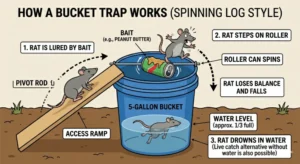
You should fill a rat trap bucket with about 4 to 6 inches of water, or roughly one third of the bucket. This is deep enough to drown a rat quickly, but not so deep that it splashes out or gives the rat something to stand on.
Getting this level right matters more than most people think. Too little water and the rat might be able to keep its head above the surface.
Too much water and it can slosh around or make too much noise. That noise might scare off other rats nearby.
Why Water Depth Actually Matters for a Bucket Trap
The whole idea behind a water bucket trap is pretty simple. A rat falls into the bucket. It can’t climb back out because the sides are too smooth and steep. It ends up in the water.
If the water isn’t deep enough, the rat might be able to touch the bottom of the bucket. It can keep its head up. This defeats the purpose of the trap.
You just end up with a stressed, wet rat that could still find a way to escape.
On the other hand, filling the bucket too full isn’t a good idea either. If the water is too close to the rim, it can splash out when the rat falls in.
That wastes water and creates a mess. It can also make it slightly easier for a rat to use the water’s surface tension and nearby debris to get a foothold.
A lot of people who set up their first bucket trap end up guessing at the water level. Honestly, that’s where most of the problems start.
Guessing usually means you either underfill it out of caution, or overfill it thinking more water means better results. Neither one works as well as sticking to the right range.
The good news is that once you know the right depth, setting up a bucket trap becomes a quick, repeatable process. You’re not reinventing the wheel every time. You’re just following a simple formula that works.
A Simple Table for Water Levels Based on Bucket Size
Since buckets come in different sizes, the exact amount of water you need can vary a bit. Here’s a simple breakdown to make it easier.
| Bucket Size | Recommended Water Depth | Approximate Water Amount |
|---|---|---|
| 2 gallon bucket | 3 to 4 inches | About 1 quart |
| 3 gallon bucket | 4 to 5 inches | About 1.5 quarts |
| 5 gallon bucket | 4 to 6 inches | About 2 quarts |
These numbers are just a general guide. The most important thing is to keep the water level at about one third of the bucket’s total height, so the rat can’t easily reach the bottom and stand.
If you’re using a bucket that isn’t a standard size, you don’t need to overthink it. Just measure about a third of the way up from the bottom.
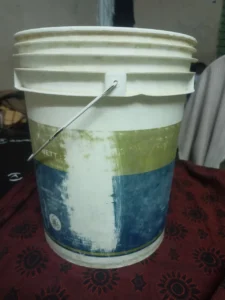
Fill it to that mark. As long as the water reaches somewhere in that 4 to 6 inch range for most home buckets, you’re in good shape.
It also helps to think about the size of the rats you’re dealing with. If you know you’re dealing with larger rats, lean toward the higher end of that range, closer to 6 inches.
That gives you a bit of extra room to work with. Smaller rats or mice can usually be handled with water on the lower end of that range.
Should You Use Plain Water or Add Anything to It?
Plain water works fine on its own. But a lot of people choose to add a small amount of dish soap to the water. This isn’t required, but it can make the trap more effective.
Dish soap breaks down the surface tension of the water. Normally, water has a slight tension on its surface.
That tension can help small animals float or paddle more easily. Adding soap reduces this tension, which makes it harder for a rat to stay afloat.
Just a small squirt of dish soap mixed into the water is enough. You don’t need to use a lot. You don’t need any special kind of soap either. Regular dish soap from your kitchen works just fine.
Some people also like to add a thin layer of peanut butter or oil along the inside rim of the bucket, just below the top edge.
This makes the surface even more slippery. If a rat’s claws do manage to catch the edge for a split second, they’re less likely to get a solid grip.
You don’t have to use soap at all if you’d rather keep things simple. Plain water still works. It just might take a rat slightly longer to tire out and go under compared to soapy water, since paddling is a bit easier on plain water.
Does the Water Need to Be Changed Often?
If your bucket trap hasn’t caught anything yet, the water doesn’t need to be changed very often.
You can usually leave it as is for a week or two. Just make sure it doesn’t get dirty from debris or evaporate down too low.
Still, it’s a good idea to check the water level every few days. This matters even more if you’re using the trap outside, where rain, wind, or heat can affect it.
Evaporation can lower the water level over time, especially during hot weather.
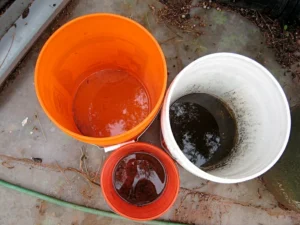
If you do catch a rat, you’ll need to empty and clean the bucket before setting it up again. Leaving dirty water in the bucket after a catch can actually make the trap less effective. The smell might make other rats more cautious about approaching.
When you’re checking the water level, take a quick look at the color and clarity too. If it’s gotten cloudy or has debris floating in it, it’s worth swapping it out for fresh water.
This applies even if you haven’t caught anything yet. Rats have a strong sense of smell, and an off-smelling bucket might make them hesitant to approach at all.
Cold weather can change things a bit too. If you live somewhere that gets freezing temperatures, you’ll need to check your bucket more often. Ice can form on the surface and make the trap useless until it’s cleared or refilled with fresh water.
What Happens if the Water Level Is Too Low?
If you don’t add enough water to the bucket, the trap probably won’t work the way it’s supposed to. A rat that falls in might be able to touch the bottom of the bucket with its back feet. It can still keep its head above the water.
This means the rat could survive the fall and just sit there until you check the trap. Or worse, it could find a way to climb back out.
Some rats are surprisingly good at using their claws and back legs to push themselves up the side of a bucket if there’s not enough water to keep them off balance.
This is part of why getting that 4 to 6 inch depth right is so important. It needs to be deep enough that a rat’s feet can’t reach solid ground while its head is still above the surface.
Rats are actually decent swimmers for their size, which surprises a lot of people. That’s exactly why relying on shallow water isn’t enough.
A rat that can touch the bottom might tire itself out over time. But it could also survive long enough to be found alive when you check the trap. That’s not the outcome most people are going for.
What Happens if You Use Too Much Water?
Using too much water isn’t dangerous, but it comes with a few downsides. If the bucket is filled too close to the top, water can splash out when the rat lands in it.
This happens especially if the rat falls from a bit of a height.
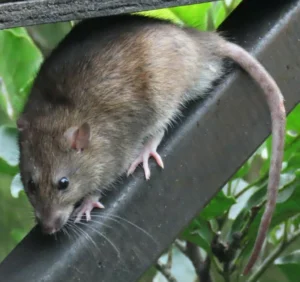
This splashing can create noise, which might make nearby rats more cautious. Rats are naturally wary animals. Loud or unusual sounds can make them avoid an area entirely for a while.
Too much water can also mean more mess for you to deal with when it’s time to check or empty the trap.
Sticking to that 4 to 6 inch range, or about one third of the bucket, avoids all of these problems.
Where Should You Place a Water Bucket Trap?
The water level matters, but where you put the bucket matters just as much. Bucket traps work best when they’re placed along walls, in corners, or near areas where you’ve already noticed rat activity, like droppings or gnaw marks.
Rats tend to travel along the edges of rooms rather than walking out in the open. This is a natural behavior for them.
Sticking close to walls helps them avoid being seen by predators.
Placing your bucket trap directly against a wall gives you a much better chance of a successful catch. That beats placing it randomly in the middle of a room or yard.
Take a walk around your space and look for signs of where rats have been passing through. Small dark droppings, greasy smudge marks along baseboards, or chewed up bits of material are all good clues. They point to an active path.
Garages, sheds, basements, and areas near trash cans or compost bins tend to be popular spots for rat activity too.
If you’re setting up a trap outdoors, place it near these areas, but tuck it along an edge or wall. This usually gives you better results than an open, exposed spot.
Do You Need a Ramp or Ladder Leading to the Bucket
Most bucket trap designs use some kind of ramp or ladder leading up to the rim of the bucket. This makes it easier for a rat to reach the top and fall in.
Rats aren’t always going to jump into a bucket on their own.
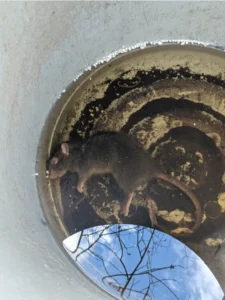
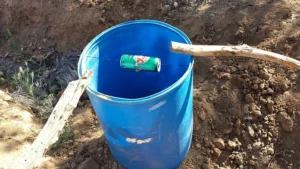
A simple piece of wood, a metal ramp, or even a stack of books can work as a ramp leading up to the bucket’s edge. The idea is to give the rat an easy path up, but no easy path back down once it’s near the rim.
Some people also add a spinning rod or dowel across the top of the bucket, baited with something the rat wants to reach. When the rat tries to walk across the spinning rod to get the bait, it loses its balance. It falls into the water below.
Is a Water Bucket Trap Humane?
This is a common question, and it’s worth addressing honestly. A water bucket trap works by drowning. Some people find that harder to think about compared to other trapping methods.
If you’re looking for a method that avoids drowning, snap traps or live traps might be a better fit for you. Both of these come with their own pros and cons, but they don’t involve water at all.
Still, if you do choose to use a water bucket trap, using the right water depth actually makes the process faster.
That reduces the amount of time the animal spends struggling. This is part of why getting the water level right matters beyond just whether the trap works. It also affects how quickly the process is over.
How Long Does It Usually Take for a Bucket Trap to Work?
Once a rat falls into a properly set up water bucket trap, it usually only takes a few minutes for the trap to do what it’s designed to do. The exact time can vary depending on the size of the rat and how much it struggles.
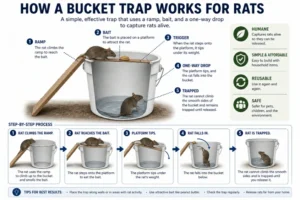
This is actually one of the reasons the water depth matters so much. A properly filled bucket works much faster than one that’s underfilled.
The water needs to be deep enough to keep the rat from reaching the bottom.
If you’re checking your trap and notice a rat that fell in but the water was too shallow, you’ll likely find the rat still alive, wet, and stressed. That’s exactly the outcome you’re trying to avoid by getting the water depth right in the first place.
Common Mistakes People Make With Water Levels
Even with clear guidelines, it’s easy to make small mistakes when setting up a bucket trap for the first time.
One common one is filling the bucket right before checking it. People forget that evaporation or a splash from an earlier catch has already lowered the level.
Another common mistake is using a bucket that’s too shallow overall. If your bucket is short to begin with, even filling it to one third might not give you enough real depth to work with.
In cases like this, it’s better to switch to a taller bucket. Don’t try to compensate with a higher water level relative to the bucket’s size.
Some people also make the mistake of placing the bucket somewhere that gets a lot of direct sun or wind.
That speeds up evaporation and can throw off your water depth within just a day or two. Choosing a shaded, more sheltered spot helps keep the water level more consistent over time.
Conclusion
Getting the water level right in a rat trap bucket really comes down to filling it about 4 to 6 inches deep, or roughly one third of the bucket’s total height.
This depth is enough to keep a rat from being able to stand or climb out. It still avoids the mess and noise that comes with overfilling it.
Adding a small amount of dish soap can also help by breaking down the water’s surface tension. That makes it even harder for a rat to stay afloat.
Checking the water level every few days, especially in hot or windy conditions, helps make sure your trap stays ready and effective.
Where you place the bucket and how you lead the rat up to it matters just as much as the water itself.
Combining the right water depth with smart placement along walls or known rat paths gives you the best possible chance of dealing with your rat problem quickly and effectively.

Hi, my name is Ezra Mushala, i have been interested animals all my life. I am the main author and editor here at snakeinformer.com.