
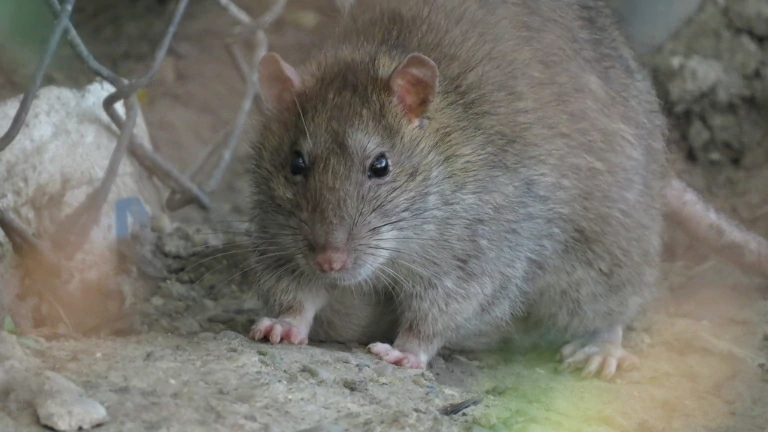
Sticky traps (also called glue traps) are one of the most controversial ways to catch rats. Some people swear by them, while others refuse to use them because of how inhumane they can be.
But regardless of how you feel about them, there’s one big question worth asking.
Can a rat actually escape from a sticky trap once it’s caught?
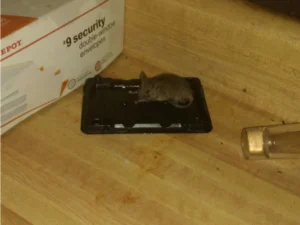
Yes, a rat can escape a sticky trap, especially if it’s large and strong, if the glue isn’t sticky enough, or if it only gets partially stuck. Large rats can pull themselves free by brute force, and some rats will even chew off their own feet to escape. Dust, temperature, and poor-quality glue can all make escapes more likely.
Sticky traps work by using a super-strong adhesive that’s supposed to trap rats when they walk across it. But unlike snap traps or electronic traps that kill quickly, glue traps just hold the rat in place.
This gives the rat time to struggle, and if conditions aren’t perfect, that struggle can lead to escape.
How Sticky Traps Are Designed to Work
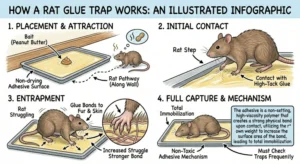
A sticky trap is basically a flat board or tray covered with an extremely sticky adhesive. The idea is that when a rat walks across it, its feet get stuck.
As the rat struggles, more of its body contacts the glue, sticking it down even more.
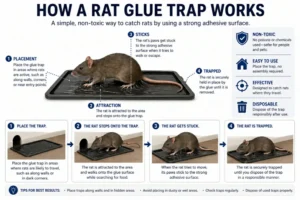
Eventually, the rat is supposed to be so thoroughly stuck that it can’t move at all. It stays trapped until you come along to dispose of it. That’s the theory, anyway.
In reality, sticky traps only work well under specific conditions. The glue needs to be fresh and at the right temperature.
The trap needs to be big enough for the size rat you’re dealing with. And the rat needs to step onto the trap in a way that gets enough of its body stuck to prevent escape.
When any of these factors aren’t right, rats can and often do escape.
Large Rats Can Pull Free Through Sheer Strength
Adult rats, especially large Norway rats, can weigh 10 to 16 ounces or more. They’re incredibly strong for their size, with powerful leg muscles built for climbing, digging, and jumping.

When a big rat gets stuck on a glue trap, it doesn’t just give up. It thrashes around violently, pulling and twisting with all its strength. If only one or two feet are stuck initially, the rat might be able to pull so hard that it rips its feet free from the glue.
This often leaves fur and sometimes skin behind on the trap, but the rat escapes. The animal might be injured, but rats are tough and can survive with torn paw pads or missing patches of fur.
Some rats are strong enough to actually drag the entire trap with them if it’s not secured to the floor. You might find the glue trap moved several feet from where you placed it, with a trail of sticky footprints leading away.
Partial Contact Means Easier Escape
If a rat only steps onto the edge of a sticky trap, it might only get one or two feet stuck. With its other feet still free, it has leverage to pull against the glue. This makes escape much more likely than if the rat walked into the center of the trap and got all four feet stuck at once.
Rats are smart enough to sometimes figure out what’s happening before they’re fully stuck.
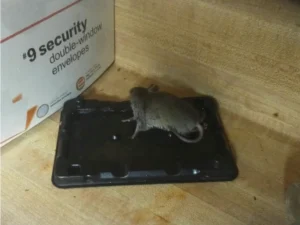
When they feel their front feet stick, they might immediately push backward with their back feet, using that leverage to pull free before the glue can grab their entire body.
This is why trap placement matters so much with sticky traps. You want to position them so rats are likely to walk across the middle, not just step on the edge.
Putting them in narrow runways where the trap takes up the full width of the path works better than placing them in open areas.
Some people solve this by using multiple sticky traps placed side by side, so there’s no way for the rat to just catch the edge of one trap. But this gets expensive and uses a lot of traps.
Temperature Affects Glue Stickiness
Glue traps work best at room temperature, roughly between 65 and 80 degrees Fahrenheit. When it’s colder than that, the adhesive gets hard and loses much of its stickiness. When it’s hotter, the glue can get too soft and runny.
If you’re using sticky traps in a cold basement, garage, or attic during winter, they might not work well at all.
The glue firms up so much that rats can sometimes walk right across it without getting stuck, or pull free very easily.
Hot temperatures create a different problem. The glue gets so soft that it doesn’t hold as strongly.
The rat’s weight and struggling can actually spread the glue around rather than holding the rat firmly in place.
This is why sticky traps that work great in your climate-controlled kitchen might fail completely in your unheated storage shed. Temperature matters more than most people realize.
Dust and Debris Reduce Adhesive Strength
Fresh glue traps straight out of the package have maximum stickiness. But once you put them down in your home, they start collecting dust, pet hair, and other debris from the air and floor.
Each bit of dust or hair that lands on the glue reduces how sticky that spot is. After a few days, a glue trap that’s been sitting in a dusty basement might be half as sticky as it was when new.

If a rat steps on a dusty section of the trap, it might not stick at all. Or it might stick weakly enough that the rat can pull free without too much trouble.
This is why you need to replace glue traps regularly, even if they haven’t caught anything.
A trap that’s been out for a week is much less effective than a fresh one, especially in dusty environments.
Some people try to protect their glue traps by covering them until they’re ready to use them, but this defeats the purpose. The traps need to be accessible for rats to step on them.
Rats Will Chew Their Own Feet Off
This is probably the most disturbing aspect of sticky traps, but it’s important to understand.
When a rat realizes it’s completely stuck and can’t pull free, it will sometimes resort to chewing off whatever part of its body is stuck to the glue.
Usually this means gnawing through its own feet or legs at the point where they meet the glue. It’s incredibly painful and leaves the rat severely injured, but the survival instinct is strong enough that rats will do it.
You might find a glue trap with feet or chunks of skin stuck to it, but no rat. The rat chewed itself free and escaped, though it’s now badly injured and might die from the injuries or infection later.
This is one of the main reasons animal welfare groups and many pest control professionals consider glue traps inhumane. The rat can suffer for hours or even days before it either dies or escapes by self-mutilation.
Small or Juvenile Rats Escape More Easily
Young rats that aren’t fully grown yet are lighter and smaller than adults. They don’t need as much force to pull free from sticky traps. Their smaller feet also mean less surface area in contact with the glue.
A juvenile rat might struggle free from a trap that would easily hold an adult.
If you’re catching some rats but others seem to be escaping, size difference might be the reason.
Baby rats (pups) are especially hard to catch on glue traps because they’re so tiny and light.
The glue might stick to their feet, but they don’t weigh enough to press firmly into the adhesive. They can often just pull free.
If you know you’re dealing with a rat family that includes babies and juveniles, glue traps might not be your best choice. Other trap types work more consistently across different rat sizes.
Poor Quality Traps Fail More Often
Not all sticky traps are made equally. Cheap traps from discount stores often use inferior adhesive that isn’t as strong as professional-grade glue. These budget traps might look the same as expensive ones, but the glue formulation makes a huge difference.
Professional pest control companies use commercial-grade sticky traps with adhesive that’s specifically formulated to hold rats and other rodents.
The glue is stronger, stays sticky longer, and works across a wider temperature range.
If you’re buying the cheapest glue traps you can find and rats keep escaping, it’s worth spending more money on better quality traps.
Sometimes the extra few dollars per trap makes the difference between success and failure.
You can sometimes tell a good trap from a bad one by how sticky it feels when you touch the edge (carefully) with a gloved finger.
Good glue should feel extremely tacky and be hard to pull away from. Cheap glue might feel less sticky or more watery.
Rats Can Sometimes Walk Around the Trap
If a sticky trap is placed in an open area or a wide runway, smart rats might simply walk around it.
They can see the trap (or at least see that there’s something different on the floor), and they choose a different path.
This isn’t exactly escaping, but it has the same result. The trap sits there unused while rats continue to run around your house. This is why trap placement is so important with glue traps.
You want to put them in narrow areas where rats can’t easily avoid them. Along baseboards in tight corners, in the back of cabinets, or in crawl spaces where there’s only one obvious path work much better than placing traps in the middle of a room.
Some people create funnels or barriers using cardboard or wood to force rats to walk over the glue traps, but this takes extra work and materials.
What to Do If You Find an Escaped Rat Trail
If a rat escapes your glue trap, it often leaves evidence. You might see sticky footprints leading away from the trap. These prints show you which direction the rat went and confirm that an escape happened.
Sometimes the trap itself is moved from where you placed it, dragged by the rat as it struggled to get away. You might find the trap in a corner or against a wall where the rat finally managed to pull free.
If you see fur, skin, or blood on the trap, you know the rat was seriously stuck at some point but managed to escape anyway.
This rat is now likely injured and definitely more cautious about traps.
When you see these signs, you need to change your approach. That rat (and possibly others) now knows that sticky traps are dangerous. You might need to switch to a different type of trap or try a different location.
Using Glue Traps More Effectively
If you’re committed to using sticky traps despite their problems, there are ways to make them work better. First, always use fresh traps and replace them every few days, even if they haven’t caught anything.
Place multiple traps in high-traffic areas, not just one. If you have space, put two or three traps side by side so rats can’t just step on the edge of one. This increases the chances of getting the rat fully stuck.
Clean the floor before putting down glue traps. The less dust and debris in the area, the longer the traps will stay sticky.
This is especially important in basements and attics that tend to be dusty.
Check your traps frequently, at least once or twice a day. If a rat is stuck, you need to deal with it quickly before it has hours to struggle and potentially escape. This is also more humane because the rat suffers for less time.
Why Many People Avoid Glue Traps
Beyond the escape problem, glue traps are considered inhumane by most animal welfare organizations. The rat doesn’t die quickly. Instead, it can be stuck for hours or days, struggling in panic and pain.
Trapped rats often cry out in distress, which can be very upsetting to hear. They might injure themselves thrashing around, or as mentioned earlier, chew off their own limbs to escape.
Even if you check the traps frequently, you still have to deal with a live, terrified rat stuck to the trap. Most people find this deeply unpleasant and aren’t sure what to do with it.
For these reasons, many pest control professionals won’t use glue traps, and some places have actually banned them. They’re legal in most areas, but that doesn’t mean they’re the best choice.
Better Alternatives to Sticky Traps
Snap traps, when used correctly, kill rats almost instantly. This is much more humane than glue traps and doesn’t give the rat time to escape. Good quality snap traps are very effective.
Electronic traps deliver a quick electric shock that kills in seconds. They’re more expensive than sticky traps, but they’re humane, effective, and you don’t have to see or touch the dead rat.
Live traps catch rats without killing them, so you can release them elsewhere if that’s what you prefer. Just check your local laws because releasing rats in some areas is illegal.
Poison baits are another option, though they come with their own problems. Rats can die in walls or other hard-to-reach places, creating terrible smells. And poison is dangerous if you have pets or children.
Conclusion
Rats can definitely escape sticky traps, and it happens more often than most people realize. Large rats can pull themselves free by force.
Temperature, dust, and poor-quality glue all make escapes more likely. And some rats will even chew off their own feet to get away.
If you’re having problems with rats escaping your glue traps, it’s probably time to try a different approach. Snap traps or electronic traps are more reliable and more humane.
And remember, even when glue traps do work and successfully catch rats, you’re still left with the unpleasant task of dealing with a live, stuck, panicking rat. For most people, other trap types are a better choice in every way.

Hi, my name is Ezra Mushala, i have been interested animals all my life. I am the main author and editor here at snakeinformer.com.