
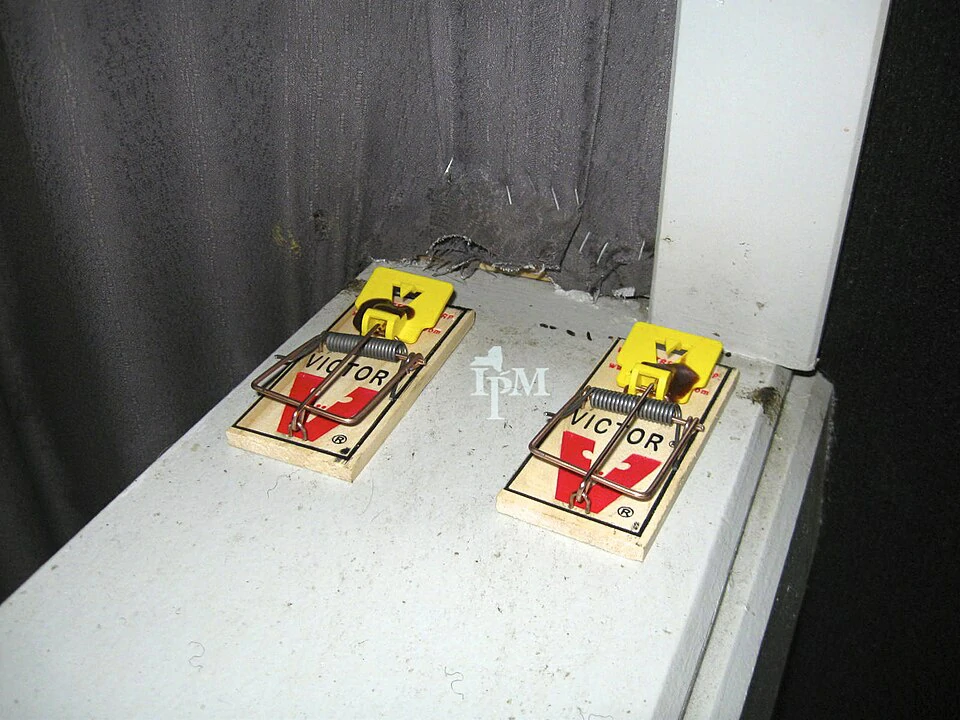
You’ve set out rat traps in all the right places with fresh bait, but the rats seem to walk right past them. It’s like they know the traps are there before they even get close. This leads to an obvious question: can rats actually sense traps before triggering them?
Rats can’t sense traps in a supernatural way, but they can detect them using their highly developed senses of smell, hearing, and touch. They notice new objects, unfamiliar scents, human odors, and even tiny vibrations that help them identify potential dangers.
Their ability to “sense” traps is really about having incredible sensory awareness combined with natural caution. They’re picking up on details that humans would never notice, and these details tell them something isn’t right.
How Rats Use Smell to Detect Traps
Rats have an incredibly powerful sense of smell, far better than humans. They can detect scents and chemicals at concentrations we couldn’t even begin to notice.
When you handle a trap, you leave your scent on it. Human smell is foreign and potentially dangerous to rats, so they’re naturally cautious around anything that smells like a person.

Tony Alter (CC BY 2.0)
Rats can also smell the materials the trap is made from. New plastic, metal, wood, and adhesives all have distinct chemical odors. These unfamiliar smells in their environment set off alarm bells.
If a trap has caught a rat before, even if you’ve removed the body, there are still microscopic traces of blood, urine, stress hormones, and death. Rats can smell all of this, and it tells them danger happened here.
This is why some trappers recommend aging new traps outside for a few days or washing them thoroughly before use. It helps reduce the strong “new” smell that makes rats suspicious.
The Role of Neophobia in Sensing Traps
Neophobia (fear of new things) is one of the main reasons rats seem to sense traps. It’s not that they know what a trap is, it’s that they’re naturally afraid of anything new or unfamiliar.
When you introduce a trap into a rat’s environment, it notices immediately. Rats are incredibly familiar with their territory, and they notice even small changes like a new object appearing.

This fear response causes rats to avoid the trap for days or even weeks. They’ll circle around it, watch it from a distance, and generally treat it as a potential threat until they’re sure it’s safe.
From your perspective, it looks like the rat sensed the trap and avoided it. But really, the rat is just being cautious about anything new, whether it’s actually dangerous or not.
Over time, if nothing bad happens, rats will get used to the trap and eventually approach it. This is why pre-baiting (leaving traps unset for a few days) can be so effective.
Can Rats Hear Traps?
Rats have excellent hearing, and they can hear sounds in frequencies that humans can’t detect. This might help them sense certain types of traps.
Some electronic traps or devices emit ultrasonic sounds that are meant to be inaudible to humans but might be detected by rats. While these sounds are supposed to repel rats, they might also alert rats that something mechanical is nearby.

The spring mechanism in snap traps can sometimes make tiny sounds as metal parts shift or as temperature changes cause expansion. Rats might hear these subtle noises that we can’t.
If a rat triggers a trap but escapes, the sound of the trap snapping becomes associated with danger. Other rats in the area might hear that sound and learn to avoid anything that makes similar noises.
However, most traps don’t make noise until they’re triggered, so hearing probably isn’t the primary way rats detect traps. Smell and vision are more important.
Visual Detection of Traps
Rats have decent vision (though it’s not as sharp as human vision), and they use it to navigate and identify objects in their environment.
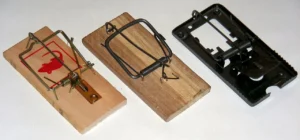
Traps often look very different from natural objects in a rat’s environment. They have straight edges, uniform colors, shiny metal parts, and geometric shapes that don’t occur in nature.
Rats can see these differences and recognize that the trap is a human-made object. Even if they don’t know it’s a trap specifically, they know it’s artificial and therefore potentially dangerous.
This is especially true in dim light or darkness when rats are most active. In low light, the contrast between a trap and its surroundings might be even more obvious to a rat.
Camouflaging traps can help with this. Covering them with dust, placing them in shadowy areas, or using traps that match the color of their surroundings makes them less visually obvious.
Tactile Sensing and Whiskers
Rats have incredibly sensitive whiskers (called vibrissae) that they use to navigate and investigate their environment. These whiskers can detect tiny changes in air currents and physical obstacles.
As a rat approaches a trap, its whiskers might brush against the trap or detect changes in air flow around the trap. This gives the rat information about the size, shape, and texture of the object.
Rats also use their paws to feel objects before fully committing to touching or stepping on them. They might gently touch a trap with one paw to test it before putting their full weight on it.
This tactile investigation might alert them that something is wrong. Maybe the trap feels too smooth, or it moves slightly when touched, or the texture is unfamiliar. Any of these could make a rat decide not to proceed.
Traps that are flat, stable, and have textures similar to the surrounding surface are less likely to trigger this tactile alarm response.
Temperature Differences
Rats can sense temperature, and traps might feel different from their surroundings, especially metal traps.
Metal traps conduct heat differently than wood, concrete, or other materials rats are used to. In cold environments, metal feels colder. In warm environments, it might retain heat differently.
These temperature differences might be detectable to rats through their sensitive paws or nose before they fully engage with the trap.
Wooden traps or plastic traps might be less detectable this way because they have thermal properties closer to natural materials.
This is a minor factor compared to smell and sight, but it might contribute to a rat’s overall sense that something about the trap isn’t right.
Electromagnetic Fields
Some people claim that rats can sense electromagnetic fields from electronic traps or other devices. The science on this is mixed.
Some studies suggest that rodents might be sensitive to electromagnetic fields, while others show no evidence of this ability.

Electronic traps do produce electromagnetic fields when they’re powered on, but whether rats can actually detect these fields and associate them with danger is unclear.
It’s possible that rats avoid electronic traps for other reasons (like the smell of plastic housing or the unfamiliar shape) rather than because they’re sensing electromagnetic fields.
Learning from Other Rats
While not exactly “sensing” traps, rats can learn about trap dangers from other rats without having to detect the trap themselves.
If one rat has a bad experience with a trap, it might show avoidance behavior that other rats pick up on. Social learning is powerful in rat colonies.
Rats might also detect stress pheromones from other rats that have encountered traps. These chemical signals could be deposited near trap locations, warning other rats to stay away.
This creates the illusion that rats are sensing traps when really they’re sensing warnings from other rats who already learned the hard way.
Human Scent on Traps
One of the biggest factors in rats detecting traps is human scent. Rats are naturally afraid of humans (we’re predators from their perspective), and anything that smells like a person is suspicious.
When you handle traps with bare hands, you transfer oils, sweat, and other scents onto the trap. These scents scream “human” to any rat that comes near.
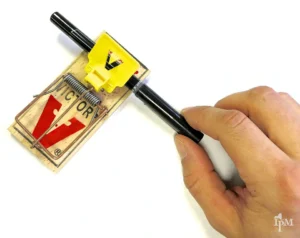
Even if you wash your hands, you still leave traces of soap, lotion, or other products. All of these are foreign smells in a rat’s environment.
Wearing gloves when handling traps can help, but make sure the gloves themselves don’t have a strong odor. Some latex or rubber gloves have manufacturing chemicals that smell even worse than human scent to rats.
Some trappers use gloves that have been stored with natural materials (like dried leaves or dirt) to give them a more neutral scent. Others use gloves that have been used for yard work and carry natural outdoor smells.
Bait Scent vs. Trap Scent
Interestingly, rats might be able to smell bait while also smelling the trap itself. They can distinguish between these two scents.
A rat might smell delicious peanut butter but also smell plastic, metal, and human scent. The combination might make them suspicious enough to avoid the trap even though they’re attracted to the bait.
This is why using really strong-smelling bait can help. If the bait smell is powerful enough, it might overpower or at least balance out the suspicious smells of the trap itself.
Bacon, fish, or very fresh peanut butter all have strong odors that can attract rats despite the trap smell.
Can Rats Sense Poison in Bait?
When it comes to poison bait (rather than traps), rats can sometimes detect that something is wrong with the food, though this isn’t exactly “sensing” the poison.
Some rat poisons have a chemical smell or taste that rats can detect. If the poison smell is too strong, rats won’t eat the bait.
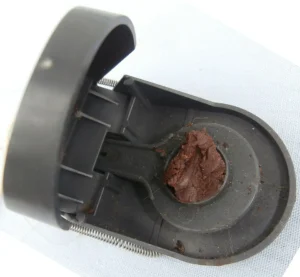
Rats also use a strategy called “taste aversion learning.” They’ll take a small bite of new food, wait to see if they get sick, and only eat more if they feel fine. This can help them avoid poisoned bait.
If a rat eats a small amount of poison and survives long enough to feel sick, it will avoid that bait (and anything similar) in the future.
Modern rat poisons are designed to be odorless and tasteless to get around this, but some rats still seem to detect them.
Vibrations and Ground Sense
Rats can detect vibrations through their paws and whiskers. This helps them sense approaching predators, but it might also help them detect traps in certain situations.
If a trap is on an unstable surface or if the floor around it vibrates differently than the surrounding area, rats might notice this.
Traps placed on loose floorboards, on surfaces that aren’t level, or near appliances that vibrate might create subtle vibration patterns that alert rats.
Placing traps on solid, stable surfaces that match the surrounding area reduces this risk.
Do Rats Develop Extra Senses?
There’s no scientific evidence that rats develop supernatural or extra-sensory abilities to detect traps. Their trap avoidance comes from normal senses that are just extremely well-developed.
What can happen is that individual rats learn from experience and become very good at noticing subtle signs of danger. These “educated” rats are much harder to catch.

They might notice things like: traps are often near walls in corners, traps sometimes have a metal smell, or food in the open is more likely to be trapped. These patterns help them avoid traps without needing any special sixth sense.
Over multiple generations, rat populations in areas with heavy trapping pressure might develop stronger neophobia and more cautious behavior. This is evolution in action, not extra senses.
Environmental Context and Trap Detection
Rats are incredibly aware of their environment, and they notice when something doesn’t fit the pattern.
A shiny new plastic trap in a dusty basement stands out. A trap placed in the middle of an open floor (where rats normally don’t travel) is suspicious.
The more a trap blends into the environment and the more natural its placement seems, the less likely rats are to “sense” it as dangerous.
Some successful trappers deliberately mess up their traps: they’ll get them dirty, make them look worn, or place them in locations where finding food would be natural (like near a known food source or water).
Time of Day and Trap Sensitivity
Rats are more cautious at certain times than others, which affects how likely they are to detect and avoid traps.
In the evening when rats are just starting their active period, they’re often more careful and alert. They’re more likely to notice traps during this time.

Later at night when they’ve been active for hours and are hungrier, they might take more risks and be less likely to avoid traps.
Similarly, rats that are very hungry will sometimes approach traps they would normally avoid. Desperation overcomes caution.
Conclusion
Rats don’t have a magical sixth sense for detecting traps, but they have incredibly well-developed normal senses that make them very good at noticing potential dangers. Their sense of smell detects human scent and trap materials, their vision spots artificial objects, and their whiskers and paws feel unfamiliar textures and temperatures.
Combine these heightened senses with natural neophobia and the ability to learn from experience, and you get an animal that seems to sense traps before triggering them.
To catch these cautious creatures, you need to minimize human scent on traps, use traps that blend into the environment, place them in natural locations, and give rats time to get used to new objects in their territory. Understanding how rats sense their world is the key to outsmarting them.

Hi, my name is Ezra Mushala, i have been interested animals all my life. I am the main author and editor here at snakeinformer.com.