
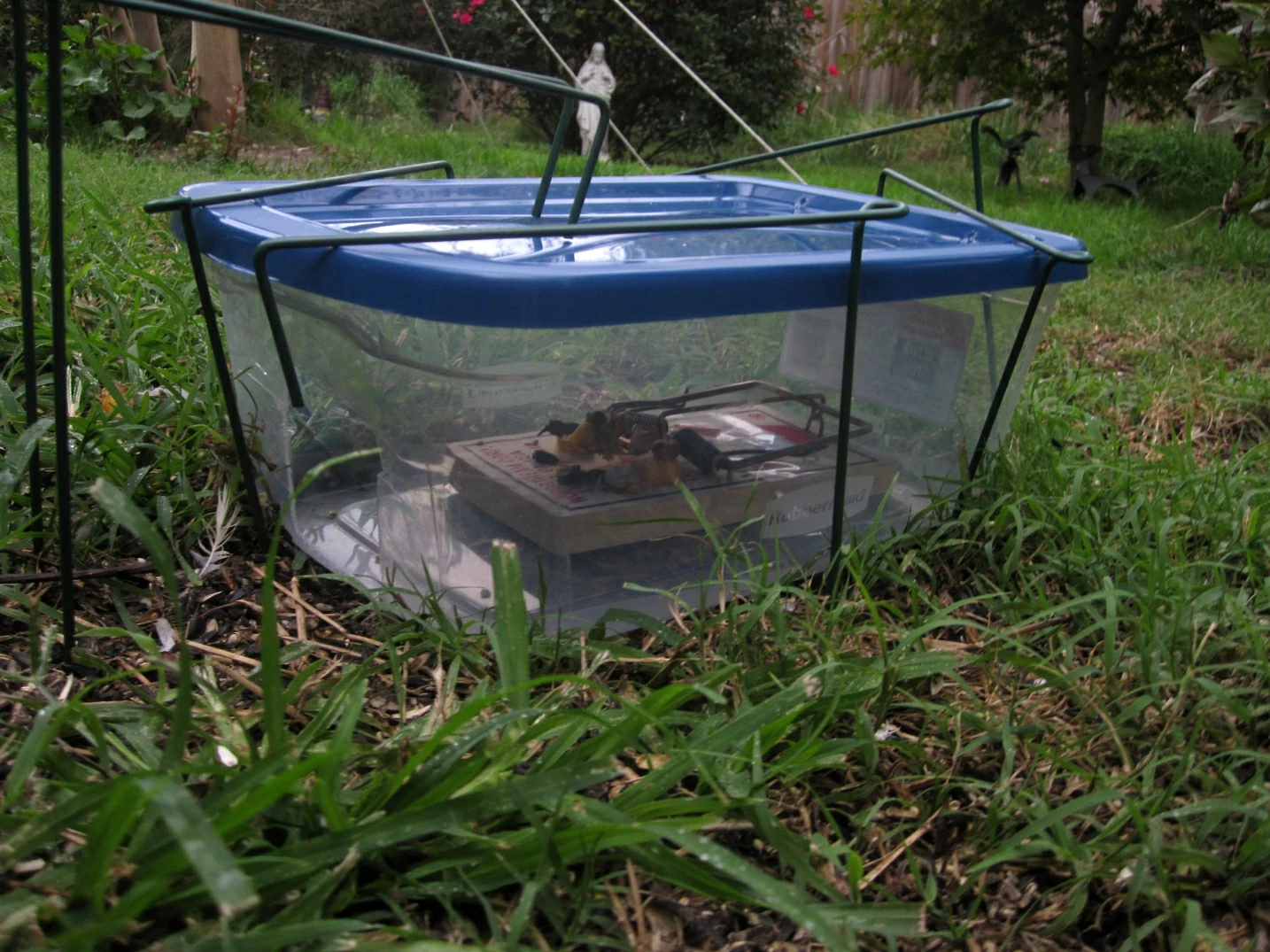
When you’re dealing with a rat problem, the last thing you want is to make the situation worse.
You set up traps to catch rats, but then you start wondering if the traps themselves might be bringing even more rats into your home. Do rat traps actually attract more rats?
Baited rat traps can attract more rats to the immediate area around the trap because of the food used as bait. However, the traps themselves don’t increase the overall rat population in your home. They only draw rats that are already living nearby to the trap location.
The smell of food in the bait can definitely get rats interested, but this doesn’t mean you’re somehow calling in rats from outside your property. You’re just making the rats already in your house come to a specific spot where you can catch them.
How Rat Traps Actually Work
Rat traps work by using something rats want (usually food) to lure them to a specific location where the trap can catch them. The whole point is to attract rats, just in a controlled way.
When you bait a trap with peanut butter, cheese, or other food, you’re creating a food source that rats can smell. Rats have an incredibly good sense of smell and can detect food from pretty far away.
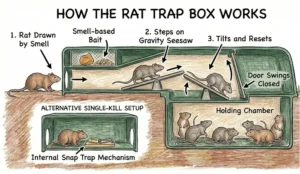
This is why you might notice more rat activity around your traps initially. The rats smell the bait and come to check it out. They’re not new rats from outside though. They’re the same rats that were already in your walls, attic, or basement.
The goal is to attract these rats to the trap so they get caught, reducing your overall rat population over time. Each rat caught is one less rat living in your home and reproducing.
If you’re seeing more rats around your traps, it actually means your bait is working. The rats are interested, and if you’ve set up your traps correctly, they’ll eventually get caught.
Do Traps Bring Rats from Outside?
This is one of the biggest worries people have, but it’s not really how it works. Rat traps don’t broadcast a signal that brings rats running from blocks away.
Rats live in colonies and have established territories. The rats in your home are part of a colony that’s already living in or very near your property. They’re not random rats passing by on the street.
The smell of bait from a trap inside your home won’t reach rats living in other buildings or far away. Even with their good sense of smell, rats can only detect odors within a limited range.
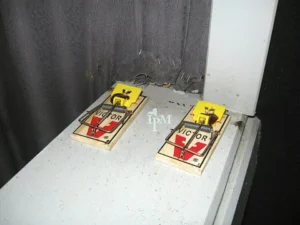
If you’re worried about outdoor rats being attracted to traps inside your home, you can relax. The walls of your house contain the smell pretty effectively. Outdoor rats won’t smell bait that’s sitting in your kitchen or basement.
However, if you’re using traps outside (like in your garage, shed, or yard), those could potentially attract rats from nearby. This is more of a concern with outdoor traps than indoor ones.
Even then, you’re mostly attracting rats that were already on or near your property. Rats don’t typically travel long distances to investigate a food source when they already have established feeding areas.
Why It Might Seem Like There Are More Rats
When you first start using rat traps, you might actually see more rats than you did before. This can be really alarming, but there’s a logical explanation.
Before you set traps, the rats in your home were probably hiding and being careful to avoid you. They’d come out at night when you were asleep, or they’d stick to areas of your house you don’t use much.
Once you put out baited traps, you’ve given the rats a reason to come out and move around more. The smell of food overrides their natural caution, so they get bolder.

You’re also probably paying more attention to rat signs now that you’re actively trying to catch them. You might notice droppings, scratching sounds, or other evidence that was always there but that you didn’t really focus on before.
As you catch rats, the remaining ones might change their behavior. They might become more active as they search for the rats that disappeared (since rats are social animals), or they might get nervous and move around more.
This increased activity is temporary. As you catch more and more rats, the overall population in your home will decrease, and you’ll see less activity over time.
The Role of Bait in Attracting Rats
The bait you use on your traps is what actually attracts rats, not the trap itself. Different baits have different levels of attraction, which affects how many rats show up.
Peanut butter is one of the most popular baits because rats love it and because its strong smell carries pretty far. If you use peanut butter, you’re going to attract more rats to your traps than if you used a less smelly bait.
Other strong-smelling foods like bacon, chocolate, or nuts also attract rats well. The stronger the smell, the more effectively it’ll draw rats to the trap.
If you’re worried about attracting too many rats to one area, you could use a less aromatic bait. But this might also mean your traps are less effective and take longer to catch rats.
There’s a balance to strike. You want bait that’s attractive enough to get rats interested, but you don’t want to create such a strong attractant that you cause unusual rat behavior.
Most pest control experts recommend using standard baits like peanut butter because they work well and don’t cause problems. The temporary increase in rat activity around baited traps is worth it for the long-term benefit of catching and removing rats.
Can Dead Rats Attract More Rats?
This is another common concern. If you catch a rat in a trap, will the dead rat attract other rats to the area?
The answer is a bit complicated. In some cases, yes, dead rats can attract other rats. Rats are curious and social animals, and they might investigate when one of their colony members dies.
However, rats can also smell death and disease, and these smells can actually repel them. A rat that’s been dead for a while and is starting to decompose will often drive other rats away rather than attracting them.

This is why it’s so important to check your traps regularly and remove dead rats quickly. If you let a dead rat sit in a trap for days, it could create odor problems and might affect how other rats behave around your traps.
When you remove dead rats promptly, you don’t give other rats time to get used to the smell or to associate the trap with danger. This helps keep your traps effective.
Some rats will actually avoid an area where they smell a dead rat. This is a natural survival instinct. If they sense danger in one spot, they’ll change their routes and feeding locations.
Do Multiple Traps Attract More Rats?
Setting up multiple traps in different locations doesn’t significantly increase rat attraction. You’re using the same total amount of bait, just spread across more traps.
In fact, using multiple traps is usually more effective than using just one or two. It gives you more chances to catch rats and helps you cover more of the areas where rats travel.
Each trap creates a small zone of attraction around itself. Rats in that zone might be drawn to the bait, but this doesn’t add up to some massive rat-attracting field across your whole house.
Think of it like this. If you have five traps with peanut butter, that’s not any more attractive than having one big pile of peanut butter. You’re just spreading out the attraction to catch rats in different areas.
Multiple traps actually help you reduce your rat population faster because you’re catching more rats in less time. The faster you reduce the population, the less time there is for rats to reproduce and make your problem worse.
Trap Placement and Rat Behavior
Where you put your traps matters a lot when it comes to rat attraction and catching success. Rats have specific behaviors and preferences for how they move through spaces.
Rats like to travel along walls and edges. They don’t usually run across the middle of a room. This means traps placed against walls will attract and catch more rats than traps in open areas.
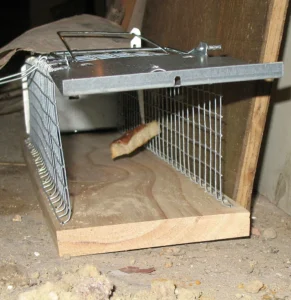
They also prefer dark, quiet areas over bright, noisy ones. A trap in a closet or under a cabinet will be more attractive to rats than one in the middle of your well-lit kitchen.
Rats use the same paths repeatedly. Once they establish a route from their nest to food or water sources, they’ll keep using that route. Placing traps along these routes increases your chances of catching rats.
If you put traps in random locations, you might not see much rat activity at all. It’s not that the traps aren’t attracting rats, it’s that you’ve put them in places where rats don’t naturally go.
Understanding rat behavior helps you place traps more effectively. You’ll catch more rats in less time, which means less overall exposure to bait and less chance of attracting rats to unusual areas.
The Difference Between Indoor and Outdoor Traps
Indoor rat traps and outdoor rat traps work the same way, but they have different effects on rat attraction and movement.
Indoor traps are dealing with a closed system. The rats inside your home are already there. Baited traps won’t bring in new rats from outside because the house itself is a barrier.
The main risk with indoor traps is just moving rats from one part of your house to another. If you put all your traps in the kitchen, you might attract rats from the basement or attic to the kitchen area.
Outdoor traps are different because there’s no barrier. Rats can freely move around your yard, and baited traps can potentially attract rats from neighboring properties.
If you’re using outdoor traps, place them strategically near areas where you see rat activity (burrows, runways, gnaw marks). Don’t just put them out randomly, or you might attract rats to areas where they weren’t a problem before.
Consider using bait stations for outdoor traps. These are covered boxes that protect the bait and trap from weather while also making them less accessible to non-target animals.
What Happens When You Stop Using Traps?
Some people worry that once they start using rat traps, they’ll have to keep using them forever or the rats will come back even worse. This isn’t really true.
When you use traps consistently and catch most of the rats in your home, the population decreases significantly. Fewer rats mean less breeding and fewer new rats being born.
Once you’ve caught all (or most) of the rats, you can stop using traps. As long as you’ve also fixed any holes or entry points that rats were using to get into your house, new rats shouldn’t be able to move in.
You might want to keep a few traps set up in key locations just as a monitoring system. Check them weekly to make sure no new rats have found their way in.
If you stop trapping too soon (before you’ve caught all the rats), the remaining rats will continue breeding and your problem will persist. This isn’t because the traps attracted more rats though. It’s just because you didn’t finish the job.
The key is to be thorough and patient. Keep trapping until you go several weeks without catching any rats. Then you can be confident that your rat problem is solved.
Preventing Rats Without Increasing Attraction
If you’re concerned about attracting more rats while trying to catch the ones you have, there are some strategies that can help.
Remove all other food sources while you’re trapping. Store food in sealed containers, clean up crumbs immediately, and don’t leave pet food sitting out. This makes your trap bait the only food option available.
When there’s no competition from other food sources, rats will be more attracted to your traps. But since you’re removing food overall, you’re not making your home more attractive to rats in general.
Fix any water leaks or sources of standing water. Rats need water even more than food, so eliminating water sources makes your home less attractive while you’re working on the rat problem.
Seal up entry points as you trap. Block holes, gaps, and cracks that rats use to get into your home. This prevents new rats from moving in while you’re catching the existing ones.
Keep your home clean and clutter-free. Rats like hiding spots and nesting materials. The less of these you provide, the less attractive your home becomes to rats overall.
Do Ultrasonic Devices Affect Trap Success?
Some people use ultrasonic pest repellers along with traps, hoping to speed up the process. But these devices might actually work against your trapping efforts.
Ultrasonic devices emit high-frequency sounds that are supposed to annoy rats and drive them away. If these devices actually work (and many experts are skeptical), they could make rats avoid the areas where you’ve set your traps.

You’re basically sending mixed signals. The trap bait says “come here, there’s food,” while the ultrasonic device says “go away, this area is uncomfortable.”
If you’re going to use traps, it’s better to skip the ultrasonic devices or at least turn them off in areas where you’ve set traps. Let the traps do their job without interference.
Once you’ve caught all the rats and removed your traps, then you could try ultrasonic devices if you want. But during the active trapping phase, they’re more likely to hurt than help.
Conclusion
Rat traps don’t attract more rats to your property or increase your rat problem. They only draw the rats already living in your home to specific locations where you can catch them.
The bait in traps does create attraction, which is the whole point of using traps. You might see increased rat activity around traps initially, but this is actually a good sign that your trapping strategy is working.
As long as you check your traps regularly, remove caught rats promptly, and continue trapping until the population is eliminated, you’ll solve your rat problem without making it worse. The key is patience and consistency, not worrying about whether your traps are somehow calling in more rats from the neighborhood.

Hi, my name is Ezra Mushala, i have been interested animals all my life. I am the main author and editor here at snakeinformer.com.