
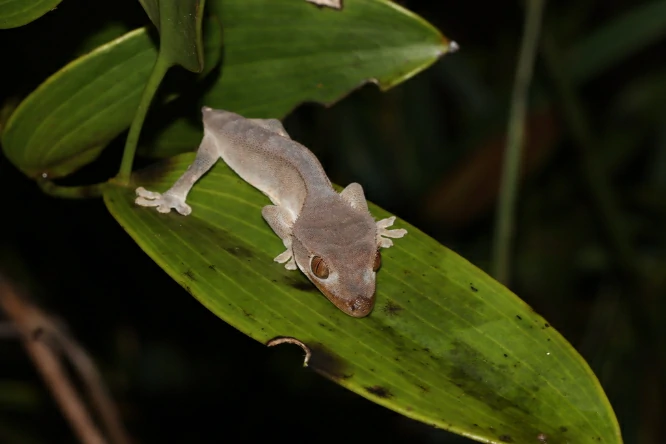
It’s a quiet night, and you see your gecko lean toward its water bowl. Its little tongue flicks in and out, lapping at drops like a tiny cat. You look at the bowl and start to wonder, can geckos actually drink tap water?
Yes, geckos can drink tap water, but only if it’s safe and treated. Most tap water is technically drinkable for geckos, but it often contains chlorine, chloramine, or trace metals that can irritate their digestive system. The key is to dechlorinate or condition it first, just like you would for aquarium fish.
In other words, geckos can drink tap water, but whether they should depends on how clean and chemical-free it really is.
Why Tap Water Isn’t Always Safe
Tap water might look clear, but that doesn’t mean it’s clean enough for your gecko. Most city water is disinfected with chlorine or chloramine to kill germs that can make people sick.
That’s fine for us, but it’s not always good for small reptiles.
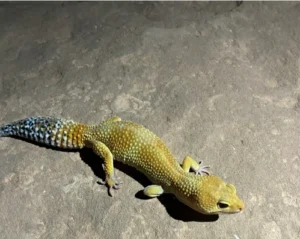
Geckos don’t just drink water from a dish. They also lick it from their surroundings. That means whatever’s in their water dish (or the mist you spray on them) can end up inside of their bodies.
Chlorine will disappear if you let the water sit out for about a day. But chloramine, which is a mix of chlorine and ammonia, hangs around much longer.
It doesn’t evaporate. That’s what makes untreated tap water risky for geckos. Their bodies just aren’t built to handle those chemicals the way ours are.
So even if it looks harmless to you, it can still irritate them or cause trouble over time.
How Geckos Actually Drink
Before you decide what kind of water to use, it helps to know how geckos drink in the first place.
Most geckos don’t sit and drink for long stretches like cats or dogs. Instead, they go after tiny droplets of water that form on leaves, tank walls, or decorations after misting.
When they spot one, they stretch out their sticky tongue and lick it up.
It’s something they’ve learned from the wild, where puddles are rare, and dew or rain droplets are what they depend on.
Here’s how it usually goes with different kinds of geckos:
-
Leopard geckos (from dry areas) usually drink from small water dishes.
-
Crested geckos and day geckos (from humid places) like to lick droplets off leaves and surfaces.
-
Tokay geckos and house geckos do both: lick droplets and sip from dishes.
No matter what kind of gecko you have, the water needs to be clean and free of chemicals.
Why Chlorine and Chloramine Are a Problem
Chlorine is a strong cleaner. It’s meant to kill germs. But it can also dry out or irritate a gecko’s eyes and skin.
If your tap water has chlorine:
-
Short-term exposure can make their eyes dry or cause mild skin irritation.
-
Long-term exposure can lead to dehydration, stress, and poor appetite.
Chloramine is even worse. It stays in water much longer and contains ammonia, which is tougher on small animals. If your gecko’s been drinking or getting misted with water that has chloramine, you might notice signs like:
-
Drinking less or avoiding the dish
-
Dull or flaky skin
-
Rubbing their eyes a lot
-
Moving slower or seeming tired
These signs might seem small, but over time, they can make your gecko uncomfortable or even sick; especially if you use untreated tap water every day.
The Easiest Fix: Use a Water Conditioner
Luckily, there’s a really simple fix. You can use a water conditioner. The same kind used for aquarium fish.
These products get rid of chlorine, chloramine, and metals in just a few minutes. You can find them at almost any pet store.
Here’s what to do:
-
Fill a clean jug or bottle with tap water.
-
Add the right amount of conditioner (usually one drop per liter, but check the label).
-
Let it sit for 10–15 minutes before using it.
Brands like ReptiSafe, Zoo Med’s ReptiSafe, and AquaSafe are all good options. Once the water’s treated, it’s safe for drinking, misting, and keeping the humidity right.
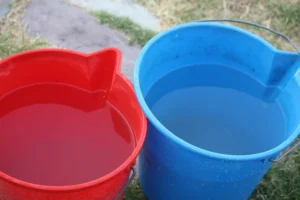
If you’d rather not use chemicals, another easy trick is to let the water sit out uncovered for a day or two. That works for chlorine, but not chloramine, so be sure you know which one your local water has.
What About Bottled or Filtered Water?
If your tap water smells odd or tastes strange, you might want to switch to bottled or filtered water.
Bottled water (like spring or purified) is fine for geckos, but it can get expensive if you use a lot of it. It’s a good backup if your tap water isn’t great.
Filtered water is often the best middle ground. Filters like Brita or carbon filters remove chlorine and metals but keep useful minerals that your gecko’s body actually needs.
Some people use reverse osmosis (RO) water, which is super clean, but it’s almost too pure; it has no minerals at all. That can mess with pH levels.
Mixing half RO water with half treated tap water works best. It gives you clean water with a natural mineral balance.
Do Wild Geckos Drink Perfectly Clean Water?
Not really. Wild geckos drink dew, rain, and small puddles on plants or rocks. That water might have dirt, minerals, or bits of organic stuff, but it’s all natural.
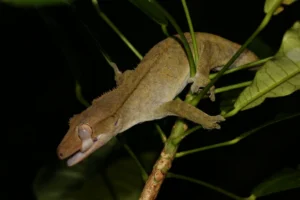
The big difference is that wild water doesn’t have chlorine or metal pipes involved. It’s “dirty” in a natural way but not harmful to them. Tap water, on the other hand, is clean for humans but harsh for tiny reptiles.
So, giving your gecko treated or filtered water is your way of making tap water a little more like what they’d find outdoors.
How Often Should You Give Geckos Water?
No matter what kind of water you use, keep it fresh. That’s just as important as keeping it clean.
-
Leopard geckos: Keep a shallow dish of water in their tank all the time, and change it every day.
-
Crested and day geckos: Mist their tank once or twice a day so they can lick droplets off surfaces.
-
Tokay and house geckos: Give them both: a dish and misting sessions.
If your gecko seems dry, has sunken eyes, or moves slowly, check the humidity, temperature, and the water itself. Even small amounts of chlorine can make them avoid drinking.
Signs Your Gecko’s Water Isn’t Right
Sometimes your gecko will let you know when something’s off. Look for:
-
Avoiding their water dish or droplets
-
Blinking or rubbing eyes after misting
-
Dull skin
-
Acting restless after being misted
If you see any of these, switch to filtered or conditioned water for a week. You’ll probably notice them perk up quickly.
What If You Used Untreated Tap Water by Mistake?
Don’t worry, it’s not the end of the world. Using untreated tap water once or twice won’t harm your gecko. The real problem happens when it’s used over a long time.
If you realize you’ve been using untreated water, just switch to safe water right away. Keep an eye out for any signs of irritation. Most of the time, your gecko will be just fine after a few days.
When Tap Water Is Totally Fine
Sometimes tap water is naturally soft (meaning low in minerals) and only lightly treated. If that’s the case, your gecko will probably do fine with it, especially if you let it sit out overnight.
You can test it with a cheap chlorine strip from a pet store. If it shows zero or very low chlorine or chloramine, your water is already safe.
Some gecko keepers even say their pets seem to prefer treated tap water over bottled water, it might taste more natural to them. The trick is balance. Not too harsh, not too plain.
Conclusion
So, can geckos drink tap water?
Yes, but it has to be safe, clean, and treated first. Untreated tap water might not hurt right away, but over time, chemicals like chlorine and chloramine can upset their stomach.
With just a few drops of conditioner or a simple filter, you can make tap water perfectly safe. Whether your leopard gecko is sipping quietly from a dish or your crested gecko is licking droplets off a leaf, clean water keeps them healthy and happy.
It’s one of the easiest but most important parts of caring for them. Even a few drops of care today can make a big difference for your little gecko tomorrow.

Hi, my name is Ezra Mushala, i have been interested animals all my life. I am the main author and editor here at snakeinformer.com.