
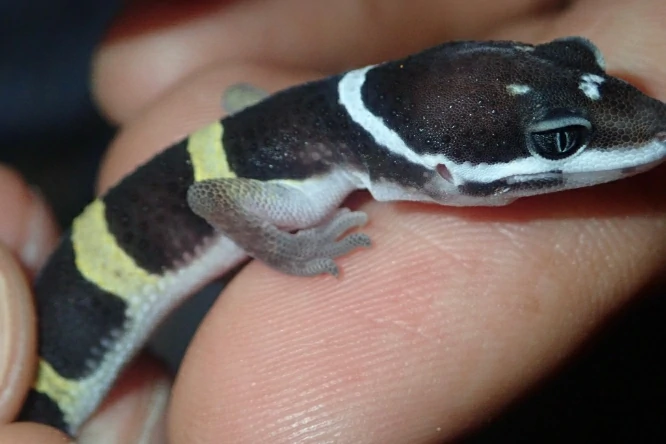
You spot your gecko scratching against the wall or rubbing its side on a rock, and for a second, it looks just like a dog with an itch. That’s when the thought hits you, could it actually have fleas?
Geckos can get fleas, but it’s very rare. Fleas prefer warm-blooded animals like dogs, cats, or rodents. Still, in the right conditions (especially around other infested pets or dusty corners) a flea might jump onto a gecko. It won’t stay long, but it can cause irritation or stress before it leaves.
Why Fleas Don’t Usually Live on Geckos
Let’s start with the basics. Fleas need a constant supply of warm blood to survive. They’re built for life on mammals, not reptiles.
A gecko’s blood runs cooler and changes temperature with its surroundings, so fleas don’t get the steady warmth they need.
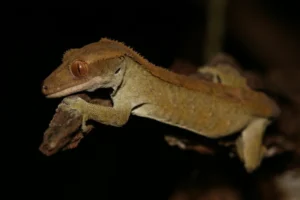
Plus, gecko skin is covered in smooth, overlapping scales. It’s slippery, not furry. Fleas have claws made for gripping hair or feathers, so when they land on a gecko, there’s nothing to hold on to.
Basically, fleas see a gecko and think, “wrong address.”
When Can Geckos Pick Up Fleas?
It doesn’t happen often, but it’s not impossible.
A flea might jump from a nearby pet, carpet, or cage if the area is heavily infested.
You might see this happen when:
-
Your gecko’s enclosure is near a dog or cat that has fleas.
-
There’s an untreated flea problem in your home.
-
The gecko’s tank is kept in a warm, dark, dusty spot where fleas like to hide.
Even then, the flea usually won’t stay. It may bite once or twice, then jump off when it can’t find a comfortable place to feed.
How to Tell if a Gecko Might Have Fleas
Geckos don’t show irritation the same way mammals do, but there are small signs to look for:
-
Frequent rubbing or scratching against tank walls or décor.
-
Tiny red spots on the skin, which could be flea bites.
-
Restlessness or hiding more than usual.
-
Small black dots (flea dirt) that move or crumble into red when wet.
If you notice any of these, it’s smart to check the enclosure and nearby areas, not just the gecko.
Can Fleas Hurt a Gecko?
Most fleas won’t harm a gecko seriously, but they can cause minor stress or small skin wounds.
And stress alone can be dangerous for reptiles.
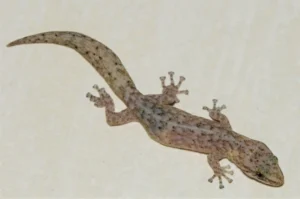
If a flea manages to bite, the area may get irritated. Repeated scratching can lead to skin breaks or small infections.
In rare cases, if the flea carries bacteria, it could make the gecko sick, but that’s extremely uncommon.
Still, it’s worth acting quickly. Even if the gecko isn’t the main target, a flea infestation nearby means trouble for every pet in the house.
What About Other Parasites That Look Like Fleas?
Sometimes people see small, dark specks moving on a gecko and assume they’re fleas. But in many cases, they’re not.
Geckos can get mites, which are much more common and actually thrive on reptiles.
Here’s the difference:
-
Fleas are brownish, long-legged jumpers.
-
Mites are tiny and slow, like moving dots of pepper.
-
Fleas bite for blood and jump away.
-
Mites stay attached and feed slowly, often around the eyes or under scales.
If you’re not sure which one you’re seeing, take a close photo or bring your gecko to a reptile vet for a quick check.
Can Fleas Live in Gecko Tanks?
They can, but only for a short time.
Without a warm-blooded host, fleas can’t survive long. Still, they can hide in substrate, cracks, or decor waiting for another host to pass by.
That’s why cleaning the enclosure is so important. Even if your gecko isn’t the main target, a few stray fleas could hop in, hide, and jump back out later when they find a warmer animal.
If your gecko’s tank is near pets, always keep a little space between cages or tanks. It reduces the chance of unwanted visitors.
How to Remove Fleas from a Gecko Safely
If you ever suspect your gecko has fleas, never use regular flea treatments meant for dogs or cats.
hose products contain chemicals that are toxic to reptiles.
Here’s what you can safely do instead:
-
Move your gecko to a clean temporary container.
-
Remove all substrate (especially loose ones like sand or coco fiber).
-
Soak tank decorations in hot water and scrub gently.
-
Clean the enclosure with warm water and mild reptile-safe disinfectant.
-
Wipe your gecko’s skin gently with a damp cloth to remove any fleas.
If you still see moving specks, contact a reptile vet. They can identify the pest and suggest a safe solution, like a reptile-safe topical cleaner or mite spray.
Can Fleas Come From Feeder Insects?
Not usually, but it can happen if feeder insects are stored in dirty places.
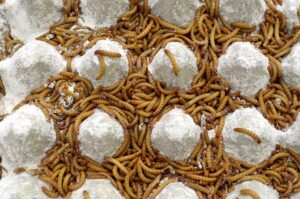
Fleas don’t breed in crickets or mealworms, but they can hide in bedding or containers if pests are present nearby.
To stay safe:
-
Always buy feeder insects from trusted sources.
-
Store them in clean containers away from carpets or pet beds.
-
Check the insects before feeding, look for small jumping bugs in the container.
It’s rare, but keeping everything clean keeps your gecko safer.
Do Wild Geckos Ever Get Fleas?
Occasionally. Wild geckos living near human homes, barns, or animal shelters might come across fleas when they crawl through bedding or warm hiding spots.
The flea might bite once, realize the blood isn’t right, and leave. But for that short time, it can still bother the gecko.
This kind of cross-contact happens most in tropical areas where fleas and geckos both thrive: warm, humid, and full of hiding places.
What About Other Reptiles, Can They Get Fleas Too?
Reptiles in general don’t attract fleas, but they can temporarily host them.
Snakes, skinks, and lizards all face the same issue: wrong body temperature, wrong blood. Fleas simply can’t complete their life cycle on them.
However, reptiles do get mites more often, especially in captivity. Mites are the “reptile version” of fleas and much more persistent.
So if you notice your gecko scratching or small moving dots on its skin, mites are far more likely than fleas.
How to Keep a Gecko’s Enclosure Flea-Free
Prevention is easier than treatment. A few habits make a huge difference:
-
Vacuum often around the tank and nearby furniture.
-
Keep other pets treated with flea control to stop spreading.
-
Avoid using carpet under or near the tank, since fleas love soft fibers.
-
Clean decor regularly, especially wood, rocks, and hides.
-
Check new tank items (like branches or plants) before adding them.
These simple steps make sure fleas never find a way in.
Can Fleas Spread to Humans Through Geckos?
Not really. If a flea jumps onto your gecko, it’s only stopping by. You’d have to already have a flea problem at home for it to reach you.
If you’re seeing bites or itching and your gecko’s in the same area, it’s probably coincidence; meaning there’s a separate flea issue in carpets or on pets, not from your gecko.
Your reptile just happens to share the space where the fleas are jumping around.
What Does a Flea Bite Look Like on a Gecko?
They’re tiny, red, and usually raised slightly from the skin.
On a gecko, you might see them most clearly on the belly or under the legs, places with thinner skin. Sometimes, there’s a faint scab where the bite happened.
If your gecko keeps rubbing those spots or refuses food, it might be irritated. Keep it calm, clean the area gently, and give it a few quiet days to recover.
How Stress Affects Geckos During a Flea Problem
Even a small irritation can cause stress in reptiles.
Geckos are sensitive animals. Changes in light, noise, or temperature can already upset them. Add something crawling on their skin, and it becomes worse.
A stressed gecko might:
-
Refuse food.
-
Stay hidden for days.
-
Change color or lose its usual brightness.
-
Move less, or act jumpy when you approach.
That’s why solving the problem quickly is just as important as cleaning the tank. Calm surroundings help your gecko bounce back faster.
Should You Take a Gecko with Fleas to the Vet?
Yes, if you’re not sure what the parasite is or if your gecko seems weak, lethargic, or loses appetite.
A vet can confirm whether it’s fleas, mites, or another skin issue under magnification.
They might also check for secondary infections or dehydration if the gecko’s been scratching too much.
It’s always safer to confirm early. Reptiles hide sickness well, so by the time you notice, the stress might already be high.
Why Clean Surroundings Matter So Much
Fleas and mites both love dark corners, warm rooms, and dust.
Keeping your gecko’s setup clean isn’t just for looks,it’s a real defense system.
Every week, a quick wipe-down of the tank edges and decor helps. Every month, a deeper clean with fresh substrate makes a big difference.
It’s not just about parasites, it keeps your gecko’s immune system strong too.
Conclusion
Fleas and geckos don’t mix.
Fleas prefer fur and steady warmth, not smooth, cool scales. Still, in rare moments, a flea might jump onto a gecko, especially in homes with other pets.
When it happens, it’s usually brief, but it can still cause irritation or stress.
The best defense is simple: clean surroundings, healthy pets, and quick action when something seems off.
Your gecko doesn’t need flea spray or chemicals ,just a little care, a clean tank, and attention to the quiet signs it gives.

Hi, my name is Ezra Mushala, i have been interested animals all my life. I am the main author and editor here at snakeinformer.com.