
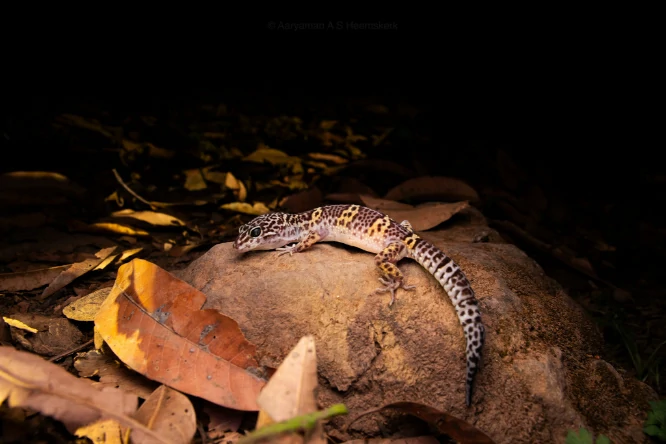
It’s late at night, and your gecko hasn’t moved much all day. It’s been hiding in the same spot, hasn’t eaten, and every time you walk near the tank, it jumps. Its colors even look a bit dull. You start to wonder if something’s wrong. Then it hits you, can geckos actually die from stress?
Yes, geckos can die from stress, especially if it lasts too long. A little bit of stress now and then is normal, but when a gecko feels scared, exposed, or uncomfortable for weeks, its immune system weakens, its appetite drops, and its body starts to wear down. Over time, that can lead to sickness (or even death) if nothing changes.
Stress isn’t just one bad day. It’s about how long your gecko stays scared or uneasy. A quick scare or a tank cleaning won’t kill it, but constant stress can.
What Stress Really Does to a Gecko’s Body
When a gecko gets stressed, its body releases hormones that prepare it to run or hide, just like ours do. Those hormones help in the moment, but if they stay high for too long, they mess up normal body functions.
A stressed gecko might stop eating, lose weight, and get sick more easily because its immune system gets weak. You might see duller colors, odd shedding, or a change in how it acts.
Stress doesn’t usually kill a gecko right away. What happens is that stress slowly wears the body down until other problems (like infections or hunger) set in. Think of it like living in panic mode every single day. After a while, the body just can’t keep up anymore.
Signs That Your Gecko Is Stressed
Geckos can’t tell you what’s wrong, but they show it through how they act. Some signs are easy to spot, while others sneak up on you.
Common stress signs include:
-
Hiding all the time or refusing to leave one spot
-
Not eating or losing weight
-
Glass surfing (climbing or scratching at the tank walls)
-
Tail twitching or defensive posture
-
Dull color or bad shedding
-
Acting jumpy or running away when you get close
If you notice more than one of these, it’s not just a bad day. Your gecko’s probably really stressed.
What Causes Stress in Geckos?
There isn’t one single reason. Stress can come from the setup, handling, tank mates, or even small things you might not think about.

Here are the main causes:
1.Wrong temperature or humidity
Geckos need the right warmth and moisture to feel safe. If it’s too cold, they can’t digest food. If it’s too hot, they overheat. Either way, it stresses them out.
2.Too much or rough handling
Even calm geckos can get overwhelmed if they’re handled too often, especially new or young ones that aren’t used to people yet.
3. No proper hiding spots
In the wild, geckos hide to stay safe. If they don’t have dark, covered places in their tank, they’ll stay alert and anxious all the time.
4. Tank mates
Most geckos, like leopard and crested geckos, prefer living alone. Putting two together often causes stress, even if they don’t seem to fight.
5. Too much light or noise
Loud sounds, bright lights, or a lot of movement around the tank can make them feel exposed.
6. Illness or parasites
Sometimes stress comes from being sick, and being stressed makes sickness worse. It’s a bad cycle that can wear them down fast.
How Stress Can Turn Dangerous
If you ignore stress, things can go downhill quickly. Not eating alone can be dangerous. Geckos don’t store much fat, so they lose weight fast.
A weak immune system also makes infections more likely. Respiratory infections are common in stressed geckos. Bad sheds can also happen, which can cut off circulation to toes or tails if skin stays stuck.
Once your gecko gets too weak, recovery takes longer and might not even be possible without help. Stress doesn’t kill them directly, it opens the door for other problems that can.
Can Stress Kill Overnight?
Usually not. It takes time for stress to get serious. One stressful event (like moving to a new tank or going to the vet) won’t kill your gecko.
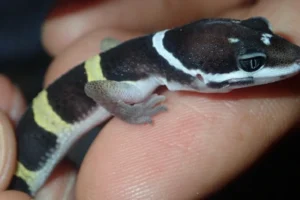
But if your gecko is already sick, dehydrated, or weak, extreme stress can push it over the edge. So while stress alone doesn’t kill overnight, it can speed things up when other problems are already there.
How to Calm a Stressed Gecko
If your gecko seems stressed, don’t panic, but act quickly. A few simple changes can help a lot.
-
Give it space. Stop handling for a few days or even a week so it can relax.
-
Add more hides. One on the warm side, one on the cool side, and one moist hide for shedding.
-
Check the temperature and humidity. Use a thermometer and hygrometer instead of guessing.
-
Keep it quiet. Move the tank away from loud areas and avoid sudden movement.
-
Feed at night. That’s when most geckos naturally eat and feel safe.
-
Cover part of the tank. It helps them feel hidden and less exposed.
You’ll know you’re helping when your gecko starts exploring, eating, or showing brighter colors again.
How Long Does It Take to Recover?
It depends on how bad the stress was. Light stress might fade in a couple of days. Long-term stress can take weeks to fix.
A gecko that just moved into a new home might calm down in a week. One that’s been bullied or kept in bad conditions might need a month or more.
The key is patience. Don’t rush things or force handling. The more calm and steady you are, the faster your gecko will feel safe again.
Can Geckos Remember Stressful Events?
Yes, in their own way. Geckos can associate certain things (like your hand, a sound, or a place) with bad memories.
If they were scared during handling or startled by loud noises, they might react the same way next time. That’s why rebuilding trust slowly is so important.
Move slowly, talk softly, and reward calm behavior with food. Over time, they’ll learn that you’re not a threat and start relaxing around you again.
Why Some Geckos Handle Stress Better Than Others
Just like people, every gecko has its own personality. Some stay calm easily, while others are jumpy or shy.
For example:
-
Leopard geckos are usually calm once tamed, but hatchlings stress easily.
-
Crested geckos are quick to startle and don’t like sudden movements.
-
Tokay geckos are defensive by nature and dislike handling.
-
Day geckos can stress out if you even tap the glass too hard.
Knowing your gecko’s type and personality helps you understand how much attention or space it needs to feel comfortable.
A Few Things People Often Miss
Sometimes stress comes from small things people overlook, like:
-
Leaving a bright light on all night
-
Vibrations from a nearby washing machine or speaker
-
Crickets left in the tank overnight biting your gecko
-
Reflections in the glass that look like another gecko
Little things like that can make a huge difference. Always double-check the setup. It’s usually something simple causing the problem.
When to See a Vet
If your gecko hasn’t eaten for over a week, is losing weight, or looks thin around the tail, it’s time to see a reptile vet.
Stress might be part of it, but you also need to rule out sickness or parasites. A vet can check for infections, do a fecal test, and make sure your gecko’s setup and diet are right. Catching problems early often makes recovery much easier.
Conclusion
Stress might sound small, but for geckos, it can decide whether they live or die. Their tiny bodies can’t handle constant fear or discomfort the way ours can.
The best thing you can do is spot the signs early (like dull colors, hiding all day, or not eating) and fix what’s causing it. When you keep their setup right and stay calm around them, they’ll start trusting you again.
They’ll eat, explore, and look healthy) proof that they finally feel safe. Because at the end of the day, that’s what every gecko really needs (not just warmth or food, but peace.

Hi, my name is Ezra Mushala, i have been interested animals all my life. I am the main author and editor here at snakeinformer.com.