
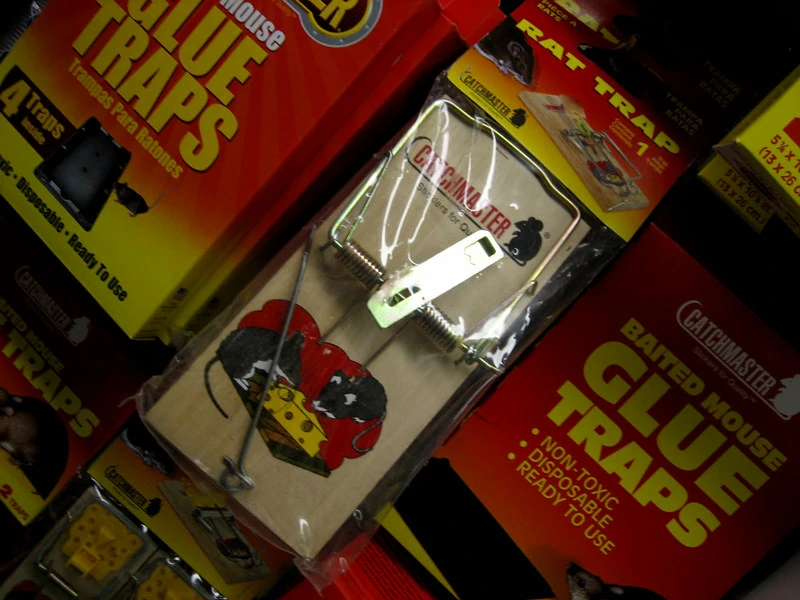
Wales has some of the world’s strictest glue trap rules, and many people don’t know it. If you have mice, you don’t want to break the law by accident. So are glue traps legal or illegal in Wales?
Using glue traps is illegal in Wales. A complete ban has been in place since 17 October 2023, and anyone who breaks it can face up to six months in prison or an unlimited fine. However, the Welsh ban covers using glue traps, not selling them.
That last part surprises people. The law bans using glue traps, not buying them. So you could leave a shop with one and break the law the moment you set it down.
Glue Traps Are Illegal To Use In Wales
If you’re in Wales, you can’t use a glue trap to catch a mouse, a rat, or anything else. That goes for homeowners, tenants, landlords, farmers, and businesses.
There’s no special licence for pest controllers either. Wales went further than England here, since England lets licensed professionals use glue traps in rare cases.
Even though the ban isn’t brand new, plenty of shops, tenants, and even pest control firms are still catching up with what it means.
When Did Wales Ban Glue Traps?
The ban comes from the Agriculture (Wales) Act 2023. The Senedd (the Welsh Parliament) passed the Act in June 2023, and it received Royal Assent on 17 August 2023.
The Welsh Government then gave people a two-month transition period to get ready. The ban on using glue traps started on 17 October 2023.
That made Wales the first nation in the UK to bring in a complete ban. Other places have followed since, and Scotland’s own ban started on 1 July 2026.
What Exactly Does The Welsh Law Ban?
The law makes it a criminal offence to use a glue trap in Wales. A glue trap is a board covered in sticky glue that holds an animal in place when it steps on it.
The same part of the Act also bans snares, which are wire loops that tighten around an animal. The Welsh Government described the glue trap and snare ban as a total one.
The key word is “use.” The law is about setting or using a trap, and it doesn’t talk about owning one or selling one.
If you aren’t sure whether a product counts, think about how it works. If it catches an animal by sticking it to a surface with glue, assume it’s covered.
What Is The Penalty For Using A Glue Trap In Wales?
The penalty matches most other wildlife crimes in the Wildlife and Countryside Act 1981. If you’re convicted in a magistrates’ court, you could be sent to prison for up to six months, or be given an unlimited fine, or both.
That’s a serious penalty for something that costs a couple of pounds at the shop. How strictly it’s enforced can vary, so don’t count on getting a warning.
Landlords and businesses need to be careful as well. If a pest control firm uses a glue board in a property you own, you could be pulled into the problem too.
So if you hire a company, ask them directly what traps they use. A good one will tell you it’s snap traps, electronic traps, or sealing work.
The Welsh Ban Covers Using Glue Traps, Not Selling Them
Here’s the odd part. The ban doesn’t cover selling glue traps, so you can find them in some shops and online.
That’s because the Welsh law only bans using them. The Welsh Government has treated the ban on use as the main step, and it can extend the rules to sales later if evidence shows a need.
Its reasoning is simple: if banning use works, there’s less need to ban sales as well.
If evidence ever shows a need, nothing in UK trade rules would stand in the way of a sales ban.
For you as a buyer, the message is clear. Just because a shop sells a glue trap doesn’t mean it’s legal to put it down.
Wales Has No Licence Scheme Like England’s
England’s Glue Traps (Offences) Act 2022 also bans using glue traps, but it has a licence scheme.
Professional pest controllers can apply for a licence in exceptional cases, such as when there’s a serious public health risk and nothing else will work.
Wales didn’t copy that. The Welsh ban is complete, which means even professionals can’t use glue boards.
Pest control groups have argued that’s a problem. The British Pest Control Association said it expects the ban to hurt some Welsh businesses and said it’s worried about public health in high-risk places like hospitals and food factories.
The Welsh Government decided that the animal welfare side mattered more. That’s the main reason Wales is often described as having the toughest rules in the UK.
How Does Wales Compare With England, Scotland, And Northern Ireland?
England bans the public from using glue traps for rodents, but selling them is legal, and professionals can get a licence in rare cases.
England’s law doesn’t cover sales either, and a sale ban there would need a new law.
Scotland banned the use, possession, and sale of glue traps from 1 July 2026. It needed a change to UK trade rules first, which the UK Government made so that Scotland could ban sales.
Northern Ireland sets its own rules, and it hasn’t banned glue traps in the same way. So the rules depend a lot on which side of a border you’re standing on.
Across the water, the Republic of Ireland also bans glue traps. If you travel around the UK and Ireland, you’ll find that Wales and Scotland have the tightest laws.
Why Did Wales Ban Glue Traps?
The main reason was animal cruelty. The British Veterinary Association has described the injuries rodents suffer on these boards, like torn skin and broken limbs. A slow death from suffocation, hunger, or exhaustion often follows.
Glue traps also catch animals that were never meant to be caught. Small birds, bats, hedgehogs, and even pets can get stuck, and they often can’t be freed without being hurt.
The Welsh Government called the traps inhumane and said a complete ban was the way forward. That fits the research, which ranks glue traps among the worst options for animal welfare.
A mouse in a snap trap usually dies in a split second. A mouse on a glue board can suffer for many hours, or even a day or more.
Why Do Some Pest Controllers Say The Ban Goes Too Far?
Not everyone agrees with the Welsh approach. The British Pest Control Association argued that a complete ban leaves professionals without a tool for some jobs.
Their main concern is places where a mouse has to be caught fast, like a hospital ward, a food factory, or a school kitchen. In those places, a mouse running free can be a real health risk.
They also say glue boards are useful for monitoring, since they show where mice are traveling. That’s a different job from killing, but the Welsh law doesn’t make an exception.
However, most animal welfare groups say other methods can do the same work. Snap traps, electronic traps, and sealing up holes are the usual suggestions.
Glue Traps Can Catch Birds, Bats, And Other Wildlife In Wales
A glue trap can’t tell what it’s catching. A robin or wren hopping through a shed, a bat roosting in a garage, or a hedgehog wandering into a porch can all get stuck.
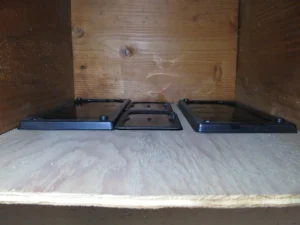
That’s a bigger problem than it sounds. All bats in the UK have legal protection, and many wild birds are protected too.
Catching a protected animal by accident could bring more trouble on top of the glue trap offence. And the animal itself may die in pain even if you meant no harm.
This is another reason the Welsh ban covers all use. It’s easier to enforce a simple rule than one that depends on what the trap might catch.
Why Do People Still Use Glue Traps In Wales?
Mostly because they’re cheap, easy to find, and don’t need any setting. A lot of people also simply don’t know the law changed.
Pest control groups have said that public awareness is low, and that some shops sell glue traps without any warning. A customer who sees a trap on a shelf will naturally assume it’s legal to use.
Older stock is another reason. Some people find an unopened board in a drawer or shed and use it without thinking twice.
That’s why it helps to spread the word. If you’ve got friends or neighbours who are dealing with mice, tell them that using glue traps is a crime in Wales.
What Should You Do If You Find A Glue Trap Set Somewhere?
Maybe you’ve just moved into a rental, or you’ve found an old board behind a fridge. Check it carefully, since there could be an animal stuck on it.
If there’s an animal on it, don’t pull it off. That can tear skin and break legs.
Many animal charities suggest dabbing cooking oil on the glue, a little at a time, to loosen the grip. Keep the animal warm and quiet, and call a vet or the RSPCA as soon as you can.
If someone is using glue traps illegally, you can raise it with the police (many forces have wildlife crime officers) or your local council. Keep notes and photos if you can, because that makes a report easier to act on.
How Long Does A Mouse Suffer On A Glue Trap?
It can be a very long time. Animal charities say a trapped mouse can stay alive for more than 24 hours, and some take even longer.
During that time the animal panics and struggles, which can tear skin, break bones, and pull out fur. It may die slowly from thirst, hunger, exhaustion, or the cold.
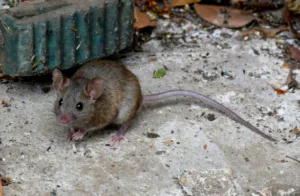
That’s very different from a snap trap, which usually kills in a split second. It’s the main reason animal welfare groups pushed for the Welsh ban in the first place.
Mice are small, but they feel pain and fear like any other animal. Even people who want mice gone usually want it done quickly.
What Should You Use Instead Of Glue Traps In Wales?
Start by sealing holes, because mice can squeeze through a gap about the width of a pencil, around 1/4 inch or 6 mm. Use coarse steel wool or wire mesh, then cover it with filler or caulk.
Snap traps are the next step, and they’re legal for mice and rats in the UK. A well made one usually kills in a split second.
Put them along walls with the trigger end facing the wall, and use a pea sized dab of peanut butter or chocolate spread as bait. Check them every day.
Electronic traps are another quick option, since they give a shock that usually kills within seconds. They cost more, but you don’t have to see the mouse.
Poison has its own rules and risks, especially for pets and wildlife like owls. For a bigger problem, call a pest control company and ask them to use snap traps or electronic traps.
How To Keep Mice Out Of A Welsh Home
Keeping mice out is the best long term fix, and it’s the one that saves the most animals. Many Welsh homes are older, with stone walls, gaps around pipes, and air bricks, so there are plenty of ways in.
Seal holes around pipes and cables with coarse steel wool or wire mesh, and cover them with filler. Fit brush strips or draught excluders to the bottom of doors.
Don’t block air bricks, since they let your house breathe. Instead, cover them with a fine metal mesh that lets air through but keeps mice out.
Store food in glass or hard plastic containers, and don’t leave pet food out overnight. Keep bins closed and clear clutter from garages and sheds, because mice love to nest in boxes and piles of old fabric.
Humane Snap Traps Do The Job Better Than Glue Boards
There’s a good chance a snap trap will work better as well. Dust can cover the glue on a board, and some mice learn to avoid it.
A study of pest control methods found that well made snap traps usually kill quickly. Glue boards scored among the worst for animal welfare.
Snap traps are also reusable in many cases, and they’re cheap. You see the result right away, so you can move a trap or add more the same day.
The cleaner and more careful you are, the better it works. Wash your hands afterward, because wild mice can carry germs.
Is It Illegal To Own A Glue Trap In Wales?
No, owning one isn’t an offence, and neither is buying one. The offence is using it, which means setting it out where an animal could step on it.
If you’ve got old boards at home, don’t set them out. Seal them in a bag and put them in the bin, or ask your local council how to get rid of them.
If you’re not sure whether a trap or a product counts, don’t use it. Switching to a snap trap costs about the same and keeps you on the right side of the law.
Can Landlords And Businesses In Wales Use Glue Traps?
No. The ban applies to everyone, so a landlord, a business owner, or a pest control company can’t use them either.
If you rent, your landlord is usually responsible for pest control. If you see glue boards in your home, ask them to switch to snap traps or sealing work.
If you run a food business, talk to your pest control provider about how they monitor and control rodents. They’ll need to use methods that don’t involve glue. If you’re unsure, your local council’s environmental health team can give advice.
Shops Can Sell Glue Traps, But Using Them Is A Crime
This is where things get messy. Pest control groups in the UK have shown undercover footage of shops selling glue traps and even telling customers how to use them in ways that break the law.
Newspaper investigations have found similar problems. It shows how confusing it is when the law bans using a product but doesn’t ban selling it.
The safest rule is simple: if you’re in Wales and you set a glue trap, you’ve committed an offence.
Could Wales Ban The Sale Of Glue Traps Too?
It could, since a UK trade rule that once stood in the way has been changed. That change (to the Internal Market Act) lets Scotland, Wales, and Northern Ireland ban the sale of glue traps without being blocked.
Scotland has used that route to ban sales. Wales can do the same if lawmakers decide a ban on use isn’t enough.
Pest control groups and animal charities will keep pushing from both sides. So the rules can change over time.
Conclusion
So, are glue traps legal or illegal in Wales? Using them is illegal, and it has been since 17 October 2023.
The penalty can be up to six months in prison or an unlimited fine, and there’s no licence scheme for professionals. However, the ban covers use rather than sales, which is why so many people get confused.
If you’ve got mice, skip the glue board. Seal gaps, use snap traps or electronic traps, and keep your food stored well.
If you find an animal stuck on a glue trap, call a vet or the RSPCA as soon as you can. And if you’re ever unsure about the rules, ask your local council or a licensed pest controller.

Hi, my name is Ezra Mushala, i have been interested animals all my life. I am the main author and editor here at snakeinformer.com.