
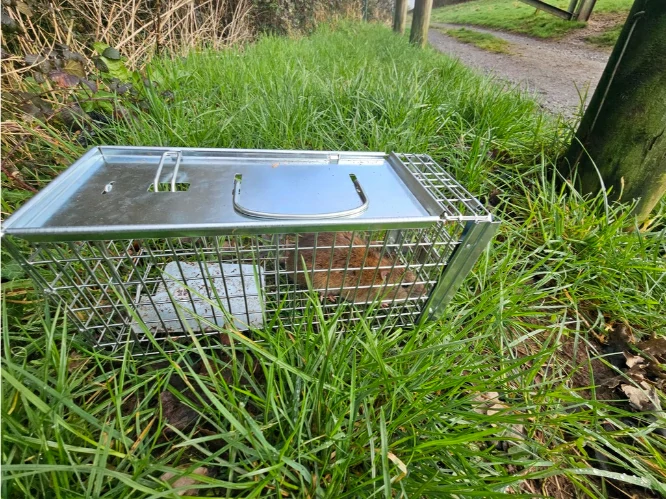
Live rat traps are a humane way to catch rats without killing them, but they only work if you use the right bait to lure the rats inside.
Rats are smart and cautious animals, so you can’t just put any food in the trap and expect results. What’s the best bait for live rat trap?
The best bait for live rat traps is peanut butter because it has a strong smell that attracts rats from far away, it’s sticky (so rats can’t grab it and run), and rats really love the taste. Other great options include chocolate, bacon, dried fruit, nuts, and seeds.
The key is using something with a strong smell that rats find irresistible. You also want bait that stays in place so the rat has to fully enter the trap to get it.
Let’s look at exactly what makes good rat bait and how to use it effectively.
Why Peanut Butter Works So Well
Peanut butter is the number one choice for rat bait, and there are several reasons why. First, it has a really strong smell that rats can detect from far away.
Rats have an excellent sense of smell. They use it to find food, and peanut butter’s nutty, oily scent is like a beacon to them.

Second, peanut butter is sticky. When you smear it on the trigger plate of your trap, the rat can’t just grab it and run. They have to lick it off, which takes time.
This gives the trap more time to close or trigger. With loose bait like cheese or crackers, rats can sometimes snatch it without activating the trap.
How Much Peanut Butter to Use
You don’t need a lot of peanut butter. A small amount (about the size of a pea or a dime) is enough.
If you use too much, the rat might be able to eat some of it without fully entering the trap. You want them to have to walk all the way inside.
Put the peanut butter at the very back of the trap, as far from the entrance as possible. This forces the rat to commit to entering.
Some people mix the peanut butter with other foods like oats or birdseed. This can work, but plain peanut butter is usually enough.
Chocolate as Rat Bait
Chocolate is another excellent choice for rat bait. Rats are attracted to sweet, high-calorie foods, and chocolate fits the bill perfectly.
The smell of chocolate is strong and appealing to rats. Milk chocolate works better than dark chocolate because it’s sweeter.

You can use chocolate chips, chocolate bars broken into small pieces, or even chocolate syrup. Like peanut butter, chocolate syrup is sticky and keeps rats in the trap longer.
One trick is to melt chocolate chips slightly and mix them with peanut butter. This combination is really hard for rats to resist.
Why Bacon Works as Bait
Rats are omnivores, which means they eat both plants and meat. Bacon’s greasy, salty smell is very attractive to them.
Cook the bacon until it’s crispy, then break it into small pieces. You can also use raw bacon, but cooked bacon smells stronger.
The grease from bacon is especially good. You can save bacon grease and smear a little bit on the trigger plate along with other bait.
Just be aware that bacon can spoil quickly, especially in warm weather. Check your trap daily if you’re using bacon.
Dried Fruit: A Sweet Option
Dried fruit like raisins, cranberries, or apricots make great rat bait. Rats love sweet foods, and dried fruit has concentrated sugars.
The chewy texture of dried fruit also means rats have to spend time eating it. This increases the chances of the trap triggering.

Raisins are particularly good because they’re small and easy to place in the trap. Put several raisins at the back of the trap.
You can also soak dried fruit in water or fruit juice to make it smell even stronger. Rats will be able to smell it from farther away.
Nuts and Seeds: Natural Favorites
In the wild, rats eat lots of nuts and seeds. These foods are natural attractants, and rats recognize them immediately.
Sunflower seeds, pumpkin seeds, almonds, walnuts, and cashews all work well. You can use them whole or crush them slightly to release more scent.
Mix different types of nuts and seeds for variety. This creates a stronger, more complex smell that rats find hard to ignore.
The downside of nuts and seeds is that they’re not sticky. Rats might be able to grab them without fully entering the trap. Mixing them with peanut butter solves this problem.
Why Cheese Isn’t Always the Best Choice
Everyone thinks rats love cheese, and while they do eat it, cheese isn’t actually the best bait option.
Cheese doesn’t smell as strong as peanut butter or bacon. Rats might not detect it from as far away.

Also, hard cheese can dry out quickly, making it even less appealing. Soft cheese like cream cheese works better, but it’s still not as effective as peanut butter.
If you do use cheese, go for something with a strong smell like blue cheese or aged cheddar. These have more odor than mild cheeses like mozzarella.
Fresh Fruit and Vegetables
Rats also eat fresh produce. Apples, bananas, grapes, carrots, and sweet potatoes can all work as bait.
Cut the fruit or vegetable into small pieces and place them at the back of the trap. Bananas work especially well because they’re soft and smell sweet.
The problem with fresh produce is that it goes bad quickly. If you don’t check your trap daily, the bait will rot and attract flies instead of rats.
Fresh produce also doesn’t smell as strong as processed foods like peanut butter. You might need to use more to get the same effect.
Pet Food as Rat Bait
Dry dog food or cat food can work as rat bait, especially if rats have already been stealing pet food from your home.
Rats recognize the smell of pet food because they’ve probably already been eating it. This makes them more likely to enter the trap.

Mix dry pet food with peanut butter to keep it in place. The kibble alone might roll around, making it easy for rats to grab without triggering the trap.
Wet pet food also works, but like bacon, it spoils quickly. Only use it if you can check the trap multiple times per day.
Nesting Material as Bait
This one surprises people, but rats don’t just look for food. They also need materials to build nests, especially if they’re pregnant.
Cotton balls, shredded paper, or soft fabric can attract rats looking for nesting material. This works best during colder months when rats are focused on staying warm.
You can combine nesting material with food bait. Put peanut butter in the trap and add some cotton balls nearby.
Female rats are especially attracted to nesting material. If you’re dealing with a pregnant rat, this might work better than food alone.
How to Apply Bait Properly
Where you put the bait matters just as much as what bait you use. Always place bait at the very back of the trap, away from the entrance.
This forces the rat to walk completely inside. If you put bait near the entrance, the rat might grab it without entering far enough to trigger the trap.
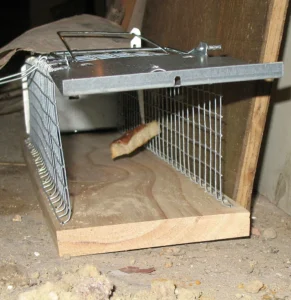
Press sticky baits like peanut butter firmly onto the trigger plate. Make sure it’s secure so the rat can’t easily lick it off.
For loose bait like nuts or fruit, use a small amount. Too much bait gives the rat options, and they might eat some without triggering the trap.
Changing Bait Regularly
Fresh bait works better than old bait. Rats are cautious about eating food that smells off or moldy.
Check your trap daily and replace the bait if it’s dried out, moldy, or if insects have gotten to it. This is especially important with perishable baits like bacon or fruit.
If the same bait has been sitting in the trap for several days without catching anything, try switching to a different type. Rats in different areas might have different preferences.
Some rats are naturally more cautious than others. If one type of bait isn’t working, experimentation is key.
What About Commercial Rat Baits?
Pet stores and hardware stores sell commercial rat attractants. These are usually gels or pastes designed specifically for traps.
These products can work, but they’re not always better than regular food. Many of them are just processed versions of things like peanut butter or cheese.
If you want to try commercial bait, go ahead. But don’t feel like you need to buy special products. Peanut butter from your pantry works just as well.
The main advantage of commercial baits is that they’re designed to last longer without spoiling. This is useful if you can’t check your trap every day.
Foods to Avoid Using as Bait
Some foods don’t work well as rat bait. Anything without a strong smell is a bad choice because rats won’t be able to find it.
Bread, crackers, and plain rice don’t smell much. Rats might eat them if they’re right in front of them, but these foods won’t attract rats from a distance.

Very dry foods can also be a problem. If rats can grab them quickly, they might not stay in the trap long enough to trigger it.
Avoid anything that will spoil quickly if you can’t check the trap multiple times per day. Rotting food smells bad to you and attracts other pests like flies.
Understanding Rat Food Preferences
Different rats have different preferences based on where they live and what they’ve been eating. Rats that live near restaurants might prefer greasy, salty foods.
Rats in residential areas might go for sweeter foods like fruit or chocolate. Rats in warehouses or barns might be used to eating grains and seeds.
Think about where your rats have been living and what food sources are available to them. Use bait that matches what they’re already familiar with.
If you catch one rat but others avoid the trap, try switching up your bait. The remaining rats might have different tastes.
Combining Multiple Baits
You don’t have to use just one type of bait. Combining different foods can make your trap more effective.
Try mixing peanut butter with chocolate chips, or peanut butter with sunflower seeds. These combinations smell stronger and offer variety.

You can also put multiple types of bait in the trap at different spots. Put peanut butter on the trigger plate and add some dried fruit nearby.
This gives rats more reasons to enter the trap. Even if they’re not interested in one food, they might want the other.
Seasonal Bait Considerations
Rat preferences can change with the seasons. In fall and winter, rats need high-calorie foods to stay warm.
During these months, fatty foods like peanut butter, bacon, and nuts work especially well. Rats are trying to build up energy reserves.
In spring and summer, rats might go for fresher foods like fruit. They’re also looking for water sources, so juicy fruits like grapes or melon can work.
Pregnant female rats (which is common in spring) need protein. They might be more attracted to bacon or pet food than to sweet baits.
How Long to Wait Before Changing Bait
If you’ve set a trap with good bait and nothing happens after 3 to 5 days, it’s time to try something different.
Either the rats aren’t interested in that bait, or they’re too cautious to enter the trap yet. Switching bait gives you another chance.
Sometimes rats need time to get used to the trap before they’ll enter it. This is called trap shyness, and it’s more about the trap than the bait.
You can help overcome trap shyness by leaving the trap open and baited without setting it for a few days. Let rats eat from it safely, then set it.
Conclusion
The best bait for live rat traps is peanut butter because of its strong smell, sticky texture, and universal appeal to rats. Chocolate, bacon, dried fruit, nuts, and seeds are also excellent choices.
The key to successful baiting is using fresh food with a strong scent, placing it at the back of the trap, and checking the trap regularly. Different rats might prefer different foods, so be ready to experiment.
Always place your trap in areas where rats are active, and combine good bait with smart trap placement. With the right bait and location, you’ll catch rats quickly and humanely.
Remember to handle all traps and bait safely, especially if you have pets or children in your home.

Hi, my name is Ezra Mushala, i have been interested animals all my life. I am the main author and editor here at snakeinformer.com.