
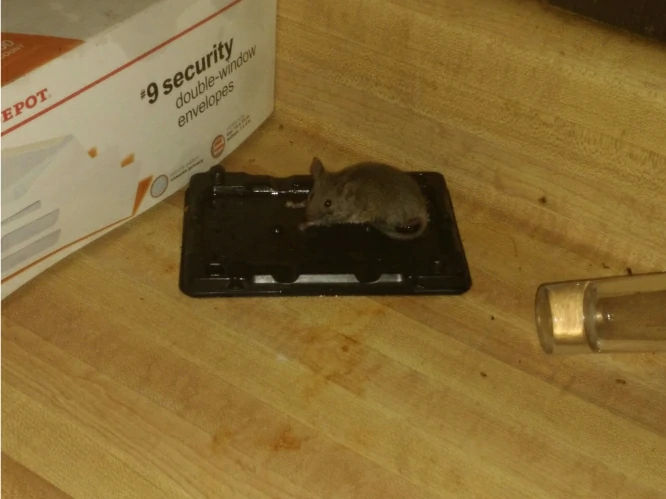
Getting rat trap glue on your hands is surprisingly easy when you’re setting up traps or moving them around.
The sticky mess clings to your skin and won’t wash off with regular soap and water, leaving you frustrated and uncomfortable. So how do you get rat trap glue off your hands?
You can remove rat trap glue from your hands using vegetable oil, baby oil, or petroleum jelly to break down the adhesive, then wash with dish soap and warm water. The oil dissolves the glue’s sticky properties, allowing it to be easily washed away without irritating your skin.
The key is using an oil-based product first because rat trap glue is designed to resist water. Once the oil breaks down the glue, regular soap can finish the cleaning job and leave your hands clean and glue-free.
Why Regular Soap Doesn’t Work on Rat Trap Glue
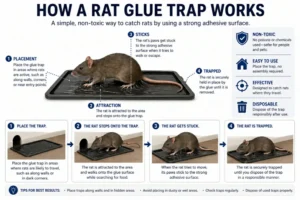
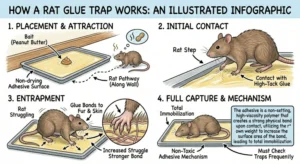
Rat trap glue is specifically made to stay sticky even when it gets wet. It’s not water-soluble, which means water alone (or even soapy water) won’t dissolve it.
The glue is made from synthetic rubber compounds and resins that form strong bonds with your skin. These materials are designed to resist moisture so they’ll still work in damp areas where rats might travel.
When you try to wash rat trap glue off with just soap and water, you’ll notice it stays just as sticky as before. You might even spread it to other areas of your hands or to the sink.
This is really frustrating, but it makes sense when you think about what the glue is designed to do. If regular water could wash it away, it wouldn’t be very effective at catching rats.
The good news is that while the glue resists water, it dissolves easily when it comes in contact with oils. This is the secret to getting it off your hands quickly and without any pain.
The Best Way to Remove Glue from Your Hands
The most effective method for removing rat trap glue from your hands is using plain vegetable oil or cooking oil. Almost everyone has this in their kitchen, and it works better than any specialized product.
Start by pouring a generous amount of oil onto your hands, focusing on the areas where the glue is stuck. Don’t be shy with the oil. You want to really coat the glue so the oil can start working right away.
Rub your hands together, working the oil into all the sticky spots. You’ll feel the glue starting to loosen up and become less sticky within about 30 seconds to a minute.
Keep rubbing for about 2 to 3 minutes. As you work the oil into the glue, you’ll notice clumps of sticky residue starting to roll up and come off your skin.
The glue will turn from a sticky mess into a gummy texture that you can actually wipe away. Use paper towels to wipe off the oil and glue mixture as you go.
If some glue is still stuck, add more oil and repeat the process. Really stubborn spots might need several applications, but the oil will eventually dissolve all the glue.
Once all the glue is removed, your hands will be covered in oil. This is where dish soap comes in. Wash your hands thoroughly with dish soap and warm water.
Dish soap is designed to cut through grease and oil, so it’ll remove the oily residue much better than regular hand soap. You might need to wash your hands two or three times to get them completely clean.
Using Baby Oil for a Gentler Approach
Baby oil is another great option for removing rat trap glue, especially if you have sensitive skin. It works the same way as vegetable oil but has a milder formula that’s less likely to cause irritation.
Pour baby oil onto your hands and rub it into the glue just like you would with vegetable oil. The process is exactly the same, but baby oil often smells better and feels nicer on your skin.
One advantage of baby oil is that it’s already formulated for use on skin. It contains ingredients that moisturize while they clean, so your hands won’t feel as dried out afterward.
Baby oil can also be easier to wash off than cooking oil. A couple of washes with regular hand soap should do the trick, though dish soap still works better if you want to be thorough.
If you have baby oil on hand (maybe you have young kids), it’s definitely worth trying. It’s gentle, effective, and leaves your skin feeling soft rather than greasy.
Can Petroleum Jelly Remove the Glue?
Petroleum jelly (like Vaseline) can also remove rat trap glue from your hands. It’s thicker than oil, so it works a bit differently but can be just as effective.
Scoop out a good amount of petroleum jelly and rub it all over the glue on your hands. The thick texture means you can really work it into sticky areas without it dripping everywhere.
Massage the petroleum jelly into the glue for a few minutes. You’ll notice the glue starts to come off in chunks as the petroleum jelly breaks down the adhesive.
The main difference is that petroleum jelly takes a bit longer to work than liquid oil. You might need to keep rubbing for 5 minutes or more to get all the glue off.
Once the glue is removed, you’ll need to wash your hands really well. Petroleum jelly is harder to wash off than oil, so plan on using dish soap and spending a bit more time at the sink.
Despite taking longer, petroleum jelly is a good option if it’s the only thing you have available. It definitely works better than trying to use water alone.
What About Using WD-40 or Other Solvents?
WD-40 is very effective at removing rat trap glue from your hands. It works quickly and dissolves the glue almost immediately. But there are some downsides to using it.
WD-40 is a petroleum-based product that contains chemicals you probably don’t want sitting on your skin for very long. It can be drying and irritating, especially if you have sensitive skin or any cuts on your hands.
If you do use WD-40, spray it on your hands, rub it around to dissolve the glue, and then wash it off immediately with soap and water. Don’t let it sit on your skin.
After washing with soap, you might want to apply some hand lotion because WD-40 can really dry out your skin.
Other solvents like rubbing alcohol or acetone (nail polish remover) can also work, but they have the same issues. They’re effective but harsh on your skin.
For most situations, sticking with food-safe oils is the better choice. They’re just as effective and much gentler on your hands.
How to Remove Glue from Under Your Fingernails
Rat trap glue that gets under your fingernails is especially annoying. It’s harder to reach and can stay there for days if you don’t deal with it properly.
Use a cotton swab or cotton ball soaked in vegetable oil to get the oil under your nails. Push the cotton gently under each nail and hold it there for a minute to let the oil work.
You can also soak your fingertips in a small bowl of vegetable oil for about 5 minutes. This gets oil everywhere and really helps loosen glue that’s stuck under your nails.
After soaking, use an old toothbrush or nail brush to gently scrub under your nails. The glue should start to come loose and work its way out.
For really stubborn glue, you might need to use a wooden toothpick or an orange stick (the kind used for manicures) to carefully scrape it out. Be gentle so you don’t damage your nail bed.
Once the glue is out, wash your hands thoroughly and use a nail brush to make sure all the oil and glue residue is gone from under your nails.
What to Do If Your Skin Gets Irritated
Rat trap glue itself can sometimes cause skin irritation, especially if it stays on your hands for a while. If you notice redness, itching, or a rash after removing the glue, here’s what to do.
Wash your hands again with mild soap and cool water. Hot water can make irritation worse, so stick to lukewarm or cool temperatures.
Pat your hands dry gently with a clean towel. Don’t rub, as this can irritate your skin even more.
Apply a gentle, fragrance-free moisturizer or aloe vera gel. This will help soothe any irritation and protect your skin while it recovers.
If the irritation is more than just mild redness, you can try using a hydrocortisone cream. This over-the-counter cream helps reduce inflammation and itching.
Avoid using harsh soaps, hand sanitizers, or any products with fragrances until your skin has fully healed. These can make the irritation worse.
If the irritation doesn’t get better after a day or two, or if it gets worse, you should see a doctor. Some people have allergic reactions to the chemicals in rat trap glue.
How to Prevent Getting Glue on Your Hands
The best way to deal with rat trap glue on your hands is to avoid getting it there in the first place. Here are some tips to help you stay glue-free when handling traps.
Always wear disposable gloves when setting up or moving rat traps. Nitrile or latex gloves work great and cost just a few cents per pair.
If you don’t have gloves, you can use plastic bags as makeshift hand covers. Just slip your hands into small plastic bags before handling the traps.
Handle traps by their edges, not by touching the glue surface directly. Most rat traps have a border or frame around the glue that you can hold safely.
Open the trap packaging carefully. The glue can sometimes spread beyond the trap itself if the packaging is damaged or if the trap has been sitting in a hot car.
Work slowly and carefully when positioning traps. Rushing increases the chances of accidentally touching the glue with your fingers.
If you’re removing a trap that has caught a rat, be extra careful. The rat might have struggled and spread glue to areas of the trap that aren’t normally sticky.
Keep a bottle of vegetable oil nearby when you’re working with glue traps. If you do get glue on your hands, you can clean it off immediately before it spreads.
Can You Use Hand Sanitizer to Remove the Glue?
Hand sanitizer doesn’t work well for removing rat trap glue. Since most hand sanitizers are alcohol-based, they’re designed to kill germs but not to dissolve sticky adhesives.
You might notice that rubbing hand sanitizer on the glue makes it feel a tiny bit less sticky, but it won’t actually remove the glue. You’ll just end up with sticky, sanitized hands.

Some people try using hand sanitizer because they think the alcohol will dissolve the glue. While alcohol can help with some types of adhesives, it’s not effective against the synthetic rubber compounds in rat trap glue.
If you’re out in public or somewhere without access to oil and dish soap, hand sanitizer won’t hurt to try. But don’t expect great results, and be ready to properly clean your hands with oil as soon as you get home.
Save your hand sanitizer for killing germs after you’ve already removed the glue with oil and soap. That’s what it’s actually designed for.
What If the Glue Has Been on Your Hands for Hours?
If you’ve had rat trap glue on your hands for several hours (or even longer), it’s going to be a bit harder to remove, but it’s still definitely possible.
Dried or aged glue bonds more strongly to your skin because it’s had time to really settle into all the tiny grooves and pores. This doesn’t mean it’s permanent, just that you’ll need a bit more patience.
Start by soaking your hands in warm (not hot) water for about 5 minutes. This won’t remove the glue, but it’ll soften your skin and make the glue easier to work with.
After soaking, apply a lot of oil (more than you’d normally use) and spend more time rubbing it in. You might need to work the oil into the glue for 5 to 10 minutes instead of the usual 2 to 3 minutes.
Let the oil sit on the glue for a few minutes between rubbing sessions. This gives it more time to penetrate and break down the adhesive.
You’ll probably need to repeat the oil application several times. Each round will remove a bit more glue until it’s all gone.
Don’t try to peel or pick the glue off your skin. This can hurt and might even tear your skin. Let the oil do the work.
Is Rat Trap Glue Toxic on Your Skin?
Rat trap glue isn’t highly toxic, but it’s not something you want sitting on your skin for extended periods. The glue contains chemicals that can cause irritation in some people.
Most rat trap glues are made from synthetic rubber and resins that are considered relatively safe for brief contact with skin. They’re not absorbed through your skin into your bloodstream in dangerous amounts.
However, some formulations contain additional chemicals that might cause allergic reactions or skin irritation. If you have sensitive skin, you might notice redness or itching where the glue touched you.
The bigger concern is that having sticky glue on your hands means you might accidentally touch your face, eyes, or mouth. The glue can irritate these more sensitive areas and cause discomfort.
If you get rat trap glue on your skin, remove it as soon as possible. Don’t leave it on for hours just because it’s not an emergency. The longer it stays on your skin, the more likely you are to experience irritation.
After removing the glue, if you notice any unusual symptoms like severe itching, swelling, or a rash that doesn’t go away, contact a doctor. These could be signs of an allergic reaction.
Tips for Sensitive Skin
If you have sensitive skin and need to remove rat trap glue from your hands, take a few extra precautions to avoid irritation.
Use food-grade oils like olive oil, coconut oil, or vegetable oil rather than petroleum-based products. These are gentler and less likely to cause reactions.
Work in a well-ventilated area and avoid using chemical solvents altogether. Even if they work faster, they’re much more likely to irritate sensitive skin.
After removing the glue, wash your hands with a gentle, fragrance-free soap. Harsh soaps or heavily scented products can trigger reactions in sensitive skin.
Apply a hypoallergenic moisturizer immediately after cleaning your hands. This helps restore your skin’s protective barrier and prevents dryness.
If your skin tends to react badly to new products, do a small test first. Put a tiny bit of oil on your inner wrist and wait a few minutes to make sure you don’t have a reaction before using it all over your hands.
Conclusion
Removing rat trap glue from your hands is simple once you know the trick. Vegetable oil, baby oil, or petroleum jelly will dissolve the glue quickly and safely, followed by a thorough wash with dish soap and water.
The process takes just a few minutes and doesn’t require any special products or tools. As long as you have oil and soap, you can get your hands completely clean without any harsh chemicals or skin irritation.
Remember to wear gloves next time you’re working with rat traps to avoid getting glue on your hands in the first place. But if you do end up with sticky fingers, you now know exactly how to fix the problem quickly and easily.

Hi, my name is Ezra Mushala, i have been interested animals all my life. I am the main author and editor here at snakeinformer.com.