
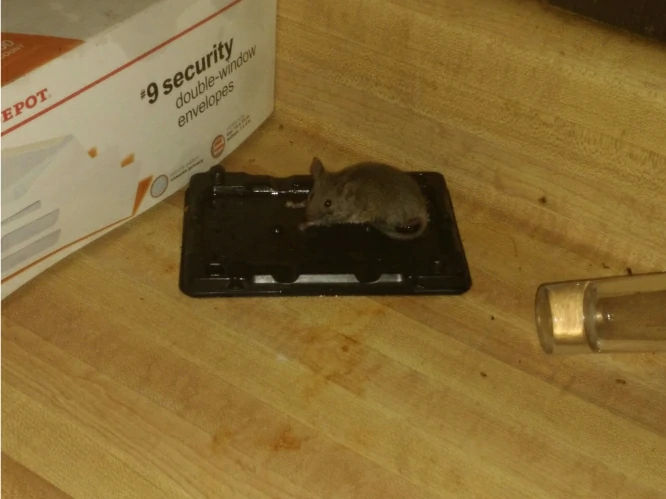
You checked your glue trap and found something disturbing. There’s fur stuck to it, maybe a little blood, but no rat. Somehow the rat managed to get away from what’s supposed to be an inescapable trap.
Now you’re left wondering if that rat is going to return to the same area or if it’s learned its lesson and will stay far away from your traps. So if a rat escaped from a glue trap, will it come back?
A rat that escaped a glue trap will usually avoid that specific trap and the immediate area around it, but it will likely come back to your home. Rats are creatures of habit and won’t abandon food sources and shelter just because of one bad experience. However, the escaped rat will be much more cautious and harder to catch than before.
This is actually one of the worst-case scenarios in pest control. You’ve now got a rat that’s injured, scared, and educated about your trapping methods.
It’ll be warier and more difficult to deal with going forward, but it’s definitely not gone for good.
Why Rats Come Back Despite Bad Experiences
Rats are driven by basic survival needs that outweigh their fear of danger. Understanding this helps explain why an escaped rat will return.
Food is the primary reason rats stay in an area. If your home provides easy access to food (crumbs, pet food, unsealed pantry items), the rat won’t leave just because of a glue trap encounter. Hunger is a powerful motivator.

Shelter is equally important, especially in cold weather. Rats need a warm, safe place to nest and raise young. If they’ve already established a nest in your walls, attic, or basement, they won’t abandon it over one scary incident.
Water sources keep rats coming back. Rats need to drink regularly. If you have leaky pipes, pet water bowls, or other moisture sources, rats will keep returning to access them.
Established travel routes are hard for rats to break. They use the same paths repeatedly and have poor eyesight, so they rely on familiar routes. Even after a trap encounter, they’ll likely use the same general area because it’s what they know.
The rat doesn’t understand cause and effect the way we do. It knows something scary happened, but it doesn’t necessarily connect the trap to you or understand that more traps might be waiting. It just knows to avoid that one specific spot.
How Escaping a Glue Trap Changes Rat Behavior
An escaped rat isn’t the same as one that’s never encountered a trap. The experience changes how it acts, making it more challenging to catch.
The rat becomes trap-shy, meaning it’ll avoid anything that looks or smells like the trap it escaped from. If you use the same type of glue trap in the same location, the rat will stay away from it.
It develops increased caution in general. The rat will be more careful when investigating new objects in its environment. This is called neophobia, and it’s a natural rat defense mechanism that becomes stronger after a traumatic experience.
The rat might change its travel routes slightly. While it won’t abandon the area entirely, it might start using a different path that avoids where the trap was. This makes placement of new traps more difficult.
Injured rats are often more desperate. If the rat lost fur or skin getting away from the trap, it might be in pain and therefore more aggressive or more willing to take risks to find food quickly.
The rat might stick to more hidden areas. Instead of crossing open floor spaces, it’ll stay closer to walls, under furniture, or in other covered spots where it feels safer.
Some rats become nocturnal or change when they’re active. If the trap encounter happened during their usual activity time, they might shift to being active at different hours.
Will the Rat Avoid All Traps or Just Glue Traps?
This is an important question for your pest control strategy. The answer depends on how smart the rat is and what exactly it experienced.
Most rats will specifically avoid glue traps after escaping one. They can smell the adhesive and will recognize it as dangerous. Even a different brand or style of glue trap might be avoided because the scent is similar.
The rat might still approach other types of traps. Snap traps, electronic traps, or live traps don’t look, smell, or feel like glue traps. The rat hasn’t learned to fear these yet.
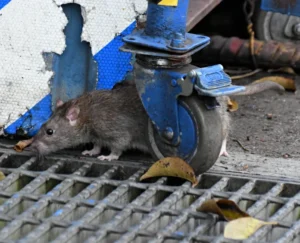
However, the rat will be more cautious around anything new. So even if you switch to snap traps, the rat might take longer to investigate them compared to a rat that’s never had a bad experience.
Bait that was on the glue trap might become suspicious too. If you used peanut butter on the glue trap, the rat might be wary of peanut butter in general. Try using different bait on your next traps.
The location matters more than the trap type initially. The rat will definitely avoid the exact spot where the glue trap was. Move new traps to different locations along the rat’s travel routes.
Over time, the rat’s caution might fade slightly. After a few weeks with no more scary experiences, the rat might become less vigilant. But it’ll probably never be as easy to trap as it was before the escape.
How Rats Actually Escape From Glue Traps
Understanding how a rat got away helps you prevent future escapes and catch this rat more effectively.
Partial trapping is the most common escape scenario. The rat only got one or two paws stuck instead of its whole body. It was able to pull hard enough to rip fur and skin and get free before becoming fully trapped.
Small trap size can allow escape. If you used a trap designed for mice rather than rats, a larger rat might have enough body weight and strength to overcome the adhesive on a small surface area.
The trap might have been old or contaminated. Glue traps lose stickiness over time, especially if they’ve collected dust. A trap that’s not at full strength might hold a rat initially but let it escape with enough struggling.
Environmental factors can weaken glue. If the trap got wet, very cold, or very hot, the adhesive might not work as well. The rat might have struggled when conditions temporarily weakened the glue.
The rat might have gnawed through part of the trap. Rats have incredibly strong teeth and can chew through cardboard, plastic, and even some metals. If the rat could reach the edge of the trap with its teeth, it might have chewed its way out.
Another animal might have disturbed the trap. If a dog, cat, or even another rat knocked over or moved the trap while the caught rat was struggling, this could have created an opportunity for escape.
What to Do Immediately After Finding Evidence of Escape
When you discover a rat has escaped, take action right away. The longer you wait, the harder this rat will be to catch.
Remove the damaged trap immediately. Leaving it there does nothing but remind the rat that this is a dangerous spot. Take it out and dispose of it.
Clean the area thoroughly. Use a disinfectant to clean where the trap was. This removes both the scent of the trap and any blood or fur left behind. You want to eliminate all evidence of what happened.
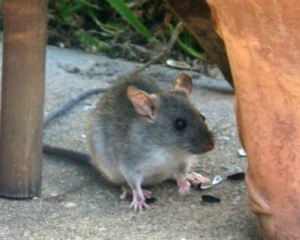
Don’t put another trap in the exact same spot right away. The rat will avoid this location for a while. Give it at least a week before you try that spot again.
Set up different types of traps in new locations. Use snap traps or electronic traps instead of another glue trap. Place them along walls in areas where you’ve seen other evidence of rat activity.
Increase the number of traps you’re using. One escaped rat means you need to work harder to catch it. Set out multiple traps in various locations to increase your chances.
Check your traps more frequently. If you were checking once a day, switch to twice a day. The sooner you find a trapped rat, the less chance it has to escape.
New Trapping Strategies for Trap-Shy Rats
You need to change your approach to catch a rat that’s already escaped once. Here are strategies that work better for educated rats.
Use snap traps instead of glue traps. These work on a completely different principle. The rat hasn’t learned to fear the snap mechanism, only the sticky adhesive.
Try electronic traps if your budget allows. These are very effective on trap-shy rats because they look and smell nothing like glue traps. The rat walks in to get bait and receives an instant lethal shock.
Leave traps unset for a few days. Put out snap traps or other traps but don’t activate them. Let the rat get used to seeing these new objects and maybe even eating bait from them safely. Then set the traps after the rat has become comfortable.
Use different bait than what was on the glue trap. If you had peanut butter before, try chocolate, dried fruit, or bacon. Different smells and tastes might seem safer to the rat.
Create a bait trail leading to the trap. Put small bits of bait starting several feet from the trap and leading to it. This builds the rat’s confidence as it successfully eats several pieces before reaching the trap itself.
Place traps in covered areas or boxes. Rats feel safer in enclosed spaces. You can buy trap covers or make your own from a cardboard box with entry holes cut in it.
Signs the Rat Is Still Active in Your Home
Just because you haven’t seen the rat doesn’t mean it’s gone. Look for these signs to confirm it’s still around.
Fresh droppings are the most obvious sign. Rat droppings look like dark grains of rice, about half an inch long. Fresh ones are dark and moist, while old ones are gray and crumbly. If you’re seeing fresh droppings, the rat is definitely still there.
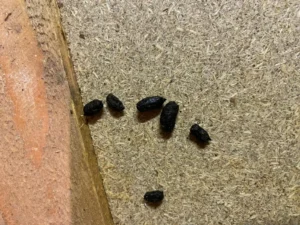
New gnaw marks indicate recent activity. Rats need to constantly chew to keep their teeth from growing too long. Look for fresh scratches and bite marks on wood, plastic, or even electrical wires.
Grease marks appear along walls and baseboards where rats travel. Their fur picks up dirt and oils, which rub off on surfaces they pass frequently. Shiny, dark smears along your walls mean regular rat traffic.
Sounds in the walls or ceiling tell you rats are present. You might hear scratching, scurrying, or squeaking, especially at night when rats are most active.
Disturbed food packages show feeding activity. If you find chewed boxes in your pantry or bite marks in fruit left on the counter, a rat has been eating recently.
Missing pet food or bird seed is another sign. Rats will eat pet food readily. If your dog’s food bowl is mysteriously emptier than it should be, a rat might be the culprit.
How Long Before a Trap-Shy Rat Returns to Normal?
The rat won’t stay maximally cautious forever. Its fear will gradually decrease, though it’ll never be quite as easy to catch as before.
The first few days after escape are when the rat is most wary. It’ll be very careful and might even hide more than usual. This is the hardest time to catch it.
After about a week, the rat’s caution starts to decrease slightly. Basic survival needs (hunger, thirst) begin to outweigh its fear. It’ll start taking small risks again.
Within two to three weeks, the rat might behave almost normally. It still won’t walk onto another glue trap in the same spot, but it might investigate new traps in different locations.
However, some learned behaviors persist. The rat might permanently avoid glue traps even months later. The fear of that specific type of trap can last a long time.
Environmental factors affect how quickly fear fades. If food is very scarce, the rat will take risks sooner. If plenty of food is easily available, it can afford to be cautious longer.
Individual rat personality matters too. Some rats are naturally more cautious (neophobic), while others are bolder. A naturally cautious rat that escapes a trap might stay wary for months.
Should You Give Up on Trapping?
Having a rat escape doesn’t mean trapping is hopeless. You just need to adjust your strategy.
Don’t give up entirely on traps. They’re still one of the most effective ways to eliminate rats. You just need to use different types and be smarter about placement.
Consider combining methods. Use traps along with other control measures like sealing entry points, removing food sources, and possibly even rat poison (if safe in your situation).

Professional pest control might be worth it now. If you’re dealing with a smart, trap-shy rat, an experienced professional has tools and techniques you don’t. They might use specialized traps or tracking methods.
Patience becomes even more important. A trap-shy rat will take longer to catch than a naive one. Don’t expect overnight results. Be prepared for this to take several weeks.
Focus on prevention as much as catching. While you work on trapping the rat, also seal up its entry points, remove food sources, and make your home less attractive. Even if this particular rat is hard to catch, you can prevent more rats from moving in.
Multiple trap types at once increases your odds. Set out glue traps in new locations, snap traps, electronic traps, and maybe a live trap. The more variety you have, the better chance one will work.
Conclusion
A rat that escaped a glue trap will almost certainly come back to your home, but it’ll avoid that specific trap and be more cautious around all traps in general.
Rats don’t abandon good food sources and shelter over one bad experience, even a traumatic one. The escaped rat is still living in your home, but it’s now educated about your trapping methods and will be harder to catch.
To successfully trap this rat, switch to different trap types like snap traps or electronic traps and place them in new locations. Don’t put another glue trap in the same spot where the escape happened.
Use different bait and consider leaving traps unset for a few days to build the rat’s confidence before activating them.
Check your traps more frequently to prevent future escapes, and use appropriately sized rat traps rather than mouse traps. While a trap-shy rat is more challenging to catch, it’s not impossible.
With patience, multiple trap types, and strategic placement, you can still successfully eliminate this rat from your home. The key is adapting your approach and not relying on the same method that already failed once.

Hi, my name is Ezra Mushala, i have been interested animals all my life. I am the main author and editor here at snakeinformer.com.