
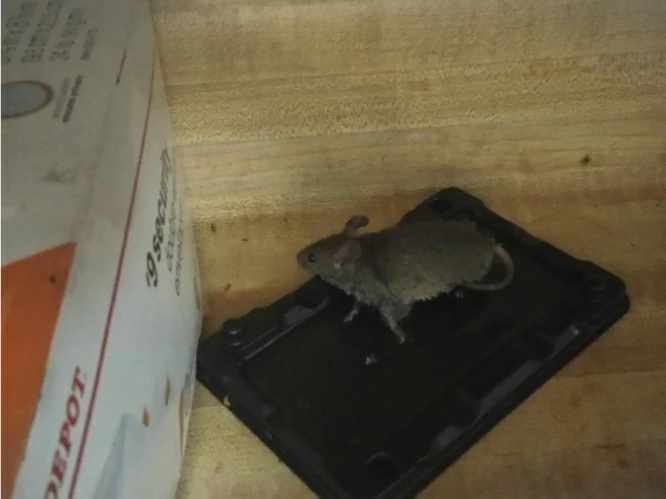
Glue traps are a popular way to catch rats, but what happens when you catch one? Or what if the trap gets dusty and dirty before it catches anything?
Some people want to reuse these traps to save money, while others just need to clean up a mess after dealing with a trapped rat.
Either way, you might be wondering if it’s even possible to clean these incredibly sticky surfaces. So how do you clean a rat glue trap?
You can’t effectively clean and reuse a rat glue trap once it has caught a rat or become contaminated. The adhesive loses its stickiness when you try to clean it, and the trap becomes a health hazard after catching a rodent. It’s best to throw away used or dirty glue traps and replace them with new ones.
Trying to clean a glue trap is usually more trouble than it’s worth. The whole point of these traps is the super sticky adhesive, and any cleaning process that removes dirt will also remove or weaken the glue.
Plus, once a trap has caught a rat, it’s contaminated with bacteria and potentially diseases that you don’t want to mess with.
Why Cleaning Glue Traps Usually Doesn’t Work
The main problem with trying to clean a rat glue trap is how the adhesive works. These traps use a special sticky substance that’s designed to grab onto anything that touches it.
When dust, dirt, or debris lands on the glue, it sticks just like a rat would. You can’t just wipe this stuff off because the glue holds onto it. If you try to brush it away, you’ll just spread the dirt around on the sticky surface.
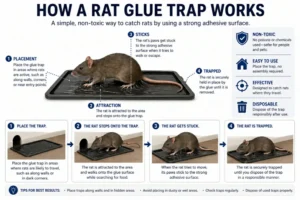
Using water won’t help either. The glue used on rat traps is typically water-resistant. That’s actually by design because rats might urinate on the trap or the trap might get damp in a basement or garage. Water just beads up on the surface and doesn’t clean anything.
If you try to use soap and water, you might be able to remove some surface dirt, but you’ll also weaken the adhesive. The trap will lose its stickiness and won’t be able to hold a rat anymore. You’ve basically ruined the trap by trying to clean it.
Chemical solvents that could actually dissolve and remove the glue would destroy the trap entirely. Products like acetone or paint thinner would break down the adhesive, but then you’re left with just a piece of cardboard or plastic with no glue on it at all.
When You Might Want to Clean a Glue Trap
Even though cleaning glue traps is difficult and usually not worth it, there are a few situations where people consider trying.
If a trap has been sitting out for a week or two and hasn’t caught anything, it might have collected dust and lost some stickiness. You might think about trying to clean it rather than throwing away an unused trap.
Sometimes something other than a rat gets stuck on the trap. Maybe a lizard, a large bug, or even a bird landed on it. If you want to save that animal and reuse the trap, you’d need to clean it.
If glue from the trap gets on furniture, floors, or other surfaces in your home, you’ll definitely need to know how to remove it. This is different from cleaning the trap itself, but it’s a related problem.
After disposing of a trapped rat, you might have glue residue left on your hands or gloves. Again, this isn’t cleaning the trap, but it’s about dealing with the sticky adhesive.
How to Remove Surface Dust From an Unused Trap
If your glue trap has just collected a little dust but hasn’t caught anything yet, you might be able to salvage it. This only works for very light contamination.
Use a piece of tape to pick up surface debris. Get a long piece of packing tape or duct tape and gently press it onto the dusty areas of the glue trap. When you pull the tape away, it should take some of the dust with it.
This works because the tape is also sticky, but not as sticky as the rat trap glue. The dust transfers from the trap to the tape. You might need to repeat this several times with fresh pieces of tape.
Don’t press too hard or you’ll stick the tape to the trap permanently. Use light pressure and pull the tape away at an angle. Work slowly and carefully.
This method only works for loose dust and light debris. If there’s anything actually stuck in the glue (like a dead bug or a piece of food), the tape won’t remove it. At that point, the trap is done.
Even if you successfully remove surface dust, the trap will be slightly less sticky than it was before. Each time you touch the glue surface, even with tape, you reduce its effectiveness a little bit.
What to Do With a Trap That Caught a Rat
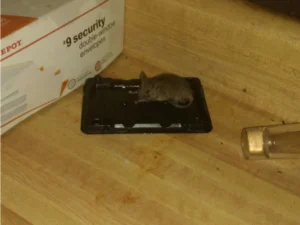
Once a glue trap has caught a rat, cleaning and reusing it isn’t just impractical – it’s actually dangerous. You need to dispose of the whole thing properly.
The trapped rat will have struggled and possibly urinated or defecated on the trap. Rats carry diseases like leptospirosis, hantavirus, and salmonella. The trap is now contaminated with these potential pathogens.
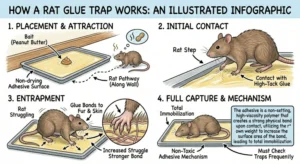
Don’t try to remove the rat from the trap to save the glue. First of all, it’s cruel to the rat, which is stuck and suffering. Second, you’ll expose yourself to more bacteria and potential disease. Third, the glue is ruined anyway.
Put the entire trap (with the rat still stuck to it) into a plastic bag. Use thick garbage bags, ideally doubled up. Seal the bag tightly so nothing can escape.
Throw the bagged trap into an outdoor garbage can. Don’t put it in your indoor trash where it could smell or where pets might try to get at it. Make sure the outdoor can has a secure lid to keep other animals out.
Wash your hands thoroughly with soap and hot water after handling the trap. Even if you wore gloves, wash your hands. If you didn’t wear gloves (which you should have), scrub your hands for at least 20 seconds.
Removing Glue Trap Adhesive From Surfaces
Sometimes the glue trap itself isn’t the problem, but you have sticky residue on your floor, table, or other surfaces. This happens when a trap flips over or when you’re not careful handling it.
Cooking oil is your best friend for this job. Vegetable oil, olive oil, or even coconut oil will break down the adhesive. Pour a small amount on the sticky spot and let it sit for a few minutes.
Rub the oil into the glue using a cloth or paper towel. Work it around until the adhesive starts to loosen. This might take several minutes of rubbing, so be patient.
Once the glue is loosened, you can wipe it away with the oily cloth. You’ll be left with an oil stain, but that’s much easier to clean than glue.
Clean up the oil residue with dish soap and warm water. Dish soap is designed to cut through grease and oil, so it’ll remove what’s left behind. You might need to wash the area a few times.
For tough spots, you can try rubbing alcohol or hand sanitizer. These contain alcohol that can help dissolve adhesive. Apply it to a cloth and rub the sticky area until the glue comes off.
Commercial products like Goo Gone are made specifically for removing adhesive. If you have some on hand, it works even better than oil. Just follow the instructions on the bottle.
Getting Glue Trap Adhesive Off Your Skin
If you accidentally touch a glue trap, you’ll immediately know it. The glue sticks to your skin and won’t let go easily. Here’s how to remove it safely.
Don’t try to rip the glue off. This will tear your skin and hurt a lot. The glue is stronger than you think, and pulling will cause damage before the adhesive lets go.
Use oil just like you would on surfaces. Baby oil works great for skin because it’s gentle. You can also use cooking oil, olive oil, or coconut oil. Pour it over the glued area.
Massage the oil into your skin and work it around the edges of the glue. Be patient and keep rubbing gently. After a few minutes, the adhesive will start to break down and loosen.
Slowly peel the glue away as it loosens. Don’t rush this process. Work from the edges toward the center, adding more oil as needed. It might take 10-15 minutes to completely remove all the glue.
Wash your hands thoroughly with soap and water once all the glue is gone. This removes the oil and any remaining adhesive residue. Your skin might feel a little irritated, but it should be fine.
Apply lotion after washing if your skin feels dry or irritated. The glue and the removal process can be harsh on your skin, so moisturizing helps it recover.
Can You Clean Glue From Pet Fur?
Pets sometimes step on or roll in glue traps, getting the adhesive stuck in their fur. This is a delicate situation that needs careful handling.
Use the same oil method but work very slowly. Your pet won’t understand what you’re doing and might struggle or try to bite. Stay calm and speak soothingly to them.
Massage vegetable oil or coconut oil into the affected fur. Work it through the hair and down to the skin if possible. The oil will start to break down the adhesive and make the fur slippery.
Gently comb through the fur with your fingers as the glue loosens. Pull apart any matted or stuck sections slowly. If your pet is in pain or very stressed, you might need help from another person to hold them gently.
For severe matting or large amounts of glue, you might need to cut the fur. Use blunt-tipped scissors and be extremely careful not to cut the skin. Only trim away fur that’s completely stuck and can’t be saved.
Give your pet a bath after removing the glue. Use pet-safe shampoo to wash away all the oil and any remaining adhesive. Make sure you rinse thoroughly so no soap residue is left behind.
If the glue is on sensitive areas (like the face, paws, or genitals) or if you can’t remove it yourself, take your pet to a vet or groomer. They have more experience and the right tools to handle this safely.
Why You Shouldn’t Try to Reuse Glue Traps
The economics of trying to clean and reuse glue traps just don’t make sense. These traps are designed to be disposable for good reasons.
Glue traps are already very cheap. You can usually buy a pack of several traps for just a few dollars. The time and effort you’d spend trying to clean one isn’t worth the tiny amount of money you’d save.

The cleaning process always reduces the trap’s effectiveness. Even if you successfully remove dirt or debris, the adhesive will be weaker. A rat might be able to pull free from a cleaned trap when it would have been stuck on a fresh one.
Health risks increase when you try to reuse traps. Every time you handle a trap, you risk exposure to whatever bacteria or diseases might be on it. Fresh traps don’t have this problem.
The adhesive has a limited lifespan anyway. Even unused glue traps will eventually lose their stickiness over time as the glue dries out or collects dust from the air. A trap that’s been sitting for months won’t work as well as a fresh one.
You’ll end up frustrated and wasting time. Most people who try to clean glue traps find that it doesn’t work well and they have to throw the trap away anyway. You’re better off just starting with a new trap.
Proper Disposal of Used Glue Traps
Since you can’t clean and reuse glue traps, knowing how to dispose of them properly is important. This keeps you safe and prevents environmental problems.
Always wear gloves when handling a used trap. Disposable latex or nitrile gloves work well. This protects your skin from both the glue and any bacteria on the trap.
If the trap caught a rat that’s still alive, you’ll need to decide what to do. Some people choose to kill the rat humanely before disposal, while others dispose of it alive. Check your local laws because some areas have specific rules about this.
Double-bag the trap in plastic garbage bags. Put the trap in one bag, seal it, then put that bag inside another bag and seal that one too. This contains any smell and prevents contamination.
Throw the bagged trap in an outdoor garbage can with a secure lid. Don’t use your indoor trash because a trapped rat (dead or alive) will start to smell quickly.
If you had to touch the trap with bare hands, wash thoroughly with antibacterial soap. Scrub for at least 20 seconds, making sure to clean under your fingernails.
Sanitize any surfaces the trap touched. If the trap was on your floor or a shelf, clean that area with a disinfectant cleaner to kill any bacteria that might have been left behind.
Better Alternatives to Glue Traps
If the hassle of disposing of glue traps (and the inability to clean them) bothers you, consider other rat control methods.
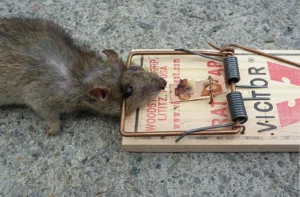
Snap traps can be cleaned and reused many times. After they catch a rat, you can release the rat and wash the trap with soap and water. These traps are mechanical, not adhesive-based, so cleaning doesn’t affect how they work.
Electronic traps are also reusable. They kill rats with a quick electric shock, then you dump out the body and the trap is ready to use again. Just wipe it down with disinfectant between uses.
Live catch traps are completely reusable and easy to clean. After you release the rat far from your home, wash the trap with soap and water. There’s no glue or poison involved, just a cage mechanism.
Poison bait stations require less frequent replacement than glue traps. The rats eat the poison and die elsewhere, usually in their nests. You just need to refill the bait every so often.
Each of these alternatives has its own pros and cons, but they’re all easier to maintain than glue traps if you’re looking for something you can reuse.
Conclusion
You can’t effectively clean a rat glue trap once it has caught a rat or become heavily soiled. The adhesive is designed to be permanent and super sticky, which means anything that could clean it would also destroy it.
Trying to clean these traps is a waste of time and actually exposes you to health risks from bacteria and disease.
If your trap has caught a rat, dispose of the entire thing in a sealed plastic bag in your outdoor trash.
If an unused trap has collected a little dust, you might be able to use tape to remove surface debris, but this only works for very light contamination and reduces the trap’s effectiveness.
For removing glue residue from skin, fur, or surfaces, use cooking oil or baby oil to break down the adhesive.
Work slowly and patiently, and never try to rip the glue off. If you’re dealing with a pet covered in glue or a particularly difficult situation, don’t hesitate to get professional help from a vet or groomer.
The bottom line is that glue traps are designed to be disposable. They’re cheap enough that trying to clean and reuse them doesn’t make financial sense, especially when you consider the time, effort, and health risks involved.

Hi, my name is Ezra Mushala, i have been interested animals all my life. I am the main author and editor here at snakeinformer.com.