
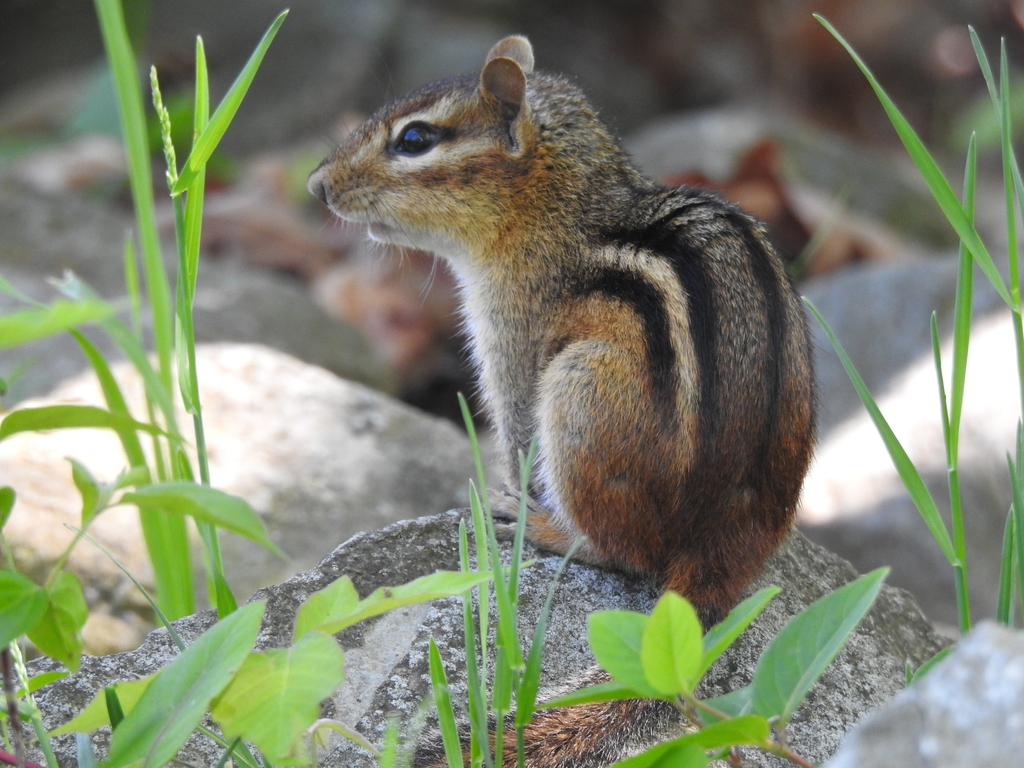
Chipmunks can be cute when they’re scurrying around in the woods, but they’re a lot less charming when they’re digging up your garden, raiding your bird feeders, or setting up camp in your garage.
If you’re thinking about using rat traps to deal with a chipmunk problem, you might be wondering if they’ll actually work. So will a rat trap kill a chipmunk?
Yes, a rat trap will kill a chipmunk. Chipmunks are similar in size to rats, and a standard snap trap designed for rats has more than enough power to kill a chipmunk instantly when it goes off.
Rat traps work just as effectively on chipmunks as they do on rats because these two animals are roughly the same size and weight. When a chipmunk triggers the trap, the metal bar snaps down with enough force to cause fatal injuries.
Why Rat Traps Work on Chipmunks
Rat traps are designed to kill animals that weigh between 5 to 10 ounces. Adult chipmunks typically weigh between 2 to 5 ounces, which puts them right in the target range for these traps.
The metal bar on a snap trap moves incredibly fast (it snaps shut in less than a second) and hits with a lot of force. This is enough to break a rat’s neck or spine, and it will do the same to a chipmunk.
Because chipmunks are actually smaller than most rats, the trap is even more likely to be lethal. A trap that might just injure a large Norway rat will almost always kill a chipmunk on contact.
The mechanism doesn’t know the difference between a rat and a chipmunk. It just knows something touched the trigger plate, and it reacts the same way every time.
How Chipmunks Get Caught in Rat Traps
Chipmunks are curious and food-motivated, which makes them easy to catch in baited traps. They’re also not particularly cautious animals, especially when they smell something tasty.
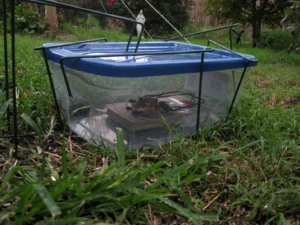
When you put bait on a rat trap (like peanut butter, sunflower seeds, or nuts), a chipmunk will usually go right for it. They’ll climb onto the trap and try to grab the food, which triggers the mechanism.
Unlike rats, which can sometimes be trap-shy and learn to avoid traps, chipmunks don’t usually have this learned behavior. They’re more impulsive and less likely to recognize danger.
This actually makes chipmunks easier to trap than rats in many cases. You won’t need to deal with the same level of wariness that makes rats so hard to catch sometimes.
Are Rat Traps the Best Option for Chipmunks?
While rat traps will definitely kill chipmunks, they might not be the best choice depending on your situation and what you’re trying to accomplish.
If you just have one or two chipmunks causing problems, rat traps can work fine. They’re cheap, easy to set up, and you’ll get fast results. Set them in the evening and check them in the morning.
However, if you’re dealing with a larger chipmunk population or if you want a more humane approach, there are better options out there. Live traps let you catch chipmunks without killing them so you can relocate them somewhere else.
Also, if you have pets or small children around, rat traps can be dangerous. The same trap that will kill a chipmunk can seriously hurt a cat’s paw or a dog’s nose if they mess with it.
Live Traps vs. Snap Traps for Chipmunks
Live traps (also called cage traps or catch-and-release traps) are a popular alternative to lethal snap traps. These are wire or mesh boxes with a door that closes when the chipmunk goes inside.
The main advantage is that you’re not killing the chipmunk. You can relocate it to a wooded area far from your home where it won’t cause problems. This feels more humane to a lot of people.
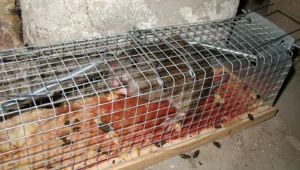
Live traps are also safer if you have pets or kids around. There’s no snap mechanism that can hurt anyone. The worst that can happen is your cat gets locked in the trap for a bit (which happens more often than you’d think).
The downside is that you have to deal with a live, stressed-out chipmunk. You need to relocate it pretty quickly (within a few hours) or it can die from stress, heat, or dehydration in the trap.
What Type of Rat Trap Works Best on Chipmunks
If you’ve decided to use snap traps, not all rat traps are created equal. Some work better on chipmunks than others.
Standard wooden snap traps (the classic Victor style) work fine. They’re cheap and effective. Just make sure you get the rat size, not the mouse size. Mouse traps might not be powerful enough to kill a chipmunk quickly.
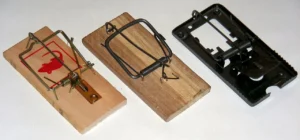
Plastic snap traps are another good option. These are often easier to set than wooden ones, and they’re reusable. Brands like Tomcat make plastic rat traps that work great on chipmunks.
There are also newer designs like the A24 trap or electronic traps, but these are usually overkill for chipmunks. They’re more expensive and not really necessary when a basic snap trap will do the job.
Whatever trap you choose, make sure it’s rated for rats, not mice. The difference in power is significant, and you want a clean, quick kill.
Where to Place Rat Traps for Chipmunks
Location is everything when you’re trapping chipmunks. You need to put traps where chipmunks are actually traveling and feeding.
Look for signs of chipmunk activity like small holes in the ground (their burrow entrances), piles of empty seed shells, or damage to plants and bulbs. These are good spots to set traps.
Place traps along walls, fences, or the edges of buildings. Chipmunks tend to run along edges rather than out in the open, so they’re more likely to encounter a trap in these locations.
If you know where their burrow is, put traps near the entrance. Chipmunks have to come and go from their burrow regularly, so this is a high-traffic area.
Make sure traps are on stable, flat ground. If a trap is wobbly or on uneven ground, it might not trigger properly or could snap too early.
Best Baits for Catching Chipmunks
Chipmunks aren’t picky eaters, but some baits work better than others. The goal is to use something they find irresistible.
Peanut butter is the classic choice and works really well. It’s sticky so the chipmunk has to work to get it off the trigger plate, which makes them more likely to set off the trap.
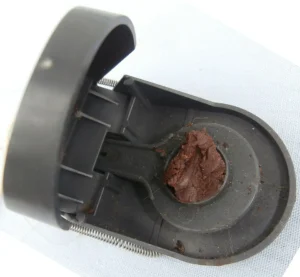
Sunflower seeds (especially black oil sunflower seeds) are like candy to chipmunks. You can put a small pile of seeds on and around the trap to lure them in.
Nuts like almonds, walnuts, or pecans also work great. Chipmunks naturally cache nuts for winter, so they’re hardwired to go after them.
You can also try birdseed mix, crackers with peanut butter, or even small pieces of fruit. The key is to use fresh bait and replace it if it gets old or wet.
How Long Does It Take to Catch a Chipmunk?
If your traps are in the right spots with good bait, you can catch a chipmunk within 24 hours. Sometimes it happens within a few hours.
Chipmunks are most active in the early morning and late afternoon, so these are the times when they’re most likely to find your traps. Set traps in the evening and check them first thing in the morning.
If you’re not catching anything after a few days, you probably need to move your traps. Either the chipmunks aren’t traveling through that area, or they’ve found the bait but aren’t comfortable approaching the trap.
Sometimes it helps to leave traps unset (with bait but not armed) for a day or two first. This lets the chipmunks get used to the trap and see it as a food source. Then when you actually set it, they go right for it.
What to Do After You Catch a Chipmunk
If you’re using a snap trap, disposal is straightforward but not pleasant. The chipmunk will be dead, and you’ll need to remove it from the trap.
Wear gloves when handling dead chipmunks. They can carry diseases and parasites that you don’t want to come in contact with. Use disposable gloves if possible.

You can dispose of the body in a sealed plastic bag in your regular trash, or you can bury it if you prefer. Some people toss them in the woods far from their house.
Clean the trap with soap and water before reusing it. You can also disinfect it with a bleach solution (1 part bleach to 10 parts water) to kill any bacteria or parasites.
If you’re using a live trap, you need to relocate the chipmunk as soon as possible. Take it at least 5 miles away from your house, preferably to a wooded area with natural food sources.
Are There Legal Issues with Trapping Chipmunks?
Laws about trapping chipmunks vary depending on where you live. In most places, you can trap chipmunks on your own property without a permit, but it’s worth checking local regulations.
Some states or cities have rules about relocating wildlife. Even though chipmunks aren’t protected species in most areas, there might be restrictions on where you can release them.
Certain types of traps might be regulated or banned in some places. Body-gripping traps and certain kinds of kill traps are illegal in some states, though standard rat snap traps are usually fine.
If you’re unsure, call your local wildlife agency or animal control. They can tell you what’s legal in your area and might even offer advice on the best way to handle your chipmunk problem.
Why You Might Have a Chipmunk Problem
Before you start trapping, it helps to understand why chipmunks are hanging around your property in the first place. They’re there because you’re providing what they need.
Food is the biggest draw. If you have bird feeders, chipmunks will raid them constantly. Gardens with bulbs, seeds, or vegetables are like a buffet. Even pet food left outside can attract them.
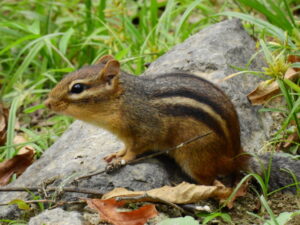
Shelter is another factor. Chipmunks need places to burrow and hide from predators. Rock piles, wood piles, dense shrubs, and spaces under decks or sheds are perfect for them.
If you can remove these attractants, you might not need to trap at all. Take down bird feeders (or use squirrel-proof ones), clean up fallen seeds, and remove hiding spots around your property.
Sometimes the issue is that you’re in or near their natural habitat. If you live near woods or fields, chipmunks are just part of the local wildlife, and they’ll keep coming back no matter how many you trap.
Preventing Chipmunks from Coming Back
Trapping chipmunks is only a temporary solution if you don’t address what’s attracting them. You need to make your property less appealing.
Remove food sources like bird feeders, or switch to feeders that chipmunks can’t access. Clean up any spilled seed on the ground regularly.
Protect your garden with fencing buried at least 6 inches underground. Chipmunks are diggers, so the fence needs to go below the surface or they’ll just tunnel under it.
Get rid of hiding spots by clearing brush piles, stacking firewood away from your house, and trimming back dense vegetation near your foundation.
Seal up any openings in your garage, shed, or house foundation. Chipmunks can squeeze through surprisingly small gaps (anything bigger than an inch), so use hardware cloth or steel wool to block entry points.
Conclusion
Rat traps will absolutely kill chipmunks. They’re the same size as rats, and the traps are more than powerful enough to be lethal. If you’re dealing with a chipmunk problem and you’re okay with lethal control, rat traps are a cheap and effective option.
Just make sure you’re using rat-sized traps (not mouse traps), placing them in the right locations, and using bait that chipmunks find irresistible. You’ll usually catch them within a day or two.
That said, if you’d prefer a more humane approach or if you have pets and kids around, live traps might be a better choice. Either way, the key to long-term success is making your property less attractive to chipmunks in the first place.

Hi, my name is Ezra Mushala, i have been interested animals all my life. I am the main author and editor here at snakeinformer.com.