
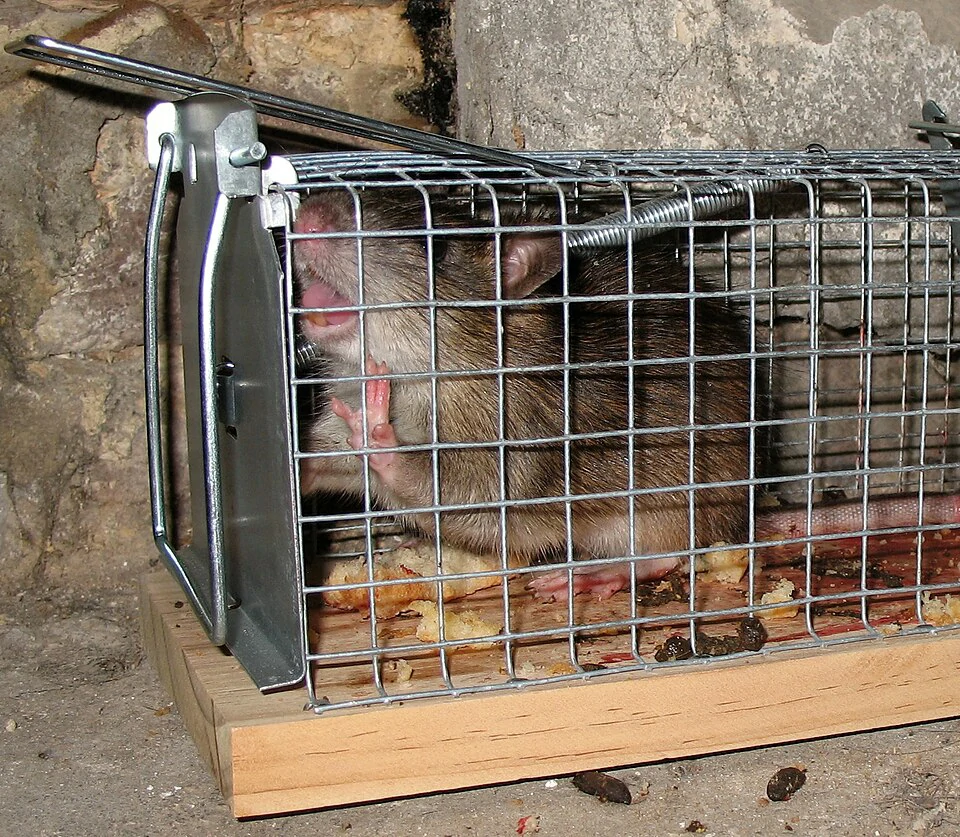
If you’re dealing with a rat problem and you have a dog at home, you’re probably worried about whether those rat traps you want to set out could hurt your pet.
It’s a real concern, especially if your dog is the curious type that loves to stick their nose into everything. So can a rat trap hurt or kill a dog?
Yes, a rat trap can hurt a dog, but it’s very unlikely to kill one. Snap traps can cause painful injuries to a dog’s nose, paw, or mouth, while poison traps can make a dog seriously sick or even be fatal if they eat the bait.
The level of danger really depends on what type of trap you’re using and how big your dog is. A small snap trap might just startle a large dog, but that same trap could really hurt a tiny puppy or a small breed dog if it snaps on their nose.
How Snap Traps Can Hurt Dogs
Snap traps are the classic wooden or plastic traps with a metal bar that springs shut when a rat touches the trigger. These traps are designed to kill rats quickly by breaking their neck or spine with a strong, fast snap.
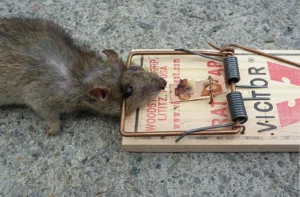
When a dog gets too curious and sniffs or paws at a snap trap, the metal bar can snap down on their nose, tongue, paw, or even their ear. This can cause cuts, bruising, swelling, and a lot of pain for your dog.
Small dogs and puppies are at higher risk because their noses and paws are smaller and more delicate. A trap that seems harmless to a 60-pound Labrador could cause real damage to a 5-pound Chihuahua.
The good news is that snap traps usually won’t kill a dog. They’re just not powerful enough to cause fatal injuries to most dogs. But they can definitely cause painful wounds that might need a vet visit.
What Happens If a Dog Gets Caught in a Snap Trap?
If your dog gets caught in a snap trap, you’ll probably hear them yelp or cry out immediately. The metal bar hitting them is painful and scary, so they’ll react right away.
You might see swelling, bleeding, or bruising where the trap hit them. Their nose might swell up, or they could have a cut on their paw. Some dogs will limp if the trap caught their foot.
In most cases, the injury looks worse than it actually is. Dogs are tough, and while it hurts, the damage is usually just surface level. Still, you should check the injury carefully.
If there’s bleeding that won’t stop, severe swelling, or if your dog seems like they’re in a lot of pain, you need to take them to the vet. Sometimes there can be damage to bones or deeper tissue that you can’t see.
Why Poison Traps Are Much More Dangerous
Poison traps (also called bait stations) are way more dangerous to dogs than snap traps. These contain toxic chemicals that kill rats slowly by causing internal bleeding or other serious problems.
The biggest issue is that most rat poisons taste good to rats, and unfortunately, they often taste good to dogs too. Dogs aren’t picky eaters, and if they find a poison bait block, they might just gulp it down.
Tony Alter (CC BY 2.0)
Some common rat poisons include anticoagulants (which cause internal bleeding), bromethalin (which causes brain swelling), and cholecalciferol (which causes kidney failure). All of these can be deadly to dogs if they eat enough.
What makes poison traps really scary is that symptoms don’t always show up right away. Your dog might seem fine for a day or two, then suddenly get very sick. By that point, the poison has already done a lot of damage inside their body.
Signs Your Dog Ate Rat Poison
If your dog ate rat poison, the symptoms you see will depend on what type of poison it was. But there are some common warning signs to watch for.
With anticoagulant poisons (the most common type), you might see weakness, pale gums, difficulty breathing, bloody nose, blood in their poop or pee, or bruising under the skin. These symptoms usually show up 2 to 5 days after they eat the poison.
Bromethalin poisoning causes neurological symptoms like muscle tremors, seizures, loss of coordination, paralysis, or extreme sensitivity to touch. These can start within a few hours or take up to a week to appear.
Cholecalciferol poisoning leads to increased thirst and urination at first, then loss of appetite, vomiting, and eventually kidney failure. Symptoms typically start within 12 to 36 hours.
If you even suspect your dog got into rat poison, don’t wait for symptoms. Call your vet or an emergency animal poison control hotline immediately. The faster you act, the better chance your dog has of surviving.
Can Glue Traps Hurt Dogs?
Glue traps are sticky boards that trap rats when they walk across them. While these won’t poison or physically injure your dog like other traps can, they can still cause problems.
If your dog steps on or tries to eat a glue trap, they’ll get the sticky adhesive all over their fur, paws, or face. This stuff is incredibly hard to remove and can be really uncomfortable for your dog.
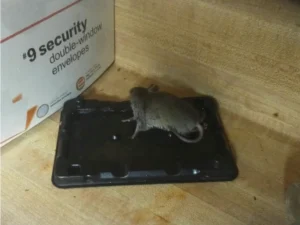
The glue itself isn’t usually toxic, but if your dog tries to lick it off, they could end up swallowing chunks of it. This can cause digestive upset or even an intestinal blockage if they eat enough.
Getting glue trap adhesive off your dog’s fur often requires oil (like vegetable oil or coconut oil) and a lot of patience. Sometimes you might need to carefully trim or shave the affected fur. It’s messy and stressful for both you and your dog.
Electronic Traps and Dogs
Electronic rat traps kill rats with a high-voltage shock. They’re designed to be enclosed so that only small animals can get inside, which theoretically should keep dogs safe.
However, small dogs or puppies might be able to stick their nose or paw into the opening of some electronic traps. If they do, they could get shocked.
The shock from these traps is usually not strong enough to kill a dog, but it will definitely hurt and scare them. They might yelp, pull away quickly, and seem shaken up afterward.
Most electronic traps have safety features to prevent larger animals from accessing the shock plate. But it’s still a risk if you have a very small dog or a curious puppy that likes to investigate everything.
How to Keep Your Dog Safe When Using Rat Traps
The best way to protect your dog is to place rat traps where your dog absolutely can’t reach them. This takes some planning and creativity, but it’s worth it.
Put traps in areas your dog doesn’t have access to, like inside closed cabinets, behind appliances, in the attic, or in the crawl space under your house. You can also block off certain rooms while you’re dealing with the rat problem.
If you have to put traps in areas where your dog goes, consider using a trap guard or protective cover. These are boxes or shields that go over the trap, with openings small enough for rats but too small for a dog’s nose or paw.
Another option is to only set traps when your dog is crated, in another room, or when you’re home to supervise. Then remove or cover the traps when your dog has free run of the house.
Never use poison bait if you have dogs (or cats, or kids). The risk is just too high. Stick with snap traps, electronic traps, or live traps instead. They’re safer for everyone in your home.
What Size Dog Is Most at Risk?
Small dogs and toy breeds are at much higher risk of serious injury from rat traps than large dogs. A Chihuahua, Yorkie, or Pomeranian could get badly hurt by a trap that would only annoy a German Shepherd.
Puppies are also more vulnerable because they’re smaller, more curious, and don’t understand danger the way adult dogs do. They’re more likely to investigate a trap and get hurt.
That said, even large dogs can get injured. A big dog that steps on a snap trap might not break bones, but they could still get a nasty bruise or cut. And any size dog can be poisoned if they eat rat bait.
The size of your dog should influence what types of traps you use and where you put them. If you have a tiny dog, you need to be extra careful about trap placement.
Safer Alternatives to Rat Traps
If you’re really worried about your dog’s safety, there are some alternatives to traditional rat traps that might work better for your situation.
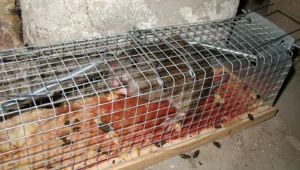
Live catch traps capture rats alive without hurting them. You then release the rat far away from your home (or call pest control to handle it). These can’t hurt your dog because there’s no snap mechanism or poison.
Ultrasonic repellents claim to drive rats away with high-frequency sounds that humans and dogs can’t hear (though some dogs might actually be bothered by them). Results with these devices are mixed, but they’re completely safe.
Professional pest control services can often deal with rats in ways that are safer for pets. They know how to place traps strategically and can use methods that keep your dog out of harm’s way.
You can also focus on prevention by sealing up entry points, removing food sources, and keeping your property clean. If rats can’t get into your house in the first place, you won’t need traps at all.
What to Do If Your Dog Gets Hurt by a Trap
If your dog gets caught in a snap trap, stay calm and carefully remove the trap from them. The trap might still be clamped onto their nose or paw, so you’ll need to release the spring mechanism.
Check the injury right away. Clean any cuts with warm water and mild soap. If there’s bleeding, apply gentle pressure with a clean cloth until it stops.
Watch for signs of serious injury like excessive bleeding, severe swelling, limping that gets worse, or if your dog won’t let you touch the area. These are reasons to call your vet.
If you think your dog ate poison bait, this is an emergency. Call your vet or the Pet Poison Helpline (855-764-7661) immediately. Don’t wait to see if symptoms develop. Tell them what type of poison it was if you know.
Bring the poison package or trap with you to the vet if possible. This helps them figure out exactly what your dog was exposed to and what treatment they need.
Conclusion
Rat traps can definitely hurt your dog, and poison traps can even kill them if your dog eats the bait. The level of danger depends on what type of trap you’re using and how big your dog is, but any dog can get injured if they mess with a trap.
The most important thing you can do is place traps where your dog can’t possibly reach them. Use protective covers, block off rooms, or stick with safer alternatives like live traps.
If your dog does get hurt by a trap, check them over carefully and call your vet if the injury seems serious. And if there’s any chance they ate rat poison, get them to a vet immediately. Don’t wait.

Hi, my name is Ezra Mushala, i have been interested animals all my life. I am the main author and editor here at snakeinformer.com.