
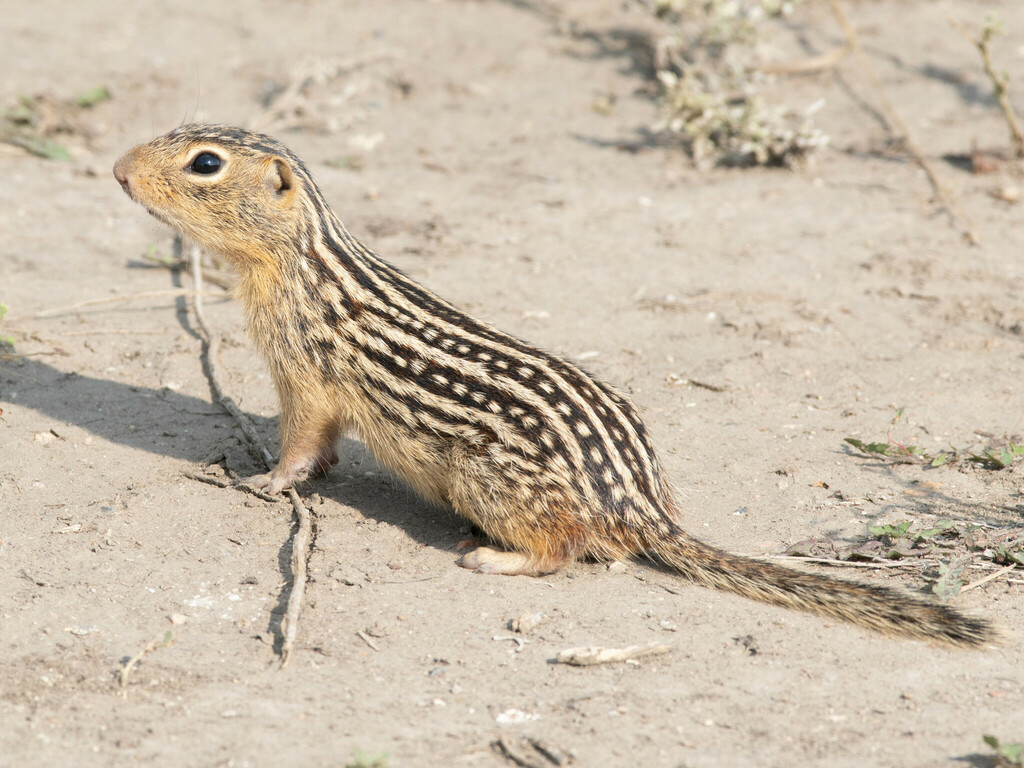
Ground squirrels can cause serious damage to your yard, garden, and even the foundation of your home with their constant digging.
If you’re dealing with these pests, you might be looking at the rat traps you already have and wondering if they’ll do the job.
After all, ground squirrels and rats seem pretty similar in size, right? Will a rat trap kill a ground squirrel?
Yes, a rat trap can kill a ground squirrel because they’re similar in size and weight to rats. Most ground squirrels weigh between 8 ounces and 1.5 pounds, which is within the range that rat traps are designed to handle. The trap should kill quickly if it strikes the head or neck area.
The key is that ground squirrels fall into the same general weight category as rats, so the spring tension and strike force of a rat trap is usually enough to be lethal.
Still, there are some important things you need to know before you start setting traps.
How Ground Squirrels Compare to Rats in Size
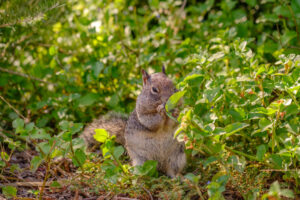
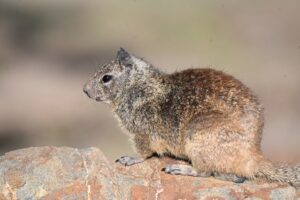
Most ground squirrel species weigh between half a pound and 1.5 pounds when fully grown.
The California ground squirrel, which is one of the most common pest species, usually weighs around 1 to 1.5 pounds.

Rats (specifically Norway rats and roof rats) typically weigh between 7 ounces and 1.5 pounds. That puts them right in the same range as most ground squirrels.
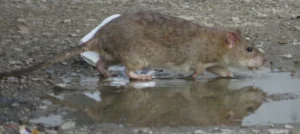
This size similarity is why rat traps can work on ground squirrels. The animals are close enough in weight that a trap designed for one will have enough force to kill theother.
Different Types of Rat Traps and Their Effectiveness
The classic wooden snap trap (like the Victor brand) is the most common type of rat trap. These work well on ground squirrels because the spring is strong and the kill bar comes down fast.
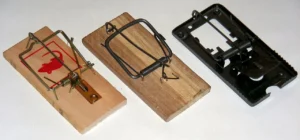
Plastic snap traps also work, though some people find they’re not quite as powerful as the wooden ones. Still, they should be strong enough for most ground squirrels if they’re high-quality traps.
Electric traps that kill with a shock are another option. These work great on ground squirrels and are actually considered more humane by some people because death is extremely quick.
Where to Place Traps for Ground Squirrels
Ground squirrels are different from rats in their behavior and habitat. They live in burrows outside and are active during the day, while rats are usually active at night and often live inside structures.
Set your traps near burrow entrances, but not right at the opening. Ground squirrels are cautious, and they’ll avoid anything that’s directly blocking their escape route.
Place traps along paths the squirrels use between burrows and feeding areas. You can tell where they travel by looking for worn trails in the grass or dirt.
The Best Bait for Ground Squirrels
Ground squirrels are mostly herbivores, unlike rats which eat almost anything. The best baits for ground squirrels are nuts, seeds, and grains.
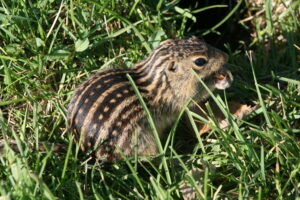
Peanut butter works really well because it’s sticky and smells strong. You can also mix peanut butter with oats or sunflower seeds to make it even more attractive.
Fresh fruit like apple slices or pieces of melon can work too, especially in hot weather when the squirrels are looking for moisture as well as food.
How to Set Rat Traps for Ground Squirrels
When you’re setting the trap, wear gloves to keep your scent off it. Ground squirrels have a good sense of smell, and human scent can make them suspicious.
Apply a small amount of bait to the trigger plate. You don’t want to pile it on because the squirrel might be able to lick it off without putting enough pressure on the trigger.
Set the trap so it’s stable and won’t tip over when the squirrel approaches. An unsteady trap might scare the animal away before it triggers.
What Happens When the Trap Goes Off?
If the trap is positioned correctly and the squirrel’s head or neck is in the strike zone, death should be instant. The metal bar comes down with enough force to break the neck or crush the skull.
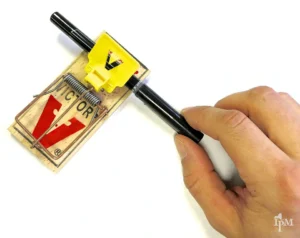
Sometimes the trap might catch the squirrel in a different area, like the body or a limb. This might not kill instantly, which is why it’s important to check your traps frequently.
You should check traps at least twice a day, early morning and late afternoon. This minimizes suffering if an animal is caught but not killed instantly, and it also keeps you from leaving dead animals in traps where they’ll attract scavengers.
Safety Concerns When Using Rat Traps Outside
When you set traps outside for ground squirrels, you risk catching other animals that you don’t want to hurt. Birds, chipmunks, and even pets can trigger these traps.
If you have outdoor cats or small dogs, you need to be really careful about where you place traps. Put them in areas your pets can’t access, or use trap covers that only allow animals of a certain size to enter.
Consider using trap boxes or covers that protect the trap from weather and also make it less likely that non-target animals will get caught.
Legal Issues with Trapping Ground Squirrels
Ground squirrels are considered pests in most areas, and you usually don’t need a special permit to trap them on your own property. But laws vary by state and even by county.
Some places have specific rules about what types of traps you can use and when you can use them. For example, some areas ban certain trap types during nesting season to protect other wildlife.
Check with your state’s wildlife agency or department of agriculture before you start trapping. A quick phone call or website visit can save you from getting fined.
When Rat Traps Might Not Work
If you’re dealing with larger ground squirrel species, like rock squirrels that can weigh up to 2 pounds or more, rat traps might not be powerful enough. In these cases, you might need to move up to larger traps designed for bigger animals.
Very cautious or trap-educated squirrels might avoid snap traps altogether. If you’ve been trying to catch the same squirrel for weeks with no success, it might have learned to recognize and avoid traps.
In situations where traps aren’t working, you might need to try different methods like live traps, poison bait (where legal), or professional pest control services.
Live Traps as an Alternative
If you’re not comfortable with lethal traps, live cage traps can catch ground squirrels without killing them. These are wire cages with a trigger plate that closes a door when the animal enters.
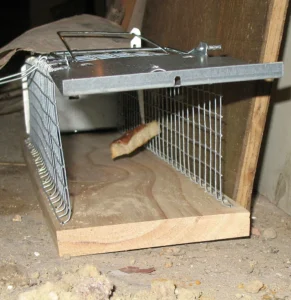
The downside is that you then have to deal with a live, scared ground squirrel. In many areas, it’s illegal to relocate them because they might spread disease or become pests somewhere else.
If you use live traps, check with local wildlife authorities about what you’re allowed to do with caught squirrels. You might be required to euthanize them humanely or turn them over to animal control.
How Many Traps You Should Set?
Don’t just set one or two traps and hope for the best. Ground squirrels often live in colonies, and you might be dealing with several animals.
Set at least 4 to 6 traps if you have a serious ground squirrel problem. Place them at different burrow entrances and along different travel paths.
The more traps you have out, the faster you’ll be able to reduce the population. Just make sure you can check all of them regularly.
What to Do After You Catch a Ground Squirrel
When you catch a squirrel, wear gloves to remove it from the trap. Ground squirrels can carry diseases and parasites, and you don’t want direct contact with them even when they’re dead.
Dispose of the body by double-bagging it and putting it in your outside trash, or bury it far from your home. Some people also use it as bait in lethal traps for other predators, but check local laws first.
Clean and reset the trap right away. Leaving a sprung trap sitting there just wastes time when there might be other squirrels in the area.
Preventing Future Ground Squirrel Problems
Trapping helps reduce the current population, but it won’t keep new squirrels from moving in. You need to make your property less attractive to them.
Remove food sources like fallen fruit, bird seed, and accessible compost. Ground squirrels are opportunistic and will take advantage of easy meals.
Fill in burrows after you’re sure they’re empty. Use gravel or concrete in the holes to make it harder for new squirrels to dig in the same spots.
Understanding Ground Squirrel Behavior
Ground squirrels are active during the day, which actually makes them easier to trap than rats. You can watch where they’re going and set traps accordingly.
They hibernate in winter in most areas, so late summer and early fall are actually the best times to trap them. You’ll catch the current population before they go underground for months.
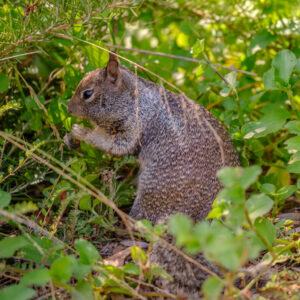
During breeding season in spring, populations can grow quickly. One female can have 5 to 10 babies per year, which is why it’s important to act fast when you notice ground squirrels on your property.
Combining Trapping with Other Control Methods
Traps work best when combined with other control strategies. Habitat modification (removing cover and food) makes trapping more effective because squirrels have fewer alternatives.
Some people use poison baits along with traps. The baits kill squirrels that don’t go into traps, and the traps catch the ones that avoid the bait stations.
Just be really careful with poison if you have pets or if other animals like hawks and owls hunt in your area. These predators can be poisoned by eating ground squirrels that have eaten bait.
Signs That You’re Making Progress
You’ll know your trapping efforts are working when you start catching fewer squirrels each week. Fresh burrow holes and digging should also decrease.
Watch for new activity though. Even after you’ve eliminated the original population, new squirrels from neighboring areas might move in to fill the empty territory.
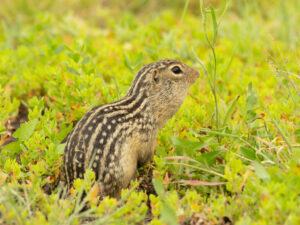
Stay consistent with your prevention methods even after the squirrels seem to be gone. It’s much easier to keep them out than to deal with a new infestation.
When to Call a Professional
If you’ve been trapping for several weeks without much success, or if the ground squirrel population seems too large to handle on your own, it might be time to call pest control.
Professionals have access to more powerful tools and methods that aren’t available to homeowners. They also have the experience to know exactly where to place traps and what methods work best in your specific situation.
The cost of professional help is often worth it when you factor in all the time and frustration of doing it yourself, especially if you’re dealing with a large colony.
Conclusion
Yes, rat traps can kill ground squirrels because these animals are similar enough in size that the trap has sufficient force to be lethal. Most ground squirrels weigh between 8 ounces and 1.5 pounds, which falls right into the range that rat traps are designed to handle effectively.
For best results, use quality snap traps, place them along squirrel travel paths near burrow entrances, and bait them with peanut butter or nuts. Check your traps at least twice daily to minimize suffering and reset them quickly after catches.
Remember to combine trapping with prevention methods like removing food sources and filling burrows. This approach gives you the best chance of solving your ground squirrel problem long-term instead of just catching a few animals while more keep moving in.

Hi, my name is Ezra Mushala, i have been interested animals all my life. I am the main author and editor here at snakeinformer.com.