
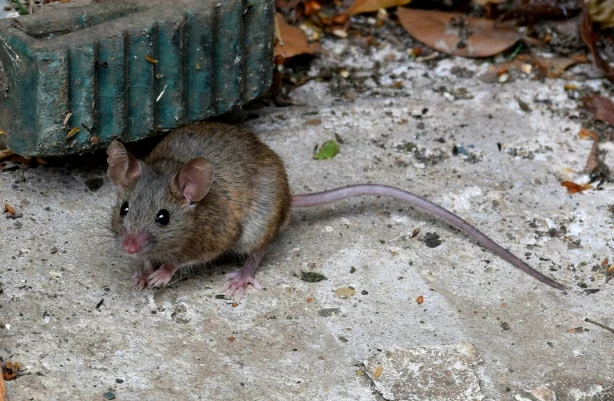
You’ve caught a mouse in your house and you’re thinking about releasing it somewhere far away instead of killing it. Or maybe you’re worried that mice you’ve gotten rid of might find their way back home.
Understanding how far mice can travel and whether they’ll return is important if you’re dealing with a mouse problem. How far can mice come back?
Mice can find their way back from distances of up to one to two miles, though most won’t return if relocated beyond half a mile. However, mice have strong homing instincts and excellent spatial memory, so there’s always a chance they’ll come back if released too close to their original location.
The ability of mice to return depends on several factors including the distance, terrain, their familiarity with the area, and whether they have a strong reason to come back (like a reliable food source or nest with babies).
Mice Have Strong Homing Instincts
Mice develop a mental map of their home territory. They remember the locations of food sources, water, safe hiding spots, and travel routes.
This spatial memory is surprisingly sophisticated. Studies show that mice can remember complex routes and navigate through familiar areas even in complete darkness.
If you’ve trapped a mouse from your house, it likely knows your home and surrounding area very well. It’s been living there, finding food, and establishing its territory.
The longer a mouse has lived in an area, the stronger its attachment to that location and the more motivated it will be to return.
Mice are also social animals. If there are other mice in your home (family members or a colony), a relocated mouse might be motivated to return to its social group.
Female mice with babies will be especially determined to get back. Mother mice are very protective and will travel significant distances to return to their litter.
How Mice Find Their Way Back Home
Mice use multiple senses to navigate. They rely on their sense of smell to follow scent trails they’ve left behind during previous travels.
They also use visual landmarks and have good memories for the physical features of their environment. Mice remember things like buildings, trees, rocks, and other permanent features.
Their whiskers help them navigate in darkness and tight spaces by sensing air currents and physical obstacles. This tactile sense helps them move through familiar areas even at night.

Mice can detect the Earth’s magnetic field, which gives them a basic sense of direction. This magnetic sense helps them maintain their orientation over longer distances.
They’re also creatures of habit. Mice follow the same routes repeatedly and stick to edges and covered areas where they feel safe. If you release a mouse and it can retrace familiar paths, it’s more likely to find its way back.
How Far Away Do You Need to Release Mice?
Most pest control experts recommend relocating mice at least half a mile away if you want to prevent them from returning.
At distances under half a mile, mice are still within or very close to their familiar territory. They’re likely to know the area and can navigate back relatively easily.
Between half a mile and one mile, the success rate of mice returning drops significantly. The area becomes less familiar and the journey is more difficult and dangerous.
Beyond one mile, very few mice will successfully return. The distance is far enough that they’re in completely unfamiliar territory with no mental map to guide them.
Two miles is generally considered safe. At this distance, it’s highly unlikely a mouse will find its way back, though it’s not absolutely impossible.
Keep in mind that these are rough guidelines. Individual mice vary in their abilities and motivation to return.
What Affects a Mouse’s Ability to Return?
The terrain between the release point and your home matters. If there are physical barriers (busy roads, rivers, dense forests, large open fields), mice are less likely to successfully navigate back.
Urban areas with lots of buildings and human activity create confusing environments that make it harder for mice to return.
Food availability at the release site matters too. If you release a mouse in an area with plenty of food and shelter, it might be content to stay there rather than attempting the journey back.
The season affects return rates. During breeding season (spring and summer), mice are more motivated to return to their territory and mates. In winter, finding shelter is more urgent than returning home.
Young, healthy mice are more capable of traveling long distances than old or sick mice. But young mice might also be less motivated to return if they haven’t yet established strong territorial bonds.
If your home offers an especially reliable food source (like easy access to pantry items or pet food), mice are more motivated to attempt the journey back.
The Problem With Relocating Mice
Even if you release a mouse far enough that it can’t return to your house, you’re creating a problem for whoever lives near the release site.
Mice don’t do well when relocated to unfamiliar territory. They face high mortality rates because they don’t know where food, water, and shelter are located.
Relocated mice are also vulnerable to predators in the new area. Without knowledge of safe routes and hiding spots, they’re easy targets for cats, owls, hawks, and other predators.
They’ll likely invade someone else’s property looking for shelter and food, which just transfers your problem to another location.
Many areas have laws against relocating wild animals. It can be illegal to trap and release mice in public parks or on property that isn’t yours.
If you’re relocating mice, you’re not addressing the root cause of why they got into your house. More mice will just replace the ones you removed unless you seal entry points.
Is Killing a Trapped Mouse More Humane Than Releasing It?
A quick death from a snap trap is actually more humane than relocating a mouse to unfamiliar territory where it will likely die slowly from starvation, exposure, or predation.
Studies show that most relocated wild mice don’t survive more than a few days in unfamiliar territory.
The stress of relocation itself is harmful to mice. The trapping, transport, and sudden change in environment causes significant stress.
From a practical standpoint, killing mice is more effective at solving your problem. Dead mice can’t return, and they can’t reproduce.
If you’re uncomfortable with killing mice, the most humane option is actually prevention. Seal entry points so mice never get into your house in the first place.
What Happens to Mice That Don’t Find Their Way Back?
Mice that are relocated and don’t return face serious survival challenges in their new environment.
They have to quickly find food, water, and shelter in an area they don’t know. This is extremely difficult, especially if they’re released in an area with established mouse populations that will defend their territory.
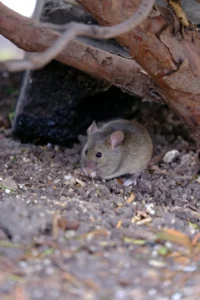
Competition with resident mice for resources is fierce. Established mice will chase away or fight with newcomers.
Without knowledge of where predators hunt or what dangers exist, relocated mice are at much higher risk of being killed by cats, owls, snakes, and other predators.
Weather exposure is also a serious threat. If a mouse can’t quickly find adequate shelter, it can die from heat in summer or cold in winter.
The stress of relocation weakens their immune system, making them more susceptible to diseases and parasites in the new environment.
Releasing Mice in Winter vs. Summer: The Difference
Winter releases are essentially death sentences for mice. They need established shelter to survive cold temperatures, and finding this in unfamiliar territory is very difficult.
Food is also much scarcer in winter. Without knowledge of where food sources are, relocated mice face starvation.
Summer releases have slightly better outcomes because food is more abundant and shelter isn’t as critical for immediate survival. But the mortality rate is still very high.
Breeding season (spring and summer) means released mice might establish themselves and reproduce if they find suitable habitat. This could create new mouse problems wherever you release them.
Fall releases are also difficult because mice need time to prepare for winter by establishing a territory and food caches. A relocated mouse doesn’t have this preparation time.
Do Young Mice Adapt Better to Relocation Than Adults?
Young mice that haven’t yet established their own territory might adapt better to relocation than adults. They’re still in the dispersal phase of life where they’re naturally looking for new territories.
Adult mice with established territories and social bonds are more motivated to return and less likely to successfully adapt to a new area.
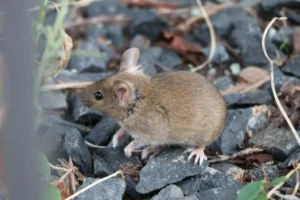
Pregnant or nursing females are especially motivated to return to their nests. Relocating these mice often results in the death of babies left behind.
Old mice have the hardest time adapting to relocation. They’re less physically capable of establishing themselves in new territory and less able to compete for resources.
The Ethics of Catch and Release
Many people choose catch and release because they don’t want to kill mice. This feels more compassionate, but it often results in more suffering for the mouse.
A slow death from starvation, predation, or exposure in unfamiliar territory is arguably less humane than a quick death from a snap trap.
You’re also potentially creating problems for other people or for native wildlife in the release area.
If you truly want a humane approach, focus on prevention. Seal your house so mice can’t get in, remove food sources, and make your home unattractive to mice.
Electronic traps that kill mice instantly are more humane than catch-and-release if you already have mice in your house.
What Happens When a Mouse Finds Its Way Back?
If a mouse does successfully return to your house, it will likely be even bolder about entering. It’s proven to itself that your home is worth the risk.
Returning mice will immediately re-establish their routines and return to the same food sources and nesting areas they used before.
They’ll also remember your trapping methods. Mice are smart and can learn to avoid traps that caught them before, making them harder to catch a second time.
A mouse that’s returned once might do it again if you keep catching and releasing it. This creates an ongoing cycle that doesn’t solve your problem.
How to Prevent Mice From Returning to Your Home
Instead of worrying about how far to relocate mice, focus on preventing them from entering your house in the first place.
Seal all entry points. Mice can fit through holes as small as a dime, so you need to be thorough. Use steel wool and caulk to close gaps.
Remove food sources. Store food in sealed containers, clean up crumbs immediately, and don’t leave pet food out overnight.
Eliminate water sources. Fix leaky pipes, wipe down sinks at night, and don’t leave standing water anywhere.
Keep your home clean and clutter-free. Less clutter means fewer hiding spots and nesting areas for mice.
Store garbage in sealed containers and take it out regularly. Accessible garbage is a major attractant for mice.
Trim vegetation away from your home’s foundation and eliminate wood piles or debris near your house. These provide cover for mice approaching your home.
When Should You Call a Pest Control Professional?
If you’re catching multiple mice regularly, you have an infestation that won’t be solved by relocating a few individuals.
Professional pest control can identify all entry points and seal them properly. They have experience and materials that make exclusion more effective.
They can also assess the extent of your infestation and develop a comprehensive treatment plan.
If you’re morally opposed to killing mice but also can’t keep up with catch and release, professionals can help you focus on exclusion and prevention.
Some pest control companies offer humane removal services, though these are typically more expensive and still face the same issues with relocated mice surviving.
Conclusion
Mice can find their way back from distances of up to one to two miles, though most won’t successfully return if you release them beyond half a mile. Their strong homing instincts, spatial memory, and motivation to return to familiar territory give them surprising navigation abilities.
However, relocating mice isn’t as humane as it might seem. Most relocated mice die within days from starvation, exposure, or predation because they don’t know the new area. You’re also potentially creating problems for whoever lives near the release site.
The most effective and humane solution to mouse problems is prevention. Seal entry points, remove food and water sources, and make your home unattractive to mice so they never get inside in the first place.
If you already have mice in your house, using instant-kill traps is more humane than catch and release, and it’s more effective at actually solving your problem rather than just moving it somewhere else.

Hi, my name is Ezra Mushala, i have been interested animals all my life. I am the main author and editor here at snakeinformer.com.