
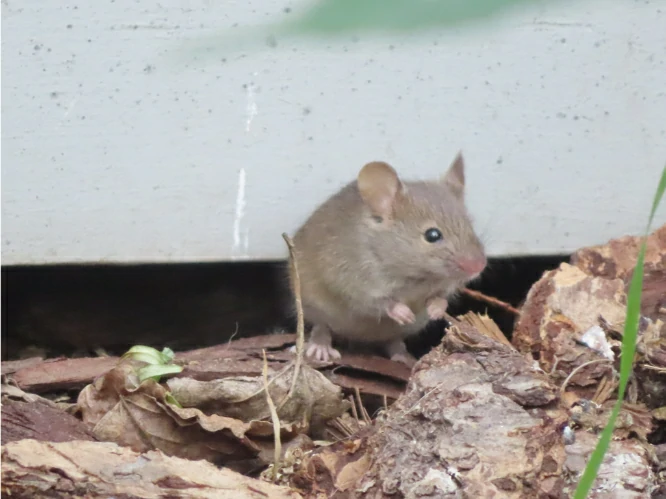
You’re doing dishes late at night when you spot movement near your kitchen sink drain. Or maybe you’ve found mouse droppings near your sink and can’t figure out how they’re getting in.
Kitchen sinks have drains, pipes, and gaps that connect to the plumbing system in your walls, and you’re probably wondering if mice can use these as entry points. Can mice get in through the kitchen sink?
Yes, mice can get in through the kitchen sink by climbing up drain pipes, squeezing through gaps around pipes under the sink, or entering through damaged plumbing. They’re excellent climbers and can navigate wet, vertical pipes to reach your kitchen from the sewer or basement.
The plumbing under and around your kitchen sink creates multiple pathways for mice to enter your home. These areas often have gaps, cracks, and openings that you might not even notice, but mice can definitely find and use them.
How Mice Use Pipes to Enter Through Your Sink
Mice are surprisingly good swimmers and climbers. They can tread water for up to three days and climb up the inside of vertical pipes, even when those pipes are wet or slippery.
Drain pipes aren’t completely smooth on the inside. Small ridges, joints, and rough spots give mice enough grip to climb up from the sewer system or basement into your kitchen.
If your drain pipes have any cracks or breaks, mice can enter through these damaged areas. Old pipes are especially vulnerable because corrosion creates holes and weak spots.
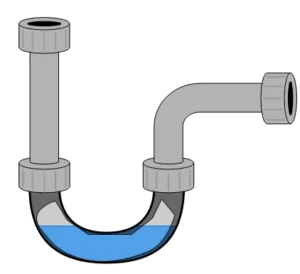
The P-trap (the curved pipe under your sink) is supposed to hold water that blocks sewer gases from entering your home. But if you don’t use that sink regularly, the water can evaporate, creating a clear path for mice.
Mice can also travel through the walls using the spaces around your plumbing. The holes where pipes pass through floors and walls are often larger than the pipes themselves, leaving gaps that mice exploit.
Gaps Around Pipes Are Major Entry Points
Look under your kitchen sink right now. You’ll probably see gaps around the pipes where they come through the cabinet or wall.
These openings are usually bigger than they need to be to make plumbing installation easier. But those extra few millimeters are more than enough space for a mouse to squeeze through.
The holes in your cabinet floor or wall where hot and cold water pipes enter are rarely sealed properly. Even if there’s a plastic or metal collar around the pipe, there are usually small gaps.
The main drain pipe also goes through a hole that’s often not sealed at all. This creates a direct pathway from the space inside your walls (where mice love to travel) to the inside of your cabinet.
Over time, the materials around these pipes can deteriorate. Caulk cracks, foam sealant compresses, and wood can rot if there’s been any water damage, making the gaps even bigger.
Signs That Mice Are Coming Through Your Sink Area
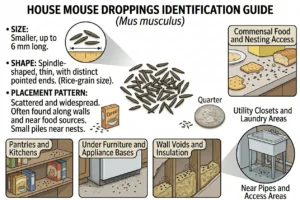
Mouse droppings under the sink are the most obvious sign. These look like small, dark pellets and you’ll usually find them along the back edge of the cabinet or near the pipes.
Gnaw marks on the pipes themselves (especially plastic pipes) show that mice have been there. They’ll chew on pipes, especially if there’s any food residue or if they’re trying to create a bigger opening.
A musty, urine smell coming from under your sink is a clear sign. Mouse urine has a very strong, distinctive odor that builds up when mice are using an area regularly.
You might see grease marks or smudges along the pipes or cabinet walls. Mice have oily fur, and they leave marks along the paths they travel repeatedly.
Hearing scratching or scurrying sounds that seem to come from inside your walls near the sink means mice are using the plumbing area as a highway.
Finding bits of insulation, shredded paper, or fabric under your sink could mean mice are building nests nearby and using your sink area as an entry point.
Why the Kitchen Sink Is So Attractive to Mice
Food and water are both available near your kitchen sink. Crumbs that fall into the sink, food residue in the drain, and even small bits of food stuck to dishes all attract mice.
Water is essential for mice to survive, and your sink provides a reliable water source. Even just drops of water on the sink surface or dampness under the sink cabinet is enough.
The dark, enclosed cabinet under your sink feels safe to mice. It’s out of sight, usually undisturbed, and provides protection from predators.
Kitchen sinks are usually located near other food sources in your kitchen, making them prime real estate for mice. They can nest under the sink and easily access your pantry, counters, and other areas.
The plumbing system also provides warmth, especially where hot water pipes run. During cold months, this warmth makes the area even more appealing.
The Connection Between Your Sink and the Sewer System
Most people don’t realize that their kitchen sink drain is connected to the same sewer system that handles all the wastewater from their home.
Mice living in the sewer can climb up through this system and emerge from any drain in your house, including your kitchen sink.

The sewer system provides mice with shelter, moisture, and access to food waste. It’s actually a pretty ideal habitat for them, and they use the network of pipes like a highway system.
If there are breaks or cracks anywhere in your sewer line (even outside your home), mice can enter the pipe system and eventually work their way to your kitchen.
This is more common in older homes with clay or cast iron sewer pipes that can crack over time, but it can happen in newer homes too if there’s any damage to the pipes.
Double Sinks and Garbage Disposals
If you have a double sink, you have twice as many drain openings where mice could potentially emerge. Each drain is a possible entry point.
Garbage disposals actually don’t stop mice as well as you might think. When the disposal isn’t running, there’s still space around the blades and mechanisms where mice can squeeze through.
The additional plumbing connections required for a garbage disposal create more joints and potential gaps where mice can enter from inside the walls.
Food waste in garbage disposals is extremely attractive to mice. Even if you run water after using the disposal, small food particles remain and create odors that draw mice in.
The drain line from your garbage disposal is usually the same size as a regular drain, so mice have no problem climbing through it.
Can Mice Come Up Through the Drain While You’re Using It?
It’s pretty unlikely that a mouse will come up through the drain while water is running. The water flow would push them back down and they’d avoid it.
But mice are smart and patient. They’ll wait until the water stops and the drain is quiet before attempting to climb up.

If you rarely use a sink (like one in a guest bathroom or basement), the P-trap can dry out completely. Without that water barrier, there’s nothing stopping mice from climbing straight up.
At night when your house is quiet and no one is using water, mice are most active. This is when they’re most likely to explore drain pipes and emerge from your sink.
The curved P-trap does slow mice down because they have to navigate the bend, but it won’t stop a determined mouse, especially if they’ve figured out this route works.
How to Seal Gaps Around Kitchen Sink Pipes
First, identify all the gaps. Get a flashlight and look carefully under your sink at every place where pipes pass through the cabinet or wall.
Steel wool is your best friend for sealing these gaps. Mice can’t chew through it, unlike foam or caulk alone. Stuff steel wool tightly into any gaps around pipes.
After stuffing gaps with steel wool, cover it with expanding foam sealant. The foam holds the steel wool in place and provides an additional barrier.
For larger gaps, you might need to use metal mesh or hardware cloth before adding foam. Cut it to size and secure it around the pipes.
Make sure the foam or caulk you use is designed for plumbing applications. Some products break down when exposed to moisture, which won’t help you in the long run.
Check under your sink every few months to make sure your seals are still intact. Temperature changes, humidity, and normal settling of your house can create new gaps over time.
Dealing With the Drain Itself
You can’t completely seal your drain (you need it to work), but you can make it much harder for mice to use it as an entry point.
Installing drain covers or screens with small holes can help, but mice can sometimes squeeze through surprisingly small openings. Look for ones specifically designed to keep pests out.

Pour water down rarely-used drains regularly to keep the P-trap filled. This maintains the water barrier that blocks entry from the sewer system.
Some people use peppermint oil or other strong scents that mice hate. Pour a small amount down the drain occasionally. The smell might discourage mice from climbing up, though this isn’t a guaranteed solution.
If you suspect mice are coming up through the actual drain pipe (not just the gaps around it), you might have a broken or damaged pipe somewhere in your system that needs professional repair.
Professional Plumbing Inspection
If you’re seeing consistent signs of mice around your sink despite your efforts to seal gaps, there might be larger plumbing issues you can’t see.
A plumber can use a camera to inspect your drain lines and check for cracks, breaks, or other damage that’s allowing mice to enter your plumbing system.
They can also check whether your P-traps are functioning correctly and recommend solutions if you have drains that aren’t used regularly.
Professional plumbers can seal gaps around pipes more thoroughly than most DIY efforts, especially in hard-to-reach areas or where pipes pass through walls.
If there’s damage to your sewer line outside your home, you’ll definitely need professional help to repair it and prevent mice from entering your plumbing system.
Kitchen Sink Maintenance to Prevent Mice
Clean your sink thoroughly every day. Don’t leave dishes sitting in the sink overnight, and wipe down the sink basin before bed to remove any food residue.
Run hot water down the drain after doing dishes to wash away any food particles. Food buildup in your pipes attracts mice.
Fix any leaks immediately. Even small drips create moisture that attracts mice and can cause deterioration of materials that seal gaps around pipes.

Keep the area under your sink organized and clean. Don’t store food under there (even sealed food), and regularly remove any stored items to check for signs of mice.
Take out your kitchen trash every night and keep your trash can clean. Garbage is a huge attractant, and mice will investigate the sink area if they smell trash nearby.
When to Call Pest Control
If you’ve sealed all the gaps around your pipes and still see signs of mice, you might have a larger infestation that requires professional help.
Pest control experts can identify entry points you might have missed and have access to professional-grade sealing materials and techniques.
They can also set up monitoring stations to figure out exactly where mice are entering and how they’re moving through your home.
If mice are coming from your sewer system, pest control might need to work with a plumber to address the problem from both angles.
Professional treatment is especially important if you’re seeing mice during the day (they’re usually nocturnal), or if you’re finding droppings in multiple locations. These signs suggest a serious infestation.
Preventing Future Problems
Once you’ve dealt with mice coming through your sink, prevention is key to making sure they don’t come back.
Make your entire kitchen less attractive to mice. Store all food in sealed containers, clean up crumbs immediately, and don’t leave pet food out overnight.
Check all the plumbing in your home, not just the kitchen sink. Mice that can’t get in through the kitchen might try bathroom sinks, laundry room connections, or basement drains.
Seal any cracks in your home’s foundation or exterior walls. If mice can’t get into your walls in the first place, they can’t use your plumbing as a highway.
Keep your yard maintained. Overgrown vegetation near your home’s foundation, wood piles, and debris all provide shelter for mice and encourage them to look for ways inside.
Conclusion
Mice can definitely get in through your kitchen sink by climbing up drain pipes from the sewer system or by squeezing through gaps around the plumbing under your sink.
The key to keeping them out is sealing all gaps around pipes with steel wool and foam, maintaining water in your P-traps, and keeping your sink area clean and free of food sources.
If you’re finding signs of mice near your sink, don’t ignore them. Address the problem quickly by inspecting under your sink, sealing gaps, and making sure your plumbing is in good condition.
Remember that mice in your sink area often means they’re also in your walls and possibly other parts of your home. A comprehensive approach to pest control will be more effective than just addressing the sink area alone.

Hi, my name is Ezra Mushala, i have been interested animals all my life. I am the main author and editor here at snakeinformer.com.