
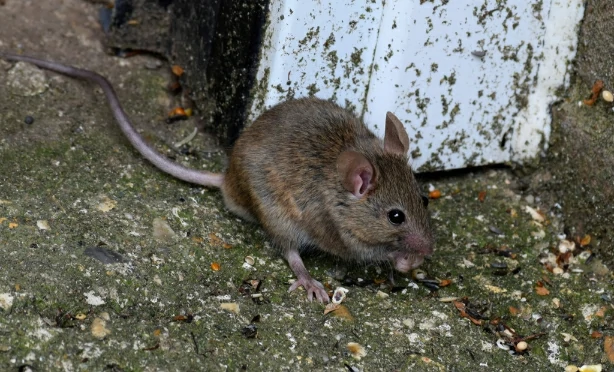
Mice are incredibly skilled at squeezing into the smallest spaces you can imagine. If you’ve spotted droppings near your microwave or heard scratching sounds coming from your kitchen appliances, you’re probably wondering if mice can actually get inside your microwave. Can mice get into microwaves?
Yes, mice can get into microwaves through ventilation openings, gaps around the door seal, or openings in the back panel. They’re attracted to food smells and crumbs inside the microwave, and can squeeze through holes as small as a dime.
Microwaves aren’t designed to be mouse-proof, and the small openings that allow air to flow can also let mice in. Once inside, they can nest, leave droppings, chew on wiring, and create serious health and safety hazards in an appliance you use to heat your food.
How Mice Actually Get Into Microwaves
Mice can fit through openings that seem impossibly small. If you can fit a pencil through a gap, a mouse can probably squeeze through it too.
Most microwaves have ventilation holes or slots on the sides, back, or bottom. These openings let heat escape and air circulate, but they’re also perfect entry points for mice.
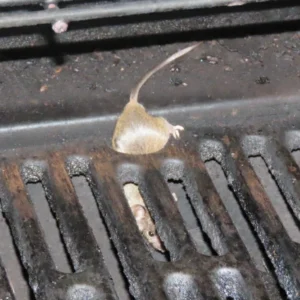
The rubber or plastic seal around the microwave door can also develop gaps over time. When the seal gets old or damaged, it creates small spaces that mice can use to get inside.
Built-in microwaves or over-the-range models often have even more access points. The areas where the microwave connects to cabinets or walls can have gaps that mice exploit.
Mice can also enter through the back panel if there are openings where the power cord exits. They’re really good at finding any weakness in the structure.
Why Mice Want to Get Into Your Microwave
Food is the biggest reason mice try to get into microwaves. Even tiny crumbs or food splatters that you can’t see are like a feast to a mouse.
The smell of food lingers inside microwaves long after you’ve heated something. Mice have an incredibly strong sense of smell and can detect these food odors from far away.

Microwaves also provide warmth, especially if they’re used frequently. The residual heat makes them attractive nesting spots, particularly during colder months.
The enclosed space feels safe to mice. They’re prey animals, so they’re always looking for small, hidden spots where they can feel protected from predators.
If your microwave is near other food sources (like your pantry or countertops with crumbs), it becomes even more attractive. Mice tend to nest close to reliable food supplies.
Signs That Mice Have Been Inside Your Microwave
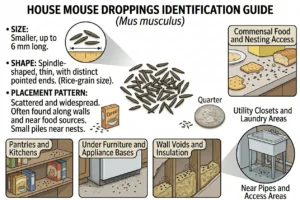
Mouse droppings are usually the first sign you’ll notice. These look like small, dark pellets (about the size of a rice grain) and you might find them on the turntable or in corners.
You might also see gnaw marks on the inside walls or on any plastic parts. Mice constantly chew to keep their teeth from growing too long.
A strong, musty smell is another clear sign. Mouse urine has a very distinct odor that’s hard to miss, and it can make your entire microwave smell bad.
If you hear scratching or rustling sounds coming from your microwave (even when it’s not running), there’s a good chance a mouse is inside or trying to get in.
Grease marks or smudge marks along the edges might show where mice are traveling. Their fur leaves oily residue as they squeeze through tight spaces.
Chewed wiring is a serious sign. If mice have been inside long enough to damage the electrical components, your microwave might not work properly or could even become dangerous to use.
The Dangers of Mice Getting Into Microwaves
Health risks are the biggest concern when mice get into your microwave. They carry diseases like salmonella and hantavirus, and their droppings and urine can contaminate the surfaces where you heat your food.
Even if you can’t see the contamination, it’s there. Bacteria from mouse waste can spread to your food when you use the microwave.
Mice also chew on wiring, which can cause electrical problems. Damaged wires might make your microwave stop working completely, or worse, create a fire hazard.
A mouse nest inside your microwave is extremely dangerous. The nesting material (usually shredded paper, fabric, or insulation) can catch fire when you turn the microwave on.
If a mouse dies inside your microwave, the smell will be horrible and the decomposing body creates even more health risks. You’ll need to clean and disinfect everything thoroughly.
The psychological factor matters too. Once you know mice have been inside an appliance you use for food, it’s hard to feel comfortable using it again without a deep cleaning.
How to Keep Mice Out of Your Microwave
Clean your microwave regularly and thoroughly. Wipe down the inside after each use to remove food splatters, crumbs, and spills that attract mice.
Check the door seal for any gaps or damage. If the rubber gasket is cracked or worn, replace it to eliminate entry points.
Inspect the back and sides of your microwave for any openings. You can seal small gaps with steel wool (mice can’t chew through it) and then cover with caulk or foam sealant.

Keep your entire kitchen clean, not just the microwave. If mice can’t find food anywhere in your kitchen, they’re less likely to explore your appliances.
Store all food in sealed containers, including pet food. Open bags and boxes are easy targets for mice and will draw them into your kitchen.
Take out your trash regularly and use bins with tight-fitting lids. Garbage is a major attractant for mice.
Fix any water leaks under sinks or around appliances. Mice need water to survive, and eliminating water sources makes your home less appealing.
What to Do If You Find a Mouse in Your Microwave
Don’t use the microwave if you suspect or know a mouse has been inside. Using it could spread contamination or cause a fire if there’s nesting material inside.
Unplug the microwave immediately. This keeps you safe while you’re cleaning and inspecting it.
If the mouse is still inside and alive, open the door and give it a clear path to escape. Don’t try to catch it with your bare hands.
Once the mouse is gone, remove the turntable and any other removable parts. Wash them in hot, soapy water or run them through the dishwasher if they’re dishwasher-safe.
Mix a solution of one part bleach to ten parts water. Use this to wipe down all interior surfaces of the microwave, but be careful not to get cleaning solution on any electrical components.
Let the microwave air out completely before using it again. Leave the door open for several hours to make sure all cleaning solution fumes are gone.
If you find extensive damage (chewed wires, large amounts of droppings, or nesting material), it might be safer to replace the microwave entirely. The cost of replacing it is often less than the risk of using a contaminated or damaged appliance.
Can Mice Get Into Built-In or Over-the-Range Microwaves?
Yes, and actually these are sometimes easier for mice to access than countertop models. The installation creates additional gaps and openings that mice can use.
Over-the-range microwaves have ventilation systems that pull air up from your stove. These vents connect to ductwork that can have gaps where mice enter.

The space between the microwave and the cabinet or wall is often not sealed properly. Mice can travel through these spaces and access the microwave from behind.
Built-in microwaves have similar issues. The trim kit that makes them look flush with your cabinets can hide gaps that are perfect for mice.
If you have one of these models, you need to check behind and around the unit (not just the door and visible areas). You might need to pull the microwave out to inspect and seal all the gaps properly.
How Small of an Opening Can Mice Fit Through?
Mice can squeeze through openings as small as a dime (about 6-7 millimeters). Their skulls are the only rigid part of their body, and if their head fits, the rest of their body can follow.
This means even ventilation holes that seem way too small can actually let mice in. They’re incredibly flexible and can compress their bodies to fit through tight spaces.
Young mice are even smaller and can fit through even tinier gaps. If you have a mouse problem, you’re likely dealing with multiple mice of different sizes.
This is why it’s so important to seal even the smallest gaps around your microwave and throughout your kitchen. What looks too small to you is actually plenty of room for a mouse.
Do All Microwaves Have the Same Risk?
Older microwaves generally have more gaps and openings because seals deteriorate over time. The rubber gaskets around doors become brittle and crack, creating easy entry points.
Cheaper microwaves might have looser construction with more gaps between panels. Higher-end models usually have better seals, but they’re not mouse-proof either.

The location of your microwave matters just as much as the model. A microwave sitting on a counter next to crumbs and food spills is at higher risk than one that’s kept very clean.
Built-in and over-the-range models have more potential entry points because of how they’re installed, but countertop models can still have problems if they’re not maintained properly.
Really, any microwave can have issues with mice if your home has a mouse problem and your kitchen isn’t kept clean.
Professional Pest Control vs. DIY Solutions
If you’re dealing with just one mouse that got into your microwave, you can probably handle it yourself with traps and thorough cleaning.
But if you’re seeing multiple signs of mice (droppings in several locations, regular scratching sounds, or mice in multiple appliances), you likely have an infestation that needs professional help.
Pest control professionals can identify all the entry points in your home, not just around your microwave. They know where to look for gaps and how to seal them properly.
They can also set up a comprehensive treatment plan that addresses the root cause of your mouse problem, not just the symptoms.
DIY solutions work best for prevention and small problems. Professional help is worth the cost when you have a bigger infestation or when DIY methods haven’t worked.
Conclusion
Mice can definitely get into microwaves through ventilation openings, damaged door seals, and gaps in the back panel. They’re attracted to food smells and the warm, enclosed space that microwaves provide.
The best way to keep mice out is through prevention. Clean your microwave regularly, inspect and repair seals, and keep your entire kitchen clean and free of crumbs.
If you do find evidence of mice in your microwave, don’t use it until you’ve cleaned and disinfected it thoroughly. Check for any damage to wiring or components that could make it unsafe.
Remember that mice in your microwave usually means you have a larger mouse problem in your home. Address the overall infestation by sealing entry points, eliminating food sources, and using traps or calling a professional if needed.

Hi, my name is Ezra Mushala, i have been interested animals all my life. I am the main author and editor here at snakeinformer.com.