
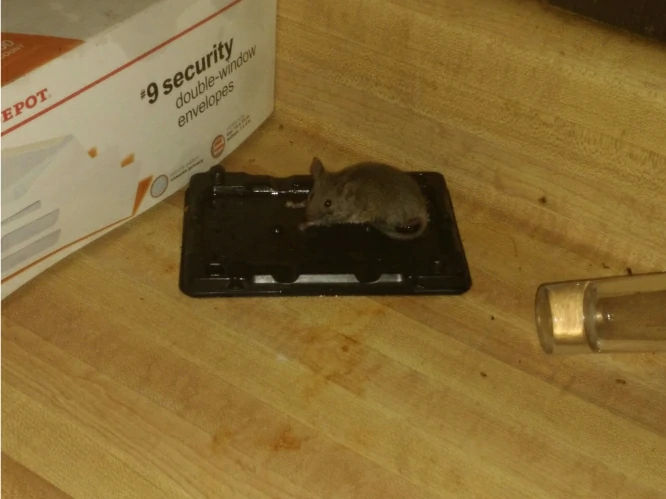
Stepping in rat trap glue is one of those frustrating accidents that can happen when you’re dealing with a rodent problem at home.
The sticky mess clings to your shoe like nothing else, and it seems impossible to get off. But how do you remove rat trap glue from shoes?
You can remove rat trap glue from shoes using vegetable oil, peanut butter, or WD-40 to break down the adhesive, followed by soap and water to clean the residue. The oil dissolves the glue’s sticky properties, making it easy to wipe away.
These household items work because rat trap glue is made from synthetic rubber and other sticky compounds that dissolve when they come in contact with oils. The process takes a bit of patience, but it’s much better than throwing away a good pair of shoes.
What Makes Rat Trap Glue So Sticky?
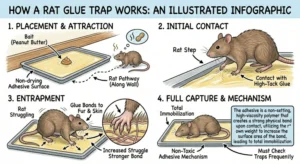
Rat trap glue is designed to be extremely sticky so it can hold a rat in place when it steps on the trap. The glue is made from a mix of synthetic rubber, resins, and oils that create a very strong bond with almost any surface it touches.
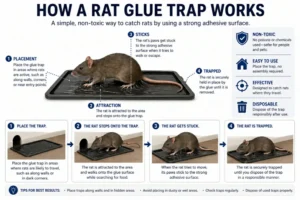
This is why it’s so hard to remove once it gets on your shoes. The glue doesn’t dry or harden like regular glue. Instead, it stays sticky and tacky, which makes it grab onto fabric, rubber, and leather really well.
The good news is that this same sticky property is also what makes it possible to remove. Since the glue is oil-based, you can use other oils to break down its adhesive properties and get it off your shoes without damaging them.
The Best Way to Remove Rat Trap Glue from Shoes
The most effective method for removing rat trap glue from shoes is using vegetable oil or any cooking oil you have at home. This works on all types of shoes, including leather, canvas, and rubber soles.
Start by pouring a generous amount of vegetable oil directly onto the glue. You want to really soak the sticky area so the oil can start breaking down the adhesive. Let it sit for about 5 to 10 minutes.
After the oil has had time to work, use an old cloth or paper towel to start wiping away the glue. You’ll notice it comes off much easier than before. The glue will start to clump up and lose its stickiness as the oil dissolves it.
If there’s still some glue left, add more oil and repeat the process. For really stubborn spots, you can use an old toothbrush to gently scrub the area while the oil is still on it.
Once you’ve removed all the glue, you’ll need to clean the oil residue off your shoes. Use dish soap and warm water to wash the area thoroughly. Dish soap is great at cutting through oil and will leave your shoes clean.
For leather shoes, you might want to condition them after cleaning since the oil and soap can dry out the leather a bit. Just apply a small amount of leather conditioner and buff it in with a soft cloth.
Using Peanut Butter to Remove the Glue
Peanut butter is another great option for removing rat trap glue from shoes. It might sound weird, but it actually works really well because of the oils in the peanut butter.
Spread a thick layer of peanut butter over the glue and let it sit for about 15 to 20 minutes. The oils in the peanut butter will start to break down the adhesive, just like vegetable oil does.
After it’s had time to work, use a paper towel or cloth to wipe away the peanut butter and glue together. You might need to do this a few times to get all the glue off.
The downside of using peanut butter is that it can be a bit messier than using plain oil. You’ll definitely need to wash your shoes with soap and water afterward to get rid of the peanut butter smell and residue.
Still, if you don’t have vegetable oil handy, peanut butter is a solid backup option that most people have in their kitchen.
Can WD-40 Remove Rat Trap Glue?
WD-40 is another popular option for removing rat trap glue from shoes. It’s a petroleum-based product that works similarly to oil by breaking down the adhesive properties of the glue.
Spray WD-40 directly onto the glue and let it sit for a few minutes. The chemicals in WD-40 will start to dissolve the glue pretty quickly.
Use a cloth or paper towel to wipe away the glue. You might need to spray more WD-40 and repeat the process if the glue is really thick or has been on your shoes for a while.
One thing to keep in mind is that WD-40 can leave an oily residue and has a strong smell. You’ll need to clean your shoes thoroughly with soap and water after using it.
Also, be careful using WD-40 on certain materials like suede or fabric shoes. It can sometimes leave stains or discoloration, so test it on a small hidden area first.
What About Using Ice to Remove the Glue?
You might have heard that you can use ice to remove sticky substances, but this method doesn’t work well with rat trap glue. Unlike chewing gum or candle wax, rat trap glue doesn’t harden when it gets cold.
The glue stays sticky even at low temperatures, so freezing it won’t make it easier to scrape off. In fact, it might just make the process more difficult and time-consuming.
If you’ve already tried the ice method and it didn’t work, don’t worry. Just switch to one of the oil-based methods mentioned earlier, and you’ll have much better results.
How to Clean Different Types of Shoe Materials
Different shoe materials need slightly different approaches when you’re removing rat trap glue. Here’s what you need to know for each type.
For leather shoes, vegetable oil works great, but you need to be gentle. Leather can absorb oil and become discolored if you use too much. Apply the oil sparingly and wipe it off as soon as the glue loosens.
Canvas or fabric shoes can handle more oil without any problems. You can really soak the glue and scrub harder without worrying about damage. Just make sure to wash them thoroughly afterward.
Rubber soles are the easiest to clean. They can handle any of the methods, including WD-40, without any risk of damage. You can scrub as hard as you need to without worrying about ruining the material.
For suede shoes, you need to be extra careful. Suede is delicate and can be easily damaged by oil or WD-40. Try using a small amount of rubbing alcohol on a cotton ball instead. Dab it gently on the glue and try to lift it off without soaking the suede.
What If the Glue Won’t Come Off?
Sometimes rat trap glue can be really stubborn, especially if it’s been on your shoes for a while or if you stepped in a lot of it. If you’ve tried oil or peanut butter and it’s not coming off completely, here are some extra tips.
Try heating the glue slightly with a hair dryer on low heat. The warmth can make the glue softer and easier to remove. Just be careful not to overheat your shoes, especially if they’re made of leather or have any plastic parts.
You can also try using rubbing alcohol or nail polish remover (acetone). These work well on some types of glue, but they can be harsh on certain materials. Test them on a small hidden area first.
For really tough cases, you might need to combine methods. Start with oil to loosen the glue, then use a bit of rubbing alcohol to get the last bits off.
If nothing works and the glue is on a non-visible part of your shoe, like the bottom of the sole, you might just leave it. It won’t affect how your shoes function, and it’ll wear off naturally over time.
How to Prevent Getting Glue on Your Shoes
The best way to deal with rat trap glue on your shoes is to avoid stepping in it in the first place. Here are some tips to help you stay glue-free.
When you set up glue traps, place them in areas where you don’t walk regularly. Put them along walls, under furniture, or in corners where rats are likely to travel but where you won’t accidentally step.
Mark the trap locations with tape or a small flag if you have pets or kids in the house. This reminds everyone where the traps are and helps them avoid the area.
Consider using covered glue trap stations instead of open traps. These are boxes with openings just big enough for a rat to enter, but they keep the glue protected from accidental contact.
Always wear shoes when you’re walking around areas where you’ve set traps. Going barefoot or in socks makes it much easier to step in glue without realizing it.
Check your traps regularly and remove them as soon as they’ve caught a rat. The longer a trap sits out, the more likely someone will forget it’s there and step in it.
Should You Throw Away Shoes with Glue on Them?
Most of the time, you don’t need to throw away shoes just because they have rat trap glue on them. The glue is removable with the right methods, even if it takes some work.
The only time you might consider throwing away shoes is if the glue has soaked deep into fabric or if trying to remove it has damaged the shoe material. But this is pretty rare if you use gentle cleaning methods.
Even expensive leather shoes can be saved if you’re patient and use the right approach. The key is to work slowly and not rush the process.
If the glue is only on the sole of your shoe and you can’t get it all off, it’s really not a big deal. The sole will naturally wear down over time, and the glue will come off as you walk.
Can Professionals Remove Rat Trap Glue?
If you have expensive shoes and you’re worried about damaging them, you can take them to a professional shoe repair shop. They have special solvents and tools designed to remove tough adhesives without harming the shoe material.
This is especially worth considering for leather dress shoes, designer sneakers, or any shoes that cost a lot of money. The repair shop can usually remove the glue and clean your shoes for a small fee.

Dry cleaners sometimes offer shoe cleaning services too. They might be able to help, especially with fabric or suede shoes that need delicate care.
But honestly, for most regular shoes, you can do it yourself at home with the methods described earlier. It’ll save you money and time, and it’s really not that hard once you know what to do.
Conclusion
Removing rat trap glue from shoes is definitely possible with common household items like vegetable oil, peanut butter, or WD-40. The key is to be patient and let the oil break down the glue before trying to wipe it away.
Different shoe materials might need slightly different approaches, but the basic principle is the same. Use oil to dissolve the glue, wipe it away, and then clean the residue with soap and water.
With a bit of effort, you can save your shoes and avoid the frustration of throwing away a good pair just because of some sticky glue. Just remember to be careful where you place your traps next time to avoid stepping in them again.

Hi, my name is Ezra Mushala, i have been interested animals all my life. I am the main author and editor here at snakeinformer.com.