
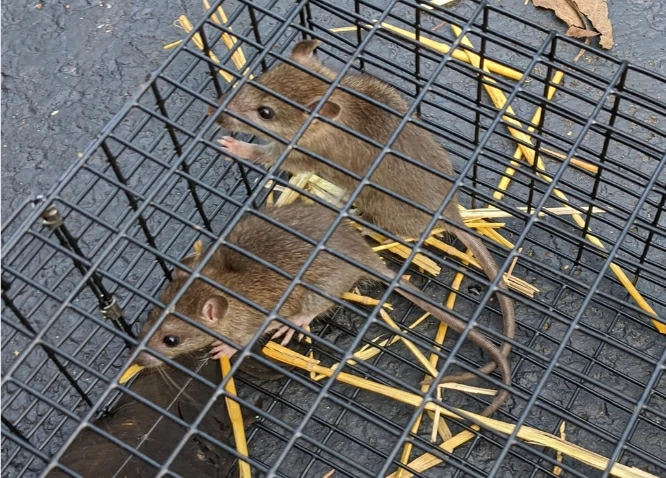
Humane traps are designed to catch rats without killing them, giving you the option to release them somewhere else. They’re marketed as the compassionate choice for dealing with unwanted rodents.
But “humane” only applies if you use these traps correctly. A rat trapped in a cage without food or water isn’t living a comfortable life, even if the trap didn’t hurt it. How long can a rat survive in a humane trap?
A rat can survive in a humane trap for 24 to 48 hours without water, and up to a week without food. However, stress, temperature, and ventilation dramatically affect this. In hot environments or poorly ventilated traps, rats can die from heat stress and dehydration in as little as 4 to 8 hours.
Just because these traps are called “humane” doesn’t mean they’re free from animal welfare concerns. You can’t just set them and forget about them.
If you don’t check the trap regularly and deal with caught rats quickly, you’re actually being less humane than if you’d used a quick-kill trap.
What Makes a Trap “Humane”?
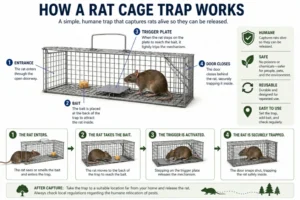
Humane traps (also called live traps or catch-and-release traps) don’t use killing mechanisms. They’re basically small cages with a door that closes when the rat enters.
The idea is that the rat stays alive and uninjured so you can release it far from your home. In theory, this is better for the rat than being killed.
But that only works if you follow through on the release part quickly. A humane trap becomes very inhumane if the rat is left suffering inside it for days.
The trap itself might not hurt the rat, but being confined, stressed, and without water definitely does.
Why the First 24 Hours Are Critical
Water is the biggest concern. Rats need to drink regularly, especially when they’re stressed and active.
A trapped rat will panic at first. It’ll run around the trap, try to chew through the bars, and generally work itself into a frenzy.
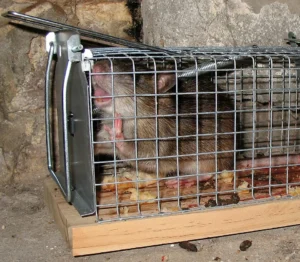
All this activity uses water fast. The rat is breathing hard, its heart is racing, and it’s burning through energy.
After 24 hours without water, the rat starts showing serious signs of dehydration. It becomes lethargic, stops trying to escape as much, and its organs start to struggle.
By 48 hours, organ damage is likely. Even if you release the rat at this point, it might not survive.
Heat Is a Silent Killer
If you’ve placed your trap in an attic, garage, or anywhere that gets hot during the day, heat becomes the main danger.
Rats can’t sweat. They cool themselves by finding shade, resting in cool spots, and spreading saliva on their fur. In a trap, they can’t do any of these things effectively.

A trap sitting in direct sunlight or in a 90-degree attic can kill a rat in just 4 to 6 hours. The rat essentially cooks from the inside out.
You’ll know heat stress happened if you find a dead rat with its mouth open, tongue out, and wet fur (from trying to cool itself with saliva).
Even moderate heat (75 to 85 degrees) is stressful. Combined with no water and lots of panic, it can kill in 8 to 12 hours.
Cold Isn’t Much Better
Cold temperatures slow down the rat’s metabolism, which means it can actually survive longer without food. But cold brings its own problems.
A rat in a cold trap (like a basement or outdoor shed in winter) uses extra energy trying to stay warm. This burns through whatever food reserves it has faster.
Without food to fuel its internal heating, the rat’s body temperature drops. Hypothermia can set in within 12 to 24 hours in very cold conditions.
Plus, cold amplifies stress. A cold, scared, trapped rat is burning through energy reserves even faster than a warm one would.
How Trap Design Affects Survival Time
Small traps are worse for rats. There’s less room to move, less air circulation, and more stress from feeling confined.
Larger traps give the rat space to move around a bit. This doesn’t make being trapped pleasant, but it does reduce stress slightly.
Ventilation matters a lot. Traps with solid sides and limited air holes can actually suffocate a panicked rat. The rat breathes faster when stressed, using up available oxygen.
Wire mesh traps have better airflow than plastic box traps. If you’re using a plastic trap, make sure it has plenty of ventilation holes.
The Food Question
Rats can survive much longer without food than without water. A healthy rat can go 5 to 7 days without eating.
But that doesn’t mean you should leave a rat trapped for a week. Going without food is stressful and weakens the rat.
A rat that hasn’t eaten for 3 or 4 days might survive release, but it’ll be weak and vulnerable. Its chances of surviving in the wild drop significantly.
Plus, a starving rat is an unhappy rat. The whole point of using a humane trap is to reduce suffering, not just avoid killing directly.
Stress Is a Real Killer
Even with food, water, and good temperature, stress alone can kill rats. Being trapped is terrifying for them.
Rats have been known to literally die from fear. Their heart rates spike, their blood pressure rises, and their bodies flood with stress hormones.

In extreme cases, this stress response can cause heart attacks or strokes, especially in older rats or rats with health issues.
A rat that looks fine when you check the trap at 8 AM might be dead from stress by 8 PM, even if nothing else was wrong.
Young Rats and Old Rats
Baby rats don’t survive as long as adults. They have faster metabolisms and smaller body reserves.
A juvenile rat might only last 12 to 18 hours without water, compared to 24 to 48 for an adult.
Young rats also stress out more easily. They’re less experienced and more likely to panic themselves into exhaustion.
Old rats have the opposite problem. They might have health issues that make them more vulnerable to stress, dehydration, or temperature extremes.
An elderly rat might not survive even 24 hours in a trap, especially if it already had heart or kidney problems.
Pregnant and Nursing Rats
A pregnant rat needs extra water and food to support her developing babies. She won’t last as long in a trap as a non-pregnant rat.
If you catch a nursing mother, the situation is even worse. She’s producing milk, which uses a huge amount of water.
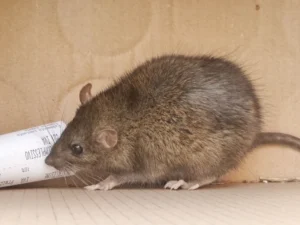
A nursing rat might only survive 12 to 18 hours without water. Plus, if she dies, her babies (wherever they are) will die too.
If you catch a rat with visible nipples or that looks pregnant, you need to act immediately. There’s no room for delay.
What Happens Hour by Hour
In the first hour, the rat is frantic. It’s running around, trying to escape, chewing at the bars. Stress hormones are flooding its system.
Hours 2 to 6: The rat starts to tire out but is still actively trying to escape. Dehydration is beginning but not critical yet.
Hours 6 to 12: The rat is still alert and trying to escape, but less frantically. If it’s hot, heat stress is starting to set in. If it’s cold, the rat is getting very uncomfortable.
Hours 12 to 24: Dehydration is becoming serious. The rat is less active, possibly lying down more. In extreme temperatures, the rat might be in critical condition.
Hours 24 to 48: Severe dehydration. The rat is weak, barely moving. Organ damage is occurring. This rat needs water immediately or won’t survive much longer.
Beyond 48 hours: The rat is dying or already dead. Even with intervention, it might not recover.
How Often Should You Check Humane Traps?
The absolute minimum is every 24 hours. But honestly, that’s too long for hot weather or poor trap locations.
Every 12 hours is much better. Morning and evening checks ensure you won’t leave a rat trapped during the hottest part of the day.
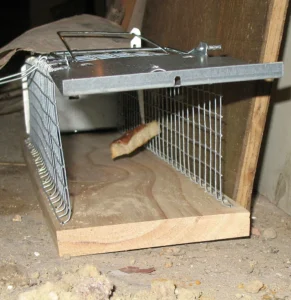
In summer, or if your trap is in a hot location, check every 8 hours if possible.
Think about when you set the trap. Don’t set it Friday evening if you can’t check it until Sunday morning. That’s too long.
Can You Give Water to a Trapped Rat?
Some traps have openings where you can carefully insert a small water dish or bottle cap filled with water.
This isn’t a long-term solution, but it can buy you time if you can’t release the rat immediately.
Be extremely careful if you try this. Rats can bite through small openings, and a desperate rat might attack.
Use a stick or tool to push the water container through any opening. Don’t use your fingers.
What to Do When You Find a Trapped Rat
Check the rat’s condition first. Is it active and trying to escape, or is it lying still and looking weak?
If the rat seems healthy, decide quickly what you’re doing. Release, relocate, or euthanize. Don’t just leave it there while you think about it.

If the rat looks weak (sunken eyes, barely moving, heavy breathing), it’s been trapped too long. This rat might not survive even if you release it.
For severely dehydrated or stressed rats, the most humane option might actually be euthanasia rather than release. Talk to a vet if you’re not sure.
The Reality of “Catch and Release”
Just because you caught a rat humanely doesn’t mean releasing it is humane. Relocated rats often die within a few days.
They’re in unfamiliar territory with no knowledge of where to find food, water, or shelter. Other rats might attack them as intruders.
In many areas, relocating rats is actually illegal. You’re supposed to euthanize them instead.
So the “humane” part of these traps only really works if you’re releasing the rat very close to where you caught it, which defeats the purpose.
When Humane Traps Become Inhumane
A humane trap stops being humane when you don’t check it regularly. A rat dying of dehydration over 48 hours suffered more than a rat killed instantly by a snap trap.
It also stops being humane if you release a severely weakened rat. You’re essentially killing it slowly by exposure and starvation instead of quickly.
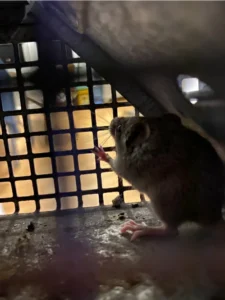
And it’s not humane if you’re just relocating the problem. That rat you released in the park might starve, get killed by predators, or die of stress.
True humane treatment means checking traps often, providing water if needed, and making responsible decisions about release vs. euthanasia.
Legal Requirements for Trap Checks
Some states and cities have laws about checking traps. These laws exist specifically to prevent animal suffering.
Common requirements are checks every 12 or 24 hours. Some jurisdictions are even stricter for certain trap types.
If you don’t follow these laws, you can be fined or even charged with animal cruelty in extreme cases.
Even if there aren’t specific laws in your area, animal welfare organizations recommend 12-hour maximum intervals between checks.
Alternatives If You Can’t Check Often
If your schedule doesn’t allow for checking traps every 12 to 24 hours, humane traps aren’t the right choice.
Electronic traps kill quickly and can be checked less frequently without causing suffering.
Professional pest control services will handle all the trap checking for you.
Better yet, focus on prevention. Seal entry points, remove food sources, and make your home less attractive to rats. Then you won’t need traps at all.
Signs You’re Checking Too Infrequently
If you regularly find dead rats in your humane traps, you’re not checking often enough.
If rats look very weak or dehydrated when you check, you need to check more often.

If you smell decomposition when approaching your trap area, you’ve left a trap unchecked way too long.
These are all signs that your “humane” trapping isn’t actually humane at all.
Making Your Trap Checks More Effective
Set reminders on your phone for trap checks. Don’t rely on remembering.
Check traps at consistent times each day. This establishes a routine and makes it harder to forget.
If you catch a rat, deal with it immediately. Don’t think “I’ll take care of it later.” Later becomes tomorrow, which becomes two days from now.
If you’re going to be away from home for more than 24 hours, either don’t set traps or have someone else check them.
Conclusion
A rat can survive in a humane trap for 24 to 48 hours without water, but survival doesn’t equal humane treatment. By 24 hours, the rat is suffering from dehydration and stress.
In hot conditions or poorly ventilated traps, that survival time drops to just 4 to 8 hours.
“Humane” traps are only humane if you use them responsibly. Check them every 12 hours at minimum, more often in extreme temperatures.
If you can’t commit to that level of attention, choose a different method. A quick-kill trap is more humane than a live trap that’s left unchecked, no matter what the marketing says.

Hi, my name is Ezra Mushala, i have been interested animals all my life. I am the main author and editor here at snakeinformer.com.