
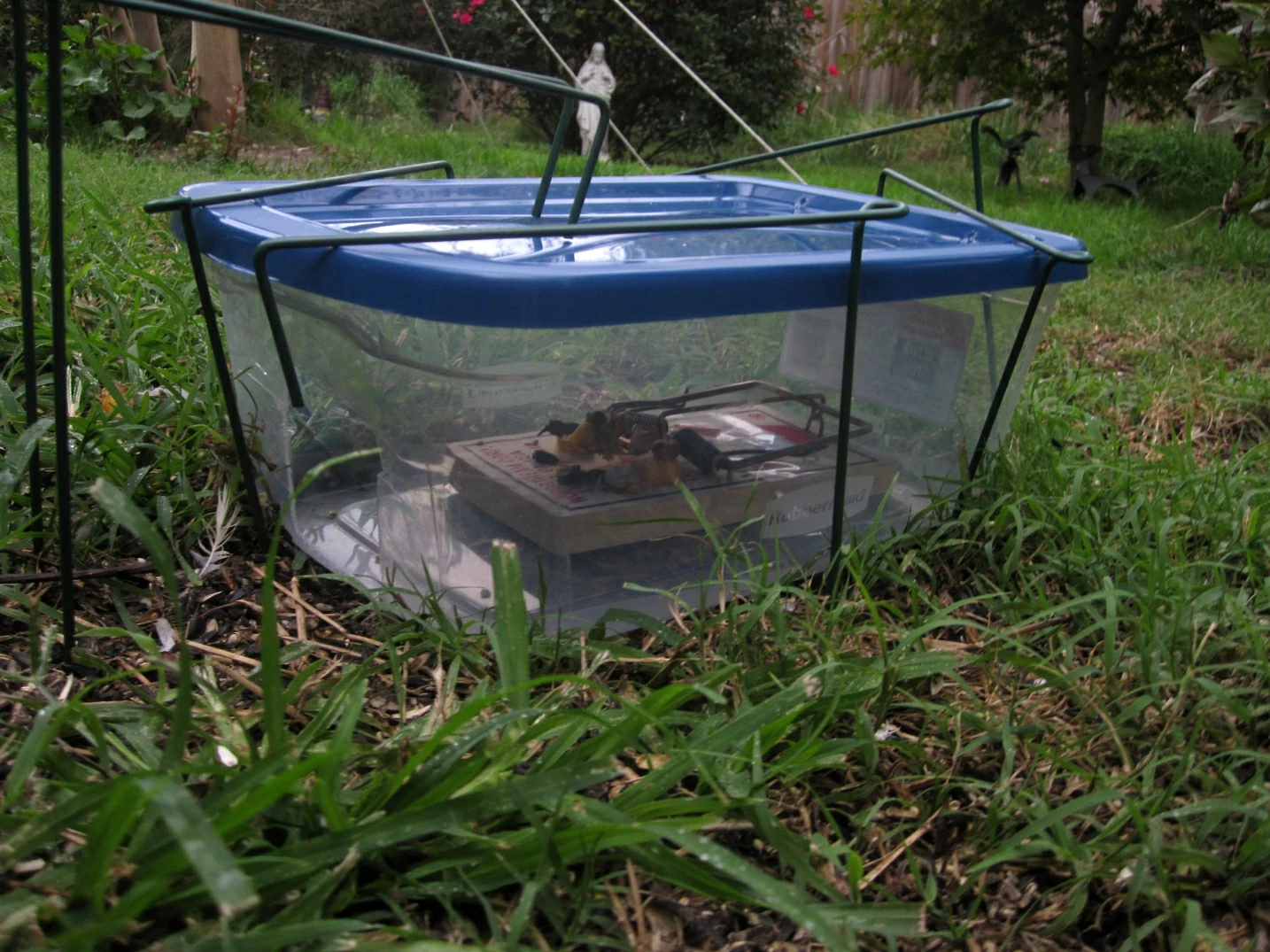
If you’ve ever set up a rat trap in your home, you’ve probably wondered what kind of sound it makes when it goes off. Maybe you’re trying to figure out if you caught something, or you just want to know what to expect when that trap springs.
The sound can actually tell you a lot about what happened. So what sound does a rat trap make?
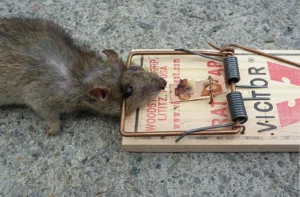
A rat trap makes a loud, sharp “SNAP” or “CRACK” sound when it goes off. The noise is sudden and quick, usually loud enough to hear from another room. The metal bar hitting the wooden base creates this distinctive snapping sound that lasts just a fraction of a second.
The sound is pretty unmistakable once you hear it. It’s not a quiet click or a soft thud. It’s a sharp, metallic snap that cuts through the silence.
This happens because the spring-loaded metal bar releases all its stored energy at once, slamming down onto the wooden base with a lot of force.
Why Rat Traps Make That Snapping Sound
The classic snap trap (also called a spring trap) works by using a tightly wound spring that holds a metal bar in place. When a rat touches the trigger plate, the spring releases instantly.
All that stored energy turns into movement in a split second. The metal bar swings down and hits the wooden base with serious speed.
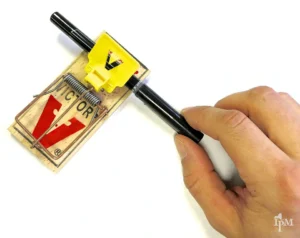
That’s what creates the sharp snapping sound. It’s basically metal hitting wood at high velocity. The sound is actually the impact of the bar striking the base, not the spring itself.
The louder the snap, the stronger the trap. Heavy-duty traps designed for bigger rats make a louder noise than smaller mouse traps. But they all follow the same basic principle.
How Loud Is the Sound Really?
Most people describe the sound as startling if you’re in the same room. It’s loud enough to make you jump if you’re not expecting it.
From another room, you can usually still hear it clearly. It’s not going to wake up the whole house, but it’s definitely noticeable if you’re listening for it.
The sound typically measures around 80 to 90 decibels. That’s about as loud as a door slamming or someone clapping their hands really hard right next to you.
If you’re in a quiet house at night, the snap can seem even louder. Sound travels better when there’s less background noise, so a trap going off at 2 AM might seem more dramatic than one going off during the day.
Different Types of Traps Make Different Sounds
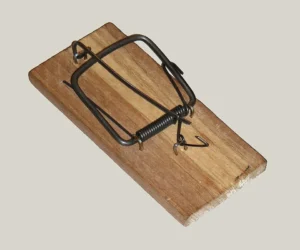
Not all rat traps make the same sound. The classic wooden snap trap makes that signature sharp crack we’ve been talking about.
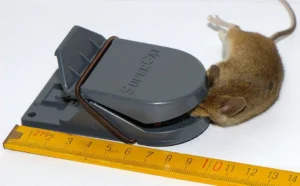
Plastic snap traps make a similar sound, but it’s usually a bit higher pitched. The plastic base doesn’t absorb the impact the same way wood does, so you get more of a “CLACK” than a “CRACK.”
Electronic traps make a completely different sound. They usually emit a quiet buzzing or humming when they activate. Some models also have a light that turns on to show you they’ve caught something.
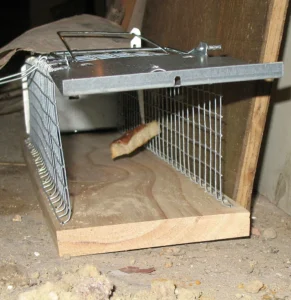
Live traps (the cage-style ones) make almost no sound at all. You might hear a soft clatter when the door closes, but it’s nothing like a snap trap. The rat itself might make scratching or squeaking sounds inside the cage, though.
Glue traps are totally silent. The only way you’ll know something’s caught is if you hear the rat struggling or making distress sounds.
What Happens After the Snap
Right after that initial snap, you might hear other sounds. If the trap caught the rat cleanly, there usually isn’t much else. The whole thing is over in an instant.
But sometimes you’ll hear scratching or scraping sounds after the snap. This happens when the trap didn’t catch the rat in the right spot, and it’s still moving around.
You might also hear squeaking or distress calls. This is actually pretty rare with a good snap trap that catches the rat properly. But if the trap only partially caught it, the rat might make noise for a few seconds or even minutes.
If you hear continued sounds after the snap, it means you need to check the trap right away. A rat that’s caught but not killed quickly is suffering, and you’ll want to deal with that situation as humanely as possible.
Can You Hear the Trap From Outside Your House?
Not usually. The sound is loud inside your home, but it doesn’t travel through walls and windows very well.
Your neighbors won’t hear your rat traps going off. Even if you’re in an apartment with thin walls, the sound is too quick and sharp to really carry through to other units.
Outside noise like traffic, wind, or rain will completely drown out the sound. If you’re standing right outside a window when a trap goes off inside, you might hear a faint snap. But from any real distance, you won’t hear anything.
This is actually good news if you’re worried about disturbing anyone. Rat traps are a pretty private way to deal with a rodent problem.
What If You Don’t Hear Anything?
Sometimes traps go off and you just don’t hear them. Maybe you were watching TV, taking a shower, or sleeping when it happened.
Or maybe you’re in a different part of the house and the trap is in the basement or attic. Sound doesn’t travel well through floors and ceilings, especially in older homes with good insulation.
That’s why it’s important to check your traps regularly, even if you haven’t heard anything. You should look at them at least once a day, preferably twice.
If you find a trap that’s been sprung but don’t remember hearing it, that’s totally normal. It just means you were busy or the trap was too far away for the sound to reach you clearly.
Do Rats Make Sounds Before the Trap Goes Off?
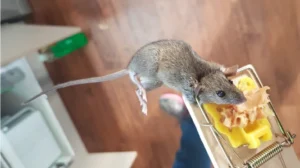
Sometimes, yes. If a rat is checking out the trap, you might hear small scratching or sniffing sounds first.
Rats are curious but cautious. They’ll often approach a trap several times before actually taking the bait. During this process, their little claws make soft scratching sounds on the floor or on the trap itself.
You might hear them moving around near the trap, bumping into things, or making quiet squeaking sounds. These are all signs that a rat is in the area and investigating.
But these pre-snap sounds are much quieter than the snap itself. You’d have to be in a very quiet room and paying close attention to notice them.
What Other Sounds Should You Listen For?
If you’re trying to figure out if you have rats, there are other sounds to pay attention to beyond just the trap snapping.
Rats make scratching sounds inside walls, especially at night. They’re most active when it’s dark and quiet, so you’ll hear them moving around between dusk and dawn.
You might also hear gnawing sounds. Rats constantly chew on things to keep their teeth from getting too long. This sounds like light chewing or grinding, often rhythmic.
Squeaking and chattering are common too. Rats communicate with each other using high-pitched sounds. If you have multiple rats, you’ll hear more of this.
Rustling sounds in your cabinets, pantry, or anywhere you store food are another big clue. That’s often a rat moving around looking for something to eat.
How to Tell If Your Trap Worked
The snap sound is your first clue, but it’s not always definitive. Sometimes traps can go off without catching anything.
If you hear the snap and then silence, there’s a good chance you caught the rat. A clean catch is quick and quiet afterward.
If you hear the snap followed by lots of movement, scratching, or squeaking, the rat is probably caught but still alive. This means you need to check it right away.
No sound at all? The trap might have just gone off on its own (it happens), or a rat might have stolen the bait without triggering it. Smart rats can sometimes do this.
The only way to know for sure is to actually look at the trap. Don’t just rely on your ears. Check every trap you’ve set, even if you didn’t hear anything.
Why Some Traps Make Louder Sounds Than Others
The size and strength of the trap make a big difference. A heavy-duty rat trap with a thick metal bar will make a much louder snap than a basic mouse trap.
The material of the base matters too. Wooden bases tend to produce a deeper, more resonant crack. Plastic bases make a sharper, higher-pitched sound.
How the trap is positioned can also affect the sound. A trap sitting on a hard floor will sound louder than one on carpet or a rug. The hard surface reflects the sound, making it seem more intense.
Older traps sometimes make different sounds than new ones. If the spring is worn out or rusty, the snap might be quieter or sound different. A well-maintained trap with a strong spring will always make the loudest, clearest snap.
Should You Be Worried About the Sound Scaring Other Rats?
This is a common concern. Will the loud snap scare away other rats in your house?
The short answer is: not really. Rats have short memories and don’t usually associate the sound with danger the way you might think.
Even if they hear the snap, they don’t understand what it means. They might be startled for a moment, but they’ll usually come back to the area pretty quickly, especially if there’s food around.
That said, if a rat sees another rat caught in a trap, that’s different. They can learn from visual cues and will often avoid traps where they’ve seen others get caught.
But the sound alone isn’t enough to keep them away for long. Rats are driven by hunger and curiosity, and those instincts usually override any temporary fear from a loud noise.
What to Do When You Hear the Snap
First, don’t rush over immediately. Give it a minute or two. If the rat was caught properly, it’s already dead. If it wasn’t, waiting won’t change anything.
When you do check the trap, approach carefully. Wear gloves if you have them. You don’t want to touch anything directly.
If the rat is dead, dispose of it according to your local regulations. Most places let you just seal it in a plastic bag and throw it in the trash.
If the rat is still alive and moving, you need to deal with that situation humanely. You can either carefully release it outside (if it’s a live trap) or, if it’s a snap trap that only partially caught it, you may need to finish the job quickly. This is never pleasant, but it’s the right thing to do.
Always reset the trap after removing the rat. Where there’s one rat, there are usually more. Keep the trap in the same location because rats tend to follow the same paths.
Conclusion
A rat trap makes a sharp, loud snapping sound when it goes off. It’s quick, distinctive, and usually loud enough to hear from another room.
The sound comes from the metal bar hitting the wooden or plastic base at high speed. Different types of traps make slightly different sounds, but snap traps all share that characteristic crack.
If you hear the snap, check your trap as soon as you can. The sound tells you something happened, but only checking the trap will tell you exactly what. And remember, even if you don’t hear anything, you should still check your traps regularly.
That snap might be startling, but it’s actually a good sign. It means your trap is working and you’re one step closer to solving your rat problem.

Hi, my name is Ezra Mushala, i have been interested animals all my life. I am the main author and editor here at snakeinformer.com.