
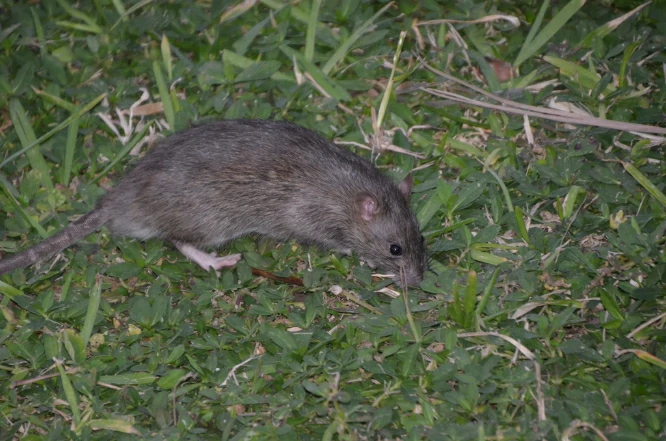
If you have both a rat problem and pets in your home, you’re probably worried about keeping your cat or dog safe while you deal with the rodents.
Electronic rat traps are becoming more popular because they’re effective and more humane than some other options.
But are they safe to use around your pets? Can an electronic rat trap kill a cat?
An electronic rat trap is very unlikely to kill a cat, but it could potentially give your cat a painful and dangerous electric shock. Cats are much larger than rats, and most electronic traps are designed with openings too small for cats to fit inside. However, if a cat sticks its paw inside the trap, it could get shocked.
The risk depends a lot on the specific trap design, where you place it, and how curious your cat is. While death is unlikely, the possibility of injury is real enough that you need to be careful about using electronic traps when you have cats in the house.
How Electronic Rat Traps Work
Electronic rat traps use batteries or plug into a wall outlet to create a high-voltage electric charge. When a rat enters the trap and steps on metal plates inside, it completes an electrical circuit. This sends a powerful shock through the rat’s body that kills it almost instantly.

The shock is designed to be lethal to small animals like rats and mice. Most electronic traps deliver around 8,000 volts for several seconds. This is enough to stop a rat’s heart and kill it in about 3 to 10 seconds.
The trap usually has a chamber or tunnel that the rat enters to get to the bait. Once inside, the rat can’t see the metal plates because they’re hidden under a cover or grate. The rat steps on them without knowing what’s about to happen.
After the rat is electrocuted, the trap usually has an indicator light that lets you know something’s been caught. You can then open the trap, dump out the dead rat without touching it, and reset the trap.
Size Difference Between Cats and Rats
The average house cat weighs between 8 and 10 pounds, though some cats are bigger or smaller. Compare that to a rat, which typically weighs between 5 and 16 ounces. That means a cat weighs about 8 to 20 times more than a rat.

This size difference is important because the amount of electricity needed to kill a rat might not be enough to kill a cat. The shock is still dangerous and can cause serious harm, but a cat’s larger body mass means the electrical current is distributed over more tissue.

Think of it like this: if you shock a small pool of water versus a large pool with the same electrical charge, the small pool gets more concentrated electricity. The same principle applies to body size and electric shocks.
That said, electricity is unpredictable, and even a non-lethal shock can cause serious problems. Just because a cat probably won’t die doesn’t mean the shock won’t hurt it or cause lasting damage.
Entry Openings Are Usually Too Small for Cats
Most electronic rat traps are designed with tunnels or chambers that are just big enough for rats to enter. The opening is typically around 2 to 3 inches wide and tall.
This is plenty of space for even large rats, but it’s too small for most adult cats to fit their whole body through.

Cats are flexible, but they can’t compress their bodies as much as rats can. A rat can squeeze through a hole about the size of a quarter if it’s determined enough. Cats need much larger openings.
So in most cases, even if your cat finds an electronic trap, it can’t actually get inside the killing chamber. This provides a built-in safety feature that protects cats from the worst-case scenario.
However, this doesn’t mean your cat is completely safe. Cats are curious and might try to investigate the trap by pawing at it, which creates other risks.
The Risk of Paw Insertion
Even though a cat can’t fit its whole body into most electronic rat traps, it might be able to stick its paw inside. Cats use their paws to explore things, and if your cat smells the bait inside the trap, it might reach in to try to get it.
If the cat’s paw touches the metal plates inside, it will get shocked. The shock travels through the paw and into the cat’s body. This is painful and potentially dangerous, even if it’s not lethal.
A shock to the paw could cause burns on the paw pad, muscle spasms, or even affect the cat’s heart rhythm. In rare cases, an electrical shock can trigger cardiac arrest even in larger animals, though this is more likely if the animal has an existing heart condition.
The cat will almost certainly pull its paw back immediately when shocked, but the damage might already be done. You might not even realize your cat was shocked unless you happen to be watching or your cat shows obvious signs of distress afterward.
Curious Cats Are at Higher Risk
Some cats are naturally more curious than others. Young cats and kittens especially like to investigate new objects in their environment. If you suddenly put an electronic rat trap in your house, your cat might be very interested in checking it out.
Cats are also attracted to the same things that attract rats, like food smells. If you’re using bait in your electronic trap, your cat might smell it and want to investigate. Peanut butter, which is common rat bait, is something many cats find interesting.

If you have a particularly nosy or food-motivated cat, the risk of it messing with the trap is higher. You can’t always predict which cats will ignore the trap and which ones will try to stick their paw in it.
On the other hand, some cats are naturally cautious about new objects and might avoid the trap entirely. If your cat is older and tends to ignore new things, the risk might be lower.
Symptoms If a Cat Gets Shocked
If your cat does get shocked by an electronic rat trap, you might notice several symptoms. The most obvious is that your cat will probably yelp or cry out in pain. Cats aren’t usually very vocal about pain, so if you hear your cat make sudden distressed sounds, it’s worth checking on them.
You might see burns on the paw pads if you look closely. These can range from redness and irritation to actual charred or blistered skin in severe cases. The cat might limp or refuse to put weight on the affected paw.
More serious symptoms could include difficulty breathing, irregular heartbeat, weakness, or collapse. These would indicate that the shock affected more than just the paw and might have disrupted the cat’s heart or nervous system.
If your cat seems disoriented, won’t move, or is breathing abnormally after potentially getting shocked, you need to get to a veterinarian immediately. Electrical injuries can cause delayed problems even if the cat seems okay at first.
Where You Place Traps Matters Enormously
The safest way to use electronic rat traps when you have cats is to place them in areas your cat can’t access. This might mean putting traps inside cabinets that close, in the attic or crawl space where your cat doesn’t go, or behind appliances in spaces too tight for a cat to reach.

You could also put the trap inside a protective box with an entrance hole only big enough for rats. This creates a barrier between your cat and the trap. Just make sure the box is sturdy enough that your cat can’t knock it over or break into it.
Never put electronic traps in areas where your cat regularly spends time, like near their food bowls, litter box, or favorite sleeping spots. Keep them away from areas where your cat plays or explores.
If you can’t find placement options that completely exclude your cat, electronic traps might not be the right choice for your situation. Other trap types might be safer for homes with curious cats.
Can Dogs Also Be at Risk?
Everything that applies to cats generally applies to dogs too, with some differences. Large dogs definitely won’t fit inside electronic rat traps, but small dogs might be able to get their snouts in.
Dogs are often even more food-motivated than cats and might be more likely to try to get bait out of a trap. A dog sticking its nose into an electronic rat trap could get a shock to the face, which would be painful and potentially dangerous.
Small breed dogs like Chihuahuas or toy poodles are closer in size to large rats, which means the electrical charge would be more dangerous to them than to a bigger dog or cat. The smaller the animal, the more concentrated the electrical shock becomes in their body.
If you have small dogs, you need to be just as careful with electronic trap placement as you would with cats.
Other Pet Safety Concerns
It’s not just cats and dogs you need to worry about. If you have pet rabbits, ferrets, guinea pigs, or other small animals that are allowed to roam your house, they’re at much higher risk from electronic rat traps.

These animals are similar in size to rats, which means the trap could actually kill them if they entered it. A pet ferret especially might be very interested in investigating a tunnel-like rat trap.
Even pet birds could potentially be at risk if they fly low and land near a trap. Though this is less likely, it’s worth considering if you have birds that aren’t always in their cage.
The safest approach is to keep all pets away from areas where you’ve placed electronic rat traps.
Are Electronic Traps Safer Than Other Types?
Compared to some other rat control methods, electronic traps have both advantages and disadvantages when it comes to pet safety.
Snap traps can injure a cat’s paw if the cat steps on one or paws at it. The snap bar could break small bones in the cat’s paw.
Glue traps are even worse. A cat that steps on a glue trap will get stuck, which causes panic and can result in injury as the cat thrashes around trying to escape. Getting glue off a cat’s fur and paws is difficult and stressful for everyone involved.
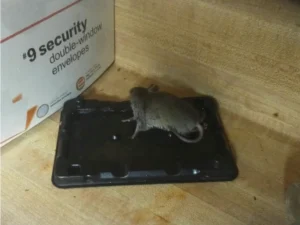
Poison baits are probably the most dangerous option when you have pets. If your cat eats rat poison (either directly or by eating a poisoned rat), it could die. Poison doesn’t discriminate between rats and other animals.
In comparison, electronic traps at least have the advantage that most cats can’t fully enter them. The risk is lower than with poison, though still present.
What to Do If You Suspect Your Cat Was Shocked
If you think your cat might have gotten shocked by an electronic rat trap, first turn off or disconnect the trap immediately so there’s no risk of another shock. Then examine your cat carefully.
Check all four paws for signs of burns, swelling, or sensitivity. See if your cat is moving normally or favoring one leg. Watch their breathing to make sure it’s steady and regular.
If your cat seems fine and you don’t see any injuries, keep monitoring them for the next several hours. Sometimes symptoms of electrical injury don’t appear right away. Watch for lethargy, loss of appetite, or changes in behavior.
If you see any burns, if your cat is limping badly, or if your cat seems disoriented or unwell in any way, call your vet right away. Explain what happened and follow their advice. They might want to see your cat immediately to check for hidden injuries.
Preventing Access Is the Best Solution
The absolute safest way to use electronic rat traps when you have cats is to make sure your cat can never access them. This might mean only using them in parts of your house that your cat never goes to.
You could install a baby gate across the entrance to a room where you’ve placed traps, keeping your cat out while still allowing rats to get under or around the gate. Rats can squeeze through much smaller gaps than cats can.
Another option is to build or buy a protective enclosure for the trap. This could be a wooden box with a rat-sized hole in it, or you could use a specialized bait station that’s designed to keep larger animals out while allowing rats in.
Some people only run their electronic traps when they’re home and awake to supervise. They turn the traps off when they go to bed or leave the house. This reduces risk but also reduces effectiveness since rats are most active at night.
Alternatives If You’re Worried About Cat Safety
If you’re too concerned about your cat’s safety to use electronic traps, there are other options. Snap traps can work well and can be placed in locations your cat can’t reach, like inside the backs of kitchen cabinets.
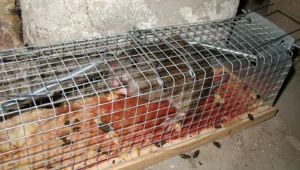
Live traps allow you to catch rats without killing them, and most live traps are enclosed boxes that cats are less likely to mess with. Once you catch a rat, you can release it far from your home (check local laws first).
You could also call a professional pest control service. They have experience dealing with rat problems in homes with pets and know how to use methods that minimize risk to your animals.
Some professionals use tracking powders or other techniques that don’t involve traps at all. These might be safer options if you have very curious cats.
Read Product Instructions Carefully
If you decide to use electronic rat traps, read all the instructions and safety warnings that come with the product. Some traps have specific safety features or design elements that make them safer around pets.
Follow all placement recommendations from the manufacturer. They’ve usually tested their products and know where they work best and where they’re most likely to cause problems with pets.
Don’t modify the trap or try to make it “better” by changing how it works. This could make it more dangerous to your cat or less effective at catching rats.
If the instructions say the trap isn’t safe for homes with pets, believe them. Look for a different product that specifically mentions being designed for use in homes with cats and dogs.
Conclusion
An electronic rat trap probably won’t kill your cat, mainly because cats are too big to fit inside most traps.
But it could definitely shock and injure your cat if it sticks a paw inside, and in rare cases, that shock could be very serious.
The key to using electronic traps safely in a home with cats is placement. Keep the traps in areas your cat can’t access, or use protective enclosures to prevent your cat from reaching them.
Never just put an electronic trap in the middle of your floor and hope your cat ignores it.
If you can’t find a way to keep your cat away from the traps, it might be better to use a different rat control method.
Your cat’s safety should be the priority, even when you’re dealing with a frustrating rat problem.

Hi, my name is Ezra Mushala, i have been interested animals all my life. I am the main author and editor here at snakeinformer.com.