
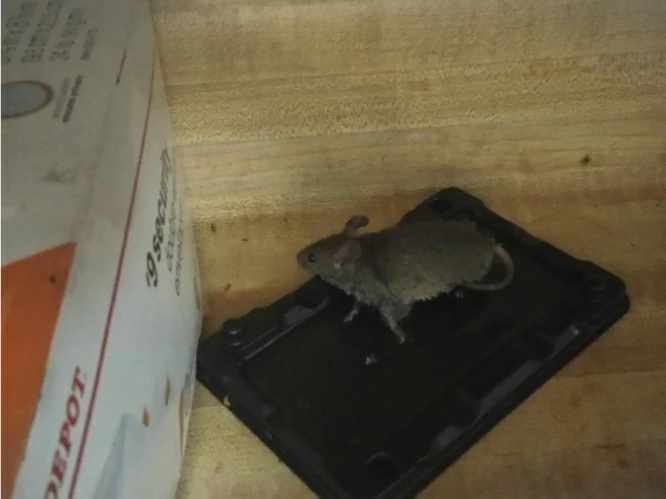
Glue traps are one of the most common tools people use when they’re trying to catch rats or mice in their homes. You’ve probably seen them in stores, small flat boards covered in what looks like sticky paper.
They seem simple enough to use, but you might be wondering exactly how they actually catch rats. How does a glue trap work?
A glue trap works by using an extremely sticky adhesive that traps any animal that steps on it. The rat gets stuck to the glue and can’t pull free, no matter how hard it struggles. The more the rat tries to escape, the more of its body gets stuck until it’s completely trapped and eventually dies from stress, exhaustion, or dehydration.
The glue is specially designed to stay sticky for weeks or months and won’t dry out or lose its grip. It’s a passive trap that doesn’t need any mechanism to work, just the unfortunate animal stepping on it.
The Science Behind the Adhesive
The glue on these traps isn’t like regular household glue. It’s a special adhesive that’s designed to be extremely tacky and resistant to moisture.
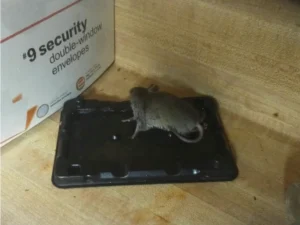
Most glue traps use a polybutene-based adhesive, which is a synthetic polymer that stays sticky almost indefinitely. This type of glue doesn’t harden or dry out like water-based glues.
The adhesive is spread in a thick layer over a flat board or piece of cardboard. When an animal steps on it, the glue immediately grabs onto fur or skin and doesn’t let go.
What Happens When a Rat Steps on the Trap?
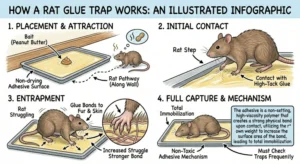
When a rat first steps on a glue trap, it usually doesn’t realize what’s happening right away. The first paw gets stuck, and when the rat tries to pull it free, another paw touches the glue.
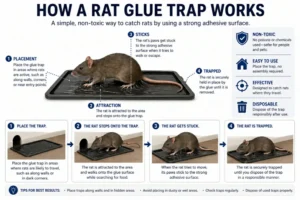
Within seconds, the rat is stuck in multiple places. As it struggles and twists, its belly, tail, and sometimes even its face get pressed into the adhesive.
The rat will fight to escape, but every movement just makes things worse. The glue grips tighter, and more body parts get stuck. Eventually, the rat becomes completely immobilized.
Why the Trap Is So Effective
Glue traps work because rats can’t resist the instinct to struggle when they’re caught. This natural panic response is exactly what makes the trap more effective.

Unlike snap traps that kill quickly, glue traps rely on the rat getting more and more stuck over time. There’s no way for the rat to outsmart the trap or figure out an escape.
The trap also works on rats of almost any size. Small mice and large rats both get caught the same way, which is why glue traps are popular for people who aren’t sure what size pest they’re dealing with.
How Long a Rat Survives on a Glue Trap
A rat stuck to a glue trap doesn’t die immediately. It can take anywhere from a few hours to several days, depending on the rat’s health and the conditions.
Death usually comes from a combination of exhaustion, stress, dehydration, and sometimes injury from struggling. The rat might also die from overheating if the trap is in a warm area, since struggling generates body heat.
This prolonged death is why many animal welfare groups and veterinarians say glue traps are inhumane. The rat suffers for a long time before dying.
Different Types of Glue Traps
The most basic glue trap is just a flat board with adhesive on top. You set it on the floor where you think rats are traveling, and that’s it.
Covered glue traps look like little tunnels or boxes with glue inside. Rats like tight spaces and will enter the tunnel, not realizing there’s glue on the floor until it’s too late.
Some glue traps come with added features like scented attractants to lure rats in, or special patterns in the glue that are supposed to make it even harder for the animal to escape.
Where People Usually Place Glue Traps
Glue traps work best when placed along walls where rats naturally travel. Rats don’t like crossing open spaces, so they run along edges where they feel more protected.
Common spots include behind appliances, under sinks, along baseboards, and in attics or basements where rats are active.
You should place the trap perpendicular to the wall so the rat runs across the glue as it travels. If you place it parallel to the wall, the rat might be able to jump over it or go around.
What Attracts Rats to Glue Traps?
Most glue traps don’t have built-in bait. They rely on being placed in areas where rats are already traveling. The rat steps on the trap by accident while going about its normal business.

Some people add bait to the center of the trap to make it more attractive. Peanut butter, bacon, or nuts can all work. But this is optional since the trap will still catch rats without bait.
Scented glue traps have attractants mixed into the adhesive that smell like food to rats. These can be more effective, but they also cost more.
Problems with Glue Traps
The biggest problem with glue traps is that they catch whatever steps on them, not just rats. Pets, birds, lizards, and even beneficial animals like snakes can get stuck.
A cat or small dog that walks across a glue trap will get stuck and panic. The glue is extremely difficult to remove from fur, and the animal will be terrified.
Non-target wildlife is also a concern. If you set a glue trap outside, you might catch harmless animals that you never intended to trap.
How to Remove Animals from Glue Traps
If you need to free an animal from a glue trap, vegetable oil or cooking spray works to break down the adhesive. Pour oil over the stuck areas and gently work the animal free.
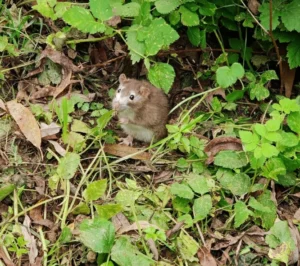
This takes time and patience, and you need to wear thick gloves because a trapped rat will bite if it gets the chance.
Most people who use glue traps don’t try to save caught rats. They just throw the whole trap away with the rat still stuck to it, letting the animal die in the trash.
The Disposal Problem
When you catch a rat on a glue trap, you’re left with a live, trapped animal that you have to deal with. Some people drown the trap in a bucket of water to kill the rat quickly.
Others just seal the trap in a plastic bag and throw it in the garbage. The rat dies slowly in the bag from suffocation, stress, or dehydration.
Both methods are pretty cruel, which is another reason why animal welfare groups discourage using glue traps. There’s no clean or humane way to finish the job once you’ve caught something.
Legal Issues with Glue Traps
Some countries and cities have banned or restricted glue traps because they’re considered inhumane. Before you use them, check whether they’re legal in your area.
Even where they’re legal, there are often regulations about how and where you can use them. Setting glue traps outside where they’ll catch wildlife is illegal in many places.
If you catch a protected species on a glue trap, even by accident, you could face fines or other penalties.
Alternatives to Glue Traps
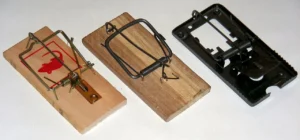
Snap traps are a more humane alternative because they kill almost instantly when set correctly. The rat doesn’t suffer for hours or days.
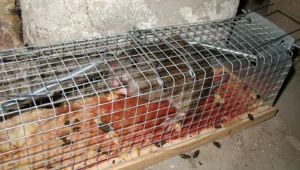
Live catch traps are another option. These are wire cages that trap the rat alive without injuring it. You can then release or euthanize the rat yourself.
Electronic traps kill with a strong electric shock that’s supposed to be instantaneous. These are more expensive but are considered more humane than glue traps.
Why Some People Still Use Glue Traps
Despite all the downsides, glue traps remain popular because they’re cheap, easy to use, and don’t require any setup or skill.
You don’t have to worry about setting them correctly like you do with snap traps. You just peel off the protective cover and put the trap down.
They also work in tight spaces where snap traps might not fit, and there’s no mechanism to malfunction or fail.
The Effectiveness Question
Glue traps do catch rats, there’s no question about that. But they might not be as effective as other methods for actually solving a rat problem.
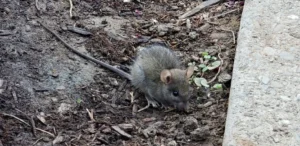
Rats are smart and can learn to avoid glue traps, especially if they see or smell another rat that got caught nearby. Dead rats leave a scent that warns other rats of danger.
For serious infestations, you’re better off using multiple methods including snap traps, exclusion (sealing entry points), and removing food sources.
How Temperature Affects Glue Traps
Extreme cold can make the glue less sticky, reducing the trap’s effectiveness. In freezing temperatures, the adhesive might not grab onto fur and skin as well.
Extreme heat can make the glue too soft and runny. In hot attics during summer, the glue might spread beyond the trap or lose some of its holding power.
The traps work best at normal room temperatures, between 60 and 80 degrees Fahrenheit. Outside of this range, you might have better luck with different trap types.
Duration and Shelf Life
An unused glue trap can last for years if it’s stored properly in its protective wrapper. The adhesive doesn’t dry out or lose stickiness over time.
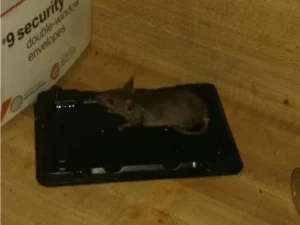
Once you open and set a trap, it’ll stay sticky for weeks or months. Dust and dirt will eventually reduce the stickiness, so traps should be replaced every few weeks even if they haven’t caught anything.
If a trap gets wet, the adhesive usually stops working properly. Keep glue traps in dry areas for best results.
The Smell Factor
Dead rats on glue traps start to smell after a day or two, especially in warm conditions. This smell is one of the worst things about using these traps.
If you don’t check your traps daily, you might not discover a caught rat until it’s been dead for a while and the smell has spread through your home.
This is another reason to check glue traps frequently. The longer a dead rat sits there, the worse your problem becomes in terms of odor and attracting other pests like flies.
Cost Comparison with Other Traps
Glue traps are usually the cheapest option upfront. You can buy a pack of several traps for just a few dollars.
But if you need to keep replacing them because they catch non-target animals or get dirty, the cost adds up. Snap traps can be reused indefinitely if you clean them.
Electronic traps cost more initially (sometimes $30 to $60) but can kill hundreds of rats over time. If you’ve got a serious rat problem, they might be more cost-effective in the long run.
Conclusion
A rat glue trap works by using an extremely sticky adhesive that immobilizes any animal that steps on it. The rat gets stuck and can’t escape, no matter how hard it struggles.
The more it fights, the more of its body gets trapped in the glue until it eventually dies from exhaustion, stress, or dehydration over a period of hours to days.
While glue traps are cheap and easy to use, they’re considered inhumane by many experts because they cause prolonged suffering. They also catch unintended animals like pets and wildlife, and they leave you with the unpleasant task of disposing of a live, trapped rat.
If you choose to use glue traps, check them frequently, place them carefully to avoid catching non-target animals, and be prepared for the ethical and practical challenges that come with this trapping method.

Hi, my name is Ezra Mushala, i have been interested animals all my life. I am the main author and editor here at snakeinformer.com.