

Paris is known for its beautiful architecture, world-class museums, and romantic atmosphere. But there’s another side to the City of Light that most tourists don’t see in the postcards.
If you’ve ever walked through Paris at night, especially near the Seine River or around popular tourist spots, you’ve probably seen them scurrying across the streets and sidewalks.
The rat population in Paris has become such a serious problem that it’s hard to ignore. So why are there so many rats in Paris?
Paris has an estimated 4 to 6 million rats (about 1.5 to 2 rats per person) because the city’s old sewer system, abundant food waste, mild climate, and dense urban layout create perfect living conditions for them. The city’s ongoing construction projects and Metro system also give rats endless places to hide and breed.
The rat problem in Paris isn’t new, but it’s gotten much worse over the past decade. You can now see rats in broad daylight in some of the city’s most famous areas, including near the Eiffel Tower and the Louvre.
City officials have tried different methods to control the population, but the rats keep coming back.
Paris Has One of the Oldest Sewer Systems in the World
Paris built its modern sewer system back in the 1800s, and while it was impressive for its time, it’s now outdated and full of problems. The network stretches for over 2,400 kilometers under the city, creating a massive underground maze that’s basically a rat paradise.
These old sewers have cracks, holes, and countless entry points that rats can use to move around the city without ever being seen. The tunnels stay dark, damp, and relatively warm all year round, which is exactly what rats need to survive and reproduce.
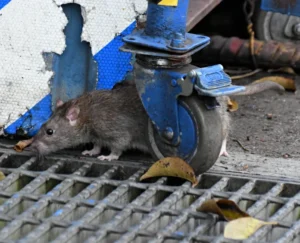
What makes it even worse is that the sewer system connects to almost every building in Paris. This means rats can travel from the sewers directly into basements, restaurants, and homes without having to spend much time above ground where they might be caught or killed.
The city has tried to modernize parts of the sewer system, but it’s an incredibly expensive and time-consuming job.
You can’t just shut down the sewers and rebuild them when millions of people depend on them every single day.
The Amount of Food Waste in Paris Is Staggering
Paris produces about 3,000 tons of household waste every single day, and a huge chunk of that is food. When you have that much food waste in a dense city, you’re basically setting up an all-you-can-eat buffet for rats.
The city’s waste collection system can’t always keep up with the amount of trash being produced. Garbage bags often sit on sidewalks for hours (or even overnight) before they’re picked up, giving rats plenty of time to tear them open and feast.

Restaurants and cafes make the problem even worse. Paris has thousands of places to eat, and many of them throw out food waste in bags that sit outside until morning. Rats have learned exactly when and where to find these easy meals.
Tourist areas are especially bad because visitors tend to drop food, leave half-eaten snacks on benches, and overfill public trash cans. Places like the Latin Quarter and areas around Notre-Dame see huge amounts of food waste every single day.
Even when trash is collected regularly, small amounts of food residue are left behind on sidewalks and streets. It doesn’t take much to feed a rat, they can survive on just an ounce of food per day.
Paris’s Climate Is Perfect for Rats Year-Round
Unlike cities with harsh winters that can kill off part of the rat population, Paris has relatively mild weather throughout the year. The average winter temperature rarely drops below freezing, which means rats can stay active and keep breeding even during the coldest months.
This mild climate means rats in Paris don’t have an “off season” where their population naturally decreases. They can reproduce all year long, with female rats having up to 12 litters per year, and each litter containing 6 to 12 babies.

The combination of mild winters and warm summers also means that food sources stay available year-round. Rats don’t have to worry about food scarcity during winter months like they would in colder cities.
Rain is actually helpful for rats too. Paris gets regular rainfall, which keeps the sewer system and underground areas moist. Rats need water to survive, and the constant moisture in Paris’s underground infrastructure gives them exactly what they need.
The Metro System Creates Underground Highways for Rats
The Paris Metro is one of the busiest subway systems in the world, with over 300 stations and 214 kilometers of track. But it’s not just people using this massive underground network, rats have turned it into their own personal highway system.
Metro tunnels stay warm from the heat generated by trains and the crowds of passengers. This warmth, combined with the shelter from weather and predators, makes Metro tunnels an ideal place for rats to live and travel.
Passengers drop food constantly in Metro stations. Crumbs, half-eaten sandwiches, spilled drinks, and discarded wrappers all add up to provide rats with regular meals throughout the day and night.
The Metro connects different parts of the city underground, which means rats can move from one neighborhood to another without ever being exposed to dangers above ground. They’ve basically created their own protected transportation network underneath the human one.
Metro workers have reported seeing rats the size of small cats in some stations. These rats have access to so much food and such safe living conditions that they grow much larger than rats in other environments.
Ongoing Construction Projects Disturb Rat Colonies
Paris is constantly under construction. Whether it’s new Metro lines, building renovations, or infrastructure updates, there’s always some kind of digging or demolition happening somewhere in the city.
When construction workers disturb rat colonies that have been living underground for years, the rats don’t just disappear. They scatter to other parts of the city, spreading the infestation to new areas that might not have had rat problems before.

Major projects like the Grand Paris Express (a massive expansion of the Metro system) have displaced thousands of rats from their underground homes. These rats have moved into surrounding neighborhoods, causing rat populations to spike in areas that were previously less affected.
Construction also creates new hiding spots and nesting areas. Piles of building materials, temporary structures, and excavated areas all give rats new places to live and breed while the work is ongoing.
Even after construction is finished, rats often find ways into the new buildings through small gaps in foundations, walls, or utility lines that weren’t properly sealed during the building process.
Dense Urban Layout Means Rats Are Never Far from Food or Shelter
Paris is one of the most densely populated cities in Europe, with about 20,000 people per square kilometer in the city center. This density means buildings are packed closely together, leaving very little open space.
The close proximity of buildings creates perfect conditions for rats to move from one structure to another. They can travel along connected basements, through shared walls, and across narrow alleyways without being exposed.
Every building in Paris potentially offers rats shelter. Old buildings (and Paris has plenty of them) often have cracks in foundations, gaps around pipes, and deteriorating walls that rats can squeeze through.
The layout of Parisian streets and alleys also works in the rats’ favor. Narrow passages between buildings stay dark and quiet, giving rats safe routes to travel during the day when they’d normally stay hidden.
Parks and green spaces in Paris, while beautiful for residents and tourists, also provide rats with additional shelter and food sources. Gardens, tree roots, and decorative plantings all create hiding spots where rats can nest safely.
Restaurant Culture Provides Constant Food Sources
Paris has over 40,000 restaurants, cafes, and food establishments. Each one of these businesses produces food waste daily, and not all of them handle their trash in ways that keep rats away.
Many restaurants store their trash in outdoor areas before collection, sometimes in containers that aren’t completely sealed. Rats have incredibly strong teeth and can chew through many types of plastic bags and even some trash bin materials.

Kitchen grease and oil often get poured down drains, coating sewer pipes and creating an additional food source for rats living underground. This practice is technically illegal, but it still happens regularly.
Outdoor dining areas, which are incredibly popular in Paris, create even more opportunities for rats to find food. Dropped crumbs, spilled drinks, and leftover food on outdoor tables and sidewalks all add up.
The restaurant industry’s 24-hour cycle means there’s always activity somewhere in the city. When late-night establishments close and put out their trash, it’s exactly when rats are most active and looking for food.
Public Spaces and Parks Offer Perfect Nesting Sites
Paris is full of beautiful parks and public gardens, but these green spaces also provide excellent nesting sites for rats. Areas like Luxembourg Gardens, Tuileries Garden, and Parc des Buttes-Chaumont all have rat problems.
The combination of vegetation, soil for burrowing, and nearby trash bins makes parks especially attractive to rats. They can nest in the bushes or underground during the day, then venture out at night to nearby streets and buildings for food.
Many parks have ponds or fountains, which give rats easy access to water. Combined with the food from park visitors and nearby restaurants, these areas have everything rats need to survive.
Park maintenance can actually help rats sometimes. When gardeners trim bushes or clear vegetation, they might disturb rat nests but not eliminate them completely. The rats just move a few meters away and rebuild.
Public squares and plazas with lots of seating areas also attract rats because people sit there to eat lunch or snacks, leaving behind crumbs and wrappers that rats collect after dark.
Tourism Brings More Food Waste Than the City Can Handle
Paris welcomes over 30 million tourists every year, and each visitor contributes to the city’s waste problem. Tourists eat out more often than locals, buy street food, and aren’t always careful about disposing of their trash properly.
Popular tourist areas like Montmartre, the Champs-Élysées, and around the Eiffel Tower see massive amounts of food waste daily. The concentration of restaurants, food stands, and cafes in these areas means rats have learned exactly where to go for easy meals.

Street food vendors and food trucks add to the problem too. While they’re convenient for tourists, they also create waste and food residue in areas that might not have regular trash collection.
Tourists often don’t know the local waste disposal rules, so they might leave trash in the wrong places or at the wrong times. This creates opportunities for rats to get to the garbage before it’s collected.
The seasonal nature of tourism means that waste levels spike during summer months, but the rat population doesn’t decrease in winter. The rats that thrive during busy tourist season stick around and continue breeding even when visitor numbers drop.
Limited Natural Predators in an Urban Environment
In natural settings, rats face threats from birds of prey, snakes, foxes, and other predators. But in a dense urban environment like Paris, most of these natural predators are absent.
The few cats in Paris can’t make a meaningful dent in the rat population. Modern rats in cities have grown quite large, and many cats won’t even attempt to hunt them. Plus, there just aren’t enough cats to control millions of rats.
Birds of prey like owls and hawks are rare in central Paris. The tall buildings and lack of suitable hunting perches mean these natural rat predators rarely visit the city center.
Even domestic dogs, which some people think might scare rats away, don’t have much impact. Rats in Paris have become so accustomed to human activity that they’re not particularly afraid of pets either.
Without natural predators, the only things controlling rat populations are disease, lack of food (which isn’t an issue in Paris), and human intervention through pest control.
Traditional Pest Control Methods Haven’t Been Effective Enough
Paris has tried various approaches to control its rat population, but the rats keep adapting and surviving. Poison programs can kill many rats, but they don’t eliminate breeding colonies or address the root causes of the infestation.
Rats breed so quickly that even when pest control programs kill thousands of them, the population can bounce back within months. A single pair of rats can theoretically produce thousands of descendants in just one year.

Some rats have developed resistance to common rodenticides (rat poisons). When the same poisons are used repeatedly in an area, the rats that survive pass on their resistance to their offspring.
The size and complexity of Paris’s underground infrastructure makes it nearly impossible to treat every area where rats live. You’d need to poison or trap rats in thousands of kilometers of sewers, Metro tunnels, and building basements simultaneously to make a real impact.
Public opposition to certain pest control methods also limits what the city can do. Some residents object to poison programs because they can harm other animals, while others don’t want traps in public areas where children or pets might encounter them.
Cultural Attitudes Have Shifted Over Time
Historically, Parisians were more tolerant of rats as just a normal part of city life. But as the population has grown and rats have become more visible in tourist areas, public pressure on city officials has increased.
Social media has made the rat problem more visible too. Videos and photos of rats scurrying through parks or Metro stations spread quickly online, creating negative publicity for the city.
Some residents have started organizing community clean-up efforts and reporting rat sightings to authorities, but individual efforts can’t solve a city-wide problem.
The city government has increased funding for rat control programs in recent years, but they’re fighting an uphill battle against the perfect conditions that allow rats to thrive.
Conclusion
Paris’s rat problem comes down to a perfect storm of factors that create ideal living conditions for these rodents. The city’s old infrastructure, massive amount of food waste, mild climate, and dense urban layout all work together to support a rat population that rivals the human population.
The Metro system and ongoing construction projects give rats protected highways and new territories to colonize. Tourist activity brings even more food waste, while the lack of natural predators means rats face few threats beyond human pest control efforts.
Until Paris can address the root causes (better waste management, infrastructure improvements, and more effective pest control), the rats will continue to thrive. I
t’s not just about killing rats, it’s about making the city less hospitable to them in the first place. But with millions of residents, decades-old infrastructure, and constant tourist activity, that’s easier said than done.

Hi, my name is Ezra Mushala, i have been interested animals all my life. I am the main author and editor here at snakeinformer.com.