
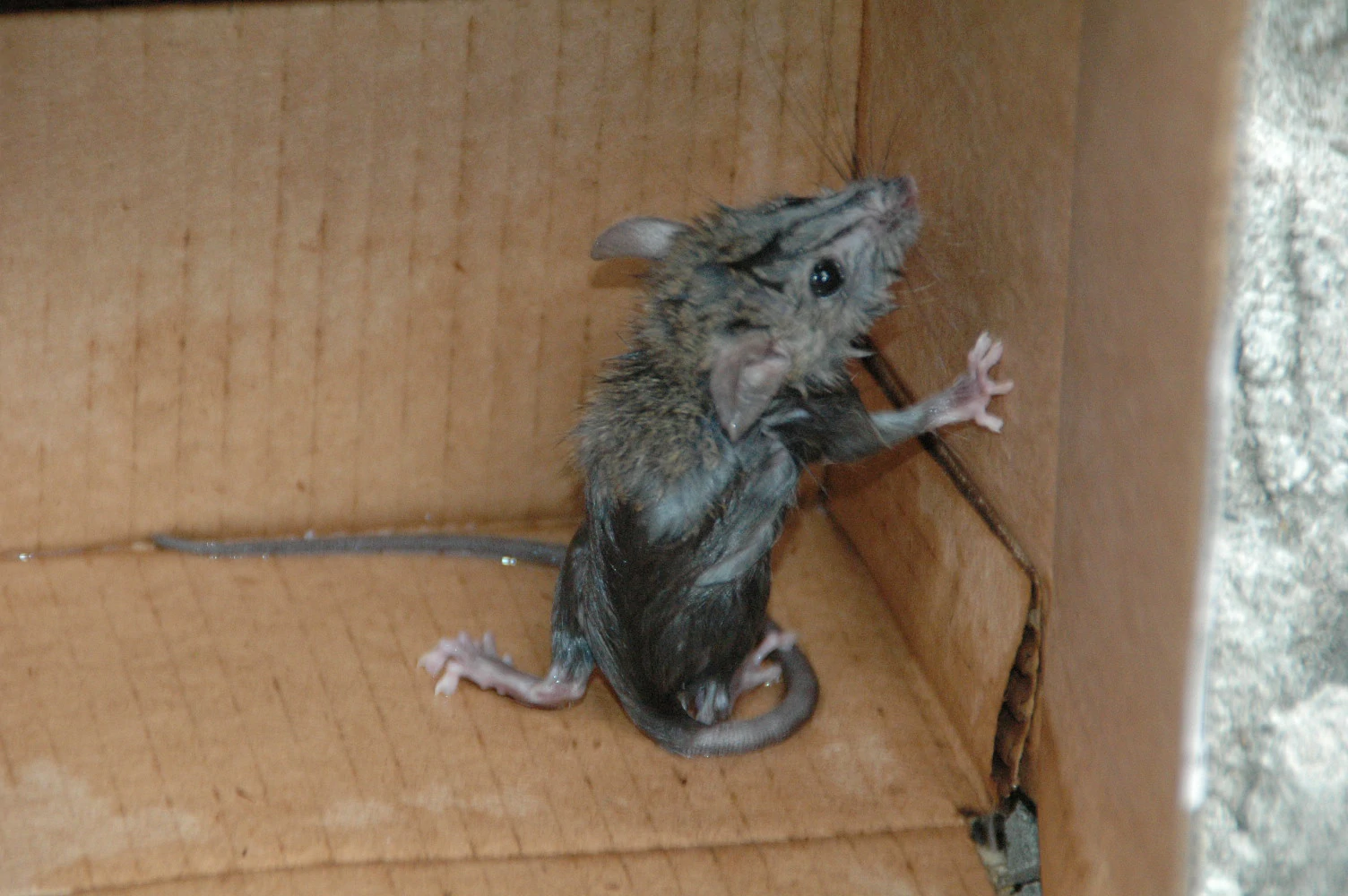
If you’ve ever owned a pet rat, you’ve probably noticed them sneezing, wheezing, or making rattling sounds when they breathe.
Respiratory infections are one of the most common health problems in rats, affecting both wild and pet rats throughout their lives. Why are rats prone to respiratory infections?
Rats are prone to respiratory infections because they naturally carry bacteria like Mycoplasma pulmonis in their respiratory systems from birth, their small airways get blocked easily by mucus and inflammation, and their breathing rate is much faster than larger animals (around 70-150 breaths per minute), which spreads infection quickly through their lungs.
These infections can range from mild sniffles to serious, life-threatening pneumonia. Understanding why rats are so vulnerable to these problems can help pet owners take better care of their rats and catch problems early before they become serious.
Mycoplasma: The Bacteria Almost All Rats Carry
The main reason rats get respiratory infections so easily is because nearly all rats are born with a bacteria called Mycoplasma pulmonis already living in their respiratory tract.
This bacteria is passed from mother to babies either during birth or shortly after through close contact.
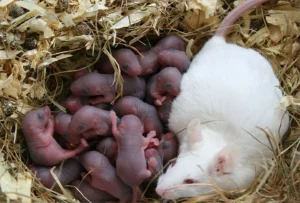
Mycoplasma is different from regular bacteria. It doesn’t have a cell wall like most bacteria do, which makes it harder for antibiotics to kill. It lives in the lining of the respiratory tract and lungs, where it causes chronic, low-level inflammation even when the rat seems healthy.
Most rats carry Mycoplasma their entire lives without showing obvious symptoms. But when the rat’s immune system gets weak (from stress, poor diet, old age, or other illnesses), the Mycoplasma multiplies and causes a full-blown respiratory infection.
This infection is called Chronic Respiratory Disease or CRD.
Once CRD develops, it can’t be completely cured because you can’t eliminate Mycoplasma from the rat’s body. The bacteria will always be there, waiting for the next opportunity to cause problems.
The best you can do is manage the symptoms and keep the infection under control with antibiotics and good care.
The inflammation caused by Mycoplasma damages the delicate tissues in the lungs and airways over time. This damage is permanent and gets worse with each infection.
Eventually, the scarring and damage can become so severe that the rat struggles to breathe even without an active infection.
Their Tiny Airways Get Blocked Easily
Rats have very small airways compared to larger animals, and these narrow passages get blocked easily when there’s any inflammation or mucus buildup. Even a small amount of swelling can significantly reduce airflow and make breathing difficult.
When a rat gets a respiratory infection, the lining of the airways swells up and produces excess mucus, just like when humans get a cold.
But because rat airways are so tiny, this mucus and swelling causes much bigger problems. It’s like trying to breathe through a coffee stirrer instead of a straw.
The mucus traps bacteria and creates a perfect environment for infection to spread. The rat’s body tries to cough up this mucus, which is why you’ll hear rats making clicking, rattling, or wheezing sounds.
But because their airways are so small, it’s hard for them to clear out all the mucus effectively.
This problem gets worse with age. As rats get older and have more respiratory infections throughout their lives, their airways become scarred and damaged.
The scar tissue makes the airways even narrower, so each new infection is harder to recover from than the last one.
Young rats can bounce back from respiratory infections pretty well if treated quickly. But older rats who’ve had multiple infections throughout their lives often develop chronic breathing problems that never fully go away.
Their lungs just can’t function as well anymore because of all the accumulated damage.
Rats Breathe Much Faster Than Larger Animals
Rats have an incredibly fast breathing rate compared to humans and other larger animals. A healthy rat takes about 70 to 150 breaths per minute when resting.
When they’re active or stressed, this can increase to over 200 breaths per minute. Compare this to humans, who breathe about 12 to 20 times per minute at rest.
This rapid breathing rate means rats move air through their lungs very quickly. While this is normal for small animals with fast metabolisms, it also means infections can spread through their respiratory system much faster than in larger animals.

When bacteria or irritants get into a rat’s lungs, they’re quickly distributed throughout the entire respiratory tract because of how fast the rat is breathing.
An infection that might take days to spread in a larger animal can spread throughout a rat’s lungs in just hours.
The fast breathing also means rats are constantly exposed to whatever’s in their environment. If the air is dusty, has strong odors, or contains irritants like ammonia from dirty bedding, the rat’s lungs are getting hit with these irritants over and over, many times per minute.
This constant exposure wears down the respiratory system’s defenses.
Ammonia is particularly bad for rats. When rat urine breaks down (especially if bedding isn’t changed often enough), it releases ammonia gas.
This gas irritates and damages the delicate lung tissue, making it easier for Mycoplasma and other bacteria to cause infection. Because rats breathe so fast, even low levels of ammonia can cause serious damage over time.
Their Immune Systems Have Weak Spots
Rats have pretty good immune systems overall, but they have some specific weaknesses when it comes to fighting respiratory infections.
Their immune response in the lungs isn’t as strong as in other parts of their body, which gives bacteria like Mycoplasma an advantage.
The respiratory tract is supposed to have several defense mechanisms. There are tiny hair-like structures called cilia that beat back and forth to move mucus and trapped particles out of the lungs.
There are also immune cells that patrol the airways looking for invaders. But in rats, these defenses don’t work as well as they should.
Mycoplasma has evolved specifically to avoid the rat’s immune system. It can hide inside cells where immune cells have a harder time reaching it.
It also changes its surface proteins to disguise itself, making it harder for the immune system to recognize and attack it.
Stress is a huge factor in respiratory infections for rats. When a rat is stressed (from being alone, living in a dirty cage, sudden temperature changes, or other factors), stress hormones suppress the immune system. This gives Mycoplasma the opening it needs to multiply and cause an active infection.
Poor nutrition also weakens the immune system. Rats need a balanced diet with enough protein, vitamins, and minerals to keep their immune system working properly.
A diet that’s too high in fat and sugar or too low in nutrients makes rats more susceptible to infections of all kinds, especially respiratory ones.
Secondary Infections Make Things Worse
Once Mycoplasma causes initial damage and inflammation in the respiratory tract, other bacteria can move in and cause secondary infections.
The most common secondary invaders include Streptococcus pneumoniae, Corynebacterium kutscheri, and Pasteurella pneumotropica.

These secondary bacteria can turn a mild respiratory infection into severe pneumonia. They take advantage of the damage that Mycoplasma already caused and the weakened immune defenses in the lungs. This is when rats can become seriously ill very quickly.
Mixed infections (where multiple types of bacteria are present at once) are harder to treat than infections caused by just one type of bacteria.
Different bacteria respond to different antibiotics, so finding the right treatment can be complicated. Sometimes vets have to try several different antibiotics before finding one that works.
Viral infections can also make respiratory problems worse in rats. While viruses don’t directly cause most rat respiratory infections, they can weaken the immune system and damage the respiratory tract, making it easier for bacteria to take hold.
Sendai virus and rat coronavirus are two common viral infections in rats that can lead to secondary bacterial infections.
The combination of chronic Mycoplasma infection, secondary bacterial invaders, possible viral infections, and the ongoing damage from ammonia exposure creates a perfect storm for respiratory disease. T
his is why so many rats end up with chronic breathing problems despite the owner’s best efforts.
Environmental Factors Play a Big Role
The environment where a rat lives has a huge impact on whether they develop respiratory infections. Dusty bedding is one of the biggest culprits.
Cedar and pine shavings are particularly bad because they release aromatic oils (phenols) that irritate the respiratory tract and can actually damage lung tissue.
Paper-based bedding, aspen shavings, or fleece liners are much better choices because they produce less dust and don’t have harmful oils.
But even these need to be kept clean because ammonia buildup from urine is just as bad as dusty bedding.
Rats should never be kept in aquariums or poorly ventilated containers. They need good air circulation to prevent ammonia buildup and to make sure they’re breathing fresh air.
But the air also shouldn’t be drafty or too cold, as temperature extremes stress the respiratory system.
Cigarette smoke, air fresheners, scented candles, cleaning products, and perfumes are all terrible for rat respiratory health.
Remember, rats are breathing 70 to 150 times per minute, so they’re getting a much higher dose of these irritants than humans.
What seems like a light scent to you could be overwhelming and damaging to a rat’s lungs.
Humidity also matters. Air that’s too dry can irritate the respiratory tract and make mucus thicker and harder to clear.
Air that’s too humid can promote bacterial and mold growth. The ideal humidity for rats is between 40% and 70%, similar to what’s comfortable for humans.
Why Pet Rats Suffer More Than Wild Rats
You might think wild rats would have more respiratory problems because they live in sewers and other dirty places, but actually, pet rats often suffer more from respiratory disease. This seems backward, but there are good reasons for it.
First, pet rats have been selectively bred for temperament and appearance, not for disease resistance.
Wild rats have gone through natural selection where only the healthiest, strongest individuals survive long enough to breed. This means wild rat populations maintain stronger immune systems and better overall health.
Second, wild rats don’t live very long. Most wild rats only live about a year or two. They often die from predators, starvation, or other causes before chronic respiratory disease has time to become severe.
Pet rats can live 2 to 3 years or more with good care, which gives respiratory infections more time to cause cumulative damage.
Third, the environments where pet rats live can actually be worse for respiratory health than you’d think. Wild rats spend most of their time outdoors with plenty of fresh air and space.
Pet rats are often kept in smaller cages with limited ventilation, where ammonia can build up quickly if the cage isn’t cleaned often enough.
Finally, stress affects respiratory health, and captivity can be stressful if not done right. Rats need social interaction (they should be kept in pairs or groups), mental stimulation, and enough space to be active
. Rats kept alone or in boring, cramped conditions are more stressed, which weakens their immune systems and makes respiratory infections more likely.
The Genetic Component
Some rat breeds and lines are more prone to respiratory infections than others. Fancy rats (the domesticated rats kept as pets) have been bred in closed populations for many generations.
This breeding has reduced genetic diversity and concentrated certain health problems, including respiratory disease.
Certain coat colors and patterns are associated with higher rates of respiratory infections. For example, rats with the “dumbo” ear mutation (where the ears are set lower and rounder) seem to have slightly higher rates of ear infections, which can spread to the respiratory system.
This might be due to the anatomy changes that come with the dumbo mutation.
Some breeding lines are known for producing rats with better respiratory health, while others consistently produce rats with more problems.
Responsible breeders try to select for healthier lines, but because almost all rats carry Mycoplasma from birth, it’s impossible to completely breed out the tendency for respiratory infections.
The fact that Mycoplasma is passed from mother to babies means even well-bred rats from healthy parents will still carry the bacteria.
The difference is that rats from healthier lines might have stronger immune systems or lung structures that are less easily damaged, giving them a better chance of staying healthy longer.
There’s also individual variation. Even within the same litter from the same parents, some rats will be more prone to respiratory problems than others
. This suggests there are genetic factors we don’t fully understand yet that affect respiratory health.
Early Signs and Why They Matter
Recognizing the early signs of respiratory infection in rats is really important because treatment works much better when started early.
The first signs are often very subtle. You might hear occasional sneezing or notice the rat making soft clicking sounds when breathing.
As the infection progresses, you’ll hear more obvious wheezing or rattling sounds, especially when the rat is resting.

The rat might breathe faster or with more effort, and you might see their sides moving more dramatically with each breath. They might also start sitting hunched up with their fur puffed out.
More advanced infections cause discharge from the nose and eyes. This discharge is often reddish-brown, which looks like blood but is actually a pigment called porphyrin that rats produce when stressed or sick. Rats might also lose their appetite, become less active, and lose weight.
By the time a rat is showing obvious signs of struggling to breathe (gasping, breathing with their mouth open, or breathing so hard their whole body moves), the infection is very advanced and potentially life-threatening.
This is an emergency that needs immediate veterinary care.
The problem is that rats are prey animals, so they hide signs of illness for as long as possible. In the wild, looking sick makes you a target for predators.
By the time a rat shows clear signs they’re sick, they’ve probably been fighting that infection for a while already. This is why regular health checks and paying attention to subtle changes are so important.
Conclusion
Rats are prone to respiratory infections because they’re born carrying Mycoplasma bacteria in their respiratory systems, their tiny airways get blocked easily by inflammation and mucus, and their rapid breathing rate (70-150 breaths per minute) spreads infections quickly through their lungs.
These factors combine with environmental irritants, stress, and genetic weaknesses to make respiratory disease the number one health problem in pet rats.
Understanding these vulnerabilities helps rat owners create better environments and catch problems early.
While you can’t completely prevent respiratory infections in rats, you can reduce their frequency and severity through good cage hygiene, proper bedding choices, stress reduction, and quick treatment when symptoms appear.
With proper care and prompt veterinary attention when needed, many rats can live happy lives despite their predisposition to respiratory problems.
The key is accepting that respiratory issues are part of owning rats and being prepared to manage them throughout your rat’s life.

Hi, my name is Ezra Mushala, i have been interested animals all my life. I am the main author and editor here at snakeinformer.com.