
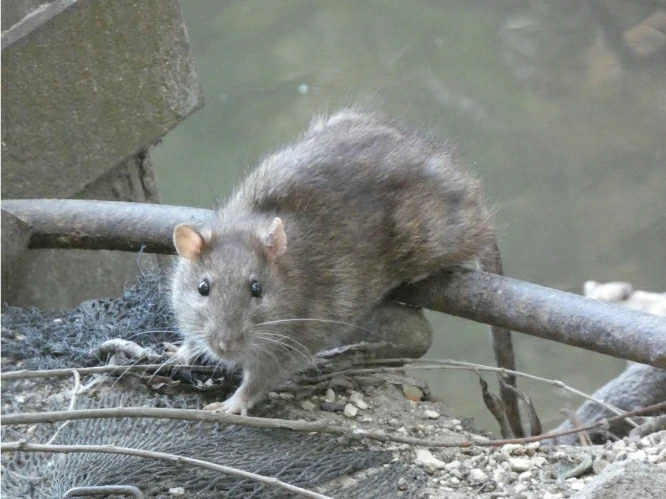
Rats are often seen as pests in most parts of the world, but in India, thousands of rats are treated as sacred animals and worshipped in a famous temple.
Devotees travel from all over the country to visit these rats, offer them food, and even drink from the same bowls. Why are rats worshipped in India?
Rats are worshipped in India, particularly at the Karni Mata Temple in Rajasthan, because they’re believed to be reincarnations of the goddess Karni Mata’s family members and devotees. The temple houses over 25,000 rats that are considered sacred and are fed, protected, and revered by thousands of pilgrims each year.
The worship of rats in India isn’t just a random tradition. It’s deeply rooted in Hindu mythology and the story of Karni Mata, a 14th-century mystic who’s considered an incarnation of the goddess Durga.
When her son drowned, she asked Yama, the god of death, to bring him back, and he agreed on the condition that all her male descendants would be reincarnated as rats.
The Legend Behind the Karni Mata Temple
The story of why rats became sacred starts with Karni Mata herself. She was a female Hindu sage who lived in the 15th century and was believed to have miraculous powers.
According to legend, when her youngest son (or in some versions, her nephew) drowned in a pond, she was devastated.
Karni Mata pleaded with Yama, the Hindu god of death, to bring the boy back to life. Yama initially refused because he’d already reincarnated the boy’s soul into another body. But Karni Mata was persistent and eventually struck a deal with him.
The deal was this: all of Karni Mata’s male family members and devotees would be reincarnated as rats and live in her temple until they could be reborn again as humans in her clan.
This way, they’d never fall into Yama’s hands, and their souls would remain protected under her care. The rats living in the temple today are believed to be these reincarnated souls.
The temple itself was built in the early 1900s by Maharaja Ganga Singh of Bikaner. It’s located in the small town of Deshnoke, about 30 kilometers from Bikaner in Rajasthan. The entire structure is made of marble and features beautiful silver gates and doors that were donated by devotees over the years.
What Happens at the Karni Mata Temple
When you visit the Karni Mata Temple, you’ll see thousands of rats running freely throughout the complex. They’re not kept in cages or confined spaces. Instead, they roam around the marble floors, climb the walls, eat from large metal bowls filled with sweets and milk, and even crawl over visitors’ feet.
Devotees bring offerings of food for the rats, including milk, coconut, sweets, and grains. The rats are called “kabbas,” which means “little children” in the local language.
Seeing a white rat at the temple is considered extremely lucky and auspicious because there are only a few white rats among the thousands of brown ones.
Many pilgrims consider it a blessing if a rat runs over their feet or if they can eat food that a rat has already nibbled on.
This might sound shocking to outsiders, but for devotees, it’s a way of receiving blessings from Karni Mata herself. Some people even drink from the same bowls of milk that the rats drink from.
The temple has strict rules to protect the rats. If someone accidentally kills a rat, they must replace it with a solid gold or silver rat statue. The rats are so well cared for that they actually live longer than wild rats and are healthier too.
Why People Travel to See These Rats
Thousands of devotees visit the Karni Mata Temple every year, especially during special festivals. The biggest festival is the Karni Mata Fair, held twice a year in March-April and September-October. During these times, the temple sees huge crowds of people who come to seek blessings.
People visit for different reasons. Some come because they believe Karni Mata can grant wishes, especially related to fertility and childbirth.
Others come to pray for success in business or to solve family problems. Many people visit simply because it’s part of their family tradition, passed down through generations.
The temple is particularly popular among the Charan community (also called Charans), which is the community Karni Mata belonged to. Members of this community see the temple visit as a pilgrimage they should make at least once in their lifetime. But the temple welcomes everyone, regardless of their background or religion.
Interestingly, even tourists who don’t follow Hinduism visit the temple out of curiosity. It’s become one of Rajasthan’s unique attractions, though visitors must follow the temple rules. Everyone has to remove their shoes before entering, and you’re expected to be respectful toward the rats.
The Cultural Significance of Rat Worship
The worship of rats at Karni Mata Temple shows how Hinduism can turn what most cultures see as pests into sacred beings. In Hindu philosophy, all living creatures have souls and deserve respect. The idea that these rats are reincarnated humans makes them worthy of worship and protection.
This practice also reflects the Hindu belief in reincarnation and the cycle of birth, death, and rebirth. The rats aren’t just random animals. They’re seen as ancestors and family members waiting to be reborn as humans again. Taking care of them is like taking care of your own relatives.
The temple has also become a symbol of how faith can create compassion for all living things. While most of the world tries to get rid of rats, the people at this temple feed them, protect them, and make sure they’re safe. It’s a complete reversal of how rats are normally treated.
Beyond religion, the temple has become an important part of local culture and economy. The temple employs local people to take care of the rats and maintain the building. It also brings in tourism money that supports the small town of Deshnoke.
How the Temple Maintains Thousands of Rats
Taking care of 25,000 rats isn’t easy. The temple has a full-time staff dedicated to feeding the rats and keeping the temple clean. The rats are fed multiple times a day with donations from devotees. The food includes milk, grains, sweets, and coconut.
The temple has special kitchens where food is prepared specifically for the rats. Large metal bowls are placed throughout the temple complex, and the rats can eat whenever they want. Fresh water is also provided in several locations.
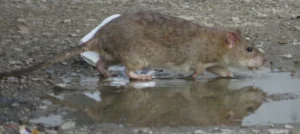
Despite having thousands of rats in one place, the temple doesn’t have major disease problems. The rats are generally healthy because they’re well-fed and the temple is cleaned regularly. The marble floors are washed daily, and leftover food is removed to prevent it from rotting.
The temple also has protective measures to keep the rats safe from outside predators. Wire mesh covers are placed over certain areas to prevent eagles and other birds from swooping in and grabbing rats. The temple gates are designed to let rats move freely while keeping larger animals out.
Veterinary care is available if rats get sick or injured. The temple staff monitors the rat population and makes sure they’re thriving. It’s probably the only place in the world where rats receive this level of care and attention.
Are There Other Places in India Where Rats Are Sacred
While the Karni Mata Temple is the most famous place where rats are worshipped, it’s not the only location. There are a few smaller temples in Rajasthan and Gujarat that also house sacred rats, though none are as large or well-known as Karni Mata.
In some parts of India, rats are associated with Lord Ganesha, the elephant-headed god. Ganesha’s vehicle (called a “vahana” in Hinduism) is a mouse or rat named Mushika. Because of this connection, some people show respect to rats, though they don’t worship them to the same extent as at Karni Mata Temple.
The rat as Ganesha’s vehicle has symbolic meaning. It represents how even small, humble creatures can serve great purposes when devoted to a higher power. The image of the massive Ganesha riding a tiny mouse also symbolizes the ability to overcome obstacles, no matter how big or small.
However, it’s important to note that most Indians don’t worship rats in their daily lives. The Karni Mata Temple is unique and represents a specific regional tradition. In most Indian cities and villages, rats are still considered pests and are controlled just like anywhere else in the world.
What Visitors Should Know Before Going
If you’re planning to visit the Karni Mata Temple, there are some things you should know. First, you must remove your shoes before entering, as it’s considered disrespectful to wear them inside.
The marble floors can get dirty from the rats, so you’ll be walking barefoot on surfaces where thousands of rats have been.
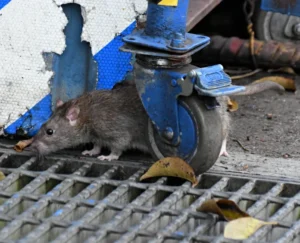
Some people bring socks to wear inside, but even this isn’t guaranteed to keep your feet completely clean. You’ll need to wash your feet thoroughly after your visit. The temple provides water taps outside for this purpose.
Photography is allowed, but you should be respectful. Don’t chase or disturb the rats for a photo. Let them move naturally, and if one comes near you, you can take a picture. Flash photography might startle the rats, so it’s better to use natural light.
The temple is open from early morning until about 10 PM. The best time to visit is early morning or late evening when it’s less crowded and cooler. Rajasthan can get extremely hot during summer, and the marble floors get very warm under the sun.
If you’re squeamish about rats, this might not be the place for you. The rats will run over your feet, climb near you, and be all around you. But according to devotees, you shouldn’t be afraid because these aren’t ordinary rats. They’re blessed souls under the protection of Karni Mata.
The Rats’ Role in Hindu Philosophy
The sacred rats of Karni Mata Temple represent several important concepts in Hindu philosophy. First, they show the belief that the divine exists in all living creatures, not just in humans or traditional gods. Every rat in the temple is seen as carrying a soul that deserves respect and care.
Second, the rats demonstrate the concept of “ahimsa,” which means non-violence toward all living beings. By protecting and feeding these rats, devotees practice compassion and kindness. This extends beyond just the temple; it influences how people think about their relationship with all animals.
Third, the rats symbolize humility. In most cultures, rats are at the bottom of the social ladder. By worshipping them, the temple challenges ideas about what deserves respect and reverence. It teaches that greatness can come in the smallest, most unexpected forms.
Finally, the rats represent faith itself. To an outsider, worshipping rats might seem strange or even unhygienic. But to a devotee, it’s about seeing beyond the physical form and recognizing the sacred. It’s about trusting in the legend of Karni Mata and believing that these rats are under her divine protection.
Conclusion
Rats are worshipped in India because of a powerful legend involving Karni Mata, a 15th-century sage who made a deal with the god of death to protect her family and devotees by having them reincarnated as rats.
Today, the Karni Mata Temple in Rajasthan houses over 25,000 sacred rats that are fed, protected, and revered by thousands of pilgrims each year.
This unique practice shows how faith can completely transform how we see the world around us. What most people consider pests become sacred beings worthy of worship and care.
The temple stands as a living example of Hindu beliefs about reincarnation, compassion, and the divine nature of all living things.
Whether you visit as a devoted pilgrim or a curious tourist, the Karni Mata Temple offers a perspective that challenges common assumptions. It reminds us that every culture has its own way of finding meaning and connection with the world, even in the most unexpected places.

Hi, my name is Ezra Mushala, i have been interested animals all my life. I am the main author and editor here at snakeinformer.com.