
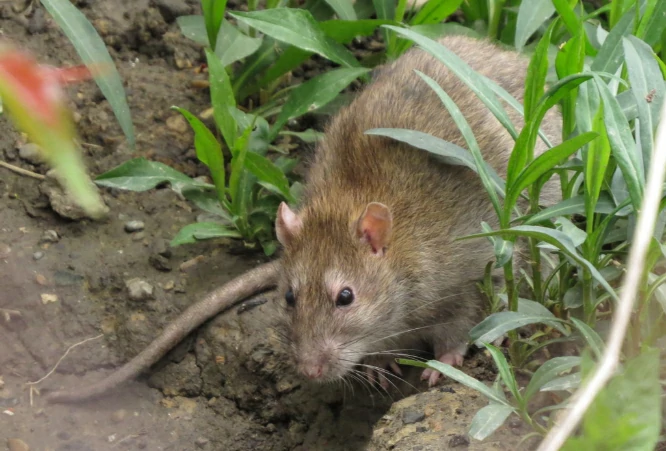
Rats have one of the worst reputations in the animal kingdom. Most people react with disgust or fear when they see a rat, and the word “rat” itself is used as an insult.
But if you look at rats objectively, they’re actually interesting, intelligent creatures that play important roles in their ecosystems. Many of the things people believe about rats are either exaggerated or completely wrong. So why are rats misunderstood?
Rats are misunderstood because centuries of cultural fear and misinformation have created a distorted image that doesn’t match reality. People blame rats for spreading the Black Death when it was actually fleas, assume all rats are dirty when pet rats are very clean animals, think rats are aggressive when they’re usually afraid of humans, and believe they’re mindless pests when they’re actually highly intelligent and social creatures. Popular culture, historical myths, and our natural fear of unfamiliar animals have combined to create a prejudice against rats that isn’t based on facts.
The gap between what people think about rats and what rats actually are is huge.
This misunderstanding affects how we treat rats, how we react to them, and whether we’re willing to see them as anything other than pests.
Rats Didn’t Actually Cause the Black Death
One of the biggest misconceptions about rats comes from history. Most people believe rats caused the Black Death, the plague that killed millions of Europeans in the 1300s. This belief has shaped how we see rats for centuries.
The truth is more complicated. The plague was caused by bacteria called Yersinia pestis, which was spread by fleas, not rats directly.
While rats did carry these fleas, recent research suggests that human fleas and lice might have been the main culprits in spreading the disease between people.

Rats were victims of the plague too. The disease killed rats just like it killed humans. Blaming rats for the plague is like blaming other sick people for making you ill. They were hosts for the disease, but not intentional spreaders.
This historical misunderstanding has had lasting effects. For hundreds of years, people have associated rats with death and disease. This cultural memory persists even though modern rats in most developed countries don’t carry the plague at all.
The irony is that getting rid of rats might have actually made the Black Death worse in some areas. When rat populations crashed from the disease, their fleas jumped to human hosts instead, spreading the plague more efficiently.
Pet Rats Are Actually Very Clean Animals
When people think of rats as dirty, they’re usually picturing wild rats living in sewers or garbage. But rats themselves are naturally clean animals that spend a significant portion of their day grooming.
Pet rats groom themselves constantly, just like cats do. They clean their faces, paws, and fur multiple times a day. If you watch a rat for any length of time, you’ll see them stop whatever they’re doing to clean themselves.
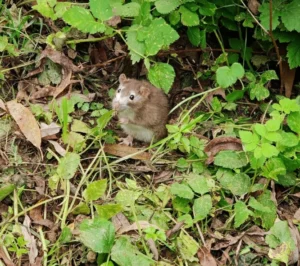
Rats are also particular about where they use the bathroom. Even wild rats designate specific areas for waste, rather than just going anywhere. Pet rats can be litter trained relatively easily because this behavior comes naturally to them.
The “dirty rat” image comes from where wild rats live, not from the rats themselves. A rat living in a sewer is dirty because sewers are dirty, not because rats prefer filth. Put that same rat in a clean environment and it’ll stay clean.
Pet rat owners consistently report that their rats are cleaner than many other common pets. Rats don’t have a strong smell like some rodents do, and they don’t make the mess that dogs or cats might.
The irony is that humans are often dirtier than rats. We touch contaminated surfaces all day and rarely clean ourselves as thoroughly as rats do. But we’ve convinced ourselves that rats are the dirty ones.
Rats Are Highly Intelligent and Social
One of the most misunderstood aspects of rats is their intelligence. People tend to think of rats as mindless pests operating on pure instinct, but research shows they’re actually remarkably smart.
Rats can learn their names and come when called. They can learn tricks, solve puzzles, and even play games. Their problem-solving abilities are comparable to dogs in many ways.
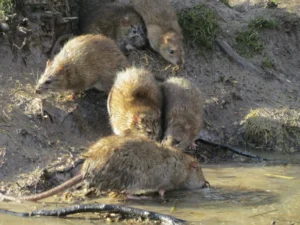
Studies have shown that rats can learn to navigate mazes, remember solutions, and even teach other rats what they’ve learned. They can understand cause and effect and can plan ahead to get rewards.
Rats are also highly social animals with complex emotional lives. They form close bonds with each other and with humans if they’re socialized properly. They play together, groom each other, and show signs of empathy.
Research has demonstrated that rats will free trapped companions even when there’s no benefit to themselves. They’ll also share food with rats they know, showing a sense of fairness and cooperation.
When rats are kept alone, they become depressed and anxious. They need social interaction to thrive, both with other rats and with their human caretakers if they’re pets.
This intelligence and emotional complexity is completely at odds with how most people see rats. We treat them as disposable pests, but they’re actually sentient creatures with individual personalities and relationships.
Wild Rats Are More Afraid of You Than You Are of Them
People often describe rats as aggressive or threatening, but this is almost always a misinterpretation of rat behavior. Wild rats generally want nothing to do with humans and will avoid us if possible.
When a rat runs toward you, it’s usually not attacking. It’s trying to get past you to escape to safety. Rats have poor eyesight and might not see you clearly, especially in low light. What looks like aggression is actually panic.
Rats will only bite humans as a last resort when they feel trapped and can’t escape. If you corner a rat or try to grab it, yes, it might bite. But that’s a defensive reaction, not aggression.
Most wild rats will flee the moment they detect human presence. They can smell us, hear us, and often detect us before we notice them. By the time you see a rat, it’s usually already trying to get away from you.
The perception of rats as aggressive comes partly from their appearance. Their prominent teeth and quick movements can seem threatening, especially to people who are already afraid of them. But looking scary and being dangerous are two different things.
Pet rats rarely bite at all. When properly socialized, they’re gentle creatures that enjoy human interaction. The same animal that’s supposedly aggressive in the wild becomes friendly and affectionate when raised with positive human contact.
Rats Play Important Roles in Ecosystems
People see rats as nothing but pests, but they actually serve important functions in nature. Removing all rats would have consequences that most people don’t think about.
Rats are prey animals for many predators including owls, hawks, snakes, and foxes. They’re an important food source in many ecosystems. Without rats, these predators would struggle to find enough food.
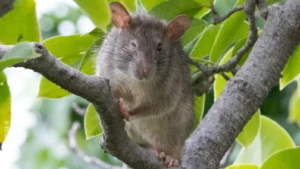
Rats help with seed dispersal by carrying fruits and nuts to different locations. While they eat some of what they carry, they often drop or bury seeds that can grow into new plants.
As scavengers, rats help break down organic matter and recycle nutrients back into the soil. They eat dead animals, rotting vegetation, and other organic waste that would otherwise accumulate.
In some ecosystems, rats help control insect populations by eating large quantities of insects and their larvae. This natural pest control is beneficial for the broader environment.
The tunneling behavior of rats helps aerate soil and can even assist with water infiltration. While this can be destructive near human structures, in natural settings it serves an ecological purpose.
This doesn’t mean rats in cities are always beneficial, especially when populations get out of control. But dismissing rats as purely harmful ignores the role they play in natural systems.
The Media Has Created Unrealistic Fear of Rats
Movies, TV shows, and news coverage have consistently portrayed rats in the worst possible light, creating and reinforcing fears that aren’t based on reality. This media representation shapes how people think about rats.
Horror movies often use rats to create feelings of disgust and fear. Swarms of rats are shown attacking people, which is something wild rats almost never do. These fictional scenarios become what people imagine when they think about rats.
News coverage tends to focus on worst-case scenarios. Stories about rat infestations or rats in restaurants get attention, but stories about rats being helpful or interesting don’t make headlines. This creates a skewed perception.
Documentaries about rats often emphasize their association with dirt and disease while ignoring their intelligence and complex behavior. The narrative is almost always “rats are a problem” rather than “rats are interesting creatures that sometimes conflict with human interests.”
Even educational content for children often portrays rats as villains or dirty creatures. Kids learn to fear and dislike rats before they’ve had any actual experience with them.
Compare this to how mice are portrayed. Mice appear as cute characters in children’s movies and are generally viewed more positively, even though rats and mice are very similar animals. This shows how much of our opinion is based on cultural portrayal rather than the animals themselves.
People Confuse Wild Rats With Pet Rats
Much of the misunderstanding about rats comes from people applying what they know about wild rats to all rats, or vice versa. Wild rats and domesticated rats are actually quite different in behavior and health risks.
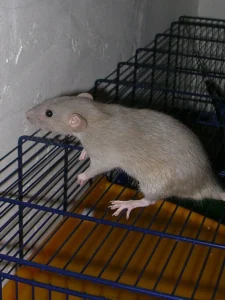
Wild rats have lived without human contact for generations and are naturally wary and skittish around people. Pet rats have been bred for temperament and sociability for over a hundred years. They’re as different from wild rats as a golden retriever is from a wolf.
The health risks associated with wild rats don’t apply to pet rats that have been bred in clean conditions. A pet rat from a reputable breeder is no more likely to carry disease than any other pet.
Wild rats can be carriers of diseases, but the actual risk to humans is much lower than most people think. In developed countries with good sanitation, disease transmission from rats to humans is quite rare.
People see a pet rat and assume it’s just a tamed wild rat. That’s not true. Pet rats have been selectively bred to be calm, friendly, and comfortable around humans. They’re domesticated animals, not wild animals kept as pets.
This confusion works both ways. Some people who’ve had positive experiences with pet rats assume wild rats are the same and try to handle them. Wild rats should be left alone and dealt with professionally if they’re in unwanted locations.
Cultural Associations Shape How We See Rats
Different cultures view rats very differently, which shows how much of our opinion about rats is learned rather than innate. The negative Western view of rats isn’t universal.
In Chinese astrology, people born in the Year of the Rat are said to be intelligent, resourceful, and adaptable. These are positive traits associated with rats in Chinese culture.
The Hindu god Ganesha is often depicted with a rat as his vehicle and companion. In this context, rats are seen as symbols of overcoming obstacles and reaching every corner of the world.
Some cultures have historically used rats as food. While this might seem strange to Western audiences, it shows that not everyone views rats with the same disgust that’s common in Europe and North America.
In India, there’s a temple where rats are revered and protected. Thousands of rats live there and are fed and cared for. This is the complete opposite of how rats are treated in Western cities.
These cultural differences prove that there’s nothing inherently disgusting or evil about rats. Our negative reaction is learned from our culture, not hardwired into human nature.
Rats Are Unfairly Compared to Other Rodents
People who are disgusted by rats often have no problem with other rodents. Squirrels, hamsters, and guinea pigs are all rodents closely related to rats, but they don’t trigger the same negative reaction.
Squirrels are basically rats with fluffy tails living in trees, yet people think they’re cute. The main difference is that squirrels are associated with nature and parks rather than sewers and garbage.
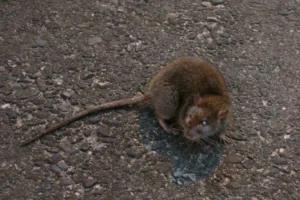
Hamsters and guinea pigs are rodents that people keep as pets without a second thought. They have similar behaviors and needs to rats, but don’t carry the same cultural baggage.
Mice get more sympathetic treatment than rats even though they can be just as much of a pest problem. The only real difference is size and cultural perception.
If you put a rat, a squirrel, and a guinea pig side by side and asked someone who’d never seen any of them before which was most appealing, they might choose the rat. Rats have expressive faces, clean habits, and interesting personalities.
This selective prejudice shows that our dislike of rats isn’t really about their characteristics as animals. It’s about learned associations and cultural conditioning.
The Reality of Rat Intelligence Surprises Most People
When people learn about actual rat intelligence and behavior, they’re often surprised because it contradicts everything they thought they knew. Rats can do things that challenge the “mindless pest” stereotype.
Rats have been trained to detect landmines and tuberculosis, tasks that require learning and discrimination abilities. These “hero rats” save lives by using their intelligence and keen sense of smell.
In laboratory settings, rats have demonstrated metacognition, which means they can think about their own thinking. They know when they don’t know something, which is a sophisticated cognitive ability.
Rats can recognize their own names among a list of words. They can learn the names of other rats and respond differently to individuals they know versus strangers.
They engage in play behavior that’s not just instinct. Young rats wrestle and chase each other in ways that show they’re having fun and developing social bonds, not just practicing survival skills.
Rats can feel regret when they make bad decisions. Experiments have shown that rats will change their behavior based on missed opportunities, showing they can reflect on their choices.
This level of intelligence and emotional complexity should make us reconsider how we think about and treat rats. They’re not the simple, mindless creatures that popular opinion suggests.
Conclusion
Rats are misunderstood because centuries of cultural bias, historical misattribution, and media portrayal have created a distorted image that doesn’t match reality. We blame them for diseases they didn’t cause, call them dirty when they’re naturally clean, fear them as aggressive when they’re actually afraid of us, and dismiss them as pests when they’re intelligent and emotionally complex creatures.
The gap between perception and reality is enormous. Wild rats and pet rats are different, rats play important ecological roles, and different cultures view rats very differently, all showing that our negative opinion is learned rather than based on the animals themselves.
Understanding the truth about rats doesn’t mean you have to love them or want them in your home. Wild rats can still be pests that need to be managed. But recognizing that rats are intelligent, social animals that have been unfairly demonized helps us approach the topic more rationally and humanely. The more we learn about rats, the more we realize how much we’ve misunderstood them.

Hi, my name is Ezra Mushala, i have been interested animals all my life. I am the main author and editor here at snakeinformer.com.