
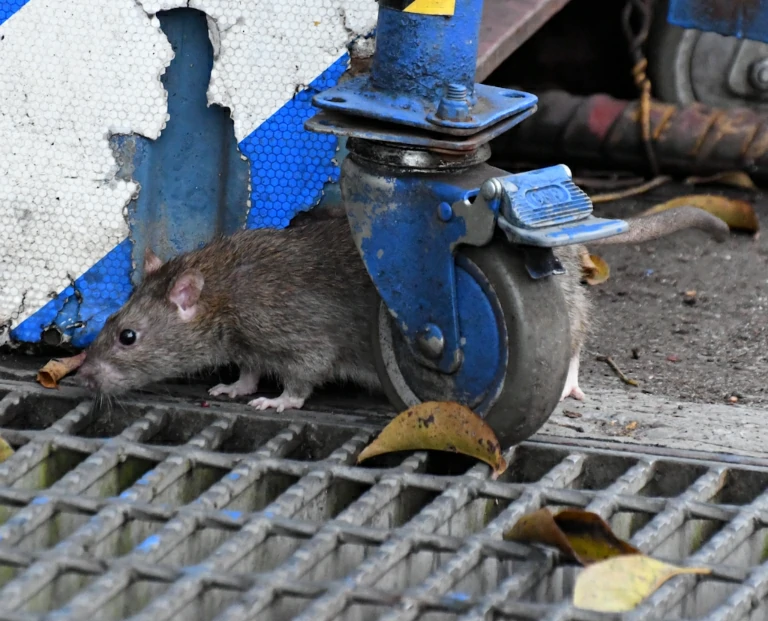
If you live in an area with cold winters, you might have noticed something strange. Rats that you rarely see during warm months suddenly seem to be everywhere once temperatures drop.
You might spot them during the day, see them scurrying across streets, or find evidence of them in places where they weren’t a problem before. It seems backward, like rats should be less active when it’s cold. So why are rats more visible during winter?
Rats become more visible during winter because cold weather drives them out of their usual hiding spots and into human areas where it’s warmer. They’re forced to search harder for food since natural sources disappear, they spend more time above ground instead of in cold burrows, their darker fur stands out against snow and barren landscapes, and they become desperate enough to take more risks by moving around during daylight hours. Winter survival pushes rats into closer contact with humans.
The increased visibility doesn’t mean there are more rats in winter. In fact, some rats die from cold exposure and food scarcity.
But the ones that survive become much more noticeable because they can’t hide as effectively and have to work harder to find what they need.
Cold Weather Drives Rats Toward Warm Buildings
The most obvious reason you see more rats in winter is that they’re actively seeking warmth, and your home or building provides it. Rats are warm-blooded mammals that need to maintain their body temperature just like you do.

When outdoor temperatures drop, rats can’t stay warm in their usual outdoor shelters. Ground burrows that were comfortable in summer become dangerously cold in winter. Tree hollows and brush piles don’t provide enough insulation when it’s freezing outside.
Buildings, on the other hand, offer everything a cold rat needs. The heat escaping from your home through walls, foundations, and vents creates warm zones that attract rats from a wider area. They can literally feel the temperature difference and move toward it.
This warmth-seeking behavior brings rats into closer proximity to humans. They move from outlying areas into residential neighborhoods, from parks into nearby buildings, and from outdoor shelters into basements and crawl spaces.
Rats that might have stayed in wooded areas or empty lots during summer will relocate to the warmth of human structures in winter. This migration brings them into areas where people are more likely to see them.
Outdoor Food Sources Disappear in Cold Months
Summer and fall provide rats with plenty of food options outdoors. Gardens have ripe vegetables, fruit trees drop their harvest, insects are everywhere, and natural seeds and nuts are abundant. Winter eliminates most of these food sources.
When natural food disappears, rats have to expand their search areas and try new locations. This increased searching brings them into contact with human food sources more often, making them more visible.

Garbage becomes even more important to rats in winter. Your trash cans might have been just one of many food options in summer, but in winter, they become a primary source. Rats spend more time around dumpsters, trash cans, and anywhere humans discard food.
This focus on human food sources means rats are active in areas where people can see them. Instead of foraging in fields or wooded areas, they’re in alleys, behind restaurants, and around residential garbage areas.
The desperation for food also makes rats less cautious. A rat that would normally wait until the middle of the night to search for food might venture out at dusk or even during the day if it’s hungry enough. This risk-taking increases the chances of people spotting them.
Snow and Bare Landscapes Make Rats Stand Out
During warmer months, rats blend into their environment pretty well. Dense vegetation, fallen leaves, and shadows provide plenty of cover. Winter strips away much of this camouflage.
Snow creates a stark white background that makes dark-colored rats incredibly obvious. A brown or gray rat against fresh snow is immediately visible, even from a distance. Any movement stands out clearly.

Even without snow, winter landscapes are more barren. Leaves have fallen from trees and shrubs, grass has died back, and ground cover has disappeared. Rats that could easily hide in summer vegetation have nowhere to disappear to in winter.
The lack of cover also means rats are more visible when they’re traveling. In summer, a rat might move from one location to another under the protection of bushes and tall grass. In winter, that same journey happens across open ground where anyone looking can spot them.
Longer nights in winter mean rats are active during hours when there’s still some light. Dusk comes early, so rats that start foraging at their usual time might be doing so when it’s not quite dark enough to hide them completely.
Rats Spend More Time Above Ground
During warm weather, many rats live in underground burrows where they’re completely invisible to humans. These burrows provide shelter, nesting areas, and protection from predators. Winter changes this behavior.
Underground burrows get really cold in winter, especially when the ground freezes. Water can seep into burrows and freeze, making them uninhabitable. Rats are forced to abandon these underground homes and look for alternatives above ground.
Sewer systems, which stay relatively warm year-round, can become overcrowded in winter as rats seek shelter there. When sewer populations get too dense, some rats are pushed out and have to find shelter elsewhere, often in above-ground structures.
The rats that move above ground to escape cold or flooding are now in places where humans can see them. A rat living in a basement, garage, or shed is much more likely to be spotted than one living in an underground burrow.
This shift also means rats are using different travel routes. Instead of moving through underground tunnels and burrow systems, they’re traveling on the surface, across yards, and along walls where they’re exposed.
Daylight Activity Increases Out of Desperation
Rats are naturally nocturnal, preferring to be active at night when predators are less of a threat and human activity is minimal. But winter desperation can override this natural behavior.
A rat that hasn’t eaten in a day or two will take risks it normally wouldn’t. This includes coming out during daylight hours to search for food. While they still prefer darkness, hunger can make them less cautious.

Shorter winter days mean less nighttime for foraging. Rats might start their activities earlier in the evening or continue later into the morning, times when it’s light enough for people to see them.
Young or inexperienced rats are more likely to be out during the day. If a rat colony is overcrowded, younger rats might be forced to forage during less ideal times because the dominant rats control the best nighttime feeding spots.
Sick or injured rats might also be visible during the day. Cold weather and food scarcity can weaken rats, making them less able to follow their normal nocturnal schedule. These struggling rats are more likely to be seen.
Frozen Water Sources Force Rats to Search Wider
Rats need water just as much as they need food. During warm months, water is readily available from puddles, streams, pet bowls, and other sources. Winter freezes many of these water sources, creating another resource crisis.
When natural water sources freeze, rats have to find alternatives. This often means moving closer to buildings where pipes might drip, faucets might leak, or where indoor water sources are accessible.
The search for water can bring rats into areas they might not normally visit. A rat living in a park might travel to nearby homes looking for water, increasing the chance of being spotted.
Some rats get their water from food, especially in winter when liquid water is scarce. This makes food sources even more important and drives rats to take more risks to access human food, which often has higher moisture content than natural winter foods.
The combination of searching for both food and water means rats cover more ground in winter than they do in warmer months. More movement over larger areas equals more chances for humans to see them.
Building Entry Points Become More Important
Rats constantly look for ways into warm buildings, but this behavior intensifies in winter. The temperature difference between indoors and outdoors becomes a matter of survival, not just comfort.
Rats probe gaps, cracks, and holes around foundations, utility lines, and vents with increased determination in winter. They’ll spend more time trying to gnaw through barriers or squeeze through tight spaces.

This focused effort on getting into buildings means rats are spending more time on exterior walls, around foundations, and near entry points. These are areas where homeowners might see them, especially if they’re outside checking on their property.
Once rats find a way inside, they often travel back and forth between indoor and outdoor areas. This repeated movement creates more opportunities for people to spot them coming and going.
Buildings that had no rat problems in summer might suddenly have rats trying to get in during winter. This expansion of rat activity into new locations makes it seem like there are more rats around.
Predator Activity Changes in Winter
During warm months, rats face many predators including owls, hawks, snakes, and outdoor cats. These predators help keep rat populations in check and force rats to be very cautious about when and where they’re active.
Some predators become less active in winter or migrate to other areas. This reduction in predation pressure means rats can be slightly less cautious about their movements.
Hawks and owls still hunt in winter, but their activity patterns might change. If predatory birds are hunting during different hours, rats might adjust their activity times in ways that make them more visible to humans.
Snakes, which are major rat predators in many areas, are completely inactive during cold months. The absence of this threat might make rats bolder about moving around in areas they’d avoid during snake season.
Outdoor cats might spend more time indoors during cold weather, reducing their impact on rat populations. Fewer cats hunting means rats face less pressure and might take more risks.
Winter Weather Patterns Affect Rat Behavior
Different types of winter weather impact rats in different ways, and these weather-driven behavior changes can make rats more visible during certain conditions.
Before a storm hits, rats often increase their activity. They seem to sense the approaching bad weather and rush to find food and shelter before conditions worsen. This pre-storm activity can make rats more visible.

After heavy snowfall, rats create visible trails through the snow as they travel between their shelter and food sources. These trails make it easy to see where rats are active, even if you don’t see the rats themselves.
During brief warm spells in winter, rats become more active. When temperatures rise above freezing for a day or two, rats take advantage of the milder weather to forage intensively. This burst of activity increases sightings.
Extremely cold nights drive more rats indoors. The coldest periods of winter often correspond with the highest number of rats seeking entry to buildings, bringing them into closer contact with humans.
Freeze-thaw cycles can be particularly hard on rats. When ice forms and melts repeatedly, it can flood burrows, damage shelters, and make existing hiding spots unusable, forcing rats to relocate and become more visible.
Urban Heat Islands Concentrate Rat Populations
Cities and urban areas stay warmer than surrounding rural areas during winter. This “heat island effect” attracts rats from wider areas into urban centers where they’re more likely to be seen.
Buildings, pavement, and underground infrastructure all retain and radiate heat. Subway systems, in particular, stay warm year-round and can support large rat populations that might venture to the surface more often in winter.
Steam from manholes, heat vents from buildings, and warm air from subway grates all create comfortable microclimates that attract rats. You might see rats congregating around these warm spots, especially on very cold days.
The concentration of both rats and humans in urban areas during winter increases the likelihood of encounters. More rats in a smaller area, combined with people going in and out of buildings regularly, creates more opportunities for sightings.
Commercial areas with restaurants stay active throughout winter, providing consistent food sources. Rats congregate in these high-food areas, making them more visible to workers and visitors.
Some Rats Don’t Survive Winter
While this might seem contradictory to rats being more visible, winter mortality actually contributes to visibility in a sad way. Rats that are sick, injured, or weakened by cold and hunger are more likely to be seen.
Healthy rats are cautious and good at hiding. Weak or dying rats lose these survival instincts and might be found in exposed areas where they wouldn’t normally be.
Rats that freeze to death are sometimes discovered in visible locations. Finding dead rats in window wells, near building foundations, or in other exposed areas makes people more aware of the rat population.
Younger rats born late in the season have less body fat and fewer survival skills. These inexperienced rats are more likely to make mistakes that get them spotted or killed, increasing overall rat visibility.
The struggle for survival makes rats more aggressive toward each other. Fights over food and shelter can push weaker rats out of prime locations into marginal areas where they’re more exposed to both predators and human observation.
Conclusion
Rats become more visible in winter not because their population suddenly increases, but because cold weather fundamentally changes their behavior and environment. The need for warmth drives them toward buildings, the disappearance of natural food forces them to search human areas more intensively, and the loss of vegetation cover makes them easier to spot.
Winter desperation makes rats take risks they’d normally avoid, including being active during daylight hours and moving across open areas.
Snow and bare landscapes provide no camouflage, making their movements obvious. The combination of increased need and decreased hiding options brings rats into more frequent contact with humans.
If you’re seeing more rats around your property in winter, it doesn’t necessarily mean your area has a bigger rat problem than before.
It more likely means that the rats that were always there are now being forced into the open by conditions that make hiding and surviving much harder.
Understanding this seasonal behavior helps explain why winter rat sightings are so common and why rat control becomes more important during cold months.

Hi, my name is Ezra Mushala, i have been interested animals all my life. I am the main author and editor here at snakeinformer.com.