
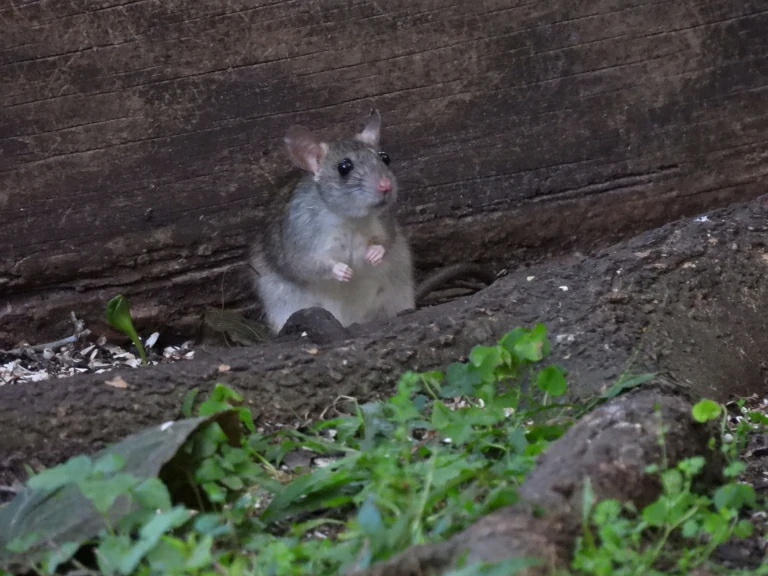
Most people have a strong negative reaction to rats. Whether it’s disgust, fear, or just general annoyance, rats tend to trigger something in us that other animals don’t.
But when you stop to think about it, rats are just trying to survive like any other creature. They’re not intentionally trying to bother us. So why are rats annoying?
Rats are annoying because they invade our personal spaces, damage our property by chewing through walls and wires, spread diseases that threaten our health, make disturbing noises at night when we’re trying to sleep, smell bad when they nest in our homes, contaminate our food, multiply incredibly fast, and trigger deep-rooted fears that many people can’t control. Their presence makes us feel like we’ve lost control of our own living spaces.
It’s not any one thing that makes rats annoying. It’s the combination of all these factors together. Rats affect multiple parts of our lives at once, and dealing with them feels like fighting a battle you can’t win.
Rats Invade Our Most Personal Spaces
One of the most annoying things about rats is where they choose to live. They don’t just stay outside in alleys or parks. They come right into our homes, into spaces we consider private and safe.
Finding out you have rats in your attic, walls, or basement feels like a violation. Your home is supposed to be your sanctuary, the place where you feel most secure. When rats move in, they take away that sense of security and replace it with anxiety.

Rats don’t respect boundaries the way other wildlife does. A squirrel might nest in a tree in your yard, and that’s fine. But rats will move into your kitchen cabinets, your bedroom closet, or the space under your sink. They get way too close for comfort.
The worst part is that rats are often living in your home long before you realize it. By the time you discover droppings or hear noises, they’ve already established themselves. It feels like they’ve been secretly invading your space without your knowledge.
Even after you get rid of rats, the feeling of being invaded lingers. You find yourself checking corners, listening for sounds, and feeling paranoid about every shadow or movement. Rats don’t just occupy physical space. They occupy your mental space too.
They Make Noise When You’re Trying to Sleep
Rats are nocturnal, which means they’re most active at night. This timing couldn’t be worse from a human perspective because it’s exactly when we’re trying to sleep.
The scratching, scurrying, and thumping sounds coming from your walls or ceiling are impossible to ignore once you know what they are. Even if the sounds are relatively quiet, your brain focuses on them because you know there’s a rat making that noise.

Some nights the sounds are constant, with rats running around for hours. Other nights you’ll hear nothing, and just when you think they’re gone, the noise starts up again. This unpredictability makes it hard to relax or sleep soundly.
The noises often come from right above your bedroom or inside the walls next to your bed. There’s something particularly disturbing about lying in bed knowing that a rat is moving around just a few inches away, separated only by drywall or ceiling material.
Even if you try to ignore the sounds, your partner or kids might not be able to. Then you’re dealing with a whole family that can’t sleep, everyone’s cranky the next day, and it’s all because of rats.
Rats Destroy Your Property and Belongings
The damage rats cause is expensive and frustrating to deal with. They don’t just live in your home quietly. They actively destroy things, and the cost of repairs can run into thousands of dollars.
Rats chew through electrical wiring because their teeth never stop growing and they need to gnaw on hard objects to keep them worn down. This isn’t just annoying. It’s dangerous. Damaged wiring creates fire hazards that could burn down your entire house.
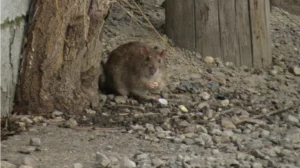
They gnaw on wood beams, support structures, and framework inside your walls. Over time, this can weaken the structural integrity of your home. You might not even know about the damage until you’re doing renovations and discover chewed-up beams.
Insulation gets destroyed when rats build nests in it. They tear it apart, burrow through it, and contaminate it with urine and droppings. Replacing insulation in an attic or walls is expensive and labor-intensive.
Rats will chew through plastic pipes, particularly the newer PEX plumbing. A damaged pipe inside your wall can leak for months before you notice, causing water damage, mold growth, and rot that costs far more to fix than the original rat problem.
Personal belongings stored in attics, basements, or garages get ruined. Rats chew through boxes, contaminate clothing and documents, and destroy family heirlooms and keepsakes. Some of these items are irreplaceable.
They Contaminate Food and Cooking Areas
Knowing that rats have been in your kitchen is disgusting. These are the same surfaces where you prepare food for your family, and rats have been running across them with their dirty feet and contaminated fur.
Rats urinate constantly as they move around. They don’t stop to use a bathroom. They just pee wherever they are, leaving a trail of contamination everywhere they go. In your kitchen, this means counters, cabinets, and anywhere they’ve walked.
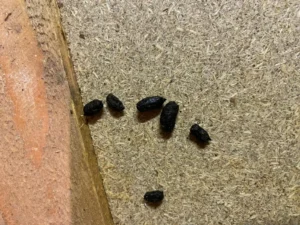
They get into food packages with surprising ease. Rats can chew through cardboard, thin plastic, and even some types of food storage containers. Once they’ve accessed food, the entire package is contaminated and has to be thrown away.
Even food you think is safely stored might not be. Rats can climb into pantries, gnaw through cabinet doors, and get into places you wouldn’t expect. Finding chewed packages and rat droppings in your pantry is both annoying and horrifying.
The psychological effect of knowing rats have been in your food is hard to shake. Even after cleaning everything, you might find yourself hesitant to cook or eat in your own kitchen. Some people can’t use certain cabinets or storage areas for months after a rat infestation.
Rats Carry Diseases That Threaten Human Health
The health risks from rats make them more than just annoying. They’re actually dangerous. This adds a layer of fear and urgency to dealing with them that you don’t get with other household pests.
Rats carry diseases like leptospirosis, hantavirus, salmonella, and rat-bite fever. These aren’t minor illnesses. Some of them can be serious or even fatal if not treated properly.
You don’t even have to touch a rat to get sick. Their urine dries and becomes airborne as dust. When you breathe this contaminated air, especially in enclosed spaces like attics, you can inhale pathogens.
Rat droppings carry bacteria and viruses. When droppings dry out and crumble, the particles become airborne. Cleaning up after rats requires protective equipment because the health risks are real.
Even if rats don’t make you sick directly, they can bring other pests into your home. Rats often carry fleas, mites, and ticks. These parasites can jump off the rat and onto your pets or even bite you.
The anxiety about potential health risks is stressful. Every time you find droppings or evidence of rats, you worry about whether you or your family have been exposed to something dangerous.
They Breed So Fast That Small Problems Become Big Ones
Part of what makes rats so annoying is how quickly a minor issue turns into a major infestation. You might think you have one or two rats, but within a few months, you could have dozens.
A female rat can have up to 12 babies in a single litter, and she can have up to seven litters per year. If even half those babies are female and they start breeding too, the numbers explode exponentially.

Young rats reach sexual maturity in just three months. This means the babies from a spring litter can be having their own babies by late summer. Three generations can exist within a single year.
By the time you realize you have a rat problem, the population is often much larger than you think. What sounds like one rat in your walls might actually be a family of ten or more.
This rapid breeding means that half-measures don’t work. If you set a few traps and catch some rats but don’t address the root cause, the remaining rats will just breed and fill in the population gap. It feels like you’re fighting a losing battle.
The Smell of Rats Is Hard to Get Rid Of
If you’ve never smelled a rat infestation, it’s hard to describe just how bad it is. The combination of urine, droppings, and musky rat scent creates an odor that’s both distinctive and revolting.
Rat urine has a strong ammonia smell that gets worse as it accumulates. In areas where rats are active, the smell can become overwhelming. It soaks into wood, insulation, and fabric, making it really hard to eliminate.
The musky scent that rats produce naturally clings to everything they touch. This oily smell is how rats mark their territory and communicate with each other, but to humans it’s just unpleasant.
Dead rats create the worst smell of all. If a rat dies in your wall or attic, the decomposition process produces a horrible rotting odor that can last for weeks. The smell peaks after about a week and then slowly fades, but you can’t do anything to speed it up unless you’re willing to open up your walls to remove the body.
Even after you’ve gotten rid of all the rats, the smell lingers. You have to clean and sanitize every surface they touched, and often you need to remove contaminated materials like insulation to truly get rid of the odor.
Rats Trigger Deep Psychological Fears
For many people, rats provoke a fear response that goes beyond rational thinking. This fear makes dealing with rats even more stressful and annoying than it would be otherwise.
There’s something about the way rats move that unsettles people. They’re quick and unpredictable, darting out from hiding spots and disappearing just as fast. This triggers our natural startle response.
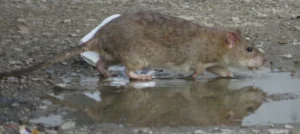
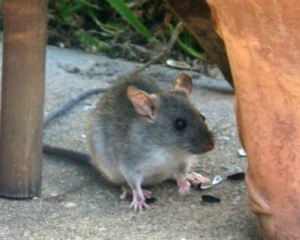
Their appearance bothers people too. The long hairless tail, the beady eyes, the prominent teeth, all combine into a look that many humans find instinctively repulsive. We’re wired to be cautious around animals that look like rats.
Rats are associated with filth and disease in our cultural consciousness. We’ve been taught from childhood that rats are dirty, dangerous, and unwanted. These associations create immediate negative reactions.
Some people have full-blown phobias of rats. For them, even seeing a rat in a video or picture can trigger anxiety. Actually dealing with rats in their home can be genuinely traumatic.
Even people who aren’t afraid of rats often feel disgusted by them. This disgust response is powerful and hard to control, making every interaction with rat evidence (droppings, chewed items, smells) emotionally difficult.
They’re Smart Enough to Avoid Your Attempts to Catch Them
Rats are surprisingly intelligent, and this intelligence makes them more annoying because they learn to avoid the traps and methods you use to get rid of them.
Rats can learn from watching other rats. If one rat gets caught in a trap, other rats in the area might avoid similar traps. They associate the trap with danger and communicate this to each other through scent marking.
They develop “neophobia,” which means they’re suspicious of new objects in their environment. When you set a trap, rats might avoid it for several days just because it’s unfamiliar. By the time they’re comfortable approaching it, they’ve already found alternative food sources.
Rats can even learn to steal bait from traps without triggering them. They’ll nibble carefully at the edges or pull the bait out at an angle, getting the food reward without facing any consequences.
Some rats become “trap shy” after having a close call. A rat that got caught in a trap but managed to escape will remember that experience and actively avoid all traps from then on.
This intelligence means you can’t just set a few traps and consider the problem solved. You have to outsmart the rats, which requires understanding their behavior and constantly changing your approach.
Dealing With Rats Is Expensive and Time-Consuming
Getting rid of rats isn’t cheap or quick. The financial and time investment required to solve a rat problem adds another layer of annoyance to the whole situation.
Professional pest control services for rats can cost anywhere from a few hundred to several thousand dollars, depending on the severity of the infestation. This is money most people didn’t budget for and would rather spend on anything else.
If you choose the DIY route, you’ll spend money on traps, bait, sealant materials, and cleaning supplies. Plus you’ll invest hours of your own time setting traps, checking them, disposing of dead rats, and sealing entry points.
Repairs after a rat infestation add even more cost. Replacing damaged insulation, fixing chewed wiring, patching holes, and replacing contaminated materials can easily run into thousands of dollars.
The time investment goes beyond just setting traps. You have to inspect your home regularly, monitor rat activity, adjust your strategy when things aren’t working, and stay vigilant to make sure rats don’t come back.
Even after spending all this money and time, there’s no guarantee the problem is completely solved. Rats might come back, or you might discover the infestation was worse than you thought, requiring even more investment.
You Can’t Just Ignore Them and Hope They Leave
Unlike some household pests that might eventually move on if you ignore them, rats won’t just go away on their own. This means you’re forced to deal with the problem whether you want to or not.
Rats have found everything they need in your home: food, water, shelter, and safety. There’s no reason for them to leave voluntarily. Why would they go back to living outside when your attic is warm and comfortable?
Ignoring rats only makes the problem worse. While you’re hoping they’ll leave, they’re breeding and expanding their population. The longer you wait, the bigger the infestation becomes and the more damage they cause.
Some people think they can just live with rats and eventually get used to them. But rats create health hazards that get worse over time. The accumulation of urine and droppings, the risk of electrical fires from chewed wires, and the potential for disease transmission all increase the longer rats are present.
The knowledge that you have rats and are choosing to do nothing about them creates its own stress. You can’t invite people over without worrying they might see or hear evidence of rats. You can’t relax in your own home knowing the problem is getting worse.
Conclusion
Rats are annoying because they affect so many parts of our lives at once. They invade our homes and personal spaces, make noise that disrupts our sleep, damage our property, contaminate our food, smell terrible, breed incredibly fast, carry diseases, and trigger deep-seated fears.
The intelligence of rats makes them harder to catch, and dealing with them requires significant time and money. You can’t just ignore the problem because rats won’t leave on their own, and the infestation will only get worse.
What makes rats particularly frustrating is the feeling of losing control over your own home. These animals have moved in without permission, they’re causing damage and health risks, and getting rid of them is harder than it seems like it should be. All of these factors combine to make rats one of the most annoying pests you can encounter.

Hi, my name is Ezra Mushala, i have been interested animals all my life. I am the main author and editor here at snakeinformer.com.