
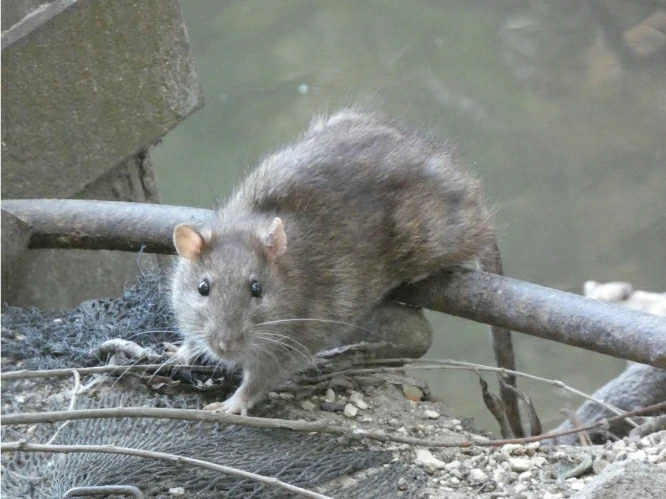
If you live in a city or even a suburban area, you’ve probably noticed more rats lately. Maybe you’ve seen them scurrying across streets at night, spotted them near dumpsters, or heard reports from neighbors about rat sightings.
It feels like rats are everywhere these days, and you’re not imagining it. So are rats on the increase?
Yes, rat populations are increasing in most urban and suburban areas around the world. Cities are reporting record-high rat complaints and sightings, with some areas seeing increases of 50% or more over the past decade. Factors like climate change, food waste, aging infrastructure, reduced pest control during the pandemic, and rats developing resistance to common poisons have all contributed to exploding rat populations.
The problem isn’t just limited to a few cities. Rat populations are growing in major metropolitan areas across North America, Europe, Asia, and other parts of the world.
What used to be a manageable urban nuisance has become a serious public health and infrastructure concern.
Cities Are Reporting Record Numbers of Rat Sightings
Data from major cities shows that rat complaints and sightings have been climbing steadily over the past several years, with sharp increases in many areas since 2020. These aren’t just a few more rats here and there. We’re talking about significant population explosions.

New York City, which has always had a rat problem, reported over 3.2 million rat sightings in 2022, up significantly from previous years. The city even created a new position called the “Director of Rodent Mitigation” to specifically deal with the growing problem.
Chicago has consistently ranked as one of the “rattiest” cities in America, with rat complaints increasing by more than 50% in some neighborhoods over the past five years. Residents report seeing rats in broad daylight, which is unusual behavior that suggests overcrowding.
London reported a 78% increase in rat sightings between 2020 and 2022. Paris has seen similar trends, with rats becoming so common in some areas that they’re spotted on metro platforms and public parks during the day.
Even smaller cities and suburban areas that never had major rat problems are now reporting increased activity. This shows that the issue isn’t just about big cities with existing rat populations getting worse. Rats are expanding their territory.
The COVID-19 Pandemic Changed Rat Behavior and Populations
The pandemic had an unexpected effect on rat populations. When restaurants, offices, and businesses shut down in 2020, it disrupted the normal food sources that urban rats depended on. This forced rats to change their behavior in ways that made them more visible and aggressive.
With fewer restaurants open and less foot traffic dropping food on streets, rats had to work harder to find meals. They started venturing out during daylight hours, moving into residential neighborhoods they’d previously avoided, and becoming bolder around humans.
Reduced pest control services during lockdowns allowed rat populations to grow unchecked. Many businesses couldn’t afford regular pest control when they were barely surviving financially, and municipal services were stretched thin dealing with the pandemic.
Empty buildings during the pandemic provided perfect nesting spots for rats. Office buildings, closed restaurants, and shuttered stores gave rats quiet, undisturbed spaces to breed. By the time businesses reopened, many had serious infestations.
Even though things have returned to normal in most places, rat populations haven’t gone back down. They reached new highs during the pandemic and have continued growing from there.
Climate Change Is Creating Better Conditions for Rats
Warmer temperatures in many parts of the world are helping rat populations thrive. Rats breed faster in warm weather, and milder winters mean fewer rats die from cold exposure during the months that used to naturally control populations.
In areas that previously had harsh winters, rats are now surviving year-round instead of experiencing population crashes. This means each breeding season starts with more rats than the previous year, creating exponential growth.

Longer warm seasons extend the breeding period. Rats that used to have 5 or 6 litters per year in some climates can now have 7 or 8 because warm weather starts earlier and lasts later into the fall.
Extreme weather events like hurricanes and floods force rats out of their normal habitats. When underground burrows and sewer systems flood, rats move to higher ground, often into residential areas where they establish new colonies.
Droughts affect rat populations differently. While you’d think less water would reduce rat numbers, droughts actually drive rats closer to human settlements where water is more reliably available through leaky pipes, pet bowls, and irrigation systems.
Our Cities Provide Unlimited Food for Growing Rat Populations
The amount of food waste humans produce has increased dramatically over the past few decades, and rats are benefiting from this abundance. Cities are basically all-you-can-eat buffets for rats.
The rise of food delivery services means more restaurants are operating in more locations, all producing food waste. Even small neighborhood spots that used to be quiet now have constant takeout and delivery traffic, creating more garbage for rats to exploit.
Outdoor dining, which exploded in popularity during and after the pandemic, has created more opportunities for dropped food and accessible waste. Tables on sidewalks mean more crumbs, spills, and scraps right where rats can easily reach them.
Americans throw away about 40% of the food they buy, and this waste often ends up in trash cans and dumpsters that rats can access. The sheer volume of edible garbage in urban areas means rats never have to struggle to find their next meal.
Food trucks and outdoor food vendors have increased in many cities, adding more food sources in areas that might not have had them before. Each vendor is potentially feeding the local rat population along with their human customers.
Aging Infrastructure Creates Perfect Rat Habitats
Many cities, especially older ones, have infrastructure that’s falling apart. This deteriorating infrastructure is creating more spaces for rats to live and breed, while also making it harder to control their populations.
Sewer systems in many major cities are over 100 years old. As they age, they develop cracks, holes, and collapsed sections that create perfect rat habitats. Repairing these systems is expensive, so many cities patch what they can and live with the rest.
Old buildings have countless gaps, cracks, and holes that rats can squeeze through. Repointing brick, sealing foundations, and fixing gaps around utilities is ongoing work that many property owners can’t afford or don’t prioritize.
Underground construction like subway systems creates interconnected networks of tunnels that rats use as highways. Cities that are expanding their public transit systems are inadvertently creating more rat habitat with every new tunnel they dig.
Vacant and abandoned buildings provide undisturbed nesting sites. As buildings sit empty waiting for renovation or demolition, rats move in and establish large colonies. When construction finally starts, those rats scatter into surrounding areas.
Rats Are Developing Resistance to Common Poisons
One of the most concerning trends in the fight against rats is that they’re becoming resistant to the poisons we’ve relied on for decades. This means traditional control methods aren’t working as well as they used to.
Anticoagulant poisons, which have been the standard for rat control since the 1950s, are becoming less effective. Rats in many cities have developed genetic mutations that make them resistant to these poisons, meaning they can eat them without dying.
This resistance spreads quickly through rat populations because resistant rats survive to breed, passing the resistance genes to their offspring. Within a few generations, entire colonies can become poison-resistant.
Pest control professionals are having to use stronger poisons to achieve the same results, but these stronger formulas can be more dangerous to pets, wildlife, and even children. This creates a difficult balance between controlling rats and protecting other species.
Some rats have become “bait shy,” meaning they’ve learned to avoid poison baits altogether. Rats are surprisingly intelligent and can learn from watching other rats get sick or die from eating certain foods.
Reduced Funding for Pest Control Programs
Many cities have cut budgets for public health programs, including pest control. These budget cuts have directly contributed to growing rat populations by reducing the resources available to control them.
Municipal pest control departments are often understaffed and underfunded. They can’t respond to every complaint or maintain regular preventive programs. This means rats in public spaces like parks, alleys, and around public buildings go unchecked.
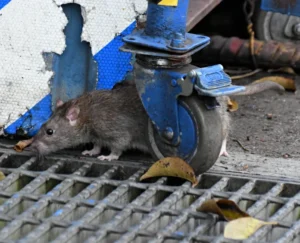
Public education programs about rat prevention have been reduced or eliminated in many cities. Without these programs, residents don’t know how to properly store garbage, eliminate food sources, or seal their homes against rats.
Enforcement of sanitation codes has become less consistent. Inspectors who used to cite property owners for garbage violations or rat-attracting conditions don’t have the resources to patrol regularly anymore.
Research into new rat control methods requires funding that many municipalities can’t provide. This means we’re stuck using the same old approaches even as rats adapt and populations grow.
Construction and Development Disturb Existing Rat Colonies
Cities are constantly changing, with new construction, demolition, and infrastructure projects happening all the time. While development might seem like it would reduce rat habitat, it actually spreads rats to new areas in the short term.
When workers dig up streets or demolish old buildings, they destroy existing rat burrows and colonies. These displaced rats don’t just disappear. They scatter into surrounding neighborhoods, often moving into residential areas that didn’t have rat problems before.
Construction sites attract rats because workers often leave food waste behind. Lunch scraps, snack wrappers, and beverage containers provide easy meals. The disturbed earth and temporary structures also create new hiding spots.
Major infrastructure projects can displace thousands of rats at once. Projects like subway expansions, sewer repairs, and building foundations disrupt massive underground rat colonies, forcing them to relocate.
After construction finishes, rats often move back into the new structures. Brand new buildings might seem rat-proof, but rats quickly find entry points around utilities, loading docks, and garage entrances.
Changes in Waste Management Practices
How we handle garbage has changed over the years, and not all of these changes have been bad for rats. Some modern waste management practices actually make it easier for rats to access food.
Larger garbage bins that get picked up less frequently give rats more time to access the food inside. When trash sits for several days between pickups, rats have plenty of opportunities to feed.

Recycling programs, while good for the environment, sometimes create problems. People don’t always rinse food containers before recycling them, and rats will tear into recycling bins to get at food residue.
Composting programs in urban areas can attract rats if the compost bins aren’t properly designed and maintained. Food scraps in backyard compost bins are like gourmet restaurants for rats.
Budget cuts have reduced the frequency of garbage pickup in some cities. Less frequent collection means more time for trash to accumulate and more opportunities for rats to feed.
Why Suburban Areas Are Seeing More Rats Too
The rat problem isn’t just urban anymore. Suburban areas that used to be relatively rat-free are now experiencing their own rat problems, and the reasons are connected to how suburbs have developed.
As cities expand outward, they push into areas where rats lived in fields and wooded areas. These rats adapt to suburban life just as easily as they adapted to cities.
Suburban sprawl creates more edge habitats where human development meets natural areas. These edges are perfect for rats because they can access both natural food sources and human garbage.
Bird feeders in suburban yards attract rats. While homeowners think they’re feeding birds, they’re also feeding rats that come for the spilled seeds on the ground.
Suburban homes often have attached garages, sheds, and other outbuildings that provide shelter for rats. Combined with less dense housing (meaning fewer natural predators like cats), suburban environments can actually be ideal for rats.
Social Media Makes Rat Problems More Visible
Part of the reason it feels like rats are everywhere is that we’re more aware of them now. Social media has made it easier for people to share rat sightings and complain about rat problems, creating more public awareness.
Videos of rats go viral regularly, whether it’s rats on subway platforms, rats climbing buildings, or rats fighting over food. These videos get millions of views and make people more alert to rats in their own areas.
Neighborhood social media groups and apps like Nextdoor let residents report rat sightings instantly. This creates a more complete picture of how widespread rat problems are in any given area.
The visibility created by social media puts more pressure on cities to address rat problems. When everyone can see videos of rats overrunning a neighborhood, it becomes a political issue that officials have to respond to.
This increased awareness isn’t a bad thing. It helps people understand that rat problems require community-wide solutions, not just individual homeowners trying to deal with rats on their own property.
Conclusion
Rat populations are definitely on the increase, and it’s not just happening in one city or one country. This is a global trend driven by multiple factors working together: climate change creating better conditions for rats, more food waste from humans, aging infrastructure full of rat-friendly spaces, pandemic disruptions, rats developing poison resistance, and reduced funding for control programs.
The problem is getting worse, not better. Cities are reporting record numbers of rat sightings and complaints, and even suburban areas that used to be rat-free are now dealing with growing populations.
Solving this problem will require coordinated efforts from governments, businesses, and residents. We need better waste management, increased funding for pest control, new approaches to dealing with poison-resistant rats, and infrastructure improvements.
Without these changes, rat populations will likely continue growing, creating bigger public health and safety concerns in the years ahead.

Hi, my name is Ezra Mushala, i have been interested animals all my life. I am the main author and editor here at snakeinformer.com.